




Energy-Climate
In the face of the climate emergency and geopolitical confrontations, how can we reconcile security of supply, competitiveness, accessibility, decarbonization and acceptability? What policies are needed?
Related Subjects
The US’s Critical Mineral Offensive Strategy: How Can Europe Step Up?
As Organization for Economic Co-operation and Development (OECD) economies are confronted with mounting threats to critical raw materials (CRM) supplies, resolute interventionist policies are needed to build resilient value chains.
Perspectives on a Hydrogen Strategy for the European Union
There is now a wide understanding that larger use of clean hydrogen in future can be an important mean to achieve decarbonisation of the European economy.

Accelerating the Energy Transition: The Role of Green Finance and its Challenges for Europe
Green finance has been a burgeoning sector since the Paris Agreement and is at the crossroads of financial, socio-economic and environmental challenges. It is hybrid in nature: it uses financial instruments and focuses on environmental issues, while coming under the wider field of so-called “sustainable” finance that assumes a broader approach with the inclusion of socio-economic and governance challenges. It is a catalyst as it facilitates and accelerates the transition to a low-carbon economy. It also includes an increasing range of instruments. From green bonds to green indices, green loans and capital raising activities, the sector is growing both quantitatively and qualitatively. So-called “green” issuance debt alone increased fivefold in nearly three years to reach US $ 257 billion in 2019, emphasizing its on-going innovation and attractiveness.
Green finance embraces the various objectives of public and private actors. It also raises major questions about the future of our societies: choosing to finance only sectors that are already “green” entails significant socio-economic risks, such as job losses in high-emitting (brown) sectors and stranded assets. Adopting a sequenced approach potentially amounts to locking in polluting activities in the long term and not achieving the Paris Climate Agreement’s objectives (lock-in effect).
In view of the physical risks of climate change (devastation and disasters) and those related to energy transition (stranded assets), climate change is now generally considered as a systematic risk. Public and private actors– institutional investors, banks, regulators, central banks, insurers, credit rating agencies, states, multilateral organizations – are taking action both to better understand the risks posed by climate change, and to capitalize on opportunities in this growing field. Green finance provides the financial sector with instruments to effectively reorient capital towards the low-carbon transition. Against a background of uncertainty about the effects of climate change,[1] green finance also reduces the information asymmetry about risks related to major ecosystem disruptions. The structuring and distribution of “green” products are important growth drivers for many stakeholders and in a wide variety of sectors.
However, many risks and challenges remain: financial risks, specifically related to high levels of subsidies for the production and use of fossil fuels, and the lack of a single carbon price; structural risks, which hamper the economic attractiveness of sustainable activities, particularly in terms of profitability; and unclear political signals, notably resulting in regulatory uncertainty. Furthermore, the language of green finance remains fragmented and is still relatively vague: there are many reporting frameworks and taxonomies, preventing easy and uniform ownership by stakeholders. Standardized methodologies, requirements and disclosures are critically needed. A common language is required, not only among Europeans but worldwide, to ensure that financing the ecological transition is genuinely effective.
The quality and comparability of non-financial reporting must be significantly improved to ensure its effectiveness. The principle of double materiality of information – financial and non-financial – is crucial. Green finance provides the entire financial system with instruments to accomplish its transition. It also avoids both a “niche” and a lax approach that are conducive to greenwashing and damaging to the sector growth, and, ultimately, to the transitional objective of green finance. As a source of systemic risk, and in view of the challenges of financing the transition, the aim is to ensure that the concept of sustainable finance remains purposeful by integrating environmental, social and governance (ESG) “filters” into the overall operation of capital markets.
There are many risks of intentional or unintentional greenwashing for market actors: making wrong investment choices, because they are ill-informed about the real nature of sustainability; seeing their reputation discredited in their clients and fund managers’ eyes; undermining trust and the fundamentals of green finance.
The European Union (EU) has taken the lead on these issues. The European Commission’s (EC) Action Plan on Financing Sustainable Growth of March 2018 aims to reorient capital flows towards a more sustainable economy, integrate sustainability into financial institutions’ risk management and promote transparency and long-term awareness within financial institutions. This Action Plan includes numerous instruments, such as an Ecolabel for financial products, the development of a European standard for green bonds, a so-called “Disclosure” regulation legislating on non-financial reporting by market actors, and the clarification of banking and investment advisors’ duties in terms of integrating ESG factors and incorporating sustainability into prudential requirements for banks and insurers. One of the main instruments is the European “taxonomy” for sustainable economic activities, which is intended to establish a common language for greening the financial sector by covering a wide range of actors and activities, at least on a voluntary basis. This future taxonomy has major global potential that could boost the EU’s normative power. Consequently, these challenges are now the focus of the G20 and its Financial Stability Board (FSB), and that of the United Nations.
The EU’s sustainable finance strategy is over the long term, striving to take as comprehensive a view as possible of financial regulation and climate change, and therefore fully redirect capital flows towards financing the transition. The next few months will be critical for the future of the sector, with work continuing on the European taxonomy, the preparation of delegated acts subsequent to the final recommendations prepared by the EU’s Technical Expert Group on Sustainable Finance (TEG), and the implementation of the European Green Deal.
[1]. “Scientific Uncertainty”, Nature Climate Change, Vol. 9, No. 797, October 29, 2019, available at: www.nature.com; M. L. Weitzman, “Fat-Tailed Uncertainty in the Economics of Catastrophic Climate Change”, Review of Environmental Economics and Policy, Vol. 5, No. 2, 2011, pp. 275-292, available at: https://doi.org.
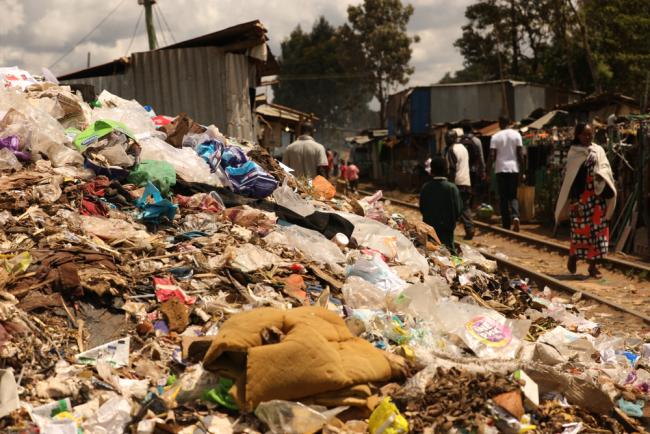
Contribution to the Task Force Sustainable Energy, Water and Food Systems of T20 Saudi Arabia
Waste-to-energy plants appear as an effective means of dealing with two problems of electricity access and waste management at once.

South Korea’s Hydrogen Strategy and Industrial Perspectives
South Korea is a hydrogen (H2) frontrunner. The world’s first commercial fuel cell electric vehicle (FCEV) was launched by the South Korean car manufacturer Hyundai (Tucson i×35) in 2013.
POSCO Energy, South Korea’s largest private energy producer, completed the world’s largest fuel cell manufacturing plant in 2015. When President Moon took office in 2018, the new government identified H2 as a new growth engine, and pledged to turn the country into a H2 economy.
The Gulf Economies and Energy Transition
The economies of the Persian Gulf are highly dependent on their petrol exports, particularly to Asia.
The Geopolitics of the Amazon
An irreplaceable reservoir of biodiversity and freshwater, the Amazon basin has become extremely important in this age of climate disruption.
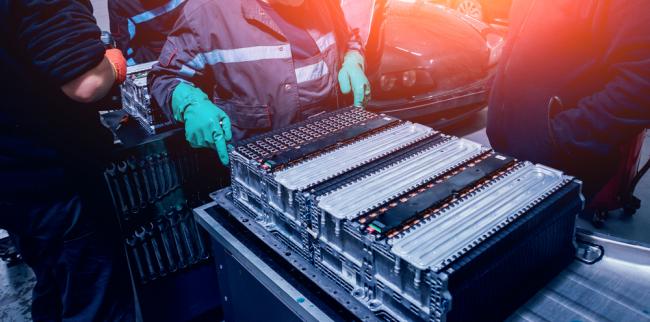
The Recycling of Lithium-Ion Batteries: A Strategic Pillar for the European Battery Alliance
Although it is still marginal, the market for electric vehicles (EVs) is growing. According to the French Institute of Petroleum and Renewable Energies (IFPEN, Institut Français du Pétrole et des Énergies Renouvelables), EVs accounted for a little more than 2% of the light vehicle market in 2019. This was up by 54% compared to 2018, but EVs still only represent 0.8% of the global car fleet. That said, the International Energy Agency (IEA) estimates EVs could make up between 15% and 30% of vehicle sales in 2030.
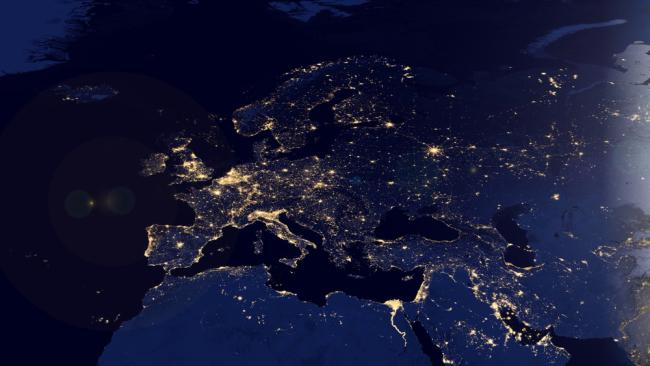
The Green Deal’s External Dimension. Re-Engaging with Neighbors to Avoid Carbon Walls
The European Union (EU)’s Green Deal is a game changer with attention so far focused on forthcoming actions plans, the Climate Law, financial resources, the revision of the 2030 targets and of the emissions trading system (ETS).
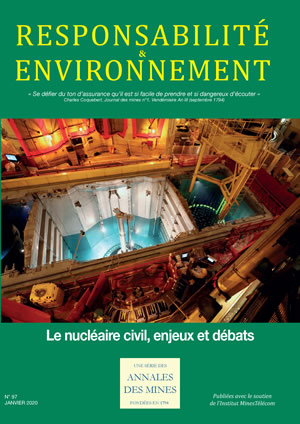
Civilian nuclear energy’s strategic dimension
French stakeholders in civilian nuclear energy are making a full diagnosis of the industry in order to cope with disappointments and lay down the conditions for relaunching programs for building reactors.
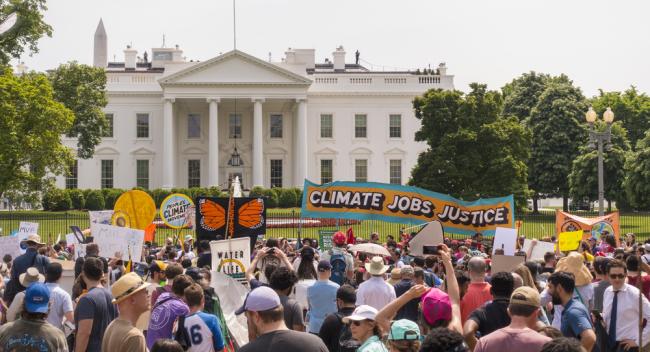
The Battle Heats Up: Climate Issues in the 2020 US Presidential Election
Environmental issues have frequently enjoyed bipartisan support in American history: the Clean Air Act was enacted in 1963 under Democratic President Johnson, and the Environmental Protection Agency (EPA) was established in 1970 under Republican President Nixon.
The Development of Hydrocarbons in East Africa: Political and Security Challenges
East Africa has the potential to experience a gas and liquefied natural gas (LNG) export boom in the coming years due to several projects that have been released.
The War on Carbon. Five Priorities for the European Green Deal
2019 has marked a fundamental turning point in the energy transition of the European Union (EU).


Academic: Higher carbon price needed to ramp up EU biomethane production
The price of CO2 credits on Europe’s emissions trading scheme needs to rise to around €50 per tonne in order to drive the long-term development of Europe’s biomethane industry, says Marc-Antoine Eyl-Mazzega, a French researcher.
The future of biogas in Europe: it’s a local affair
The prospects for biogas in Europe look bright, with conservative estimates pointing to a tenfold increase in production by 2030. However, the industry will need to stay rooted in the local economy and come clean on environmental credentials if it wants to avoid a green backlash, analysts say.
China’s Ambiguous Positions on Climate and Coal
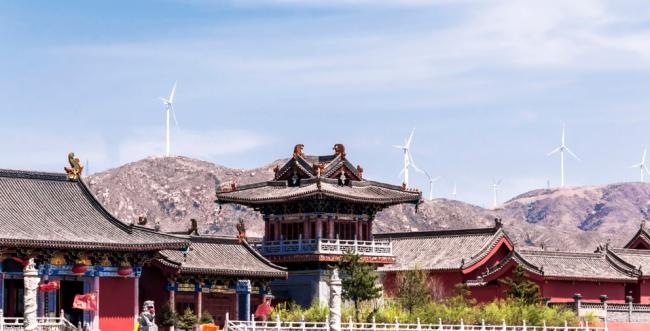
China’s 2018 energy consumption data capture the ambiguity of Beijing’s attitude toward climate change. Energy demand rose by 3.5% to 3,155 million tonnes of oil equivalent (Mtoe), with an increase of coal consumption (though its share in the overall energy mix is decreasing) and an expected greenhouse gas (GHG) emission surge of 2.3%, to 9.5 gigatonnes (Gt) for the same year.

(De)globalization of International Plastic Waste Trade: Stakes at Play and Perspectives
The world plastic production has been multiplied by 23 since 1964 to reach 348 million tonnes (mt) in 2017. This production level is expected to double in the next 20 years, largely because of the significant growth in plastic consumption in developing countries. Today, China is the largest producer of plastics (representing nearly 30% of global production) and the European Union (EU) comes second (18.5%) with 64 mt.
Waste Management and Electricity Generation in Africa: Developing Waste-to-Energy to the Benefit of Sustainable Cities?
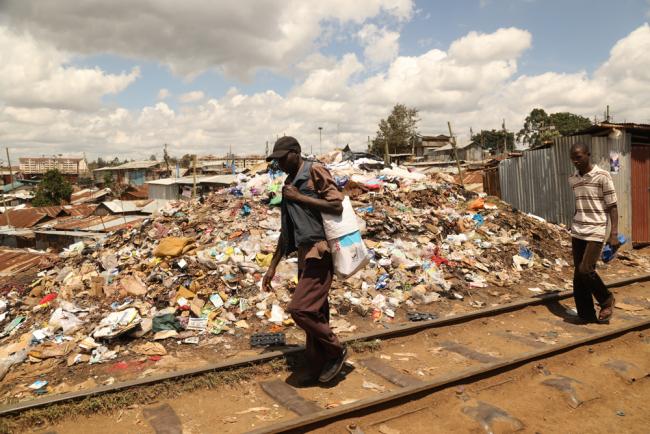
With the expansion of modern production and consumption patterns to large African cities, population growth and urbanization, production of municipal waste has risen sharply. Unregulated dumps are becoming numerous and have strong negative health effects by polluting the local environment.

Naftogaz vs Gazprom: Infinity War
Energy has been at the heart of Ukraine's troubles with Russia over the past two decades, typically as a means for Moscow to pressure its former province. The pressure points have changed over the years – moving from a focus on direct supplies to transit through Ukraine – but the battle remains a constant for regional energy and security.
Accelerating the Energy Transition in the Southern Mediterranean
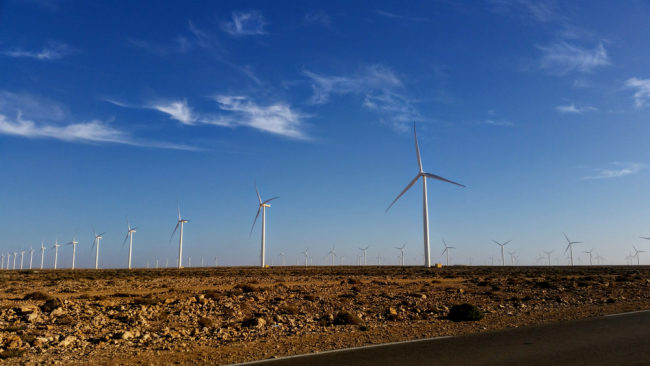
The Mediterranean region has been identified as one of the most affected regions by climate change endangering human security at the food-water-energy nexus.
China’s Quest for Gas Supply Security: The Global Implications
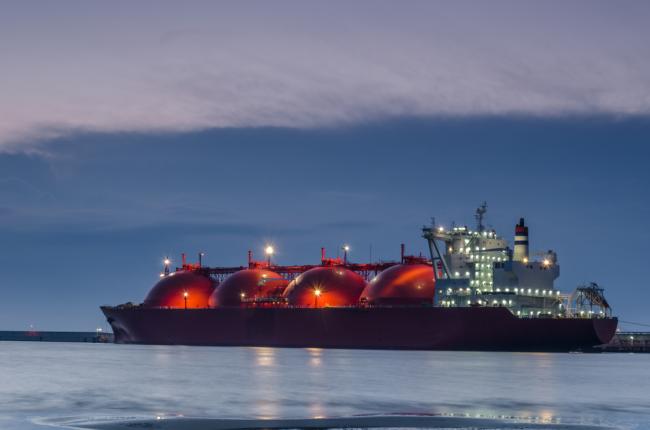
The major transformations that are occurring on the Chinese gas market have profound repercussions on the global gas and LNG markets, especially on trade, investment and prices. In just two years, China has become the world’s first gas importer and is on track to become the largest importer of Liquefied natural gas (LNG).
China’s Ambiguous Positions on Climate and Coal
China’s 2018 energy consumption data capture the ambiguity of Beijing’s attitude toward climate change. Energy demand rose by 3.5% to 3,155 million tonnes of oil equivalent (Mtoe), with an increase of coal consumption (though its share in the overall energy mix is decreasing) and an expected greenhouse gas (GHG) emission surge of 2.3%, to 9.5 gigatonnes (Gt) for the same year.
Accelerating the Energy Transition in the Southern Mediterranean
The Mediterranean region has been identified as one of the most affected regions by climate change endangering human security at the food-water-energy nexus.
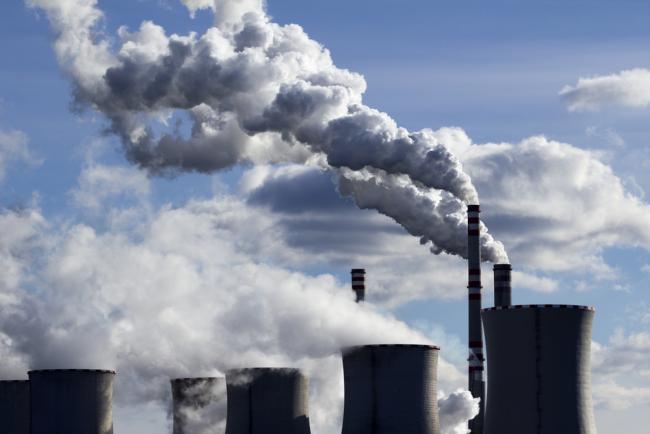
Carbon Capture, Storage and Utilization to the Rescue of Coal? Global Perspectives and Focus on China and the United States
In most of the pathways that limit global warming to 1.5°C, capture of CO2 from fossil-fuel or biomass-based installations and its long-term geological storage (carbon capture and storage - CCS and bio-energy with carbon capture and storage - BECCS) plays a crucial role.
Russia-Ukraine Gas Relations: The Mother of All Crises or a New Start to 2030?
Ten years after the January 2009 gas crisis, Russian-Ukrainian gas relations are at another turning point: the then concluded contracts are terminating on 31 December 2019. While trilateral talks brokered by the European Commission (EC) have started in July 2018, the real negotiations about the future of this relationship can be expected to start no earlier than in December, that is in the midst of the winter and a second to midnight. Crucial months lie ahead.
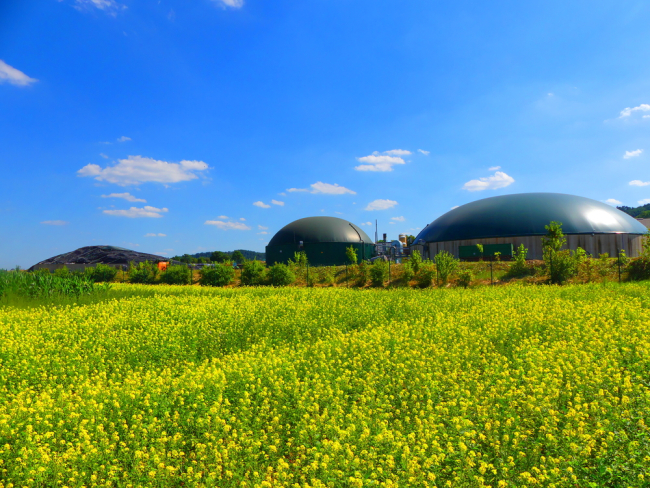
Biogas and Biomethane in Europe: Lessons from Denmark, Germany and Italy
At a time when the European Union (EU) is discussing its long-term climate strategy and drafting new legislation to foster the decarbonization of its gas sector, a close look at the experience of Denmark, Germany and Italy with renewable gas production can provide valuable lessons.

Possible Energy Transitions through 2029
Renewable energies are experiencing rapid growth, due not only to their limited impact on the environment but also to shrinking costs. To fight climate change, new investments in low carbon technologies are necessary. Apart from its positive aspects, the energy transition carries risks, notably geopolitical. The notion of energy security will be profoundly modified. These risks can be anticipated and managed.
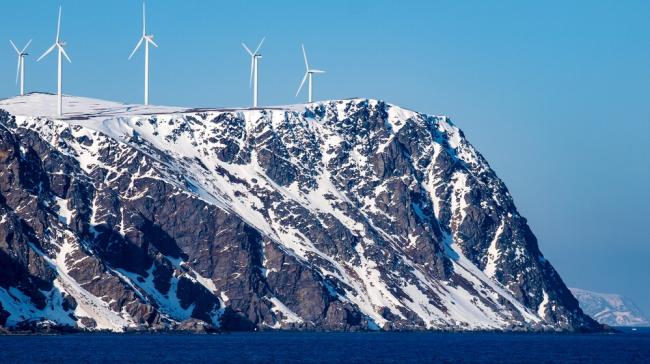
The Arctic: Critical Metals, Hydrogen and Wind Power for the Energy Transition
According to a 2008 estimate, the Arctic hosts approximately 412 billion barrels of oil equivalent of conventional oil and gas resources. And since then, following the so-called shale revolution and technology improvements, numbers have gone even higher.
Mexico’s Energy Reforms at Risk?
Mexico’s Energy Reform (hereafter, the Reform) enacted on December 20th 2013, and the Secondary Laws adopted on August 11th 2014, marked a milestone in the history and the development of the Mexican energy sector.
These major changes were unexpected considering that multiple sectorial reforms pursued since the 1990s had systemically failed to address the structural problems which had been mounting over the years.
The US Oil Embargo on Iran: A New Oil Shock?
The 14 July 2015 Vienna agreement on Iran’s nuclear activities (Joint Comprehensive Plan of Action – JCPoA) was a game changer on the geopolitics in the Middle East and for the oil market. The oil sanctions were lifted and Iran increased significantly its production and exports. On 8 May 2018, President Trump announced that the United Stated (US) would withdraw from the agreement. Financial sanctions were reintroduced. From 5 November 2018 onwards, further sanctions will be re-imposed more specifically on petroleum related transactions, including the purchase of petroleum, petroleum products and petrochemical products. What could be the impact of this new embargo? Is there a risk of a new oil supply and price shock?
The Next Wave of Global LNG Investment Is Coming
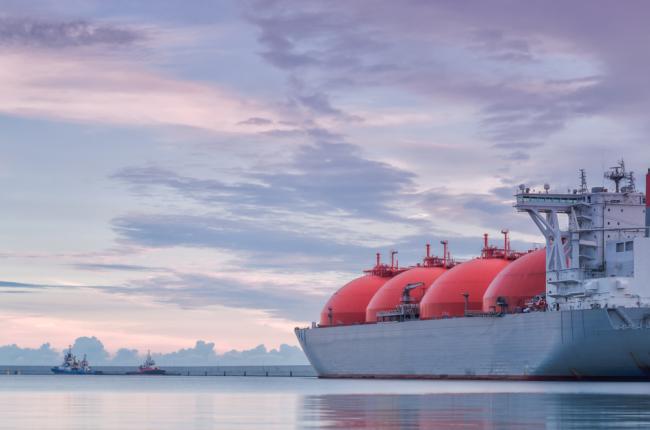
With an annual growth of 10% in 2017 to 290 million tons (Mt) and 8.3% in the first half of 2018, Liquified Natural Gas (LNG) demand is rising faster than expected. Accounting for 44% of global demand growth in 2017, China is the main driver of the growth as the government has made natural gas a key policy choice to reduce air pollution and restructure its high-carbon energy mix.
Ifri, a foundation recognized as being of public utility, relies largely on private donors – companies and individuals – to guarantee its sustainability and intellectual independence. Through their funding, donors help maintain the Institute's position among the world's leading think tanks. By benefiting from an internationally recognized network and expertise, donors refine their understanding of geopolitical risk and its consequences on global politics and the economy. In 2026, Ifri partners with over 90 French and international companies and organizations.

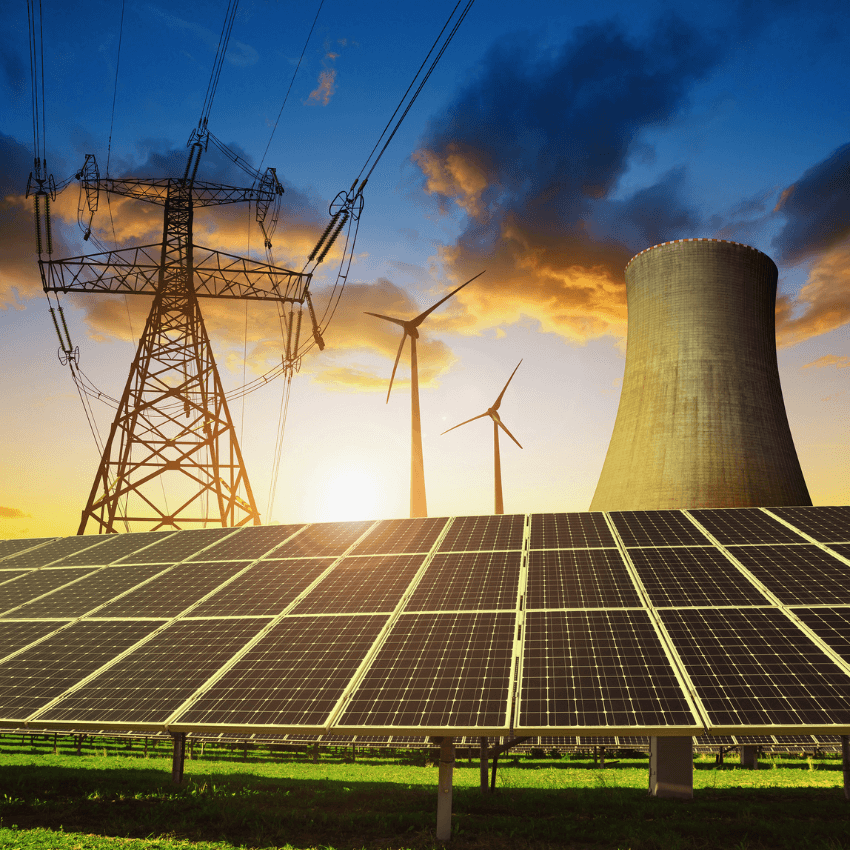
Ifri's Energy and Climate Center carries out activities and research on the geopolitical and geoeconomic issues of energy transitions such as energy security, competitiveness, control of value chains, and acceptability. Specialized in the study of European energy/climate policies as well as energy markets in Europe and around the world, its work also focuses on the energy and climate strategies of major powers such as the United States, China or India. It offers recognized expertise, enriched by international collaborations and events, particularly in Paris and Brussels.