




Energy-Climate
In the face of the climate emergency and geopolitical confrontations, how can we reconcile security of supply, competitiveness, accessibility, decarbonization and acceptability? What policies are needed?
Related Subjects
The US’s Critical Mineral Offensive Strategy: How Can Europe Step Up?

As Organization for Economic Co-operation and Development (OECD) economies are confronted with mounting threats to critical raw materials (CRM) supplies, resolute interventionist policies are needed to build resilient value chains.

German Energy Policy
On the 28th September 2010, Angela Merkel announced her government’s publication of an “energy concept” describing the target which the Federal Republic hoped to give itself regarding its energy consumption in 2050.
Energy Efficiency: Smart but not Sexy
Marie C. DONNELLY, DG Energy, reported that the EU is “unlikely to achieve a 20% reduction on the current set of policies” [1] by 2020. According to her, based on a modelling exercise, the estimate of energy savings “would be somewhere between 9 and 11% on current policies” in spite of the contribution of the economic crisis to decreasing the EU primary energy consumption.
Oil and Gas Delivery to Europe: An Overview of Existing and Planned Infrastructures. New Edition
The European Union’s hydrocarbon energy supply depends heavily on imports. While the European Commission has recommended diversifying and increasing domestic resources, notably with renewable resources which should grow to 20% by 2020, dependence on hydrocarbon imports will remain not only substantial, but will increase.
Global Governance of Biodiversity: New Perspectives on a Shared Challenge
This report aims to provide a first mapping of the global governance of biodiversity, through an investigation of the interactions between the various actors, institutions, norms, tools and processes that structure it. It chooses to do so by bringing together different visions or perceptions on the nature, shape and characteristics of the current global governance of biodiversity.
2020 And Beyond: 2050 in light of the Copenhagen Accord
At the end of the Copenhagen Conference of December 2009, the attending parties failed to agree on a legally binding commitment, but ultimately signed the Copenhagen Accord. The countries signing this accord took different engagements in respect to their economic and emissions status.
Wind Power: a Victim of Policy and Politics?
In December 2008, as part of the fight against climate change, the European Union adopted the Energy and Climate package that endorsed three objectives toward 2020: a 20% increase in energy efficiency, a 20% reduction in GHG emissions (compared to 1990), and a 20% share of renewables in final energy consumption.
Spat in the East China Sea Offers Lesson on Raw Material Dependence
There is a valuable lesson to be learned about raw material dependence from the tensions between China and Japan in the East China Sea. It’s not about the oil and gas that is thought to be stored under the seabed in disputed waters, but rather the so-called “rare earth elements”, of which China produces 97% of the global supply.
Nordstream: Just-in-time?
Last week the gritty Russian/Ukrainian gas relationship was back in the press. This time the issue appeared to be Ukraine’s efforts to secure lower prices for its consumers - perhaps even on a par with Russia’s domestic consumers. The Ukrainians must surely know that to qualify for those kinds of special prices available previously only to politically compliant neighbors - Ukraine would have to return to some form of pre-Orange Revolution relationship with Mother Russia.
Lessons Learned from Oily Pelicans? A Comparative Policy Paper on Maritime Oil Spill Disasters
Turn on the news or open the paper and sure enough there will be mention of the disastrous oil spill in the Gulf of Mexico. Although it has retreated from the big headlines, the disaster still looms large as people deal with the aftermath of the BP catastrophe.
Carbon Dioxide Emissions: 17 Years ans still Talking
The 15th annual Conference of the Parties in Copenhagen last year saw delegations from 192 countries come together in an attempt to establish a global climate agreement for 2012 before the end of the first commitment period of the Kyoto protocol (2008-2012). This paper will examine how these figures have changed since Kyoto base year 1990, before looking at certain countries" proposals for the future of their carbon dioxide emissions.
The EU's Major Electricity and Gas Utilities since Market Liberalization
A major change has taken place in the company structure of the European electricity and gas markets. Twenty years ago, national or regional monopolies dominated the markets and there was strictly no competition between utilities. But since the liberalization of EU energy markets began in the 1990s, companies like E.ON, GDF Suez, EDF, Enel, and RWE have become European giants with activities in a large number of Member States.
An Azeri-Turkish deal on gas - a partnership renewed
The package of the Azeri-Turkish gas agreements signed in Istanbul on June 7, 2010, in the presence of President Ilham Aliyev and Prime Minister Recep Erdogan certainly makes cooperation easier in a sector which both parties consider to be strategic. It does not, however, specify all details of the sale and transit of gas (see e.g. EurasiaNet, 7 June). The documents above all have important political significance.
Russian Gas Diplomacy
Thank goodness our early warning systems during the cold war were not structured so we could see the flash at the same time we heard the warning. On Monday, the Russians notified the Europeans under an “Early Warning” agreement negotiated after the last Ukrainian gas cutoff that they had already cut gas flows to Belarus by 15% and that would increase cuts to 85% by the end of the week. Not very good news for the Belarusians who enjoy the most gasified economy in the world - everything there runs on gas.
Saving Wind from its Subsidies
European subsidies for wind energy are too high and unspecific. They risk frustrating their own objective.
Japan's Ambivalent Diplomacy on Climate Change
Japan often pictures itself as an environmental leader. While many examples of Japan’s actions against climate change are in line with global climate change norms, others can be in opposition to them.
Jurassic Oil
Why do we have to drill through a mile of water and then three miles of rock to get oil? Surely there are better options in the world’s geologic resource base than deep, acidic, high pressure deposits that threaten the waters and coasts of the Gulf of Mexico, Gulf of Guinea, Campos Basin, Barents Sea and the Caspian. Most of this is oil that got deposited even before continental drift started.
Disaster in Gulf not a Disaster for Obama
Pundits argue that the BP accident in the US Gulf is a final nail in the coffin of President Obama’s energy and environment legislation. They conclude that American energy and environment policy will be left in disarray with little hope for key decisions before the crucial Cancun climate change talks.
A Smiling Medveded
In Denmark last Tuesday, President Medvedev said he had a smiling face for the world. Not surprising. The deal he is reported to have done with President Yanukovitch should bring smiles to many Russian faces - mostly in the Kremlin. However, it is unlikely that the President’s namesake in Gazprom, Alexandre Medvedev is smiling because his company’s interests have once again been subordinated to Russia’s foreign policy agenda.
Copenhagen's Legacy Is Ambiguity
The third Ifri Annual Energy Conference held at the Plaza Hotel, Brussels in February 2010 posed the question: “How do we begin effectively to close the gap between climate change policies and current practices - or put another way between climate change rhetoric and market reality”.
European Energy Treaty: Right Problems Wrong Answer
Jacques Delors’ Notre Europe has rendered a considerable service to European energy policy thinkers, but his proposed European Energy Treaty is the wrong answer.
Russia reiventing the Wheel/Governance is not always better governance
The Gas Crisis and South-East Europe
Report written by Christi an Schülke, Junior Research Fellow, Ifri Bruxelles.
Ifri, a foundation recognized as being of public utility, relies largely on private donors – companies and individuals – to guarantee its sustainability and intellectual independence. Through their funding, donors help maintain the Institute's position among the world's leading think tanks. By benefiting from an internationally recognized network and expertise, donors refine their understanding of geopolitical risk and its consequences on global politics and the economy. In 2026, Ifri partners with over 90 French and international companies and organizations.

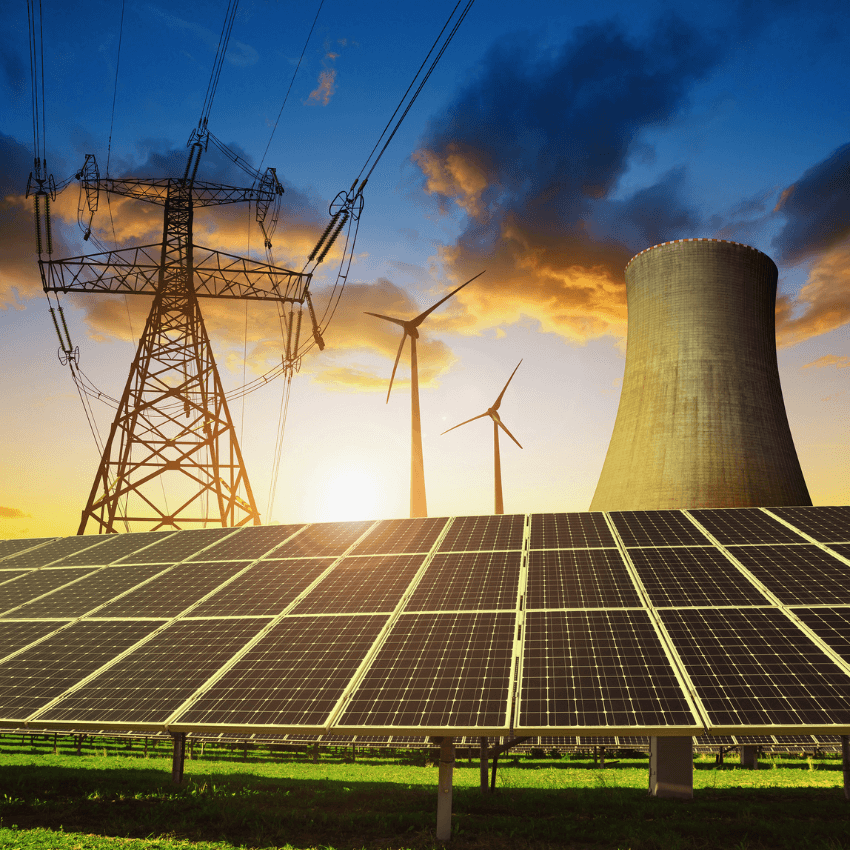
Ifri's Energy and Climate Center carries out activities and research on the geopolitical and geoeconomic issues of energy transitions such as energy security, competitiveness, control of value chains, and acceptability. Specialized in the study of European energy/climate policies as well as energy markets in Europe and around the world, its work also focuses on the energy and climate strategies of major powers such as the United States, China or India. It offers recognized expertise, enriched by international collaborations and events, particularly in Paris and Brussels.