





Energy-Climate
In the face of the climate emergency and geopolitical confrontations, how can we reconcile security of supply, competitiveness, accessibility, decarbonization and acceptability? What policies are needed?
Related Subjects
The US’s Critical Mineral Offensive Strategy: How Can Europe Step Up?

As Organization for Economic Co-operation and Development (OECD) economies are confronted with mounting threats to critical raw materials (CRM) supplies, resolute interventionist policies are needed to build resilient value chains.
Tackling inequalities and vulnerabilities: Why and how G7 development policies could do better
The G7 has made the fight against inequality a crosscutting issue for the Biarritz Summit. The Development Ministerial will address issues of vulnerability, especially the Sahel Alliance. This focus on inequalities and vulnerabilities is nonetheless inseparable from a general discussion on financing sustainable development.


Naftogaz vs Gazprom: Infinity War
Energy has been at the heart of Ukraine's troubles with Russia over the past two decades, typically as a means for Moscow to pressure its former province. The pressure points have changed over the years – moving from a focus on direct supplies to transit through Ukraine – but the battle remains a constant for regional energy and security.
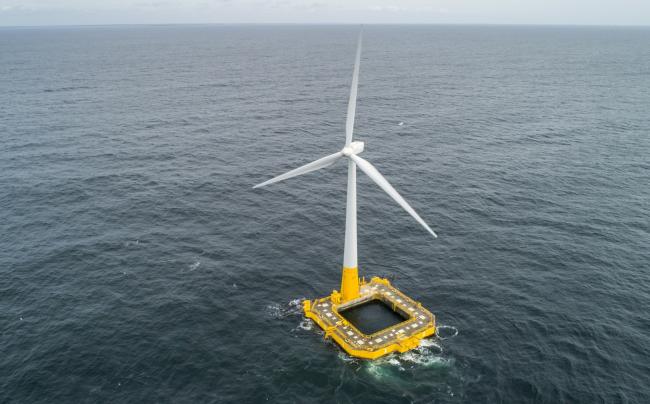
Offshore Wind Power Floating in its Industrial and Technological Dimension
Europe has become a frontrunner in fixed offshore wind. Can this success story be replicated with floating offshore wind, a technology that would lift the sea depth constraint and thus open up wider market opportunities? This research study looks at the main success factors for this emerging industry.
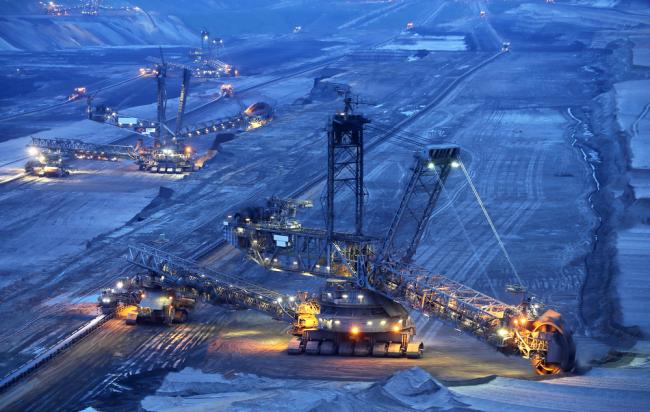
Status of Global Coal Markets and Major Demand Trends in Key Regions
For the second consecutive year, the coal sector registered good results in 2018. Global coal demand continues to increase (+0.7% in 2018), reversing the trend observed in 2015-16. Coal accounted for 26% of global primary energy consumption, maintaining its position as the second-largest energy source after crude oil, and the first for electricity generation with 38% of global power generation.
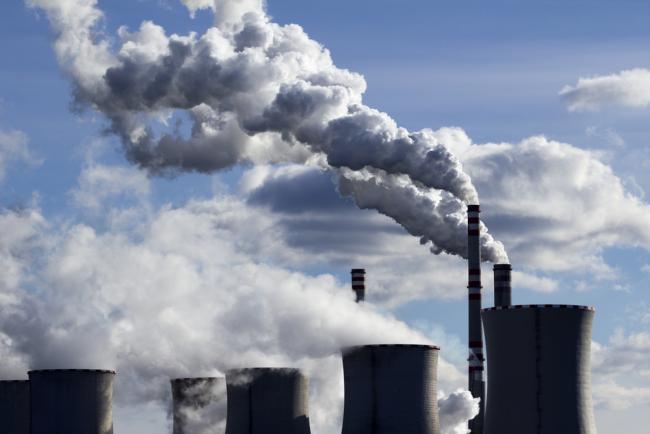
Carbon Capture, Storage and Utilization to the Rescue of Coal? Global Perspectives and Focus on China and the United States
In most of the pathways that limit global warming to 1.5°C, capture of CO2 from fossil-fuel or biomass-based installations and its long-term geological storage (carbon capture and storage - CCS and bio-energy with carbon capture and storage - BECCS) plays a crucial role.
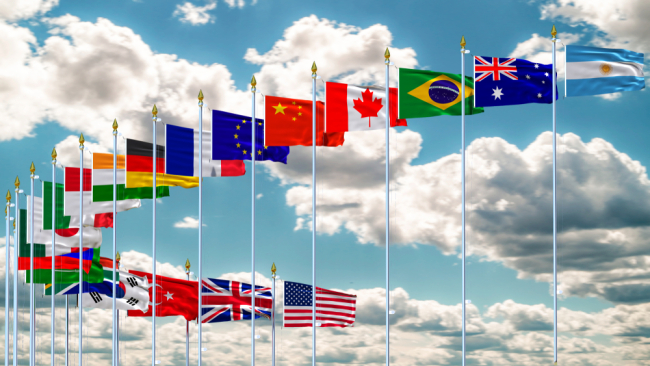
Sustaining Multilateralism in a Multipolar World. What France and Germany Can Do to Preserve the Multilateral Order
While international multilateralism is under strain, it is vital for France and Germany to defend it, since it is the most appropriate system for preserving their interests – particularly in terms of welfare, security, prosperity and environmental protection. Against this backdrop, three political fields offer opportunities for joint initiatives: trade, conventional arms control and climate change.

Biogas and Biomethane in Europe: Denmark, Germany, Italy lead
Over and again, legislators worldwide are confronting the same question: which technologies do we subsidise and support, when, by how much, and for how long. Get it right and those costs will reduce and should disappear once scale is reached. Solar and wind are on their way to proving that. What about biofuels?

EU challenges Asian dominance of battery cell manufacturing
Carole Mathieu of the French Institute of International Relations explains some of the developments between the EU battery manufacturing and automaker industries and how they impact on the region's contributions towards the global energy storage market.

Strategic Dimensions of the Energy Transition: Challenges and Responses for France, Germany and the European Union
The low-carbon energy transition in France, the European Union (EU) and the world is today taking place unevenly and too slowly to preserve the climate and biodiversity. CO2 emissions are continuing to rise, while governments’ commitments are insufficient: in the long-term, the world is set to see temperatures increase by +3°C. Efforts to fund adaptation measures still need to be strengthened considerably.
Russia-Ukraine Gas Relations: The Mother of All Crises or a New Start to 2030?
Ten years after the January 2009 gas crisis, Russian-Ukrainian gas relations are at another turning point: the then concluded contracts are terminating on 31 December 2019. While trilateral talks brokered by the European Commission (EC) have started in July 2018, the real negotiations about the future of this relationship can be expected to start no earlier than in December, that is in the midst of the winter and a second to midnight. Crucial months lie ahead.
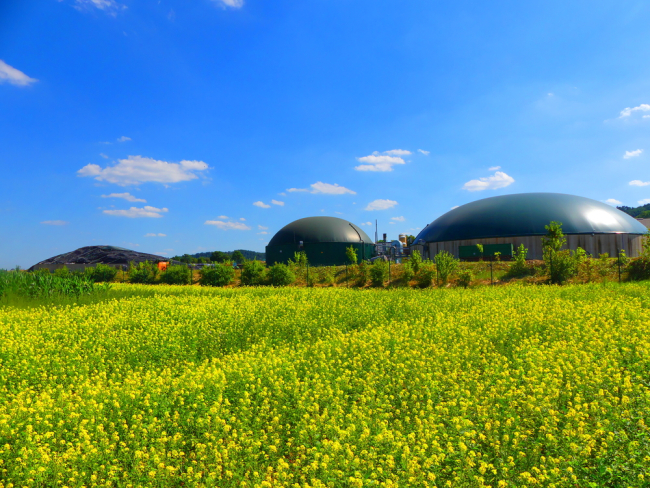
Biogas and Biomethane in Europe: Lessons from Denmark, Germany and Italy
At a time when the European Union (EU) is discussing its long-term climate strategy and drafting new legislation to foster the decarbonization of its gas sector, a close look at the experience of Denmark, Germany and Italy with renewable gas production can provide valuable lessons.

2019-2029: The World in 10 Years
The last four decades have witnessed the profound transformation of the very foundations of the international system: the globalization of trade, technical revolutions, the upheaval of the hierarchy of powers, the emergence of China, the explosion of the Middle-East, the mutation of conflicts and threats, climate concerns, etc.

Possible Energy Transitions through 2029
Renewable energies are experiencing rapid growth, due not only to their limited impact on the environment but also to shrinking costs. To fight climate change, new investments in low carbon technologies are necessary. Apart from its positive aspects, the energy transition carries risks, notably geopolitical. The notion of energy security will be profoundly modified. These risks can be anticipated and managed.
Marc-Antoine Eyl-Mazzega on Global Energy, Valdai Discussion Club
Marc-Antoine Eyl-Mazzega, director of Ifri’s Centre for Energy, discusses various issues related to the energy market, from the strategic move of Russia towards Saudi Arabia and the role of the United States to the recent prices collapses and gas crises.
Shaping the Global Governance of Renewables: A Comparative Institutional Analysis
Over the past decade, facilitating the widespread deployment of renewable energy sources (RES) and enabling their integration within the energy systems has become a central priority for various international organizations (IO) and initiatives.
The US-EU Rivalry for Data Protection: Energy Sector Implications
The General Data Protection Regulation and the energy sector
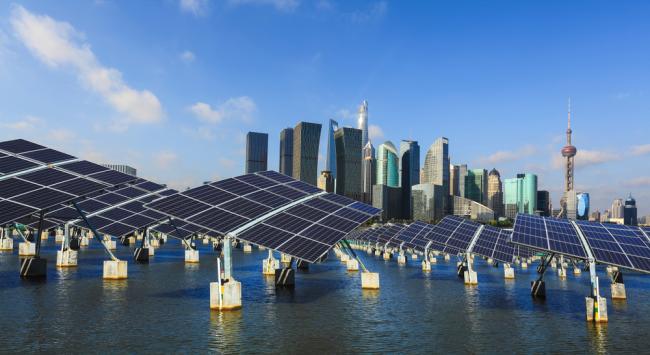
Going Green: Are Chinese Cities Planting the Seeds for Sustainable Energy Systems?
The Global Climate Action Summit held in September 2018 in California has highlighted the importance of cities for promoting clean energy solutions and for combatting climate change. While energy policies in most countries depend primarily on national governments, cities have the possibility to develop and implement innovative solutions and ambitious policies. Chinese cities should be at the core of these developments, as they are confronted with many energy and climate challenges, often at an unprecedented scale: notably air quality, traffic congestion, energy security and massive consumption of building materials. For instance, outdoor air pollution in China has reportedly caused 1 million premature deaths in 2016, and in 2014 only 8 out of 74 Chinese cities would meet the national standards in terms of air quality.
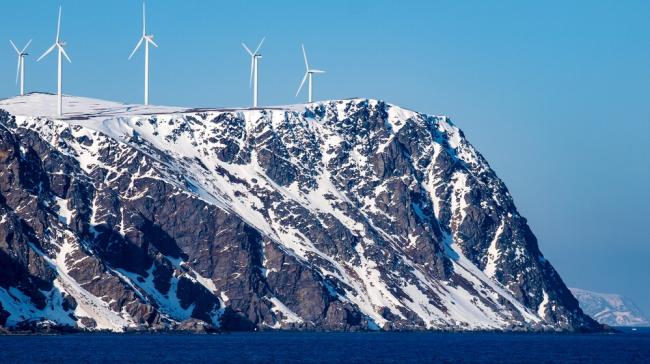
The Arctic: Critical Metals, Hydrogen and Wind Power for the Energy Transition
According to a 2008 estimate, the Arctic hosts approximately 412 billion barrels of oil equivalent of conventional oil and gas resources. And since then, following the so-called shale revolution and technology improvements, numbers have gone even higher.
Deep Seabed Mining of Critical Metals: Strategic and Governance Challenges
Interest in deep seabed mining is growing due to the increasing in global demand for metals and recent technological progress. Critical metals are used in low carbon energy technologies, as well as in the mobility, electronics and the defense industries. Metals become strategic when they are essential to the economy of a state, its defense and energy sector and when their supply presents high risks. Uneven distribution of resources and differences in cost of production have led to a market characterized by oligopolies (China for rare earth elements, or the Democratic Republic of Congo for cobalt). As the remaining onshore resources of critical metals appear complex and costly to exploit, attention has been shifting to deep sea resources.

The need for a strategic recycling approach to take up the challenge of critical metals
In September 2010, China stopped all exports of rare earths and associated products to Japan, depriving Japan’s industry of essential raw materials. This decision highlighted the tensions around the trade of critical materials and China’s monopoly on a group of particular metals. Western countries had already taken some initiatives so as to reduce, or at least to analyse their vulnerabilities in the segment of critical materials.
Xi Jinping’s Institutional Reforms: Environment over Energy?
During its two sessions (lianghui) in March 2018, the National People’s Congress (NPC) announced China’s most important institutional reforms in the last 30 years. These changes occurred right after Xi Jinping consolidated his power and at a time when stakeholders working in the energy field were expecting more clarity on policy orientations.
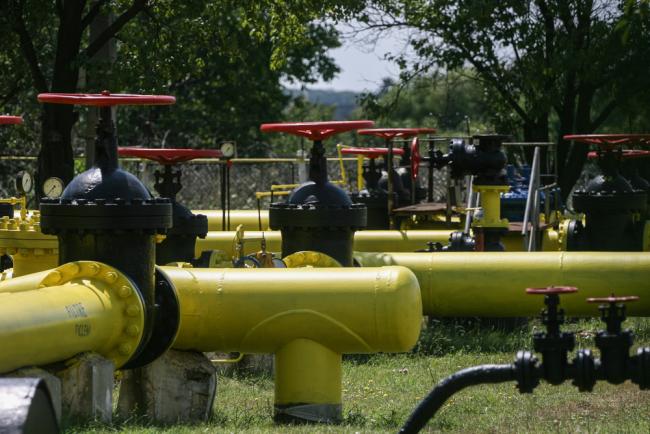
Romania: a key player in the Energy Union for the security of natural gas supply?
In 2015, Maroš Šefcovic, Vice President of the European Commission for Energy Union, was writing about Romania as being «at a crossroads - both in strategic and physical terms.
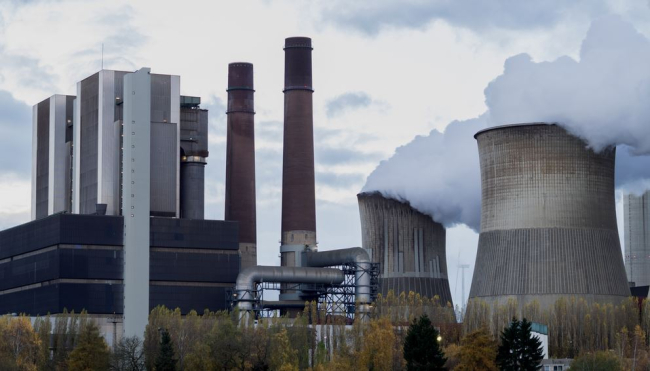
Decarbonizing Germany’s Power Sector: Ending Coal with a Carbon Floor Price?
Germany has a long tradition of climate policy programmes with ambitious greenhouse gas emission reduction targets and comprehensive climate and energy policy packages.
This target-driven policy approach is, however, increasingly facing challenges due to the lack of progress on greenhouse gas emission reductions in key sectors, i.e. the power, the transport and the building sector.
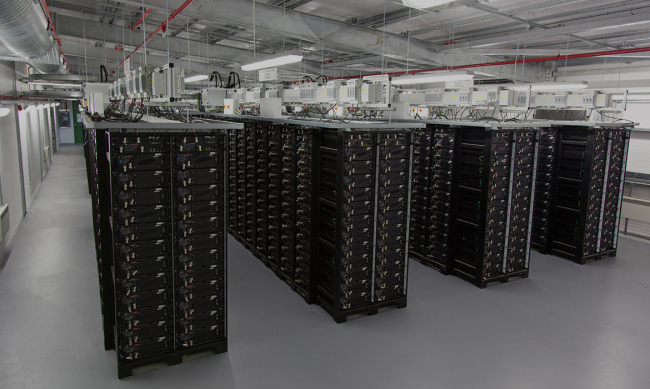
Electricity storage in a redesigned market
Storage technologies have the potential to significantly support the EU’s electricity system, bringing a number of flexibility services. There are numerous electric energy storage (EES) technologies, tackling different magnitudes in terms of quantity of energy, ramp-up time, duration of discharge, costs, and lifetime.

Challenge of Making Smart Cities in India
The Indian government has launched the Smart Cities Mission in June 2015 with the aim of providing a better quality of life to the citizens in 100 cities of the country. This paper describes the main features of the Mission and attempts to explain the challenges in the way forward.

The Last-ditch Attempt to Build the Energy Union
Nearly one year after the presentation of the Energy Union project, while 2016 promises to be a critical year for its implementation, what is the status of this flagship project of the Juncker Commission?
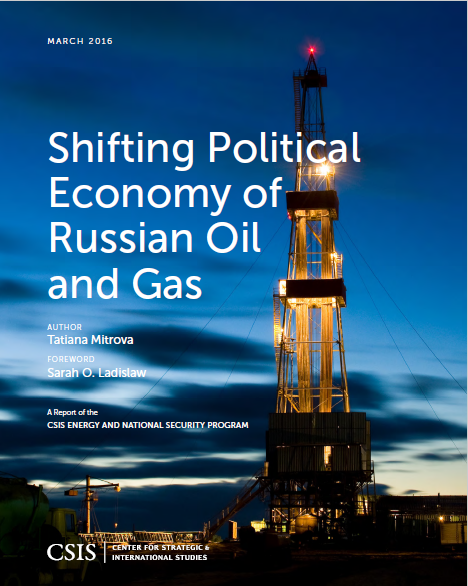
Shifting Political Economy of Russian Oil and Gas
Dramatic changes in the Russian energy strategy and energy-based political alliances are to be expected due to the evolution of the domestic oil and gas market resulting from the economic crisis and sanctions linked to the annexation of Crimea.

Innovation: a New Mode of Climate Action
A range of announcements of energy and climate coalitions have been made during COP21. Beyond their important diplomatic objectives, these new forms of coalitions bring scientists and industry leaders towards new long term visions of energy consumption modes.
Exploring the strengths and weaknesses of European innovation capacity within the Strategic Energy Technologies (SET) Plan
The purpose of this policy report is to explore the strengths and weaknesses of European innovation capacity within the Strategic Energy Technologies (SET) Plan Integrated Roadmap.
Climate Action beyond COP21 - Conference Brief
On November 4th 2015, the Ifri Center for Energy held an international conference on the future of Climate Action beyond the COP21. The conference brought together key experts to outline reasonable expectations for the Paris Climate Summit, in terms of binding commitments from the parties and, more broadly, in terms of the profound transformation that an agreement could trigger.
Ifri, a foundation recognized as being of public utility, relies largely on private donors – companies and individuals – to guarantee its sustainability and intellectual independence. Through their funding, donors help maintain the Institute's position among the world's leading think tanks. By benefiting from an internationally recognized network and expertise, donors refine their understanding of geopolitical risk and its consequences on global politics and the economy. In 2026, Ifri partners with over 90 French and international companies and organizations.

Ifri's Energy and Climate Center carries out activities and research on the geopolitical and geoeconomic issues of energy transitions such as energy security, competitiveness, control of value chains, and acceptability. Specialized in the study of European energy/climate policies as well as energy markets in Europe and around the world, its work also focuses on the energy and climate strategies of major powers such as the United States, China or India. It offers recognized expertise, enriched by international collaborations and events, particularly in Paris and Brussels.