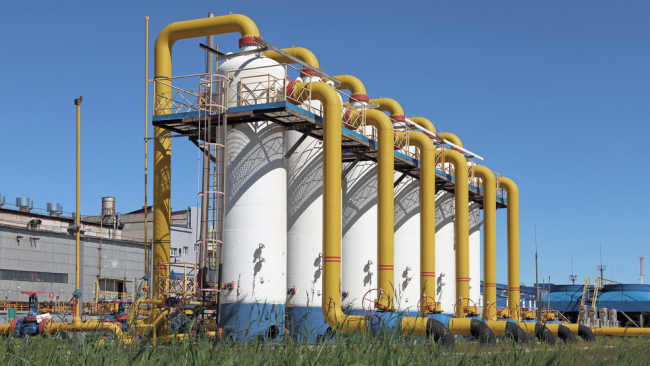
The Role of Gas in the European Energy Transition: Challenges and Opportunities
Following difficult years for the European gas industry, natural gas is back to the front stage.
Reforming the EU electricity markets - Florian ERMACORA
Florian Ermacora, Head of the Internal Energy Market Unit in DG Energy, explains how the Clean Energy Package will improve the functioning of the internal electricity market, and how the new market design will help integrating larger shares of renewables.

Europe in the Global Race for Electrical batteries
This study weighs up the different strategic approaches that Europe may adopt in the industrial race for electrical batteries, taking into account the demand potential for e-mobility and stationary storage, the global competitive landscape and the policy support for local players in Asia and the U.S.
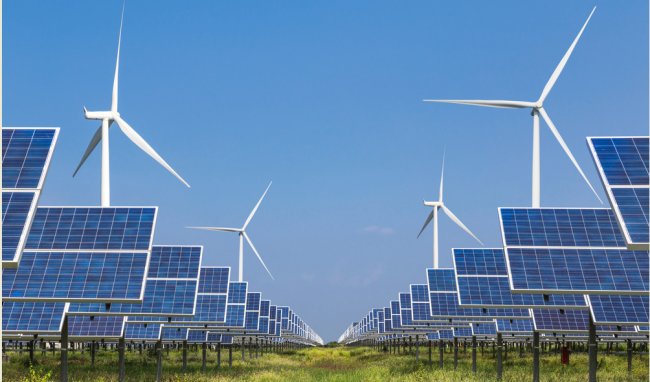
The Landscape of Renewable Energy Sources in Europe in 2030
The study analyses the European rules designed to promote renewable energy, highlighting their innovations and the difficulties they will raise. The study highlights the consequences of some of the measures envisaged and pays particular attention to the electricity market.
With Trump, Time to Reinvent the European Trade Policy
The new American administration’s protectionist tendencies need to be taken seriously.
Democratic Deconstructions
Today’s democratic governments appear less legitimate and their longevity less assured than ever.

EU Leaders Meet in Versailles to Hash Out Bloc’s Future
Four top European leaders hold talks Monday on the future of the European Union, at a time when it faces multiple crises that are sparking doubts about its very existence. Hosted by French President Francois Hollande at the iconic Versailles palace outside Paris, the dinner meeting that brings together German, Italian and Spanish leaders comes amid heated discussion about how to move forward the deeply troubled European Union in the face of Brexit, rising nationalism and an EU-skeptic Trump administration in Washington.
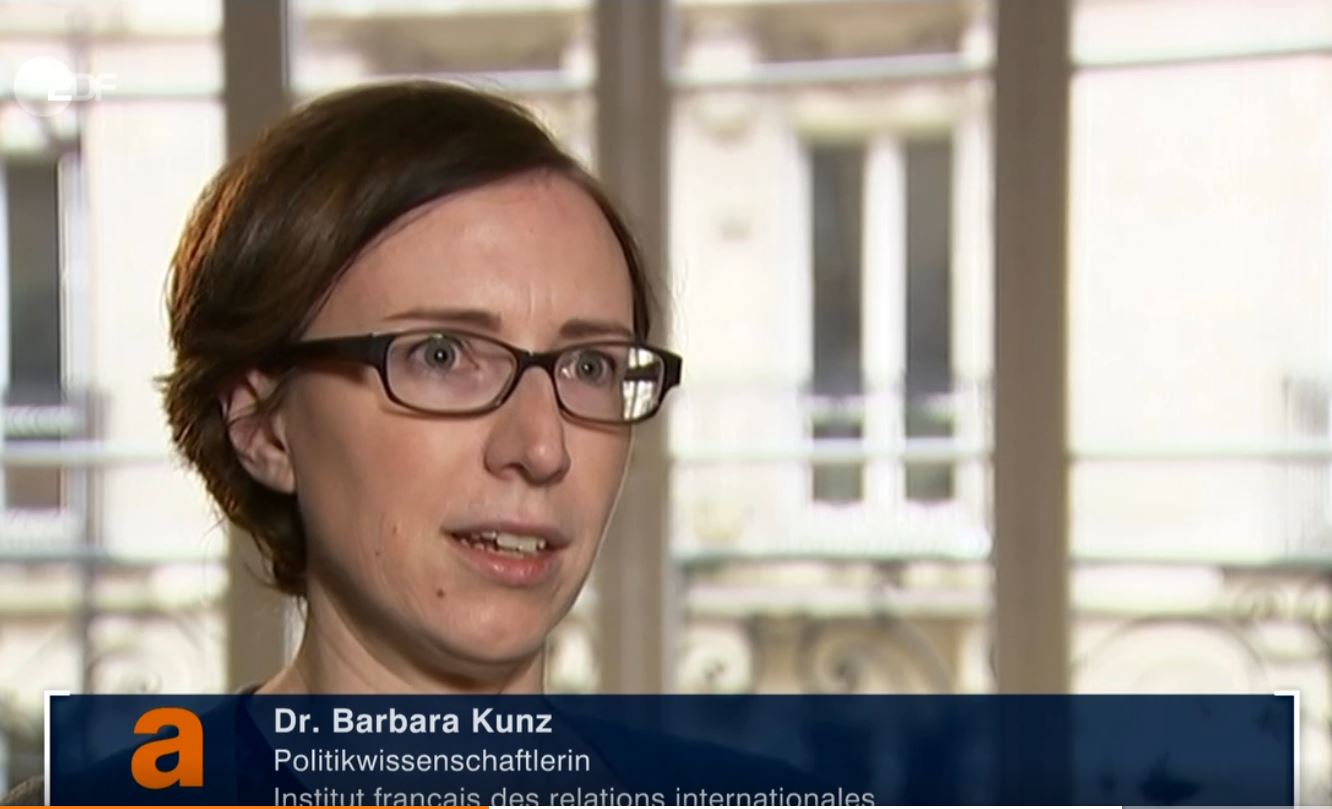
The fight for the Elysée ...and for Europe
On Germanys second channel, ZDF, Barbara Kunz enlarges upon the French presidential election in May.

Cyber Attacks and Energy Infrastructures: Anticipating Risks
This study analyses the likelihood of cyber attacks against European energy infrastructures and their potential consequences, particularly on the electricity grid. It also delivers a comparative analysis of measures taken by different European countries to protect their industries and collaborate within the European Union.

Making Sense of Europe’s Southern Neighbourhood: Main Geopolitical and Security Parameters
Europe’s southern neighbourhood is a diverse but interlinked geopolitical ensemble, whose specificities need to be carefully assessed before Europeans devise dedicated security strategies, divide responsibilities and make policy decisions.
Europe after the Brexit: German positions and perspectives
The British decision to leave the European Union comes at a critical moment for Germany and the EU. It exacerbates the “polycrisis” of recent years and leads to controversial questions: What should the EU look like without Great Britain? What is the objective, the “finality”, of European integration? And what role should Germany play in the future?
The Energy Sector Implications of Brexit
On June 23rd, the UK voted 51.9% to 48.1% to leave the European Union. While the referendum outcome was not legally binding, the broad political consensus that has since emerged across both Remain and Brexit camps has been that the will of the majority must be upheld. So while the UK leaving the EU could be considered inevitable, and has continued to be reinforced with the political mantra of ‘Brexit means Brexit’, it is not clear what this exit will look like.
The Mediterranean: a Sea of Crises?
The Mediterranean is currently an intersection of upheavals and crises. Destabilization on its southern shores, uncontrolled migrations, simmering hostilities in the east surrounding exploitation of energy resources, military presence of all the great world powers (from Washington to Beijing, and Moscow of course), and increasing assertion of regional powers…
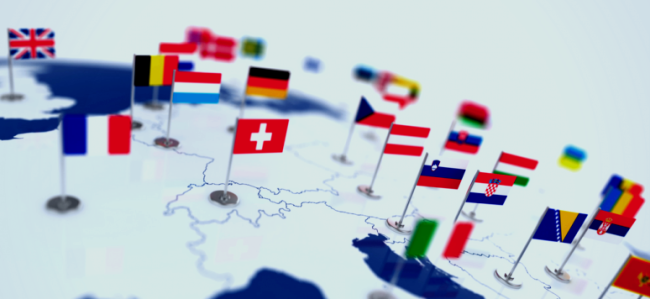
The European Neighbourhood Policy: A Bureaucratic Phoenix?
Facing turmoil on its eastern and southern borders, the European Union has sought some answers by revising its European Neighbourhood Policy and releasing a reviewed Global Strategy on Foreign and Security Policy. Beyond these documents, what is the real impact of the EU in its neighbourhood?
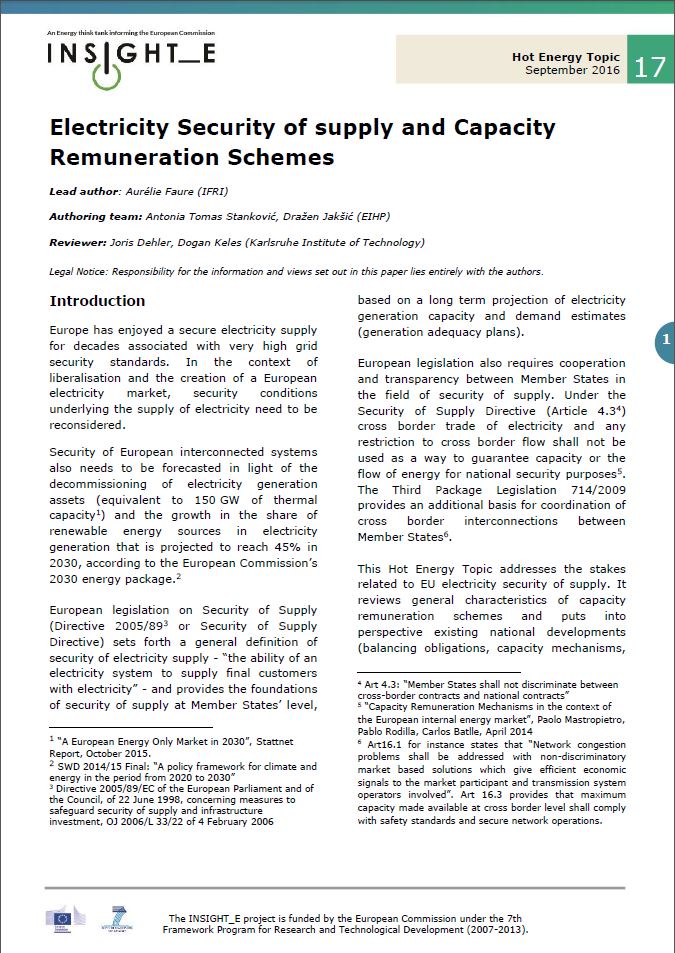
Electricity Security of Supply and Capacity Remuneration Schemes
In the context of liberalisation and the creation of a European electricity market, security conditions underlying the supply of electricity need to be reconsidered.
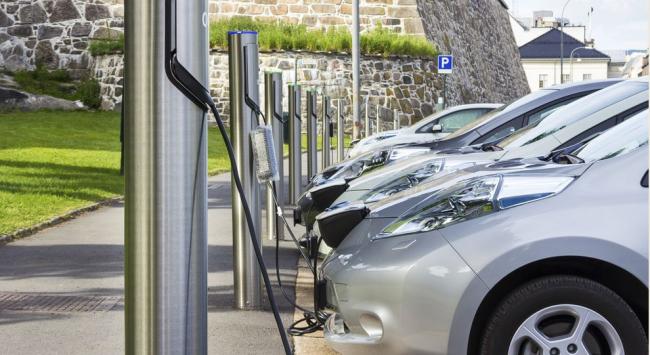
E-mobility: European Energy and Transport Policies at Crossroads
European clean transport policy envisages the development of charging infrastructures for electric vehicles within a European e-mobility framework. After the downturns of the Volkswagen scandal and the prevailing low European carbon price, the EU is bringing forward car passenger transport electrification. This requires new business models based on interoperability.

Juncker, the optimist
The president of the European Commission about security, investment and assistance in Africa. According to Hans Stark, Jean-Claude Juncker didn't beat around the bush and instead of going too far in self-chastisement he tried to give hope to European citizens.

What's next for Europe after Brexit?
Vivien Pertusot was interviewed after the vote in United Kingdom in June on what the consequences of Brexit are for the future of the European Union.
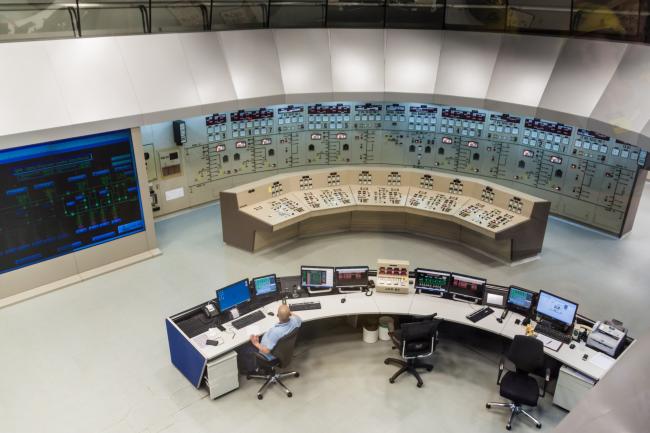
Cyber Attacks: A New Threat to the Energy Industry
The Network and Information Security (NIS) Directive has been adopted on July 6th, 2016 by the European Parliament, three years after the initial proposal by the European Commission. It paves the way for a much needed common cyber security strategy within the EU. This Edito explains the reasons why the energy industry is particularly vulnerable to cyber attacks, and what tools this new directive brings about to protect European critical infrastructures.

French business to gain from Brexit, but Frexit menaces
Vivien Pertusot, of the international relations think tank Ifri, said the Franco-British political relationship had never been defined by the European Union but is based on bilateral interests.
Ifri, a foundation recognized as being of public utility, relies largely on private donors – companies and individuals – to guarantee its sustainability and intellectual independence. Through their funding, donors help maintain the Institute's position among the world's leading think tanks. By benefiting from an internationally recognized network and expertise, donors refine their understanding of geopolitical risk and its consequences on global politics and the economy. In 2026, Ifri partners with over 90 French and international companies and organizations.