




The Road to 27 Electrification Action Plans: Planning and Investing in Europe’s Electric Future
Practical information
Accessibility
Themes and regions
Related centers and programs
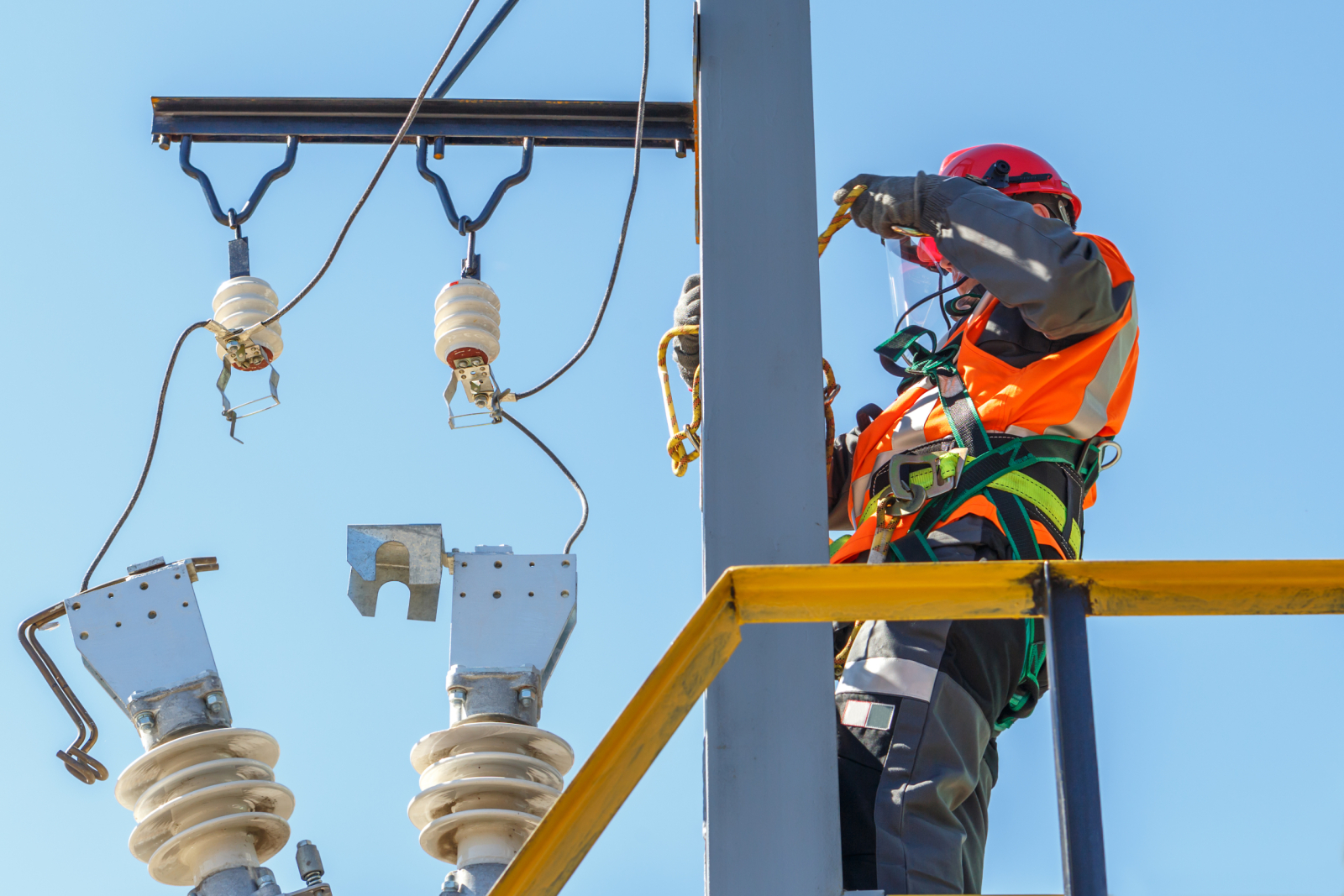
The European Commission’s Electrification Action Plan places the continent on an electric path to structurally reduce dependence on fossil fuel imports and boost the energy transition in industry, transport and buildings.
As governments will negotiate the proposal within the Council of the European Union and work on implementing its measures, they need to answer two key questions:
1/ How can electrification be the most attractive choice and trigger investments? What do industrials need to see for this to be a no-regret investment (ETS, taxation, grid tariffs, competitive credits, funding)?
2/ How can the European Grids Package enable governments to plan for high electrification rates and accelerate grid connections?
After preliminary interventions, this online roundtable will gather policymakers, industry representatives and civil society to discuss these questions.
Program
14:00-14:50 | Kick-off interventions
- Raphaël Schellenberger, Member of French Parliament,
- Martin Johansson, Head of Forecasts and Scenarios, Swedish Energy Agency
- Maurice Dierick, Director Coordination & European Development, RTE
- Shiraz Dromi, Public Affairs Director, Knauf Insulation
- Nadine Wendt, Head of Liaison Office Brussels, Covestro
- Marzena Rogalska, Principal Advisor for Industrial Decarbonisation, Directorate-General for Climate Action (CLIMA), European commission
14:50-15:15 | Open discussion
Moderator: Arthur Daemers, Head of European Energy and Climate Policies, Center for Energy & Climate, Ifri
15:15-15:30 | Concluding remarks
- Nicolás González Casares, Member of European Parliament
- Serena Pontoglio, Team Leader, Directorate-General for Energy (ENER), European Commission
This conference will be held under the Chatham House Rule.
Contact
Alexandra BOR
Assistant to the Center for Energy & Climate, Ifri

Find out more
27 Plans for 2027: Turning the Electrification Action Plan into National Action
With the aim of structurally reducing the European economy’s dependence on fossil fuel imports and accelerating the energy transition, the European Commission has opted for electrification.
Europe’s Power Grid Challenge: A Make-or-Break for Accelerating Electrification
In April 2023, The Economist published an article pointing to the vast amounts of electricity infrastructure needed to reach energy transition goals.
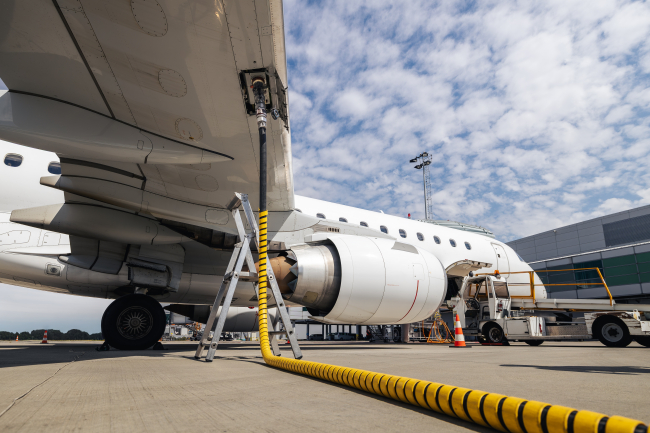
How to Make European e-SAF Production under RefuelEU Aviation Fly?
Three and a half years before the scheduled entry into force of the European regulation ReFuelEU Aviation (RFEUA), which requires aviation fuel suppliers at Union airports to offer a sustainable synthetic alternative (e-SAF), no sizeable commercial production unit (greater than 10,000 tons per year) is active within Europe yet, nor has it even passed the Final Investment Decision (FID). Is a major step in the European Union (EU) plans for decarbonizing air transport at risk of not happening, or at least being postponed for several years? Is Europe losing its bet to create a market for e-SAF? Under what conditions can this bet still be won? Could sovereignty and energy security preoccupations unlock necessary public support and help to overcome economic, financial, logistical or administrative obstacles?
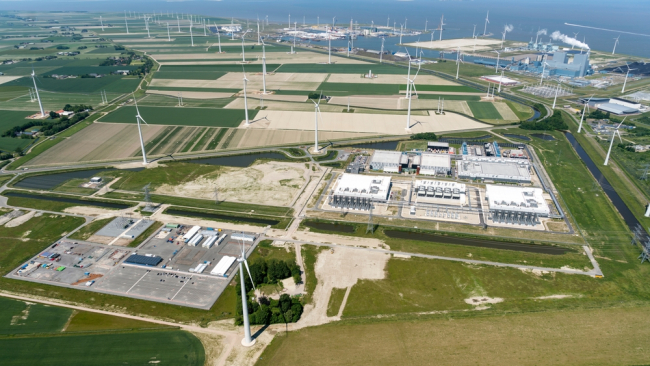
The Strategic Dimension of Power System Flexibility: Opportunities in Europe
The European Union has embarked on an energy transition aimed primarily at replacing fossil fuels by electrifying demand.
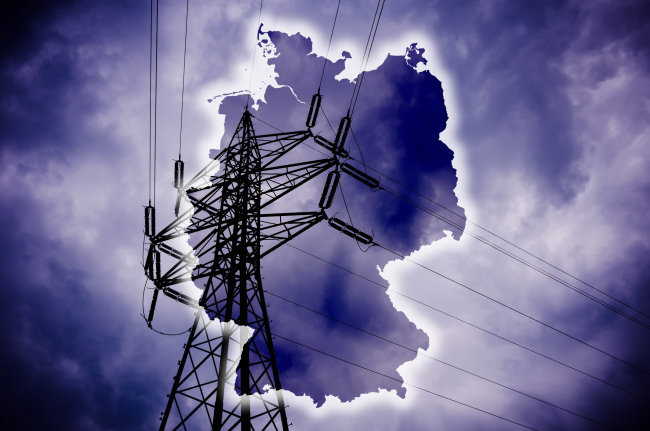
Germany Maintains Its Single Electricity Price Zone: Implications
In December 2025, Germany refused to split its bidding zone despite recommendations from ENTSO-E, in order to preserve its federal unity, market liquidity, and the competitiveness of its industry, at the cost of persistent North-South imbalances.