






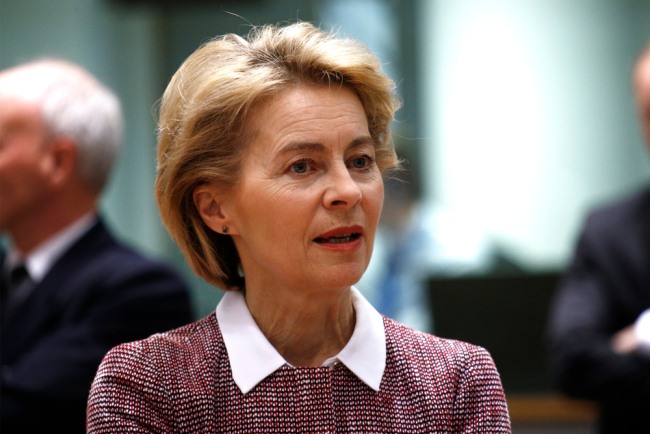
Ursula von der Leyen: betting on Franco-German unity in the European Commission
Germany's Ursula von der Leyen nominated to lead EU Commission.
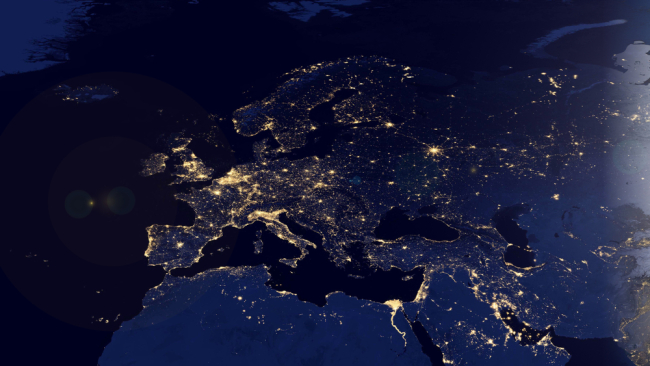
Assessing Europe's Space Dependency and Its Implications
It is a classic exercise to imagine what today’s world would be like if all satellites were shut down. The exact consequences of such a scenario, which is not unlikely given the inherent vulnerability of space systems to natural, accidental and deliberate interferences, are however difficult to appreciate, even for specialists.
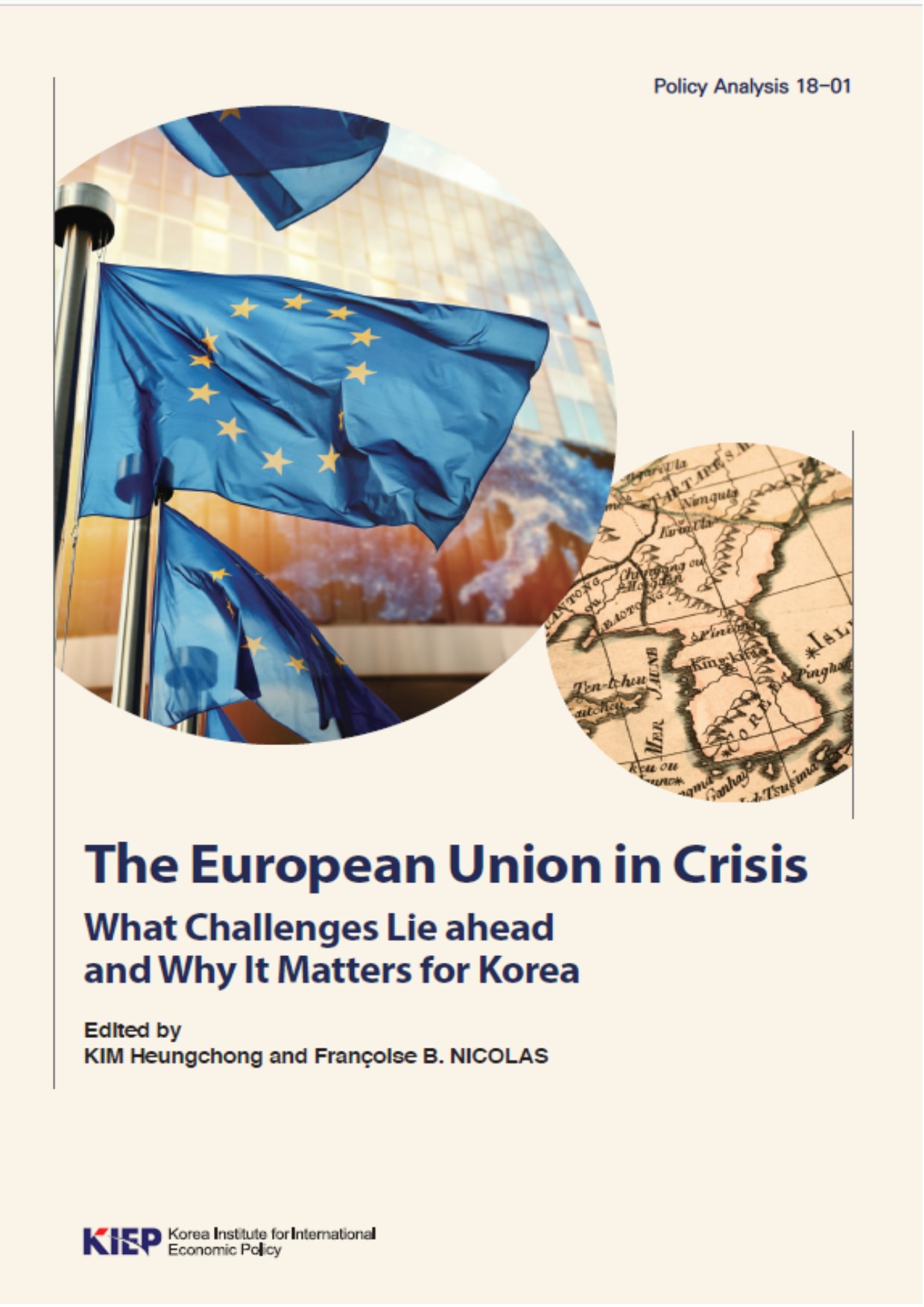
The European Union in Crisis: What Challenges Lie ahead and Why It Matters for Korea
The EU is currently undergoing serious challenges from inside such as Brexit and strengthening Euroscepticism, rising populism and changing political geography, anti-immigration moods as well as retarded economic recovery.
The European Battery Alliance is Moving up a Gear
French battery cell manufacturer Saft and Opel, the German subsidiary of automaker PSA Group, are finalising the details of a major investment project in battery cell manufacturing. Is the European Union (EU) finally challenging Asia’s dominance on battery cells production? What chances of success for the European Battery Alliance (EBA) and what implications for the EU industrial policy?

Strategic Dimensions of the Energy Transition: Challenges and Responses for France, Germany and the European Union
The low-carbon energy transition in France, the European Union (EU) and the world is today taking place unevenly and too slowly to preserve the climate and biodiversity. CO2 emissions are continuing to rise, while governments’ commitments are insufficient: in the long-term, the world is set to see temperatures increase by +3°C. Efforts to fund adaptation measures still need to be strengthened considerably.
Russia-Ukraine Gas Relations: The Mother of All Crises or a New Start to 2030?
Ten years after the January 2009 gas crisis, Russian-Ukrainian gas relations are at another turning point: the then concluded contracts are terminating on 31 December 2019. While trilateral talks brokered by the European Commission (EC) have started in July 2018, the real negotiations about the future of this relationship can be expected to start no earlier than in December, that is in the midst of the winter and a second to midnight. Crucial months lie ahead.
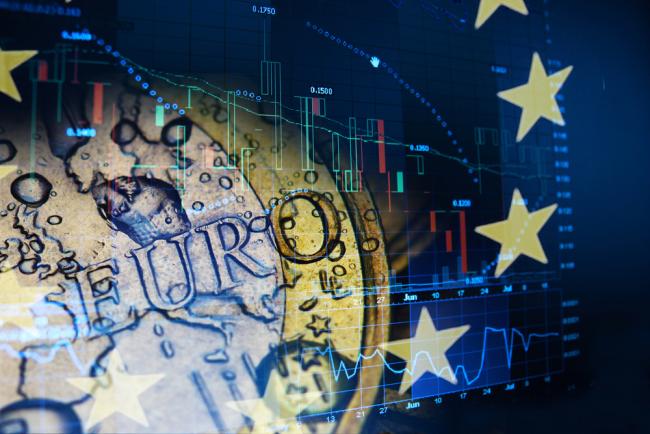
Will the EU Let Itself Be Bought ? New Framework for Foreign Direct Investments in Europe
In 2016, Chinese foreign direct investment (FDI) inflows into the European Union (UE) reached a record high, in contrast to the steady decline in FDI flows from the EU to China. Beijing is looking for markets and strategic assets and particularly targets advanced technologies in major European economies, deploying an aggressive and sometimes opaque strategy.


Germany's Arms Export Ban Frustates European Partners
Germany's unilateral decision to halt all shipments of military equipment to Saudi Arabia has stopped 10's of billions of dollars worth of orders of joint European arms exports, bringing the question of deep arms export cooperation among European partners into high relief.
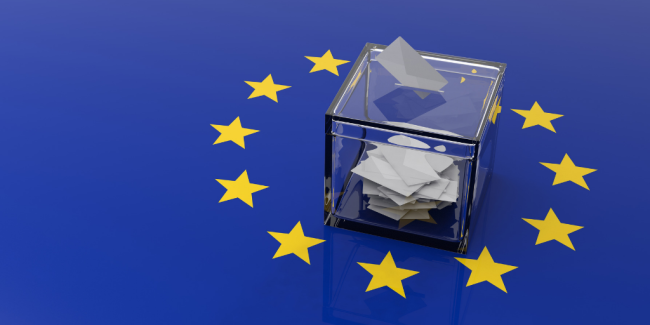
European Elections 2019: Structuring the Debate
From May 23 to 29, over 300 million Europeans are set to elect a new Parliament for a five-year term.
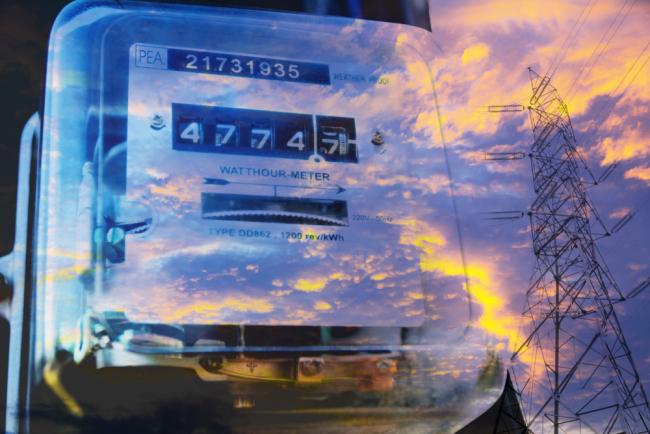
The US-EU Rivalry for Data Protection: Energy Sector Implications
The General Data Protection Regulation and the energy sector

Macron Seeks a Dose of Charlemagne to Renew Merkel Partnership
When France and Germany sign a treaty on Tuesday in the historic border town of Aachen, it will be the culmination of 16 months of work by French President Emmanuel Macron to bring the anchors of Europe closer.
Transatlantic relations in the age of "America First" (Sophia Besch)
An interview with Sophia Besch, Research Fellow, Center for European Reform.

Digital Transformation of the Industry: The Franco-German Challenge
The issue of the digital transformation of the industry provoked in France as in Germany the return of the state and the introduction of a subsidiary industrial policy. Feeling threatened in its industrial leadership, Germany mobilized its resources through industry 4.0 by building a vision around the concept of “cyber-physical system” before developing in each Land an accompanying offer. France has forged the concept of the industry of the future by following a logic of modernization of the production tool, reinforcing particularly the automation and building on the integration of new technological bricks.
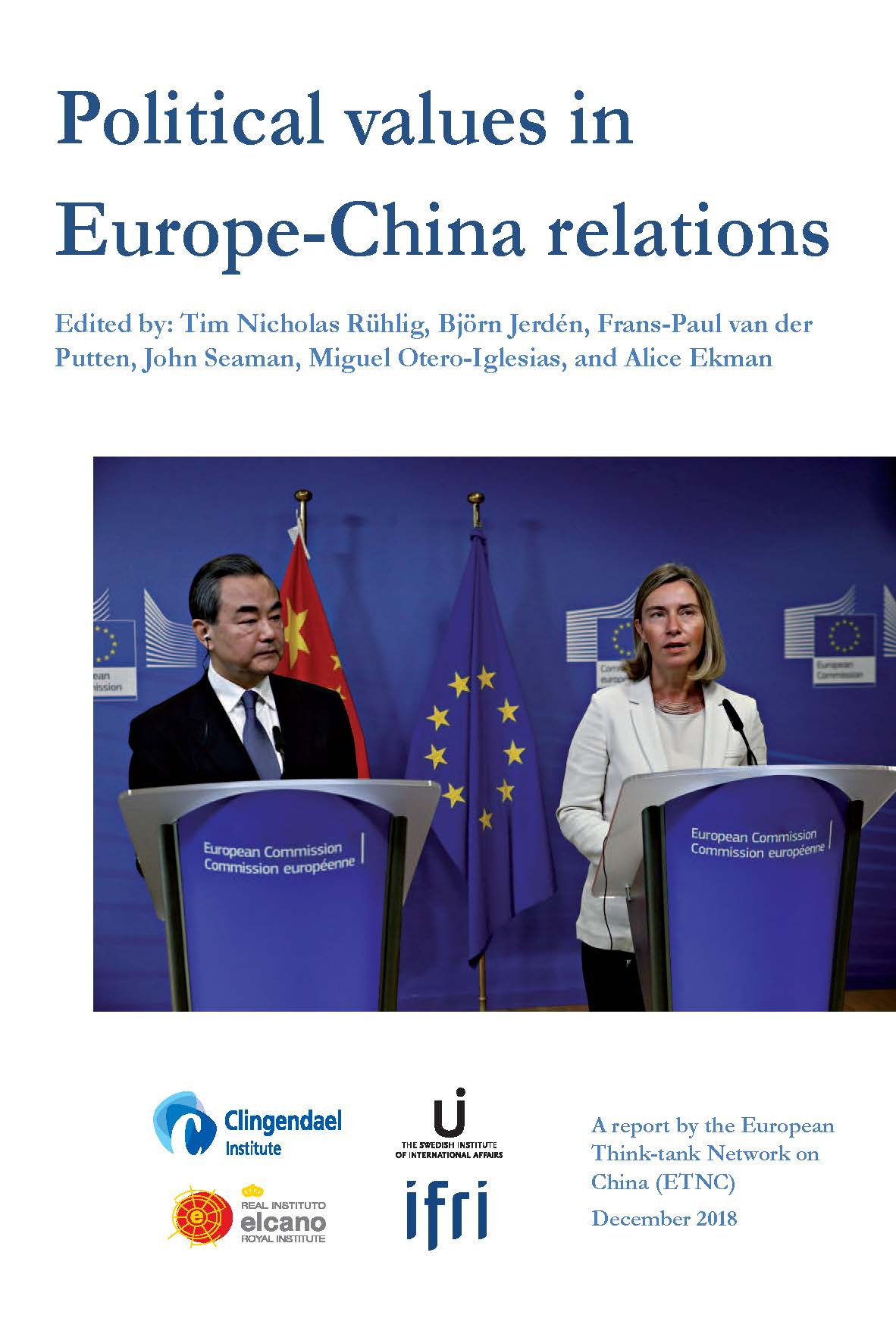
Political Values in Europe-China Relations
What role do political values play in Europe-China relations 70 years after the signing of the Universal Declaration of Human Rights?
European Strategic Autonomy: Balancing Ambition and Responsibility
For decades, Europe has been trying to chart a path away from the military competition and strategic rivalries that brought it to ruins so many times in history.
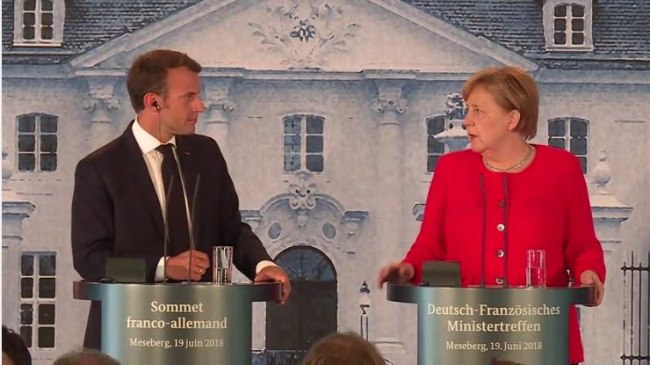
From Meseberg to Nowhere? A Franco-German Impetus for the Eurozone
This study analyses the joint efforts by France and Germany to bring about a comprehensive reform of the European currency union. These efforts culminated in the joint Meseberg Declaration adopted in June 2018. The article contextualises these efforts with respect to the reforms realised so far and the different reform options at hand. Besides questions of economic viability and institutional deficits, the article tackles issues of political feasibility.
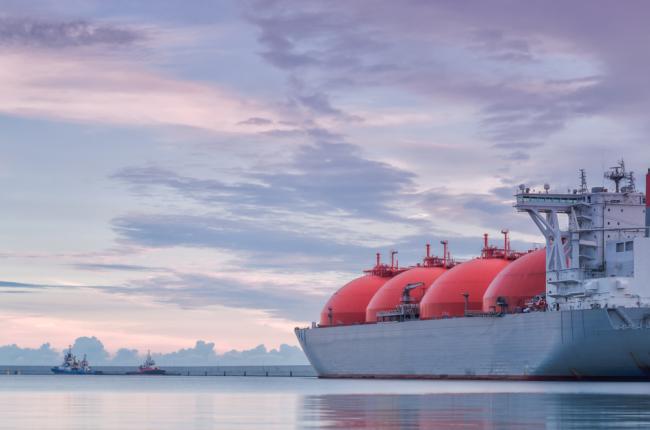
The Next Wave of Global LNG Investment Is Coming
With an annual growth of 10% in 2017 to 290 million tons (Mt) and 8.3% in the first half of 2018, Liquified Natural Gas (LNG) demand is rising faster than expected. Accounting for 44% of global demand growth in 2017, China is the main driver of the growth as the government has made natural gas a key policy choice to reduce air pollution and restructure its high-carbon energy mix.
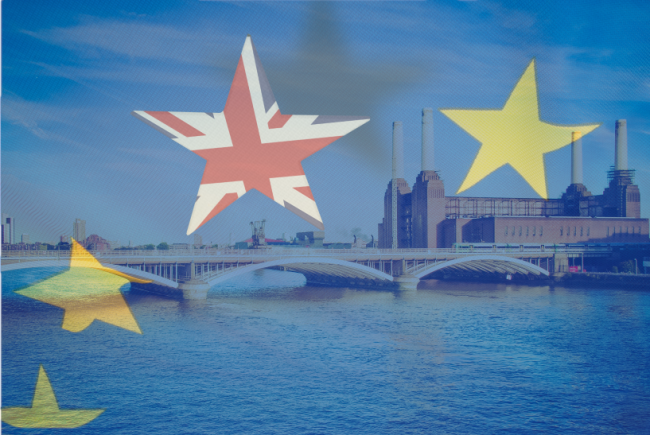
Brexit, Electricity and the No-Deal Scenario: Perspectives from Continental Europe, Ireland and the UK
When it comes to energy and electricity in particular, there can be no winner in the Brexit negotiations. The only reasonable objective should be to minimise losses and avoid trade friction.

Japan’s Hydrogen Strategy and Its Economic and Geopolitical Implications
With the Basic Hydrogen Strategy (hereafter, the Strategy) released on December 26, 2017, Japan reiterated its commitment to pioneer the world’s first “Hydrogen Society”. The Strategy primarily aims to achieve the cost parity of hydrogen with competing fuels, such as gasoline in transport and Liquified Natural Gas (LNG) in power generation.
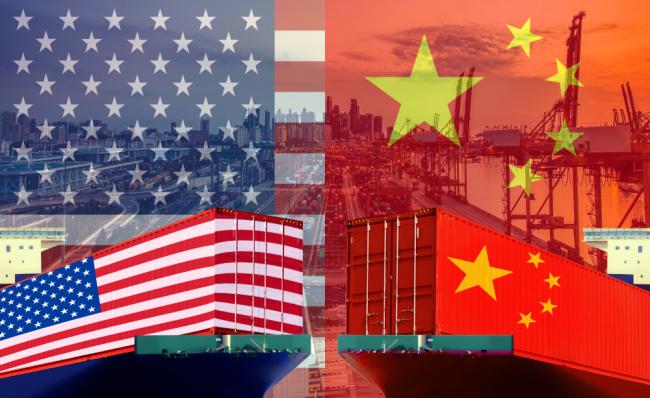
The Trump-led Trade War with China: Energy Dominance Self-destructed?
Under particular US legal rationale, such as calling foreign imports a “national security threat”, President Donald Trump has started imposing tariffs and/or quotas and has launched national security investigations on a growing number of imported goods from US allies and others alike.
Energy Efficiency: Smart but not Sexy
Marie C. DONNELLY, DG Energy, reported that the EU is “unlikely to achieve a 20% reduction on the current set of policies” [1] by 2020. According to her, based on a modelling exercise, the estimate of energy savings “would be somewhere between 9 and 11% on current policies” in spite of the contribution of the economic crisis to decreasing the EU primary energy consumption.
Galileo, the Long Road to European Autonomy
Galileo is one of the most ambitious programs ever managed by the EU. As such, it illustrates the challenges and the opportunities offered by the development of a European Space Policy at the political, industrial, economic and international level.
The Evolving Architecture of Space and Security
Today, Europe is taking initiatives both to prevent space weaponization and to develop space militarization. While national States remain the central players in this regard, the intergovernmental European Space Agency is increasingly involved in security-related activities and the European Union is showing growing political ambitions in this area.
European Defence Economy Afflicted by the Crisis
The European defence sector generates €86 billion annually - and that is only taking into account the 2009 turnover of the European defence industry for the three areas - aeronautics, land forces and naval forces.
France's Return into NATO: French Military Culture and Strategic Identity in Question
More than 40 years after the unilateral decision by General de Gaulle to withdraw French forces from NATO's integrated military command, President Sarkozy decided that France would reintegrate the Atlantic Alliance’s military structure, based on "full and complete participation". The decision was endorsed by Parliament and has generated little debate in France, while a majority of French people appear to approve of it.
Saving Wind from its Subsidies
European subsidies for wind energy are too high and unspecific. They risk frustrating their own objective.
MALE Drones: Europe's Options?
European countries, lead by France, are expected to take a decision soon on the development and acquisition of MALE drones.
Their choices will be crucial not only for the preservation of European operational sovereignty in military terms but also to guarantee the future of the European aerospace industry.
The Future of the European Monetary Fund: Any Prospects?
The European summit last week has resulted in a compromise short-term agreement for aid to Greece.
EU 2020: Can we afford another failed Lisbon Strategy? Shortcomings and future perspectives
On 3rd of March, the European Commission will publish its final proposal for the new EU 2020 strategy, which will replace the Lisbon Agenda. A few days ahead, we may ask: were lessons drawn from past mistakes? Does the current commission draft look different?
Ifri, a foundation recognized as being of public utility, relies largely on private donors – companies and individuals – to guarantee its sustainability and intellectual independence. Through their funding, donors help maintain the Institute's position among the world's leading think tanks. By benefiting from an internationally recognized network and expertise, donors refine their understanding of geopolitical risk and its consequences on global politics and the economy. In 2026, Ifri partners with over 90 French and international companies and organizations.
