




Governance and Societies
States remain essential pillars of the international system, even if they are not the only players. Governance is a local, national and international issue.
Related Subjects


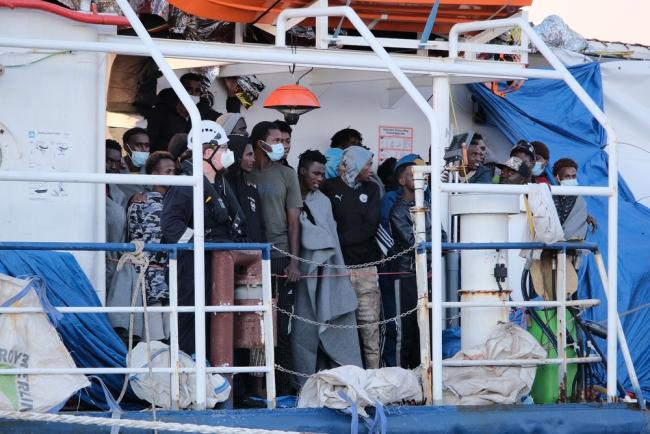
Migrants rescued in the Mediterranean: What does international law say?
After several days of diplomatic wrangling with Italy, France decided to 'exceptionally' allow the humanitarian ship Ocean Viking to dock. While maritime law requires the rescue of migrants in danger, it does not state which country should welcome them.
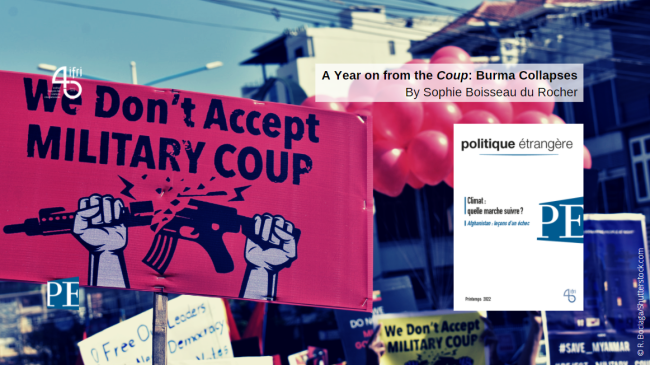
A Year on from the Coup: Burma Collapses
The February 2021 coup encountered a level of resistance that the military did not expect: demonstrations, boycotts, and a slide toward an armed resistance against repression from the authorities.
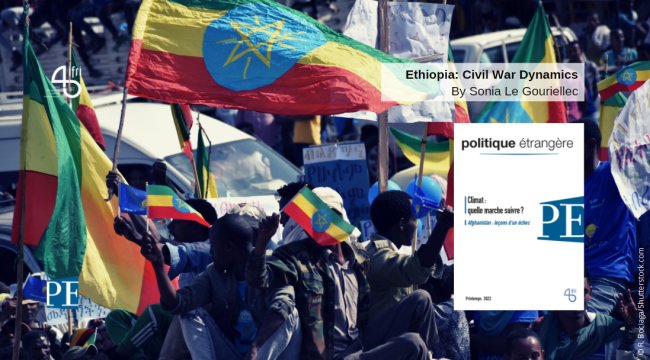
Ethiopia: Civil War Dynamics
Ethiopia has been in a state of civil war since November 2020. The hostilities have already gone through several phases.
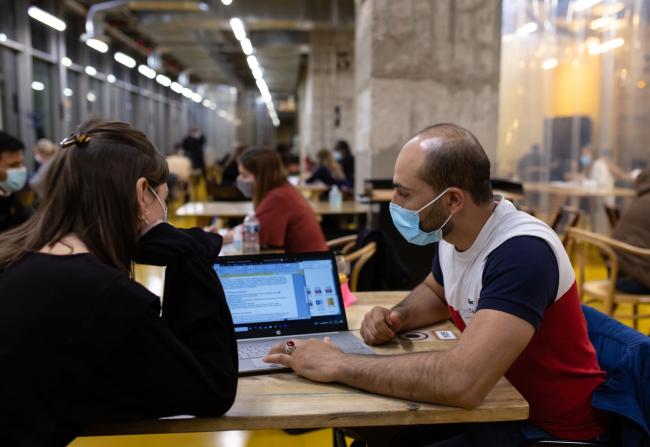
The Employment of Refugees – From Career Pathways to Company Recruitment Policies
The issues of employment and work for refugees have received increasing attention from both the political, NGO and economic spheres in France since 2017, but few studies have yet to address this subject. This study was born out of cooperation between the Observatory on Immigration and Asylum and the “Work with Refugees” collective, that brings together several French NGOs supporting refugees and asylum seekers into employment.


France: 'Precarious' employment conditions for refugees
Around 42% of refugees settled in France manage to find a job within a year of obtaining official status. But the jobs they find are often far below their skill levels, resulting in a "professional downgrade" that leads to discontent and exhaustion.

Preparing for 2050: From “Foresight” to “Grand Strategy”
China and the United States both have a “grand strategy”: Beijing aspires to be the world’s leading power in 2049, while Washington plans to remain primus inter pares.
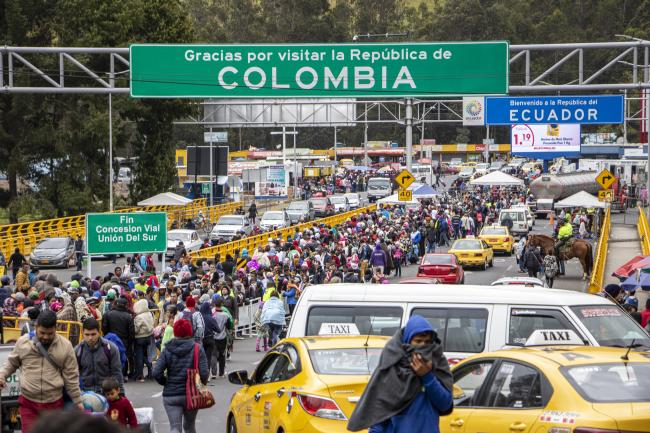
Displaced Venezuelans in Latin America: A Test of Regional Solidarity?
Since 2015, South American countries have been dealing with the greatest forced displacement in their history. More than 5.6 million Venezuelans have left their country under great hardships, fleeing deteriorating living conditions, famine, and lack of access to medical treatment and basic care. Eighty per cent of these people have gone to other South American countries, such as Colombia, Peru, Ecuador, or Chile.
Philanthropy and Migration in Europe: What Role for Foundations?
The 2015 “crisis” accelerated and/or intensified the involvement of foundations (in particular those from the private sector) in the field of migration. The crisis not only created a sense of urgency, but also generated a movement of public empathy that foundations were willing to accompany and amplify. It was also seen as a challenge to Europe and its humanist values, which foundations sought to defend in accordance with their own beliefs in inclusive societies.
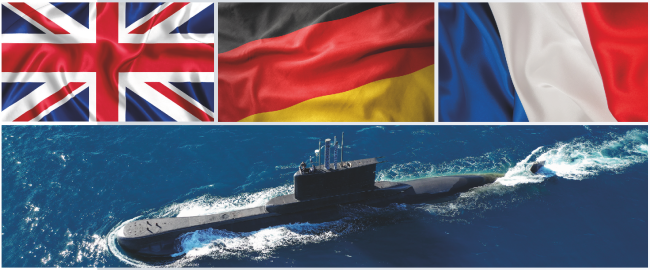
The Dilemma of Middle Powers: How AUKUS Has Reshaped the Potential for E3 Cooperation in the Indo-Pacific
The Indo-Pacific region is increasingly becoming the center of gravity of economy and geopolitics. It covers 60% of the world’s population, triggers 30% of international trade and drains 60% of global gross domestic product (GDP).
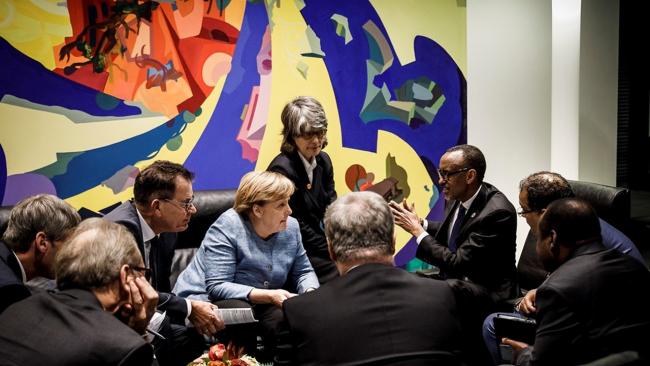
Germany’s Africa Politics: Renewal of an Unequal Cooperation?
In recent years, Germany’s Africa politics have been characterized by proactive international initiatives and the claim for a "partnership at eye level". However, a look at the power constellations of its cooperation indicates that inequalities are – contrary to Germany’s own claims – rather reproduced than reduced.
Towards Geopolitical German Development Cooperation? Recent History, Current Trends, and Future Prospects
German development cooperation (GDC) in a post-Merkel era can be expected to become more geopolitical. Recently adopted German policy documents like the Indo-Pacific guidelines as well as the support to the geopolitical ambition of the European Commission suggest such a tendency for future German policy making.
COVID-19: The Geopolitics of Herd Immunity
Mass vaccination against COVID-19 identifies several groups of countries: rich countries with rapid vaccination; countries that develop and produce vaccines, but do not prioritize vaccination of their own population; and poorer countries that will only achieve herd immunity by 2022 or 2023.

European asylum and immigration policy: what role for the Franco-German couple?
EU policy on migration and asylum is being built for the last 20 years. But this process is today on hold although France and Germany support the same position on this matter. However, the “migration crisis” in 2015 highlighted the weakness of the Franco-German alliance and the extend to which France’s support to Germany was timid although Germany was facing an extraordinary circumstances.
Chinese Diplomacy: from “Fighting Spirit” to “Warrior Wolf”
The COVID-19 pandemic has led China to develop aggressive communication, with diplomatic missions using social media extensively to spread a positive image of Chinese achievements and to criticize Western countries.
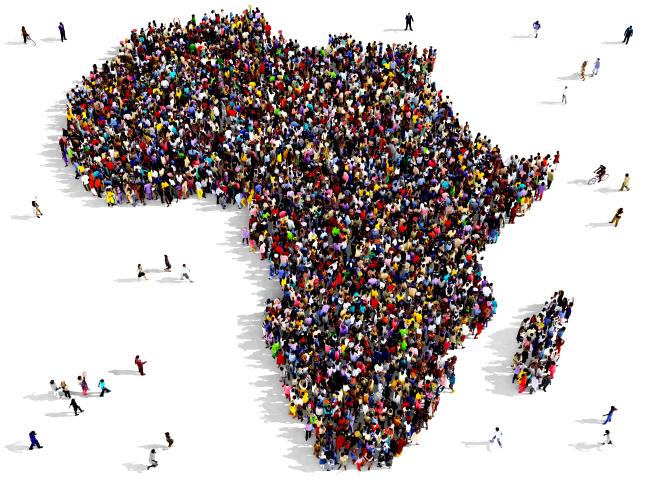
The African Union’s Migration Agenda: An Alternative to European Priorities in Africa?
While migration from Africa is the priority of European policies for the control of the European Union’s external borders, African migration dynamics are above all regional. Sub-Saharan migration is poorly connected to transcontinental flows: more than 70% remain in Africa.

How the French Understand Immigrant Integration and Citizenship
On December 9, 2020 will be celebrated the 115th anniversary of the 1905 law on French secularism (laïcité). On the very same day, a new law project will be presented by the French government, with the objective of further strengthening the “republican values” in order to fight against so-called “Islamist separatism” within French society.

Why do migrants still leave northern France to head to UK?
Migrants who head to the United Kingdom often see it less as a panacea than a last-ditch means-to-an-end, according to Matthieu Tardis, an expert in migration policy at the French Institute of International Relations (IFRI).

Europe still mired in division after migrant crisis
Since taking in more than a million people fleeing war and poverty in 2015, Europe has stepped up border controls but still falls short on common migration and asylum policies.

Immigration in the EU and the US: Comparing Border Policies
Both in the US and in Europe, border control has become one central component of immigration and asylum policies with seemingly the same objective: preventing irregular entries of migrants and refugees. This trend has accelerated in recent years, with ever stricter border controls, more detention of migrants and refugees, the use of the notion of “safe third country” and partnerships with third countries, some of which now play a pivotal role in controlling the borders of their US and European neighbors, such as Turkey and Mexico.
What are the differences and similarities in the policies implemented in the EU and the US? What is their impact on the fundamental rights of migrants and refugees? In both contexts, what relative weight is given to the rights of migrants and refugees on the one hand, and to border enforcement measures on the other? Finally, what long-term consequences will the COVID-19 crisis have on border policies in both cases?
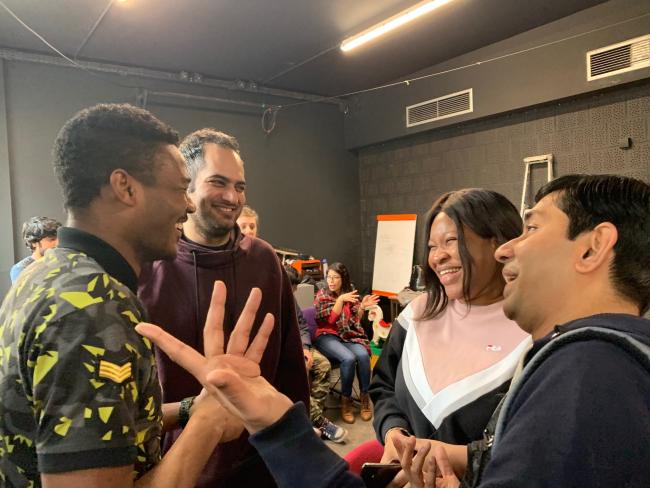
Migrant and Refugee Participation: Approaches to Rethinking Integration Policies
In France, people participating in policies and programs that affect them is not a new concept. It has been widely studied in the field of social work and the fight against poverty, and is at the heart of many experiments. How can this concept of participation, as is outlined for people experiencing poverty, be applied to refugees and migrants? Does the participation of refugees and migrants present specific characteristics?

Will Trumpian Authoritarianism Lead to a Constitutional Crisis?
Since his return to the White House on January 20, 2025, President Donald Trump has signed around sixty executive orders to implement his political agenda. Numerous other measures have also been introduced by the White House and the new Department of Government Efficiency (DOGE) as part of these orders.

From Conservative Nationalists to Tech-Libertarians: Far-Right Ideologies in the Trump 2 Administration
The officials and advisers of the Trump 2 administration represent diverse ideological currents, some of which are relatively new to Washington.
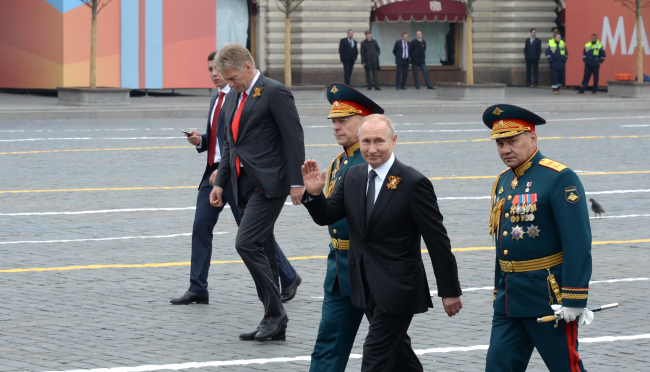
Commanders of Putin's Long War: Purged, Reshuffled and Disgruntled
The trend of reshuffling the Russian top military command in the course of a fast-evolving and far from successful war has progressed unevenly both across the Armed Forces’ structures and in time. The rationale for and timing of the abrupt cadre decisions made by Commander-in-Chief Putin often defy logical explanation, and the rare official clarifications are no more informative than the usual information blackout.
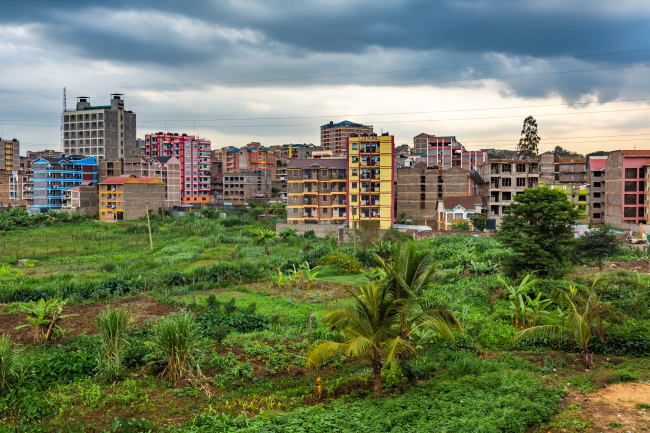
Barriers and Adaptations To Rural-Urban Mobility: A Focus of the Milk Value Chain in Peri-Urban Nairobi, Kenya
Kenya has per capita milk consumption of 110 litters of milk per year, making the inhabitants the largest milk consumers in sub-Saharan Africa. The daily sector requires functional infrastructure adapted to weather conditions, as well as affordable and easily accessible means of transport. However, only 18% of Kenya's road network is considered to be in good condition . As a result, farmers take alternative routes, reduce the number of trips, or limit their sales to the urban periphery. The daily transport of milk along the 47-kilometer urban-rural continuum in the peri-urban area north of Nairobi illustrates the reciprocal links between urban and rural areas and the dynamics of peri-urbanization. The challenges of the flow of milk along the value chain are intrinsically linked to those of mobility, which creates the connection between production, the exchange of goods and services, and consumption.
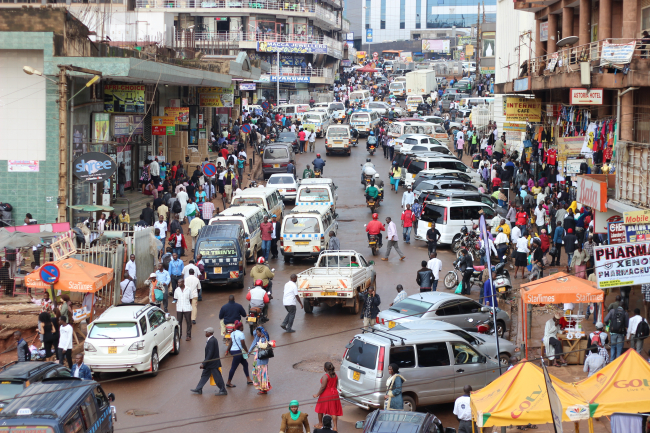
City Diplomacy and Human Mobility in Africa. Protecting Refugees and Migrants along the Central Mediterranean Route from the East and the Horn of Africa
Cities face constraints to work on migration and refugee issues, often due to a lack of decentralisation and resource constraints. Adopting an inclusive city approach can safeguard local authorities’ commitment towards providing protection to residents regardless of status, while not overstepping legal mandates.
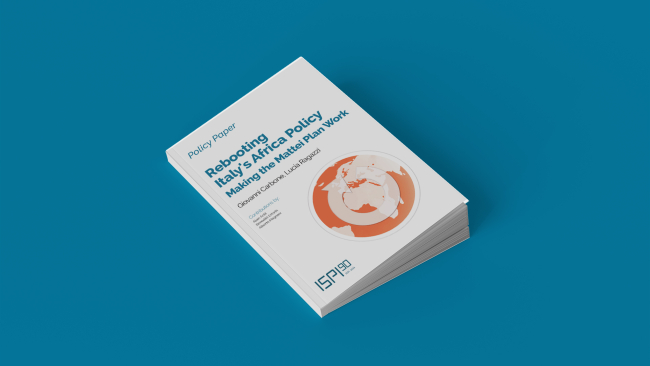
Rebooting Italy's Africa Policy: Making the Mattei Plan Work
Against the backdrop of increasing anti-French rhetoric across parts of Francophone Africa, the relative failure of the counterinsurgency operation in the central Sahel (Operation Barkhane) and diplomatic rifts with several Sahelian countries, Paris has been rethinking its relationship with the continent for several years now. As a former imperial power that has seen its colonial domain in Africa gain independence between 1956 (Morocco-Tunisia) and 1977 (Djibouti), France has invented two successive roles for itself in Africa since 1960, particularly in French-speaking sub-Saharan Africa.
From Crisis Hotspots to Convening Powers. African Cities Launch Diplomacy to Create Climate Mobility Partnerships
African local governments cannot afford to turn into climate mobility hotspots without taking proactive action – drawing on local knowledge, convening power and access to affected communities.
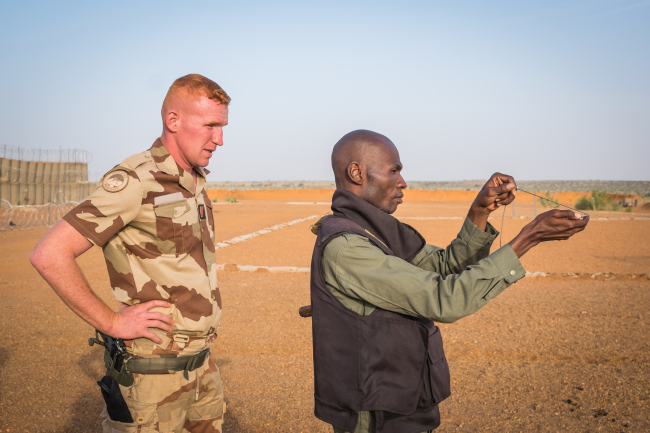
The dilemma of the Franco-African military relationship: reinvent or turn the page?
The origins of military presence and cooperation in Africa can be traced back to the tacit decolonization pact between the countries of French-speaking Africa. This cooperation led to the creation of African armies in the former colonies, as part of a project to prevent the spread of communism and maintain France's influence in the newly independent countries.
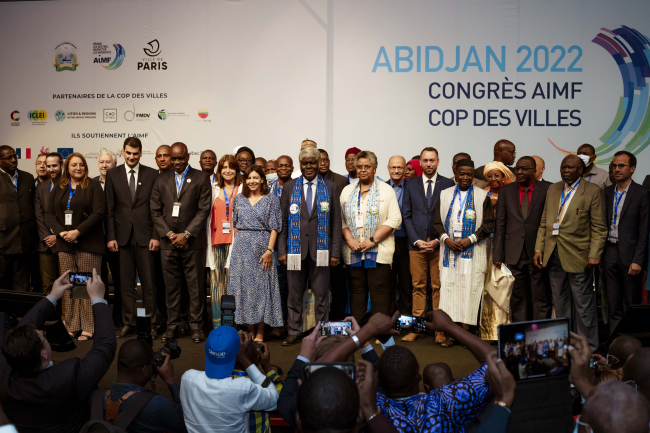
The Evolution of City Diplomacy in Africa: Impact, Potential, and Ongoing Challenges of African Cities’ International Activities.
Over the past decades, African cities have ranked among the leading players in the evolution of city diplomacy. Indeed, municipalities across the continent have gone beyond simply adapting to shifting trends in international cooperation. They have been shaping the current partnership approach that sees local authorities worldwide working together to pursue shared goals and address common urban challenges such as climate change, migration, and social justice.
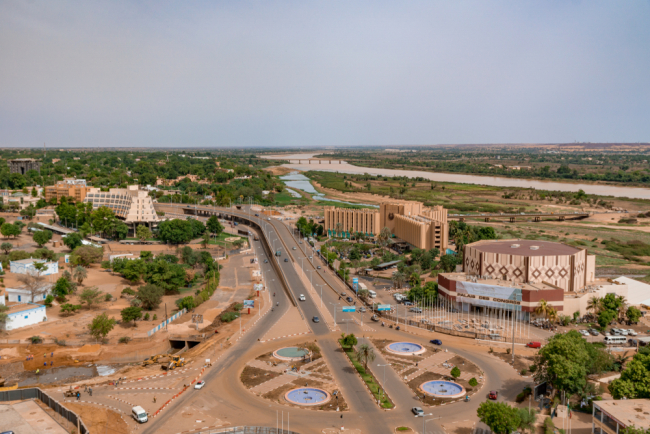
The High Authority for Peacebuilding (HACP) in Niger 2011-2023. Placing the State at the heart of conflict prevention and management.
Like other Sahelian countries, Niger has been affected by terrorism for almost two decades now. This issue has highlighted both the limits of these countries’ security systems and, more profoundly, their inability to offer stability to the populations of certain parts of the country. In a way, these “jihadized insurgencies” are a continuity of groups that regularly take up arms against central states.
Ifri, a foundation recognized as being of public utility, relies largely on private donors – companies and individuals – to guarantee its sustainability and intellectual independence. Through their funding, donors help maintain the Institute's position among the world's leading think tanks. By benefiting from an internationally recognized network and expertise, donors refine their understanding of geopolitical risk and its consequences on global politics and the economy. In 2026, Ifri partners with over 90 French and international companies and organizations.
