




Practical information
Accessibility
Themes and regions
Related centers and programs
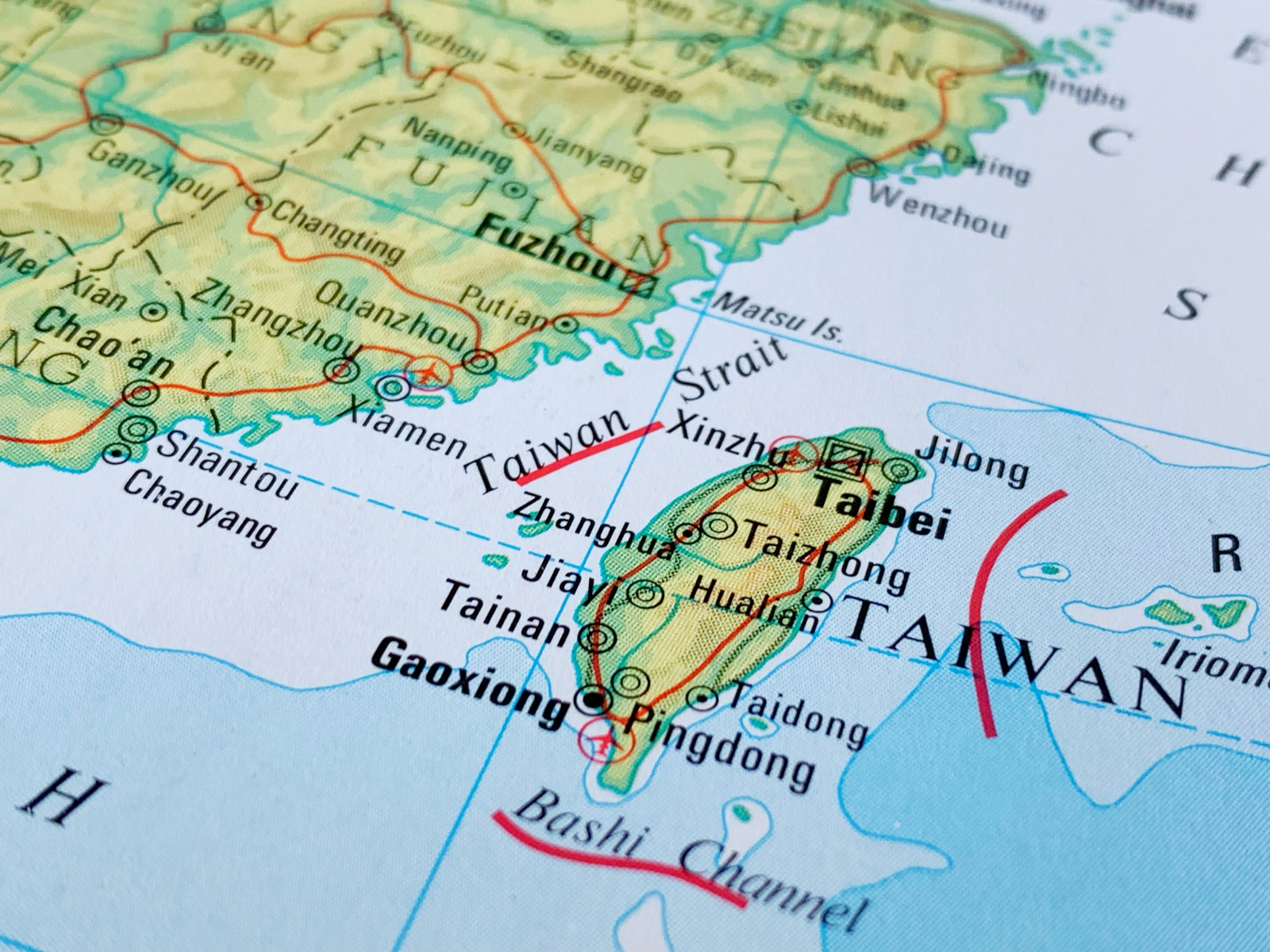
As tensions in the Taiwan Strait continue to rise, what will be the US strategy under the new Trump presidency?
During the first Donald Trump presidency, the United States and China entered more squarely into an age of strategic competition. The Trump I administration is often considered the most Taiwan-friendly US administration in modern times, but as the Trump II administration takes shape, the strategic context in the Western Pacific has evolved, raising questions about what approach Washington will now take in its relations with Taiwan. In particular, China has emerged as a more formidable competitor and is flexing ever more its muscle around Taiwan, increasing the size, scope and frequency of military exercises designed to simulate a blockade or full-scale invasion of the island.
The consequences of war in the Taiwan Strait would be devastating for the region and the world, underscoring the importance of managing relations between the US, China and Taiwan. What can be expected from the Trump II administration in this regard? How might Taiwan manage relations with its all-important American partner? Does Europe have a role to play?
Speakers:
- Dr. Che-Chuan Lee, Research Fellow, Institute for National Defense and Security Research (INDSR), Taïwan
- Dr. Neysun A. Mahboubi, Director, Penn Project on the Future of U.S.-China Relations, University of Pennsylvania, United States
Discussant:
- Ms. Maïlys Pène-Lassus, Reporter, Nikkei Asia, Paris
Chair :
- Dr. Marc Julienne, Director, Center for Asian Studies, Ifri
This seminar will be held in-person, with an online option for the audience.
Replay
Contact
John SEAMAN
Research Fellow, Center for Asian Studies, Ifri

Find out more
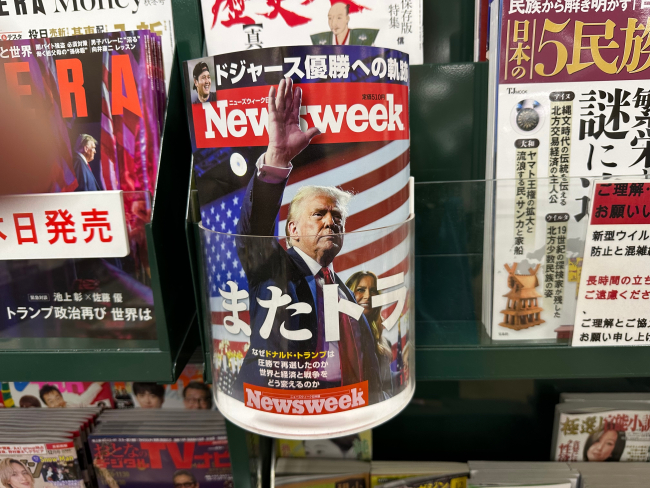
The Indo-Pacific and Trump II. In Uncle Sam’s brutal embrace
In this collective analysis, the research team of the Center for Asian Studies presents a synthetic and non-exhaustive assessment of the relations taking shape between the United States under the Trump II administration and some of the main players in the Indo-Pacific.
Related Subjects
Other events
COP31 in Antalaya: State of the Global Climate Governance, Issues, Perspectives
COPs have become a year-end marathon to revigorate a world now entering the era of climate overshoot. While Türkiye exhibits the largest coal-fired power generation in OECD Europe, it has embraced the electrification agenda and aims at joining forces with Australia on fostering action and implementation. This is an unusual de facto co-presidency arrangement, but one that could yield promising results. This webinar will take stock of what climate governance has achieved and of the issues still to be negotiated, and explore what impetus this Turkish–Australian partnership could provide.
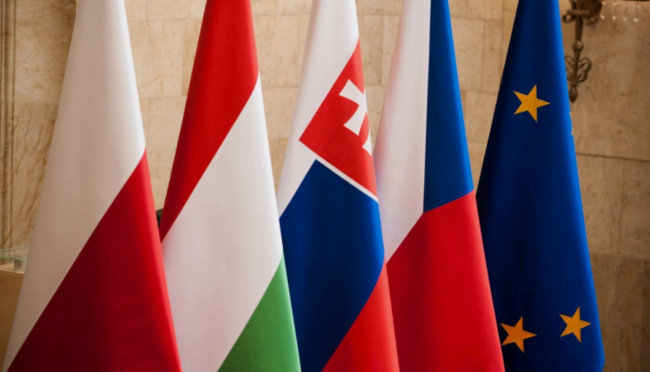
A New Moment for Central Europe? Regional Cooperation in a Time of European Strategic Choices
Recent political developments in Central Europe have revived the debate about the future of regional cooperation and the Visegrád Group. Changes in Hungary, Poland, the Czech Republic and Slovakia, together with Austria’s growing interest in closer cooperation with its neighbours, could create new opportunities for dialogue and coordination around shared priorities.