







Titre
Events
Filter results

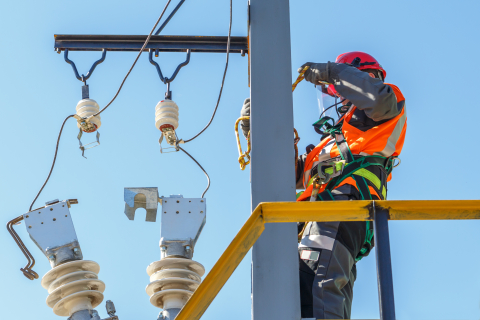
Cracking the dilemma of international carbon credits in the EU 2040 target: can EU’s climate action turn geopolitical without losing domestic integrity?
With COP30 just around the corner, and as the EU is debating its 2035 NDC and 2040 targets, EU faces a key strategic dilemma of whether international carbon credits should be included in its 2040 emissions reduction target and if so, under which conditions?
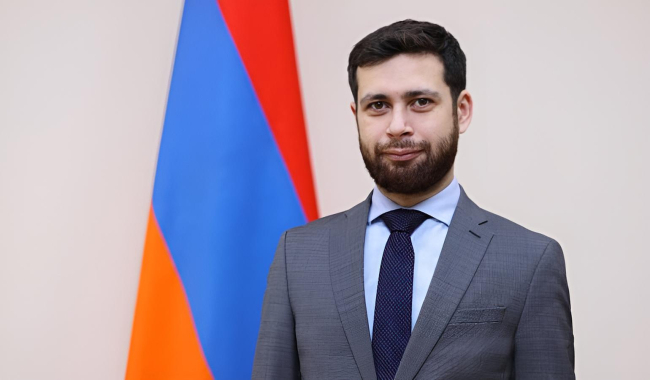
Armenia at the Heart of the Changing Regional and Global Geopolitical Context
At the crossroads of regional dynamics in the South Caucasus and global geopolitical tensions, Armenia faces a necessary strategic repositioning.
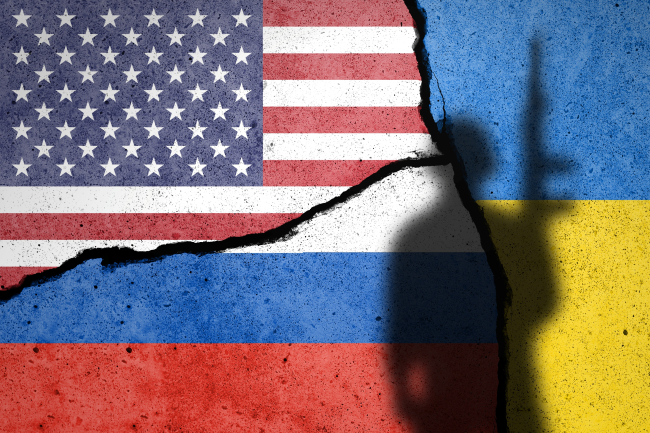
War in Ukraine, continuation or end?
After more than three years, the war in Ukraine knows neither victor nor vanquished. However, the balance of power is gradually being reversed in the triple context of Russia’s resilience, Donald Trump’s arrival in the White House, and the consequent weakening of transatlantic ties.
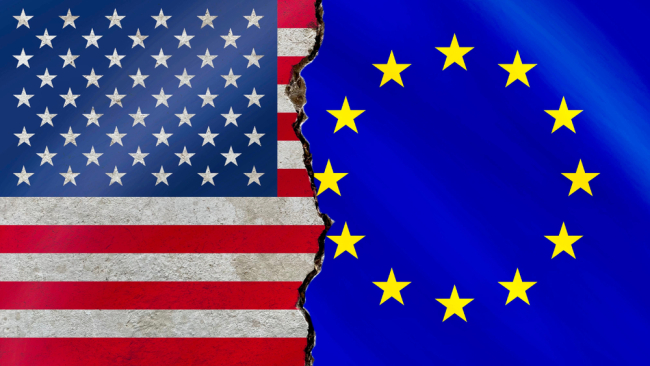
Europe in turbulence: navigating a new world order without the United States?
The foundations of the post-1945 international order, long anchored by U.S. leadership, are shifting. Amid intensifying geopolitical rivalry, democratic backsliding, and strategic fatigue in Washington, the question arises: what if the United States no longer plays its pivotal role in international security? Simultaneously, the Global South is asserting new political and economic agency, complicating the old binaries of West vs. Rest. For Europe, this landscape is both a challenge and an inflection point.
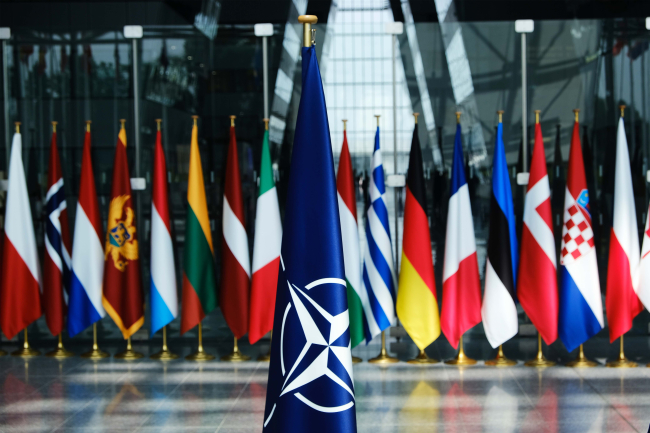
Assessing the Balance of Power between Europe and Russia
The evolving U.S. strategic posture and the intensification of the war in Ukraine are reshaping the security landscape in Europe. This context calls for a clear assessment of the balance of power between Europe and Russia.
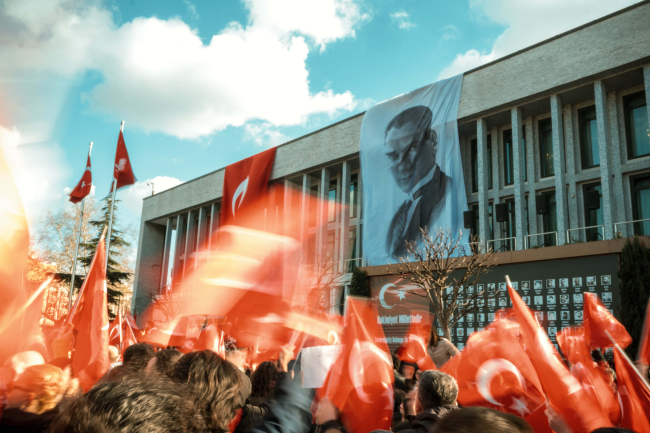
The Resurgence of Risk in Turkey
Turkey has entered a new phase of turbulence. The arrest of Istanbul’s mayor, Ekrem İmamoğlu, on March 19, 2025, triggered a broad protest movement, which the main opposition party, the CHP, is attempting to organize. In parallel, the government continues its peace process with the PKK — a development that could profoundly reshape the country’s political landscape.
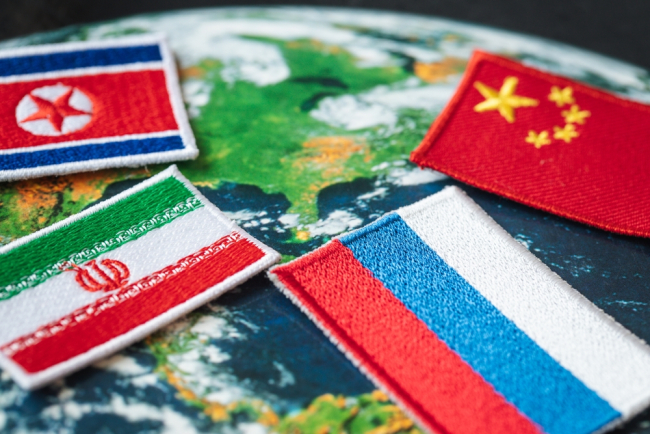
Russia, Iran, China, North Korea: The Nuclear Dimension of the Axis of Upheaval
In an international context marked by the resurgence of power rivalries, cooperation between Iran, China, Russia and North Korea is attracting increasing attention.
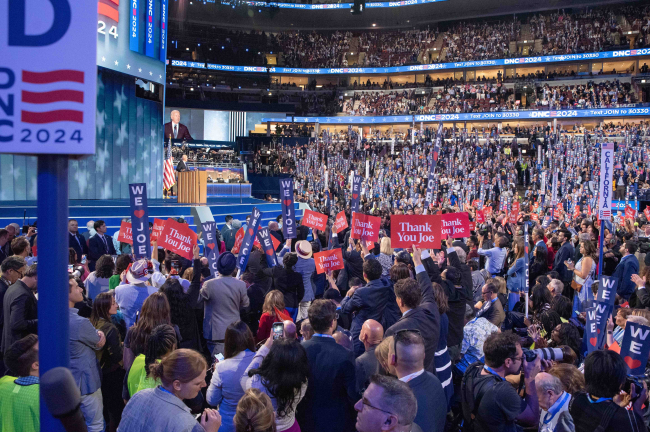
U.S. Politics: Why Are Democrats Unable to Come Up with a Project?
As President Trump's approval rating stagnates in the polls and with 18 months remaining before the November 2026 midterm elections, why is the Democratic Party unable to offer a credible and compelling alternative to middle-class American voters? On what issues and around which figures could the radical left and the moderate left find common ground by then?
Energy market trajectories amidst global turmoil
2025 is already characterized by the accelerated erosion of the West and global fragmentation on energy and climate policies, security, trade and governance. Ten years after the Paris Agreement, greenhouse gas emissions continue to rise and the United States is once more preparing to exit the global climate governance, while coal has again passed another consumption record in 2024. Yet annual clean sector investments are finally nearing the 2 trillion $ mark, notably driven by energy security and industrial policies.
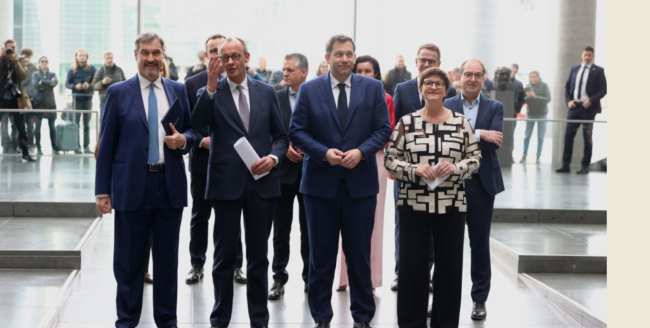
Debate series "What matters to Germany" The return of the "grand coalition" - What German leadership in an uncertain world?
The new German government, a "grand coalition" likely led by Friedrich Merz, will have to navigate a complex international environment, marked notably by a disruption of transatlantic relations. The Trump administration's attacks on traditional U.S. allies, the rapprochement between Washington and Moscow, as well as the uncertainties surrounding the future of NATO, are shaking the paradigms of German foreign policy.
Event Series
Brown Bag Seminar Series
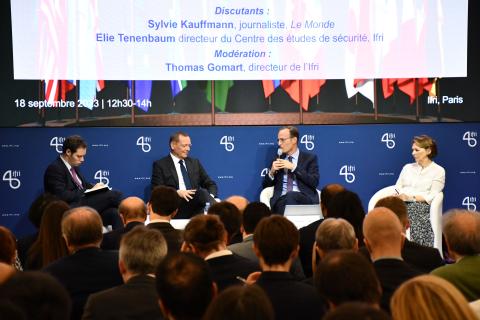
The Ambassadors’ Table
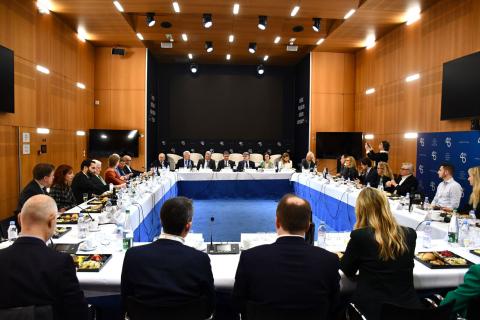
Expert Briefings

Executive Chairman’s Events
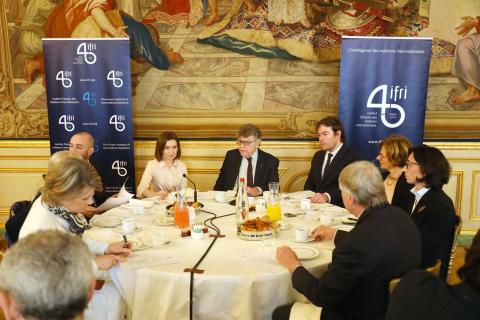
Ifri's Corporate Table
Latest retrospectives
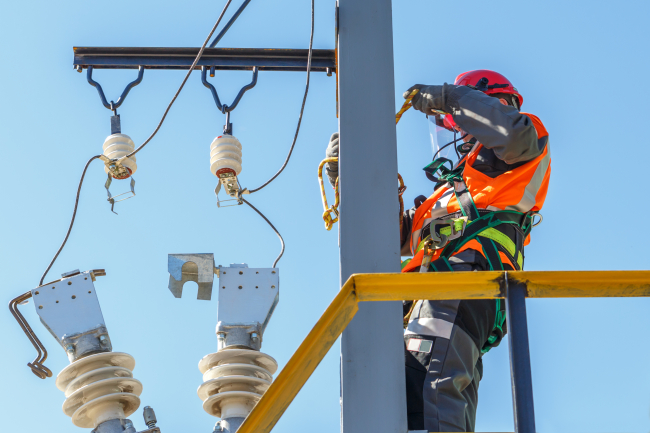
The Road to 27 Electrification Action Plans: Planning and Investing in Europe’s Electric Future
The European Commission’s Electrification Action Plan places the continent on an electric path to structurally reduce dependence on fossil fuel imports and boost the energy transition in industry, transport and buildings.
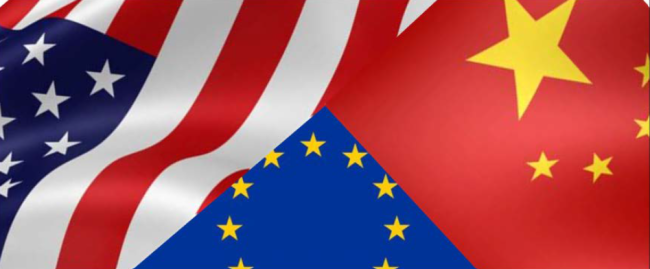
The EU in a World of Economic Warfare: Trade, Geopolitics, and the Battle for Economic Sovereignty
The international trading system has become a primary theatre of geopolitical competition. Tariffs, sanctions, and technology controls have replaced dialogue as the default instruments of economic relations.
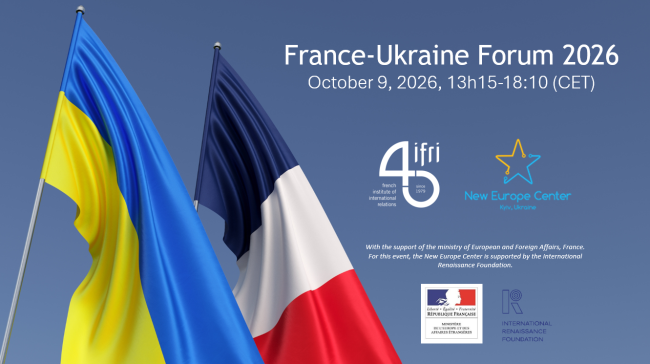
France-Ukraine Forum 2026
More than four and a half years after the start of the full-scale war launched by Russia against Ukraine, the 2026 France-Ukraine Forum will bring together policymakers, experts, academics, and civil society representatives from both countries to discuss three main topics: the formats and conditions for a lasting diplomatic settlement; Ukraine’s Euro-Atlantic integration, encompassing both the EU accession process and closer ties with NATO; and the societal transformations of postwar Ukraine, as well as its prospects for reconstruction.
Titre événement en image
Ifri in Pictures
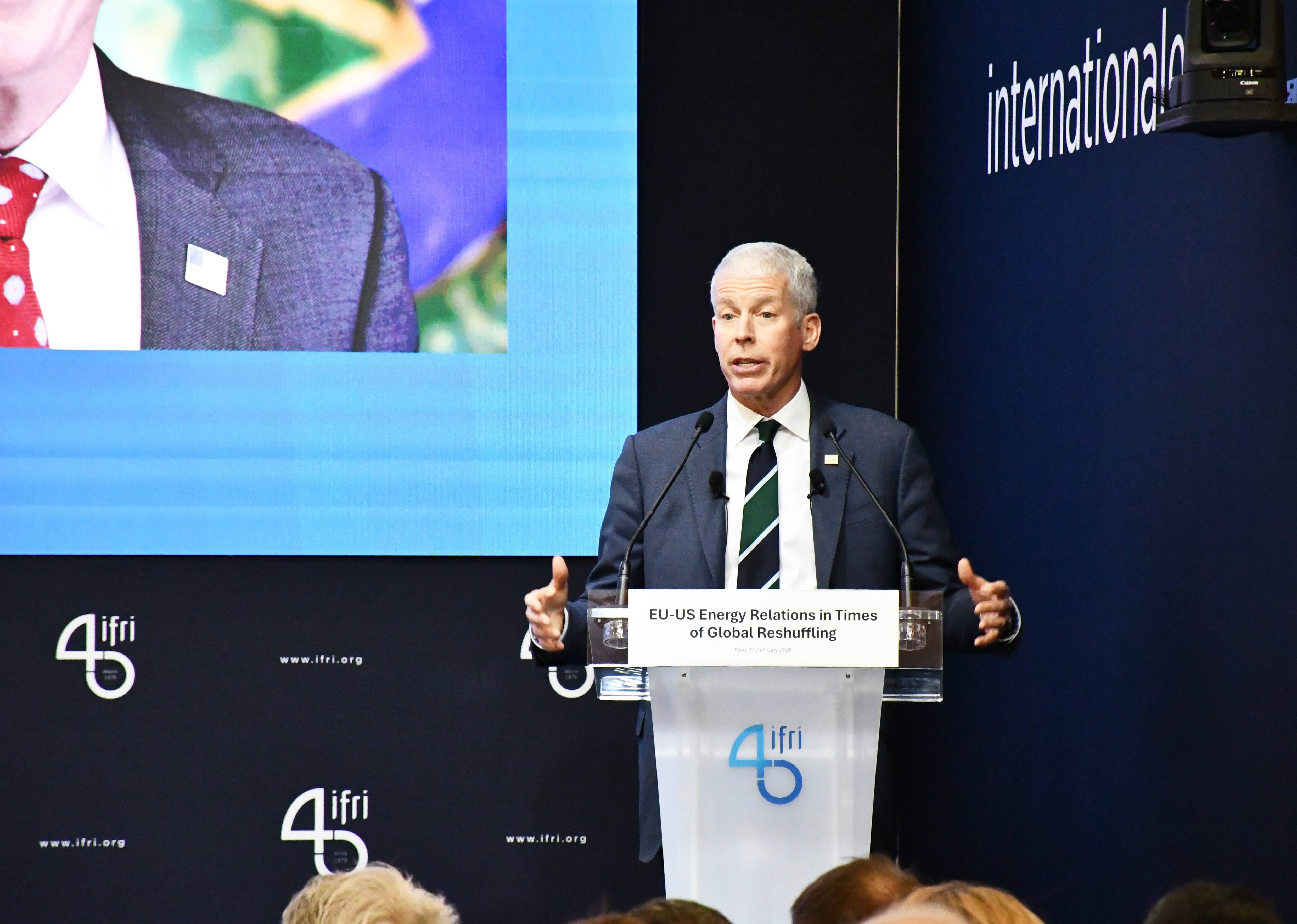
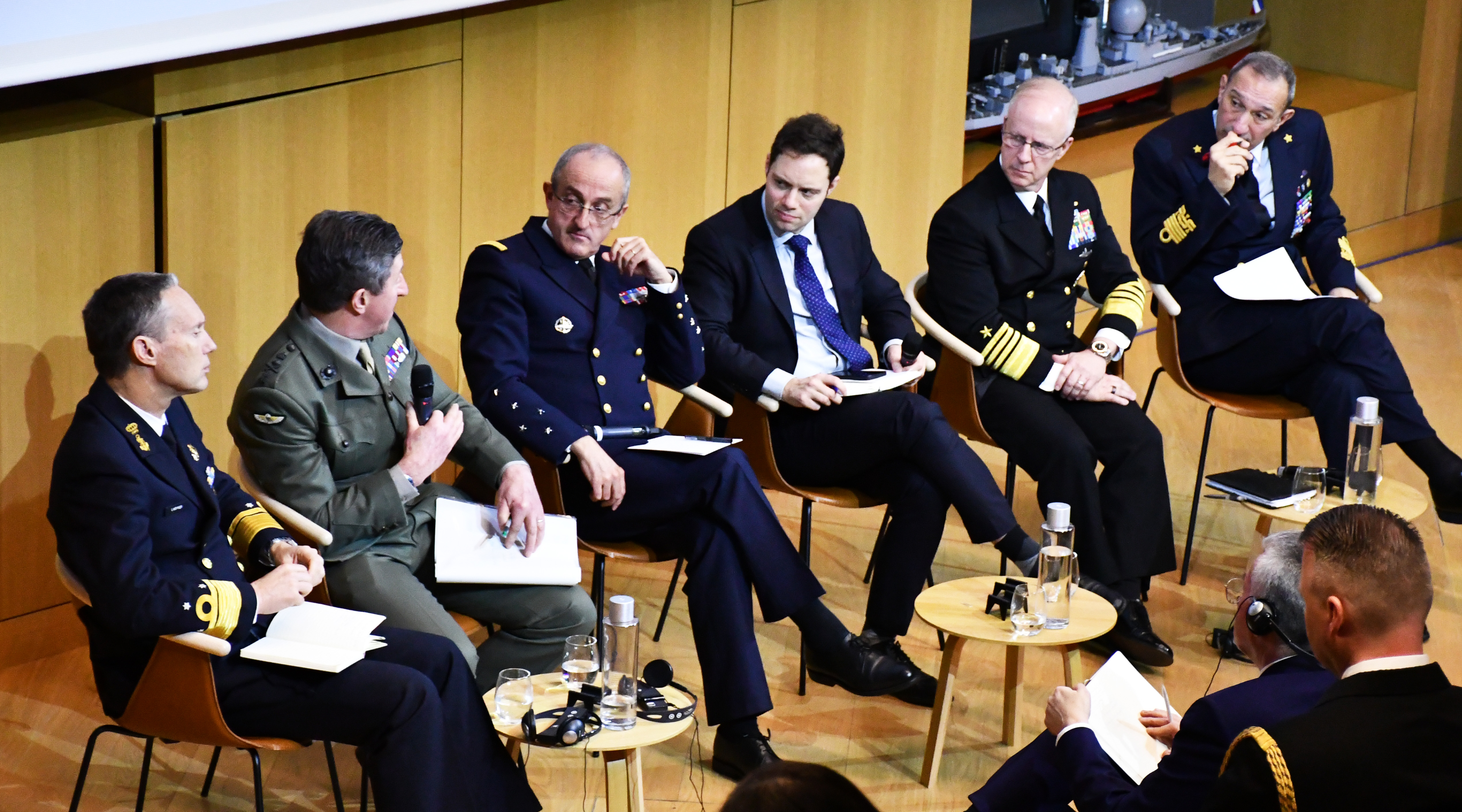
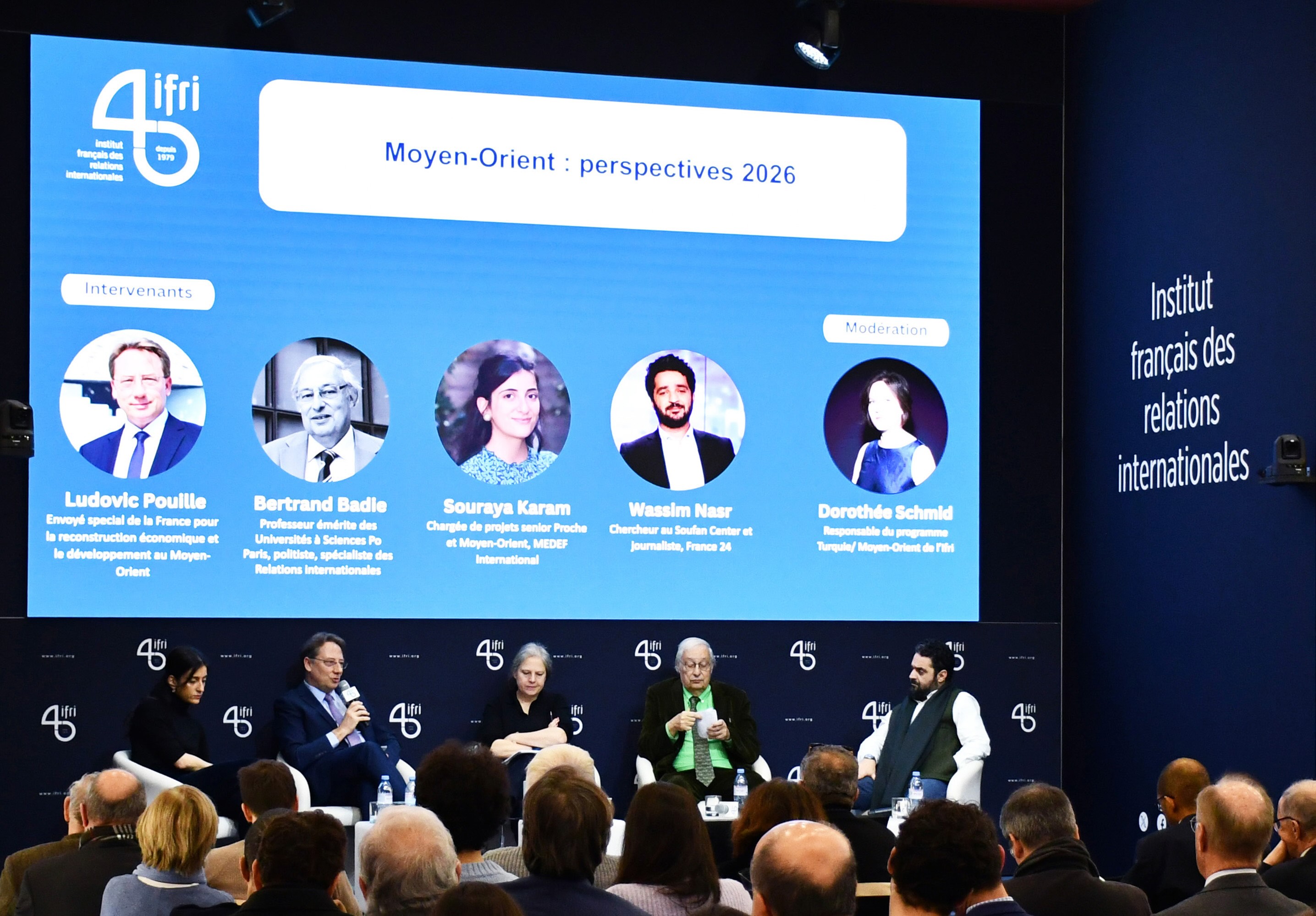
Ifri, a foundation recognized as being of public utility, relies largely on private donors – companies and individuals – to guarantee its sustainability and intellectual independence. Through their funding, donors help maintain the Institute's position among the world's leading think tanks. By benefiting from an internationally recognized network and expertise, donors refine their understanding of geopolitical risk and its consequences on global politics and the economy. In 2026, Ifri partners with over 90 French and international companies and organizations.