





Titre
Events
Filter results
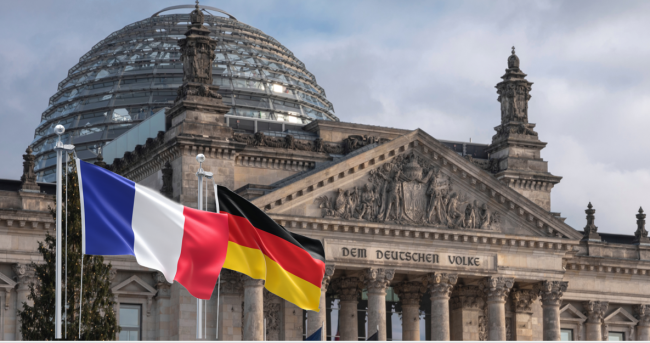
70 Years of Franco-German Relations: Between Heritage and Future Challenges
The Study Committee on Franco-German Relations (Cerfa) is celebrating its 70th anniversary this year.
The Cerfa was created in 1954 by an intergovernmental agreement between the Federal Republic of Germany and France, against a backdrop of Franco-German reconciliation. Belonging to the French Institute of International Relations (Ifri) since its creation in 1979 by Thierry de Montbrial, it is one of its pillars.
The Future European Space Law: a New Model of Development?
As a new European Commission prepares to define the Union's strategic priorities, the objectives and content of the future space law are being called into question. How can Europe respond to the new economic, geopolitical and ecological challenges posed by space?
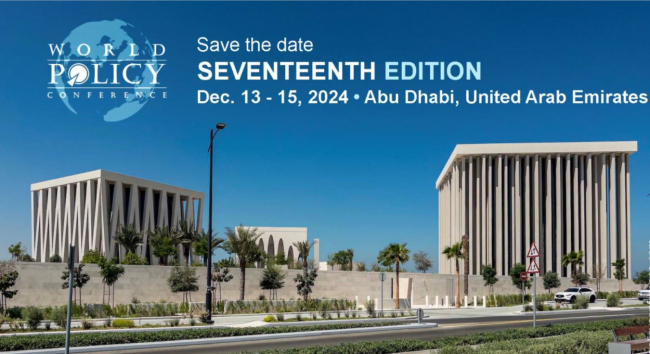
17th edition of the World Policy Conference - Abu Dhabi, United Arab Emirates
Founded in 2008 by Thierry de Montbrial, Chairman of the French Institute of International Relations (Ifri), the World Policy Conference (WPC) will be holding its seventeenth edition on December 13-15, 2024, in Abu Dhabi, United Arab Emirates.

The Privatization of Security in Central and East Africa
Many states in sub-Saharan Africa face situations of fragility that have led them to withdraw from some of their responsibilities, including their core sovereign functions. This withdrawal has opened the door to a plurality of national and international actors, both for funding and operational activities (NGOs, associations, private companies, international organizations, etc.). This trend, which varies in form and intensity across countries, has not spared the security sector.
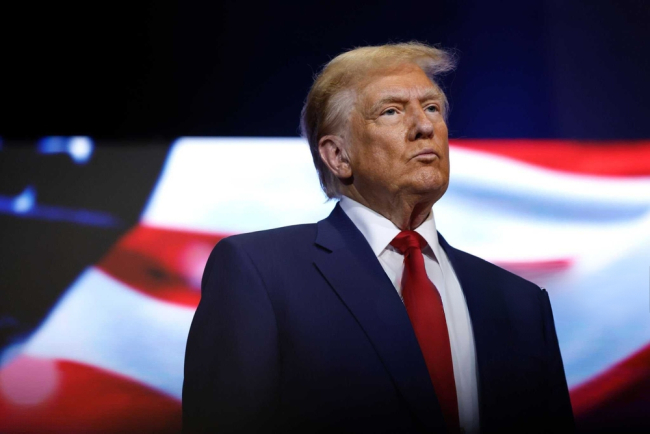
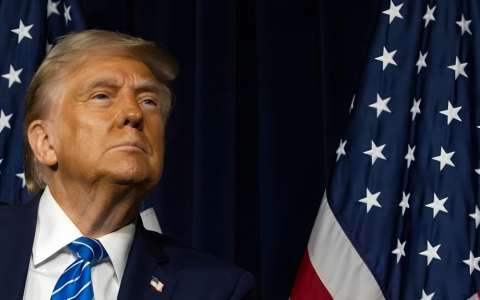
What to expect from the Trump 2 administration?
Donald Trump's re-election to the White House is an extraordinary event that reshuffles the cards of the American political landscape.
The 23rd edition of the Ifri's Annual Conference on the United States will seek to better understand the significance and consequences of this election in terms of the country's economic and trade policy, the reshaping of its domestic political balance, as well as its foreign policy and transatlantic relations.
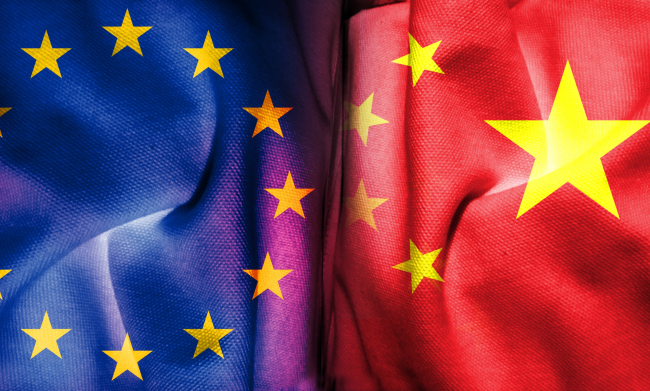
EU member states facing China’s economic statecraft
Lithuania provides a useful case study in China’s use of coercive economic and diplomatic pressure in pursuit of its foreign policy goals.
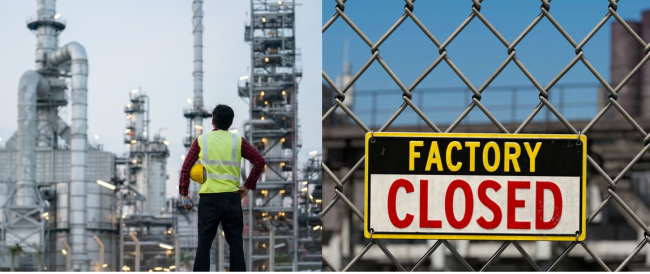
Fragilized Clean Tech Supply Chains, Weakened Industries: the EU under Pressure
The Clean Industrial Deal will need to square the circle of industrial resilience, competitiveness, reindustrialization, innovation and decarbonization. The circular economy act can be paramount in this respect, alongside winning the battle of the electricity system expansion and decarbonization, and of supplying competitive low carbon molecules.
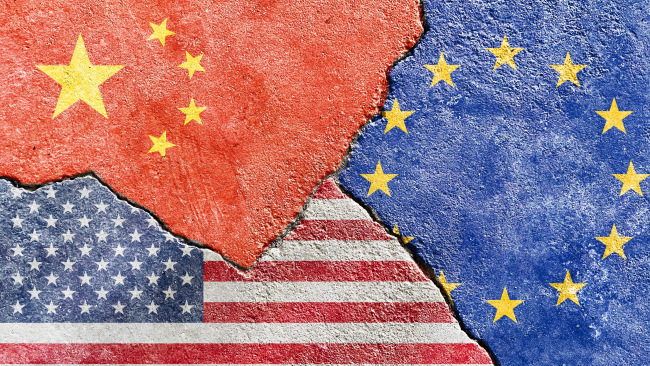
The European Union in Competition with the United States and China. How to Balance Free Trade, Competitiveness and Economic Security?
As the geopolitical context has changed, so has the approach to international economic relations and the rules-based multilateral framework. Covid and Russia’s war against Ukraine have exposed the risks of extended supply chains and of having become dependent on a single supplier.
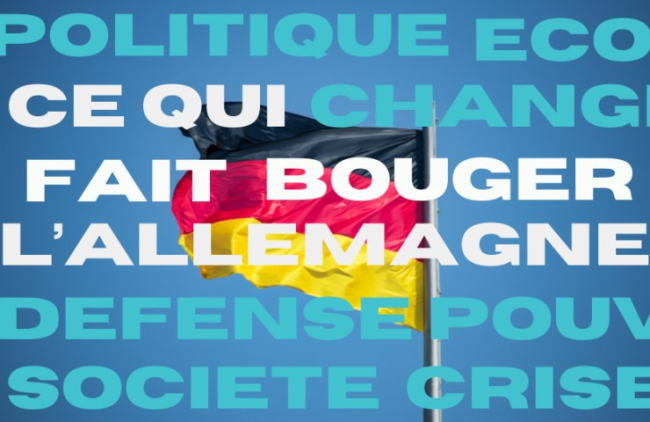
The End of the “Traffic Light” Coalition: What can we Expect From the Early Federal Elections?
At the beginning of November 2024, barely three years after the formation of the “ Traffic Light ” Coalition between the Social Democrats, the Greens and the Liberals, the dismissal of Finance Minister Christian Lindner by Chancellor Olaf Scholz led to the end of this tripartite coalition.

Shaping Europe’s Technological Sovereignty
In the wake of Donald Trump's re-election in the United States, Europeans face a crucial imperative: rethinking their sovereignty, especially in the technological realm. What will be the strategic priorities and action levers of the new European Commission on this issue? What assessment can we make of the previous Commission’s achievements and challenges in navigating Sino-American technological competition, transatlantic dependencies, and emerging global partnerships?
Event Series
Brown Bag Seminar Series
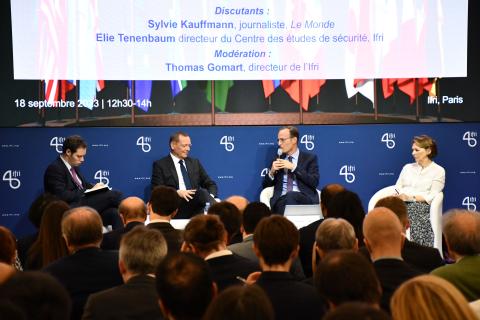
The Ambassadors’ Table
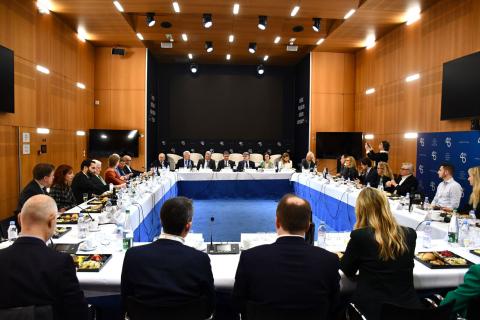
Expert Briefings

Executive Chairman’s Events
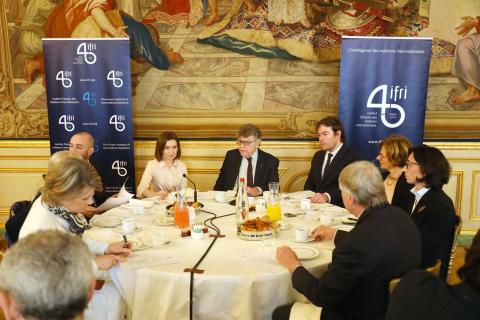
Ifri's Corporate Table

Latest retrospectives
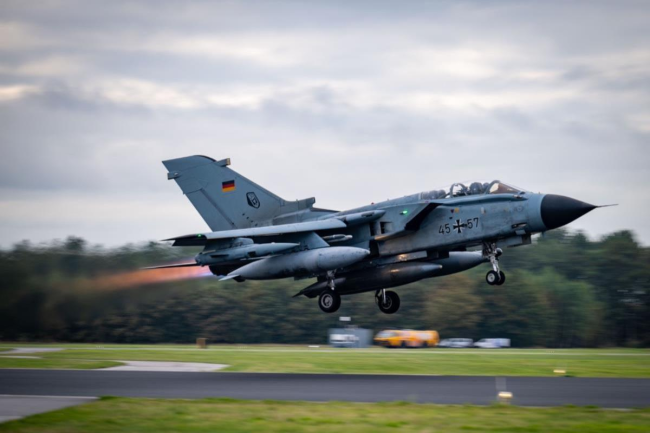
Nuclear Sharing in Europe: A Contested Policy That Endures
Since the end of the Cold War, the number of US nuclear weapons stationed in Europe has fallen more than seventy-fold, yet their presence in Belgium, Germany, Italy, the Netherlands, and Turkey remains a quiet pillar of NATO's deterrence posture. This "nuclear sharing" arrangement, central to the Alliance since its founding, has long been contested by public opinion, political parties, and civil society across Europe, without ever being abandoned by host governments. This paradox lies at the heart of the seminar: why does such an unpopular policy persist?
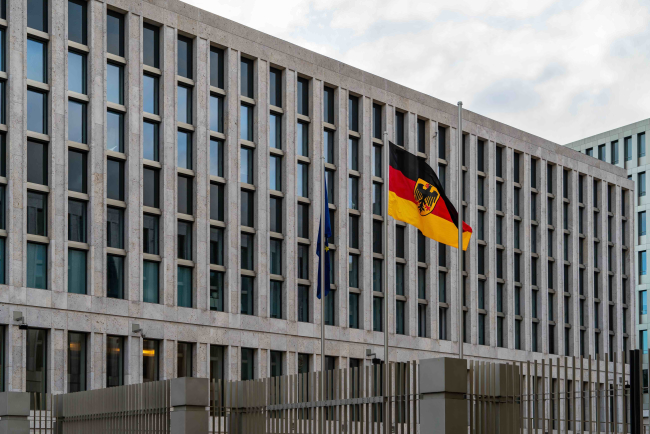
The Role of Intelligence in Political Decision Making
As part of the intelligence-focused BBS, organized in partnership with the Intelligence College in Europe, Ifri welcomes Mr. Philipp Wolff, Coordinator of the German Federal Intelligence services at the Federal Chancellery.
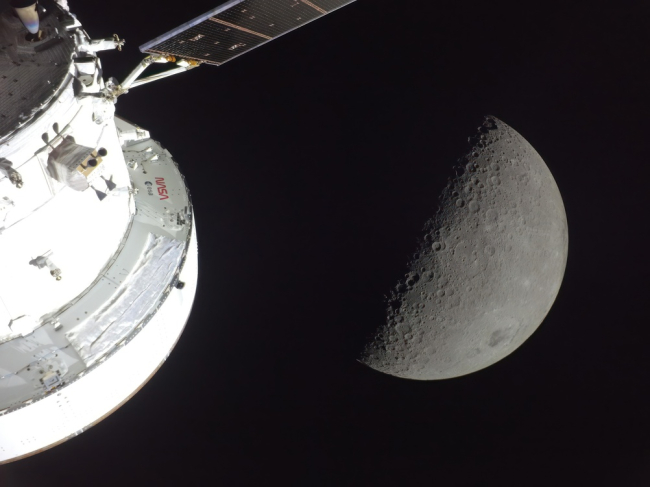
Geopolitical Stakes of the New Moon Race
As the United States, China, and India solidify their lunar ambitions, Europe is still seeking to define its stance: should it be a reliable partner or an autonomous strategic player? This conference will examine the stakes of this new race to the Moon and Europe’s interest in asserting itself as a lunar power through partnerships, industrial ambitions, and whether its participation in the new lunar race serves as a lever for strategic autonomy and internal cohesion, or an illustration of its dependence.
Titre événement en image
Ifri in Pictures
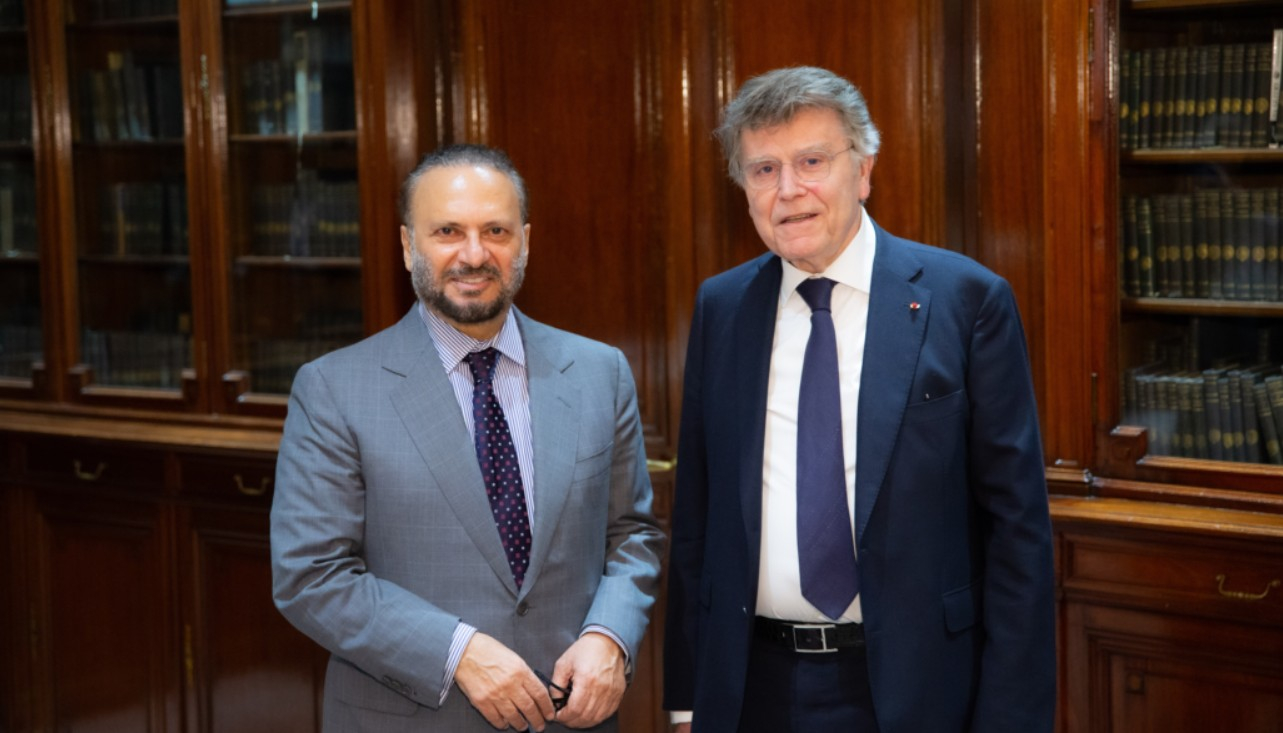
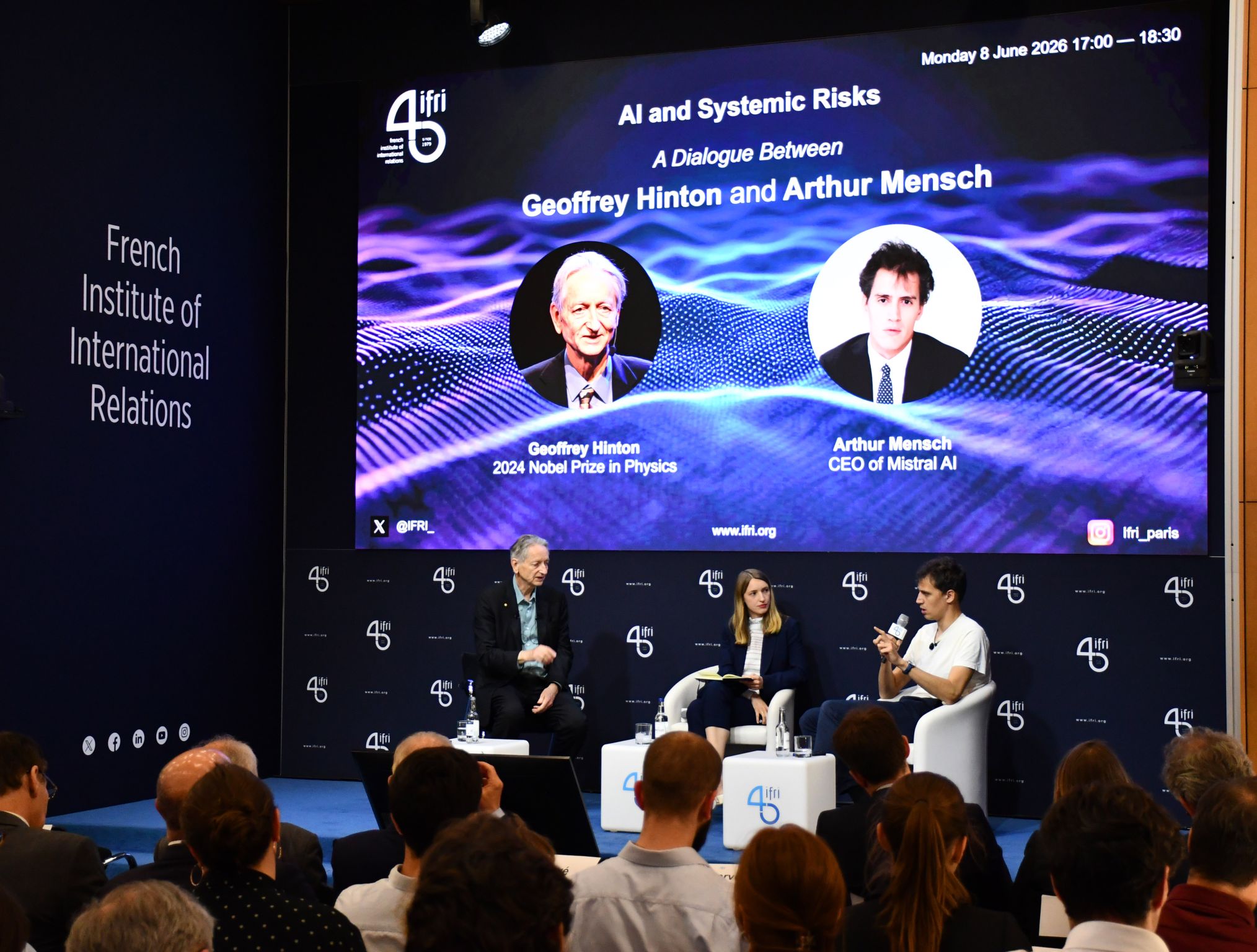
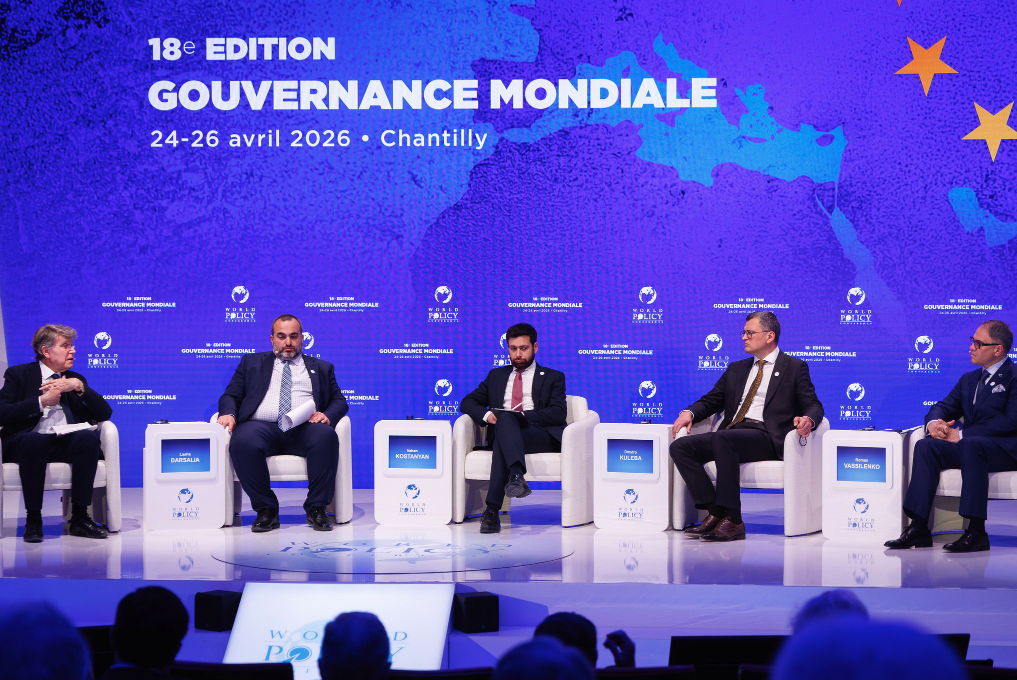
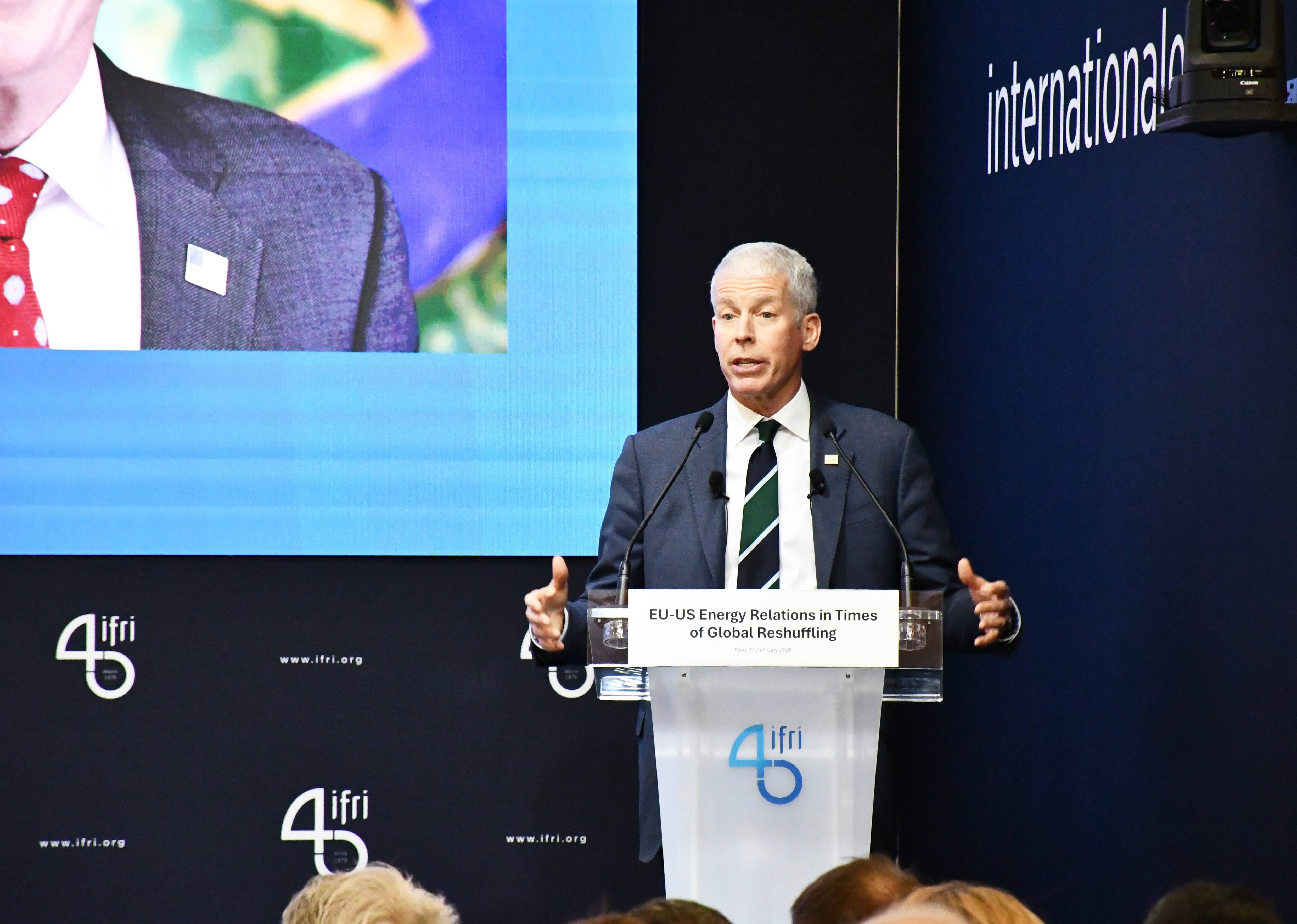
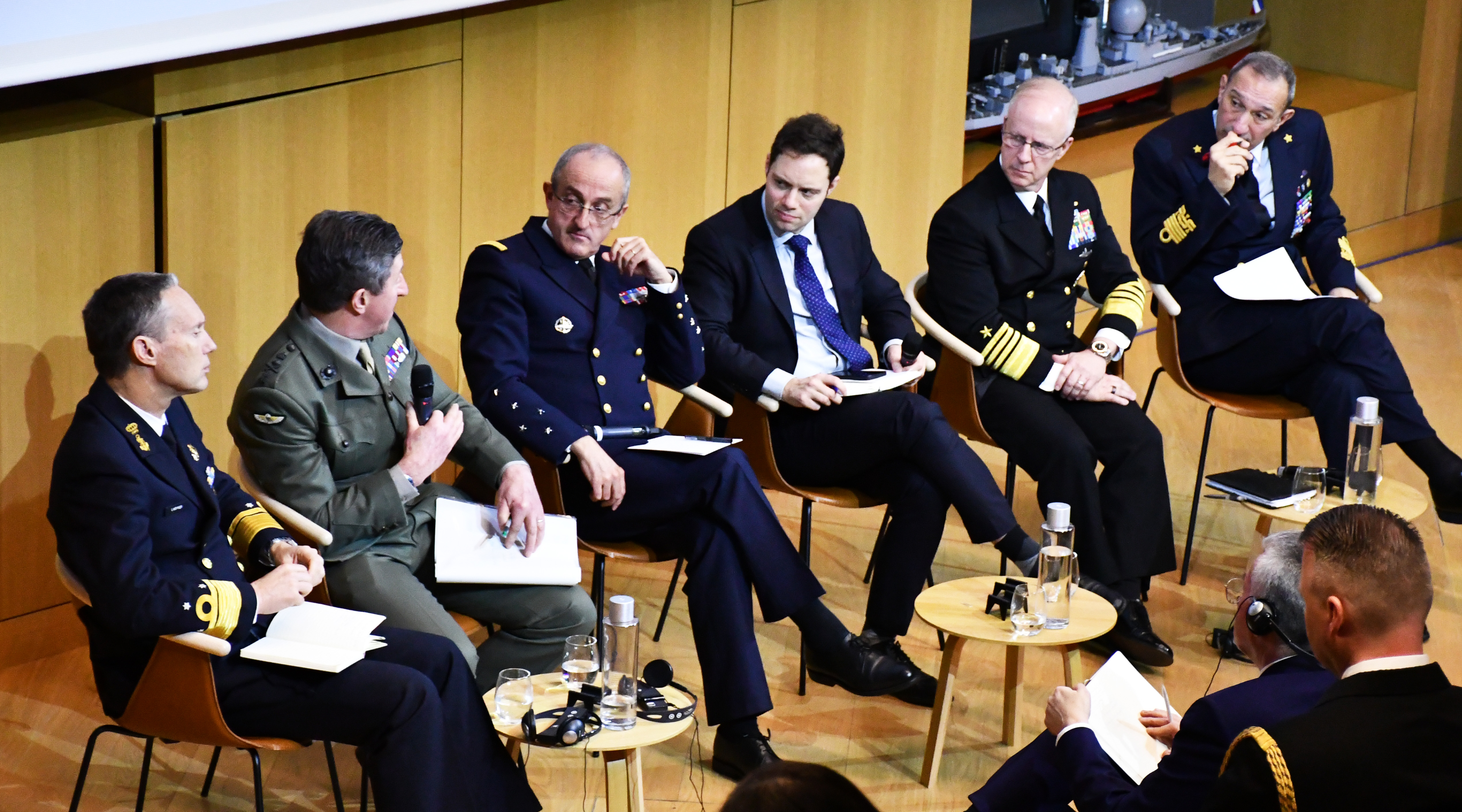
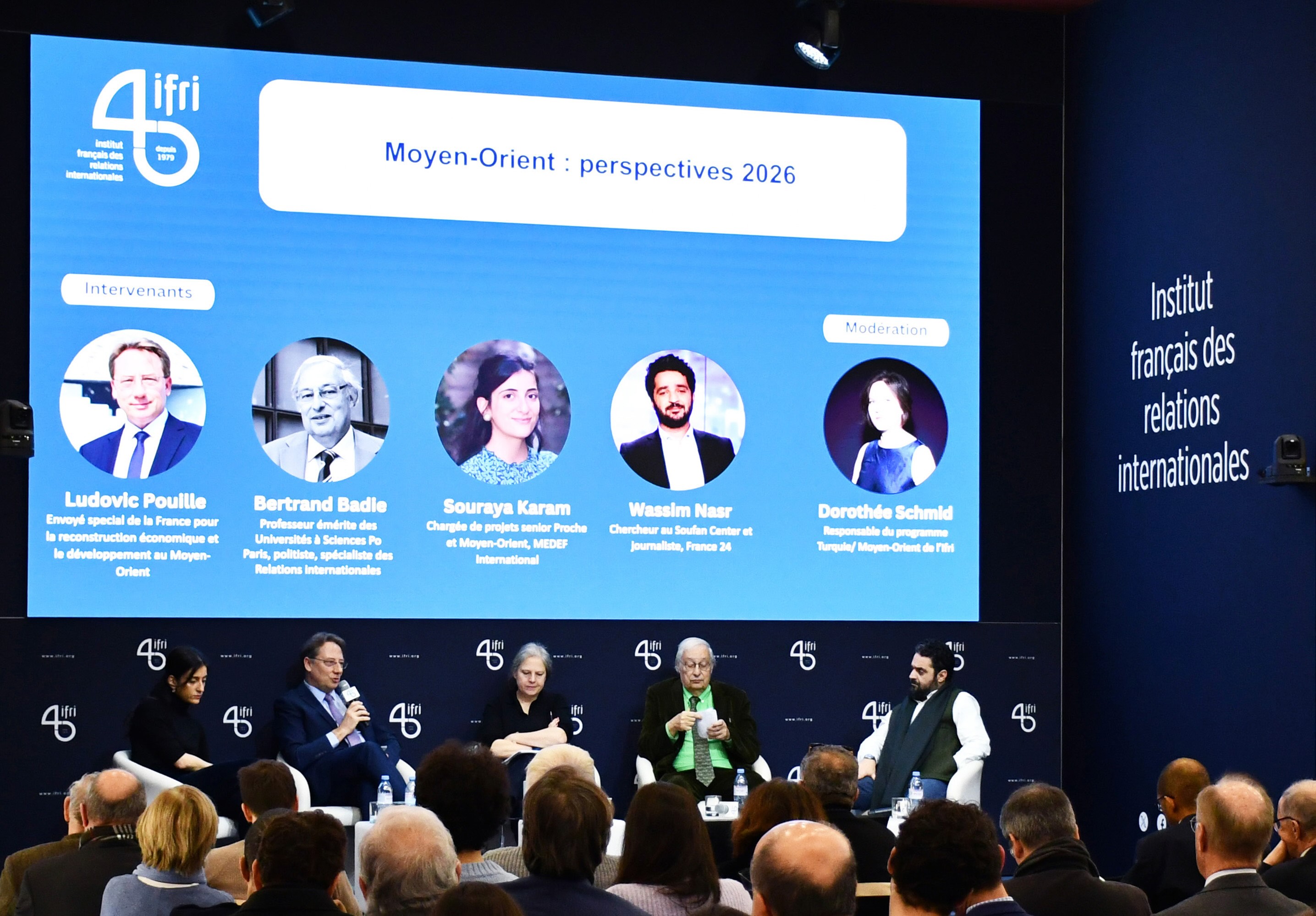
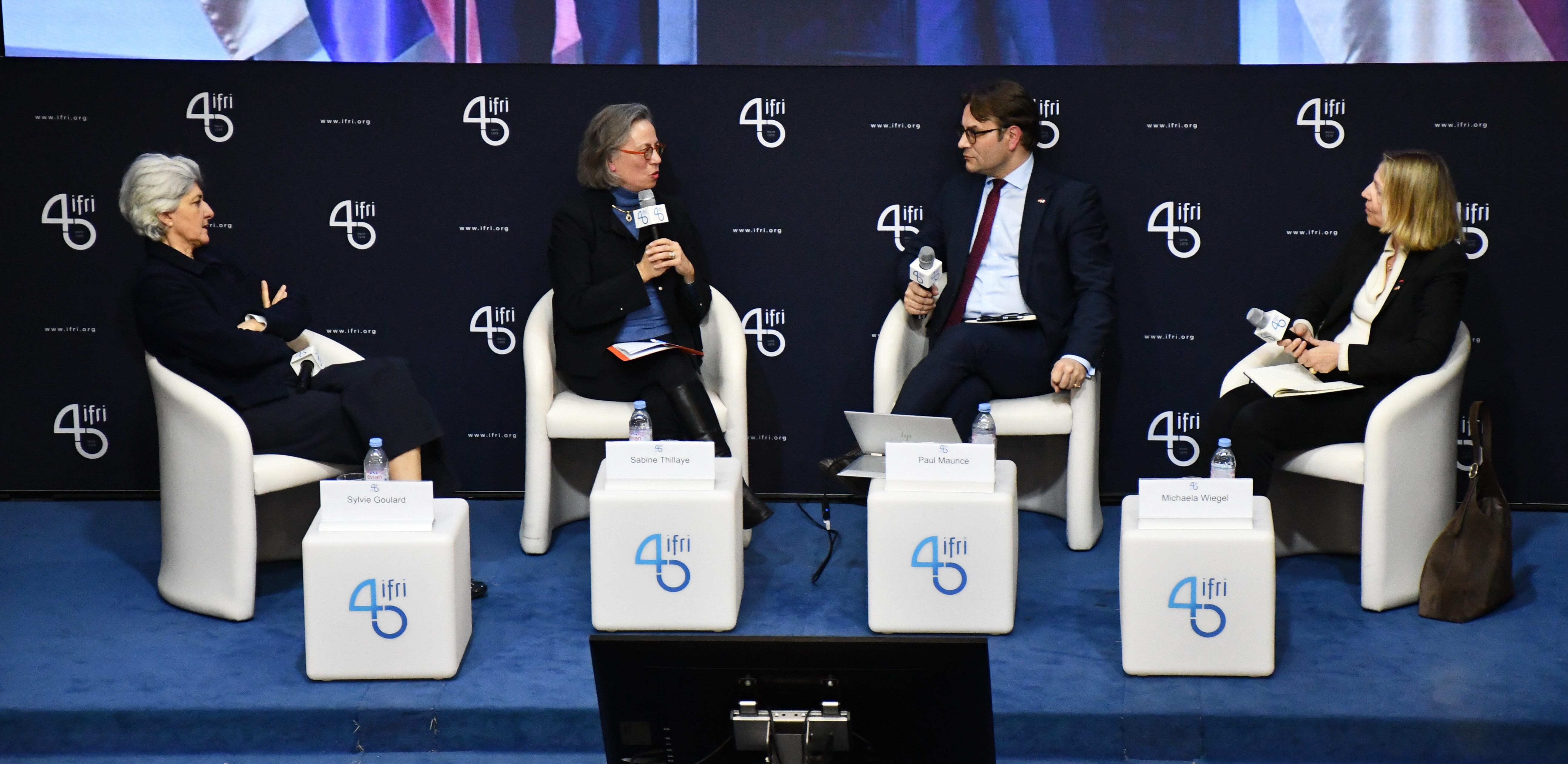
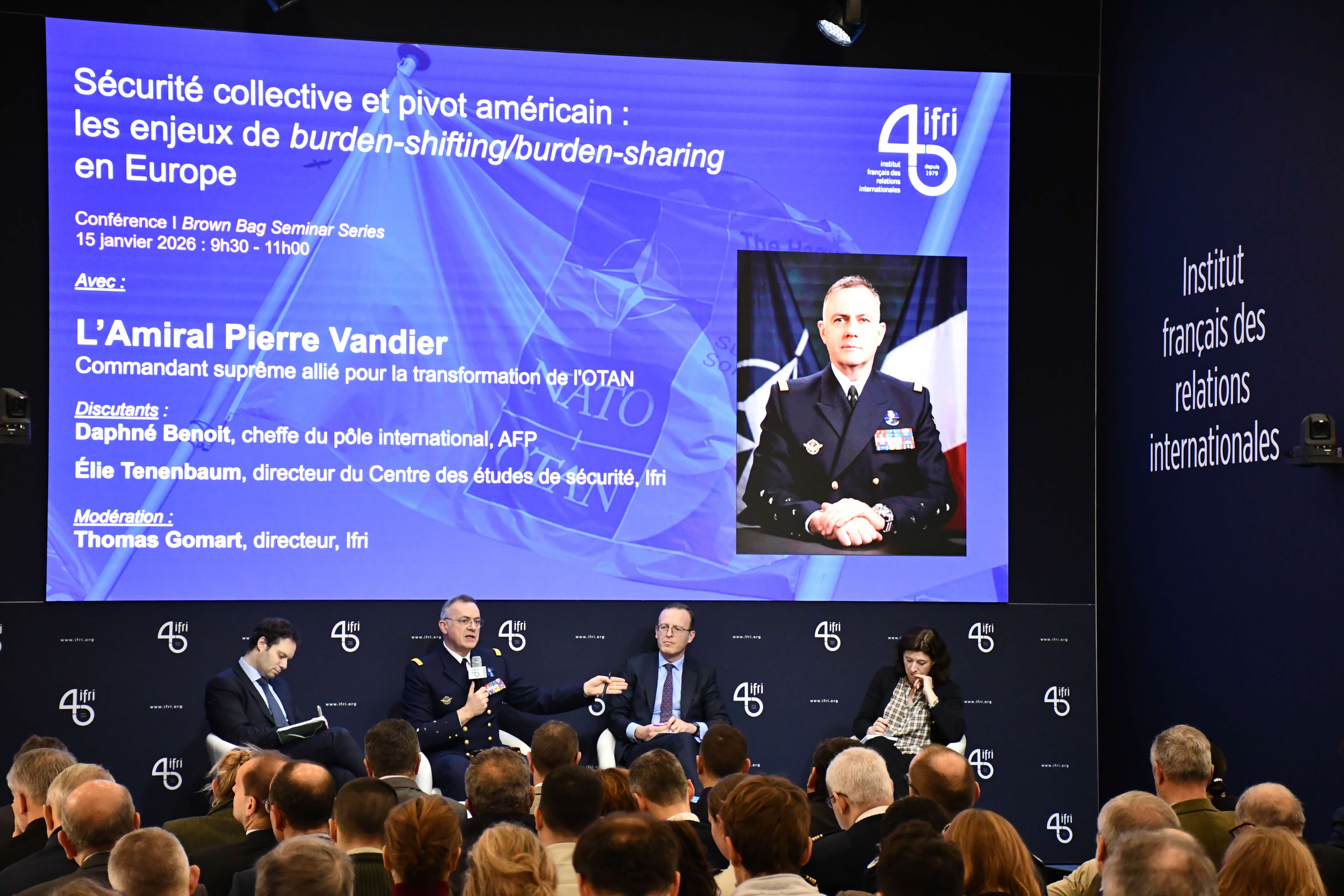
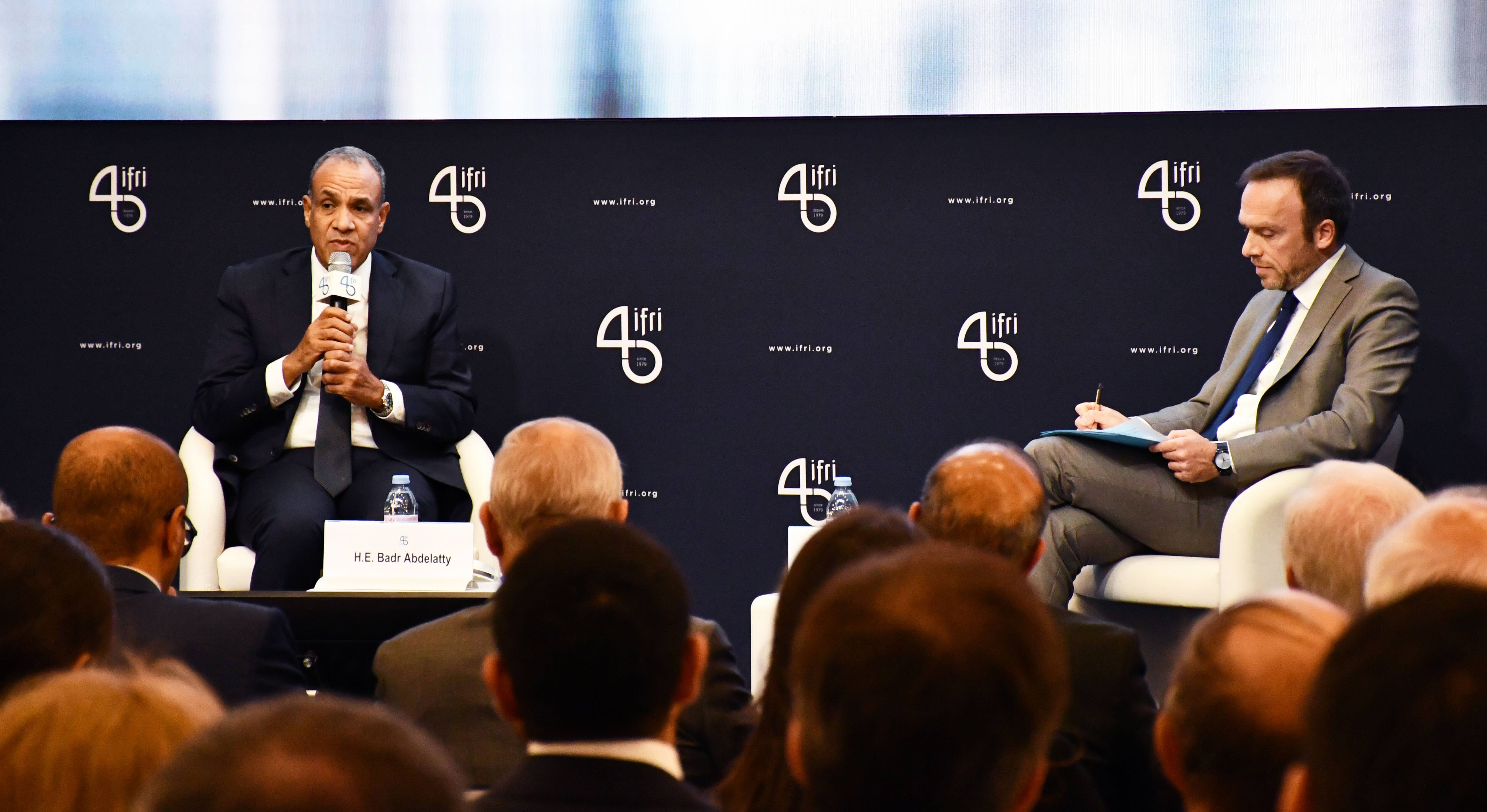
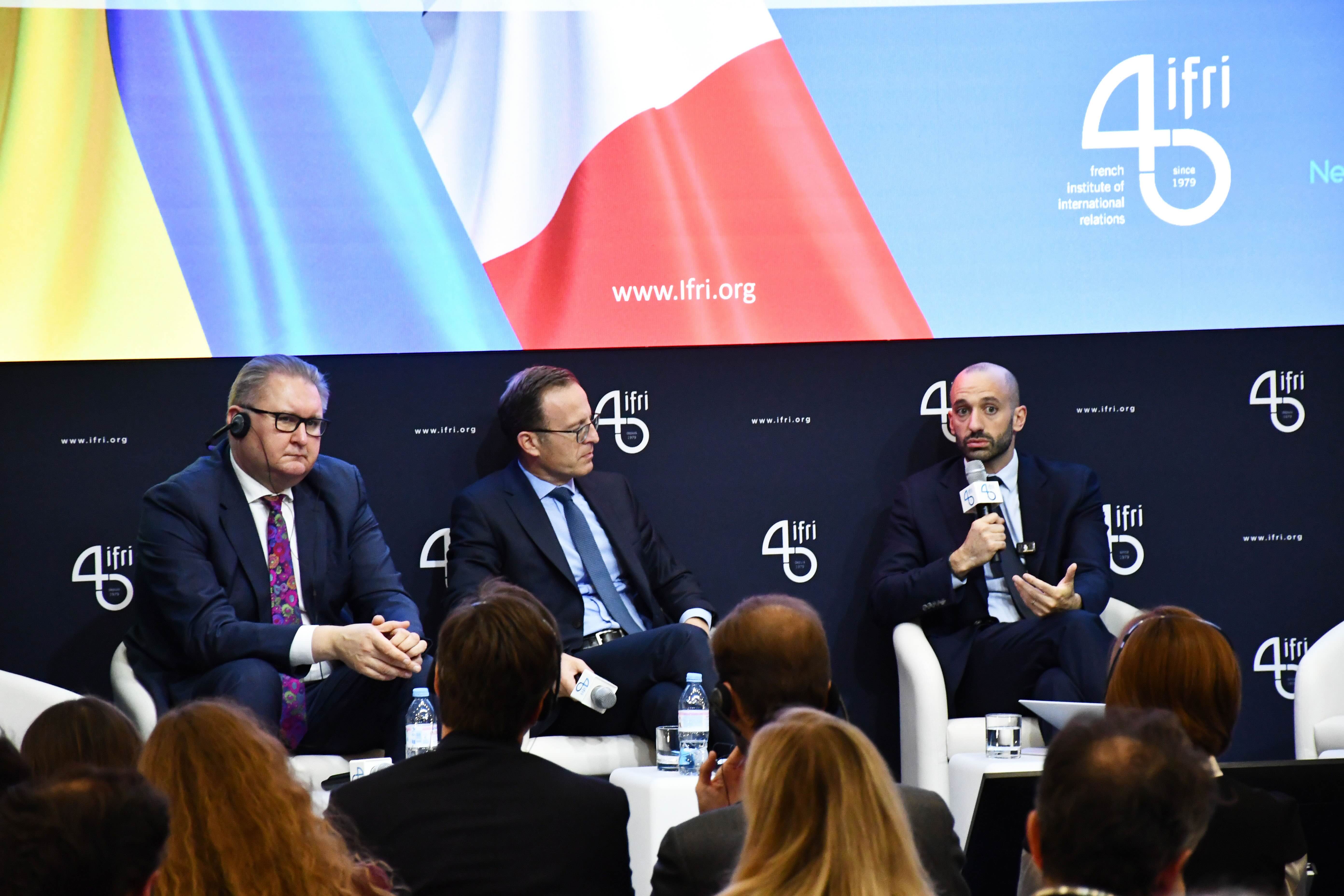
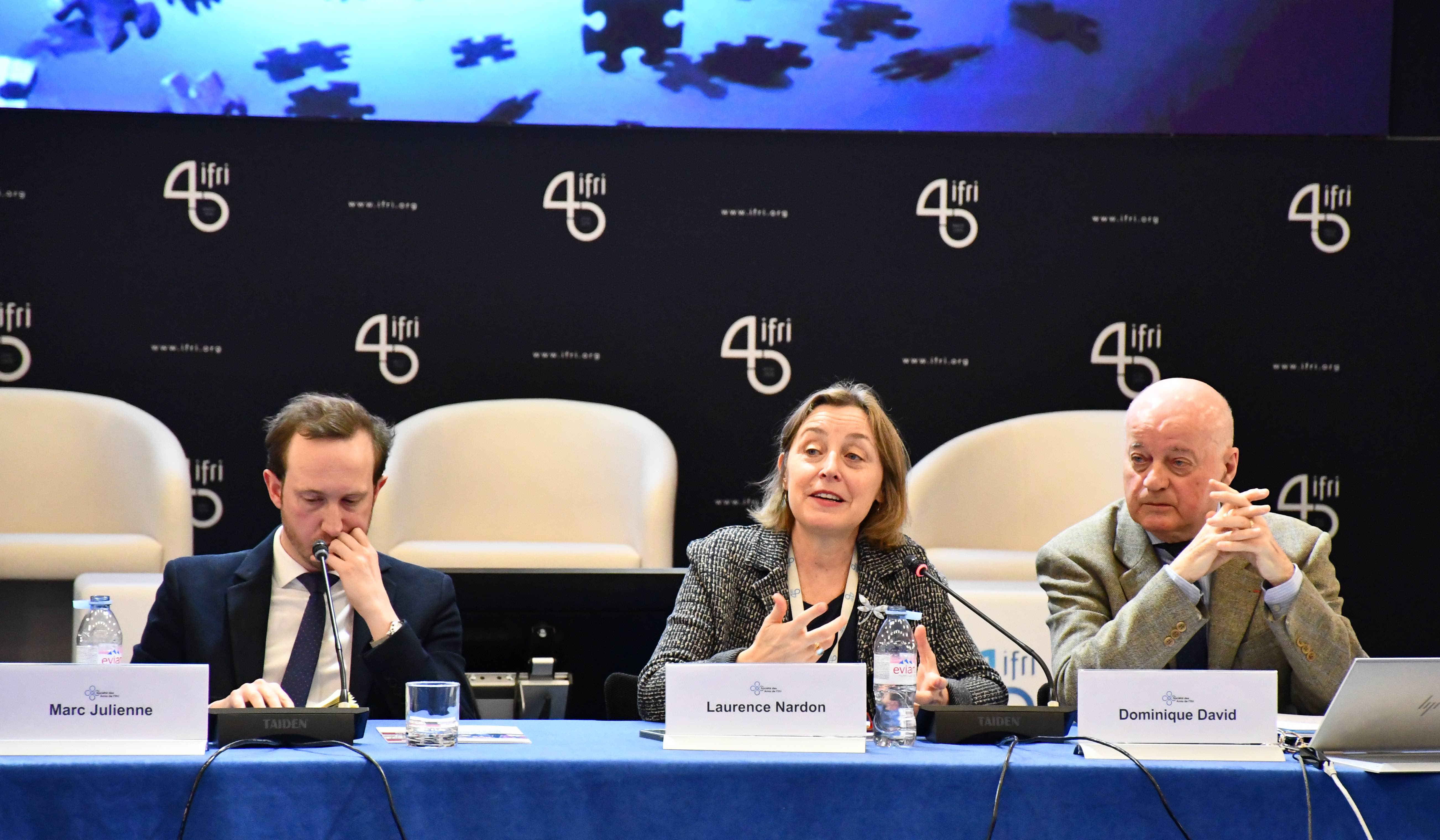
Ifri, a foundation recognized as being of public utility, relies largely on private donors – companies and individuals – to guarantee its sustainability and intellectual independence. Through their funding, donors help maintain the Institute's position among the world's leading think tanks. By benefiting from an internationally recognized network and expertise, donors refine their understanding of geopolitical risk and its consequences on global politics and the economy. In 2026, Ifri partners with over 90 French and international companies and organizations.