



Titre
Events
Filter results
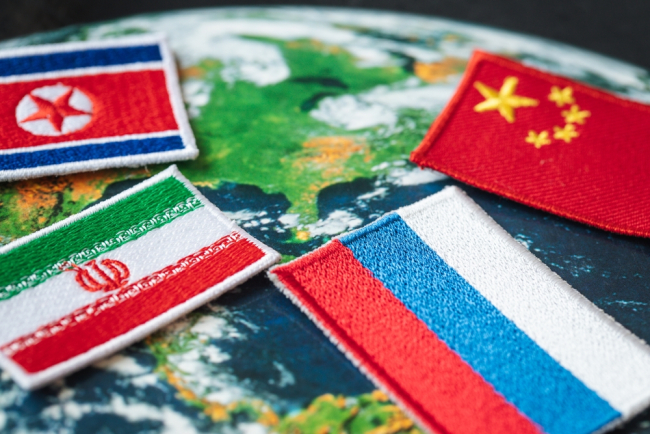
Russia, Iran, China, North Korea: The Nuclear Dimension of the Axis of Upheaval
In an international context marked by the resurgence of power rivalries, cooperation between Iran, China, Russia and North Korea is attracting increasing attention.
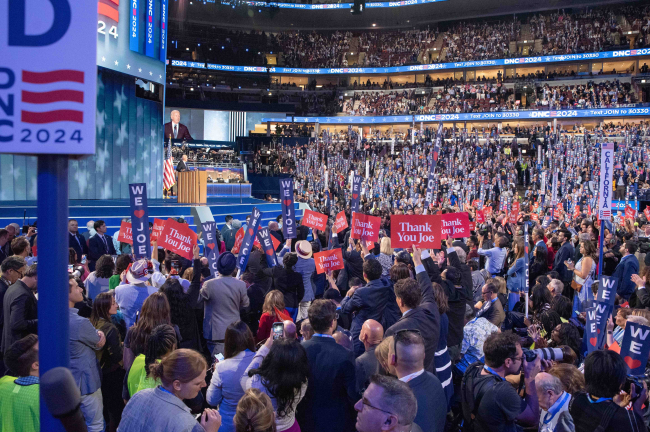
U.S. Politics: Why Are Democrats Unable to Come Up with a Project?
As President Trump's approval rating stagnates in the polls and with 18 months remaining before the November 2026 midterm elections, why is the Democratic Party unable to offer a credible and compelling alternative to middle-class American voters? On what issues and around which figures could the radical left and the moderate left find common ground by then?

Energy market trajectories amidst global turmoil
2025 is already characterized by the accelerated erosion of the West and global fragmentation on energy and climate policies, security, trade and governance. Ten years after the Paris Agreement, greenhouse gas emissions continue to rise and the United States is once more preparing to exit the global climate governance, while coal has again passed another consumption record in 2024. Yet annual clean sector investments are finally nearing the 2 trillion $ mark, notably driven by energy security and industrial policies.
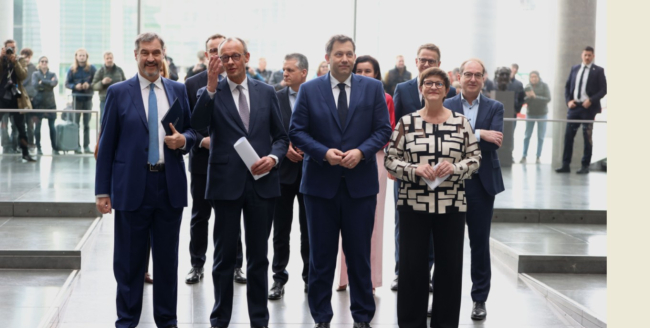
Debate series "What matters to Germany" The return of the "grand coalition" - What German leadership in an uncertain world?
The new German government, a "grand coalition" likely led by Friedrich Merz, will have to navigate a complex international environment, marked notably by a disruption of transatlantic relations. The Trump administration's attacks on traditional U.S. allies, the rapprochement between Washington and Moscow, as well as the uncertainties surrounding the future of NATO, are shaking the paradigms of German foreign policy.
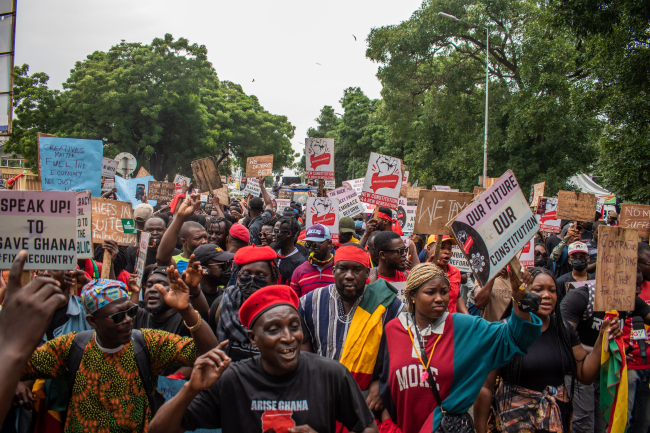
Doing Politics in African Cities: Actors, Causes and Forms of Urban Social Mobilization
From Maputo to Nairobi and from Lagos to Dakar: recently, African cities have been the theatre of mobilizations by groups of young protesters.
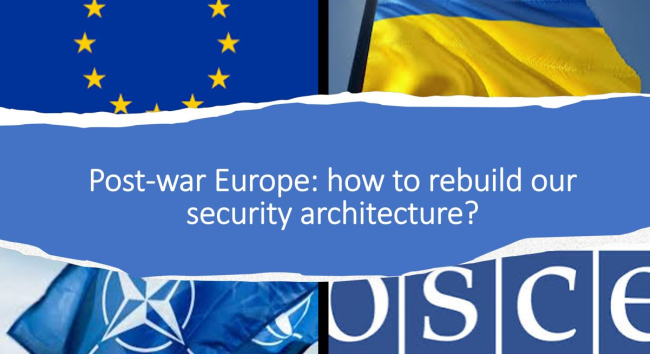
Post-war Europe: How to Redefine a Security Architecture Within a New Transatlantic Framework?
A new European security architecture has to be built. The question is: will this happen with or without Europe? The US President, Donald Trump, who returned to the White House a little more than two months ago, and the President of the Russian Federation, Vladimir Putin, have initiated talks to put an end to the war in Ukraine, with the possibility of Ukraine ceding territory to Russia being raised.
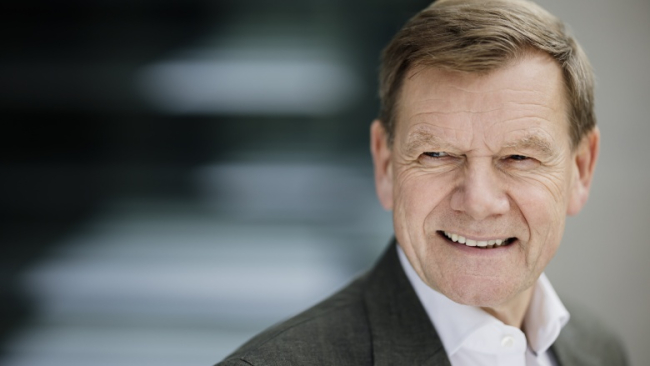
The Challenges of Franco-German Relations in the Current Geopolitical Context
Discussion with Dr. Johann Wadephul, member of the Bundestag and Vice-Chairman of the CDU/CSU Group in the Bundestag for Foreign Affairs, Defense, the Inter-Parliamentary Conference on the Common Foreign and Security Policy (CFSP) and the Common Security and Defense Policy (CSDP), Council of Europe.
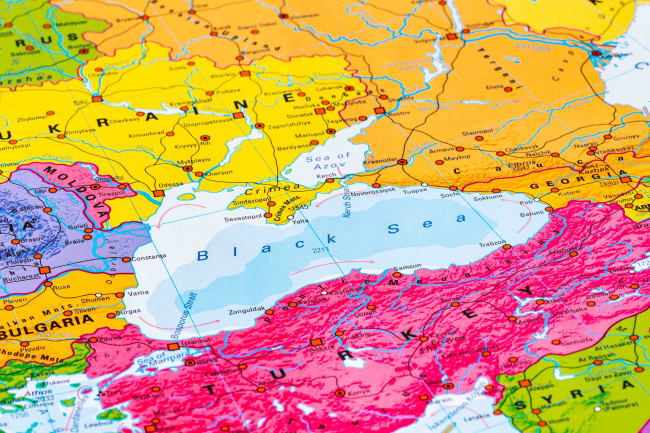
Affirming European Security in Ukraine and the Black Sea Region
European security has been challenged in 2022 with the full-fledged invasion of Ukraine by the Russian Federation.

Foreign Intelligence Services Amidst the War in Ukraine: Adapting to a New Strategic Reality
European foreign intelligence services have had to continuously adapt to the rapidly evolving security landscape of the past few years. Following challenges such as the COVID-19 pandemic, financial crises, and hybrid threats, the Russian war of aggression against Ukraine has placed conventional military conflict at the centre of European security concerns.
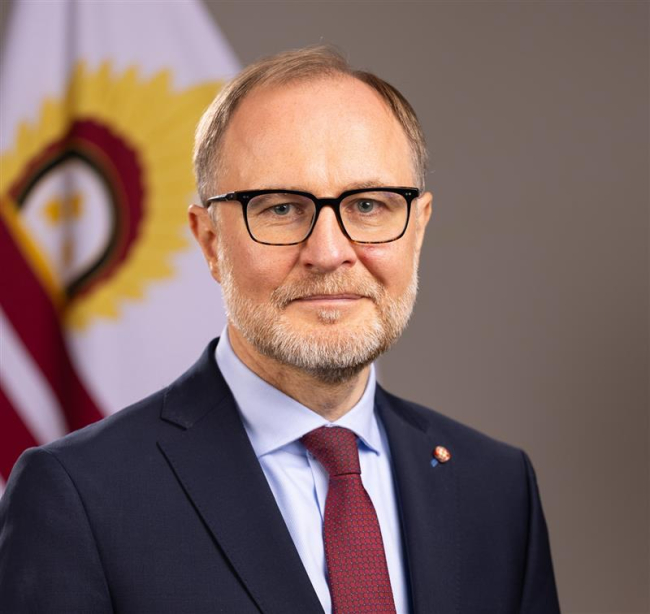
European Security: Perspectives from Latvia. Debate with the Minister of Defense of the Republic of Latvia, Andris Sprūds
How should European security be approached in the face of the challenges posed by the war in Ukraine?
Event Series
Brown Bag Seminar Series
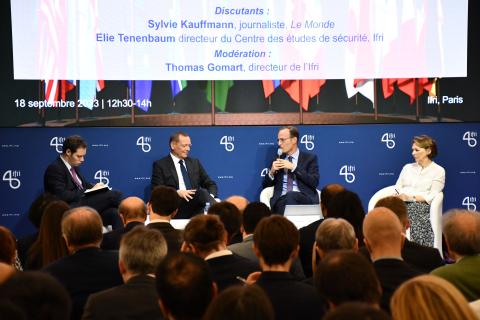
The Ambassadors’ Table
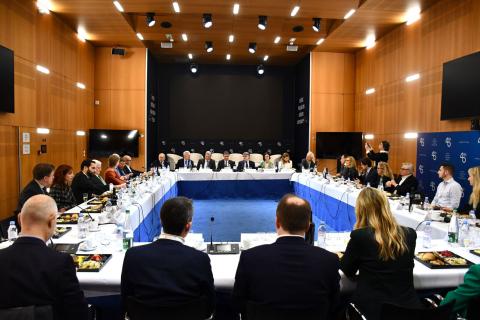
Expert Briefings

Executive Chairman’s Events
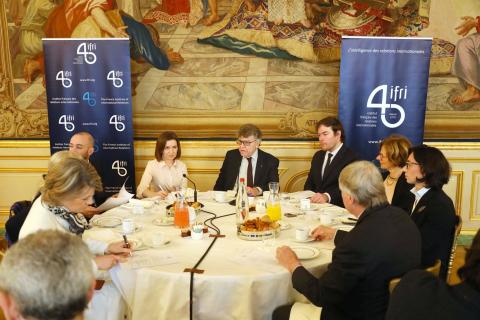
Ifri's Corporate Table
Latest retrospectives
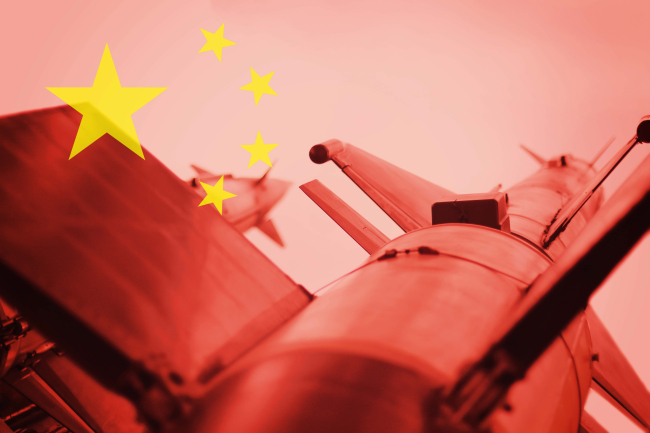
China’s Nuclear Buildup: Developments, Drivers, and Implications for Major-Power Relations and Arms Control
China has been steadily expanding its nuclear arsenal for several years amid levels of geopolitical tension unseen since the end of the Cold War, marked by a resurgence in nuclear proliferation and a broader, global arms race.
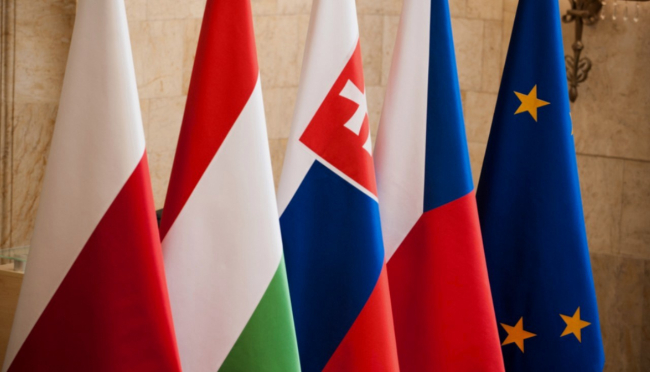
A New Moment for Central Europe? Regional Cooperation in a Time of European Strategic Choices
Recent political developments in Central Europe have revived the debate about the future of regional cooperation and the Visegrád Group. Changes in Hungary, Poland, the Czech Republic and Slovakia, together with Austria’s growing interest in closer cooperation with its neighbours, could create new opportunities for dialogue and coordination around shared priorities.
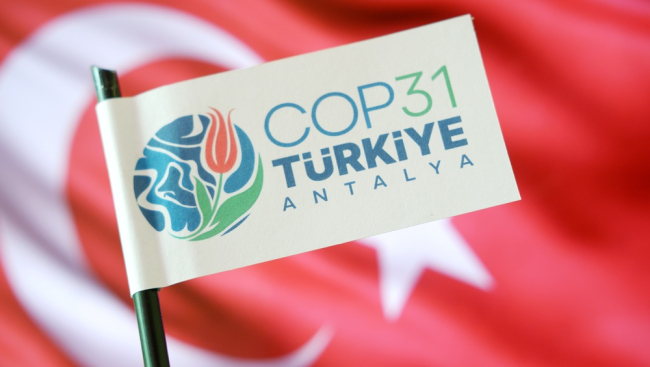
COP31 in Antalya: State of the Global Climate Governance, Issues, Perspectives
COPs have become a year-end marathon to revigorate a world now entering the era of climate overshoot. While Türkiye exhibits the largest coal-fired power generation in OECD Europe, it has embraced the electrification agenda and aims at joining forces with Australia on fostering action and implementation. This is an unusual de facto co-presidency arrangement, but one that could yield promising results. This webinar will take stock of what climate governance has achieved and of the issues still to be negotiated, and explore what impetus this Turkish–Australian partnership could provide.
Titre événement en image
Ifri in Pictures
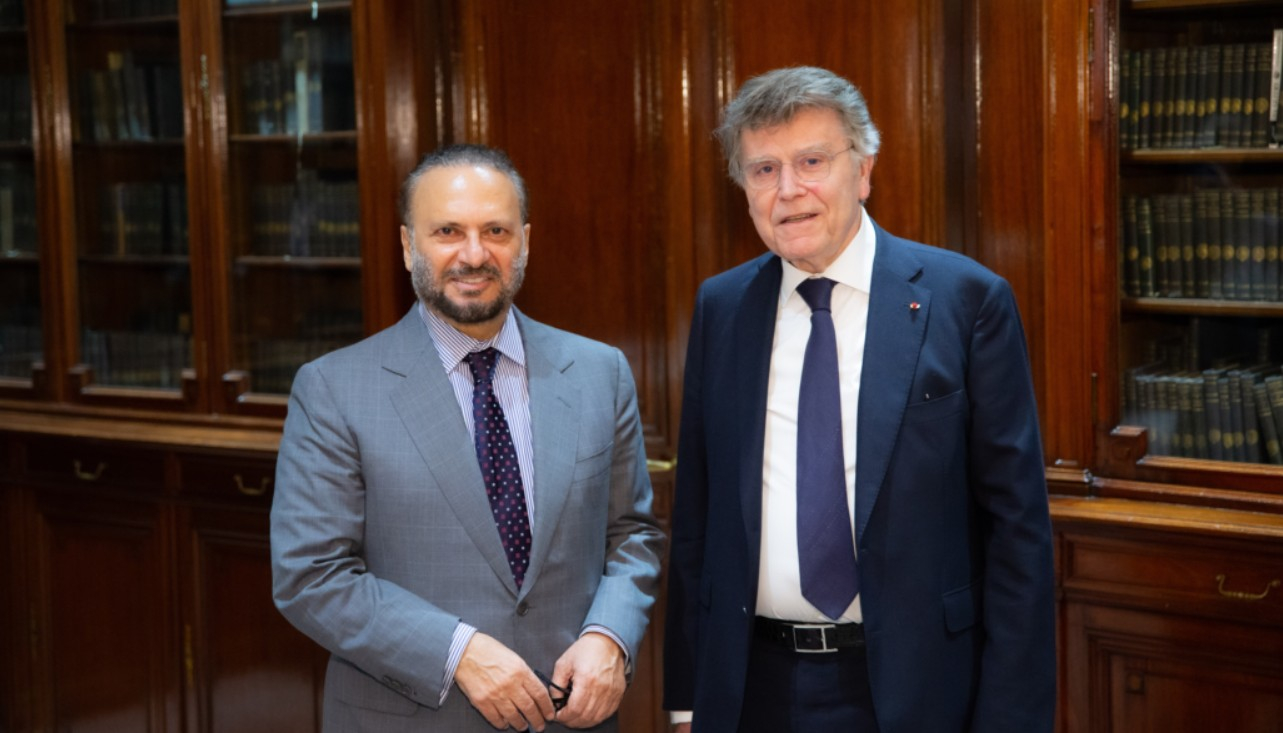
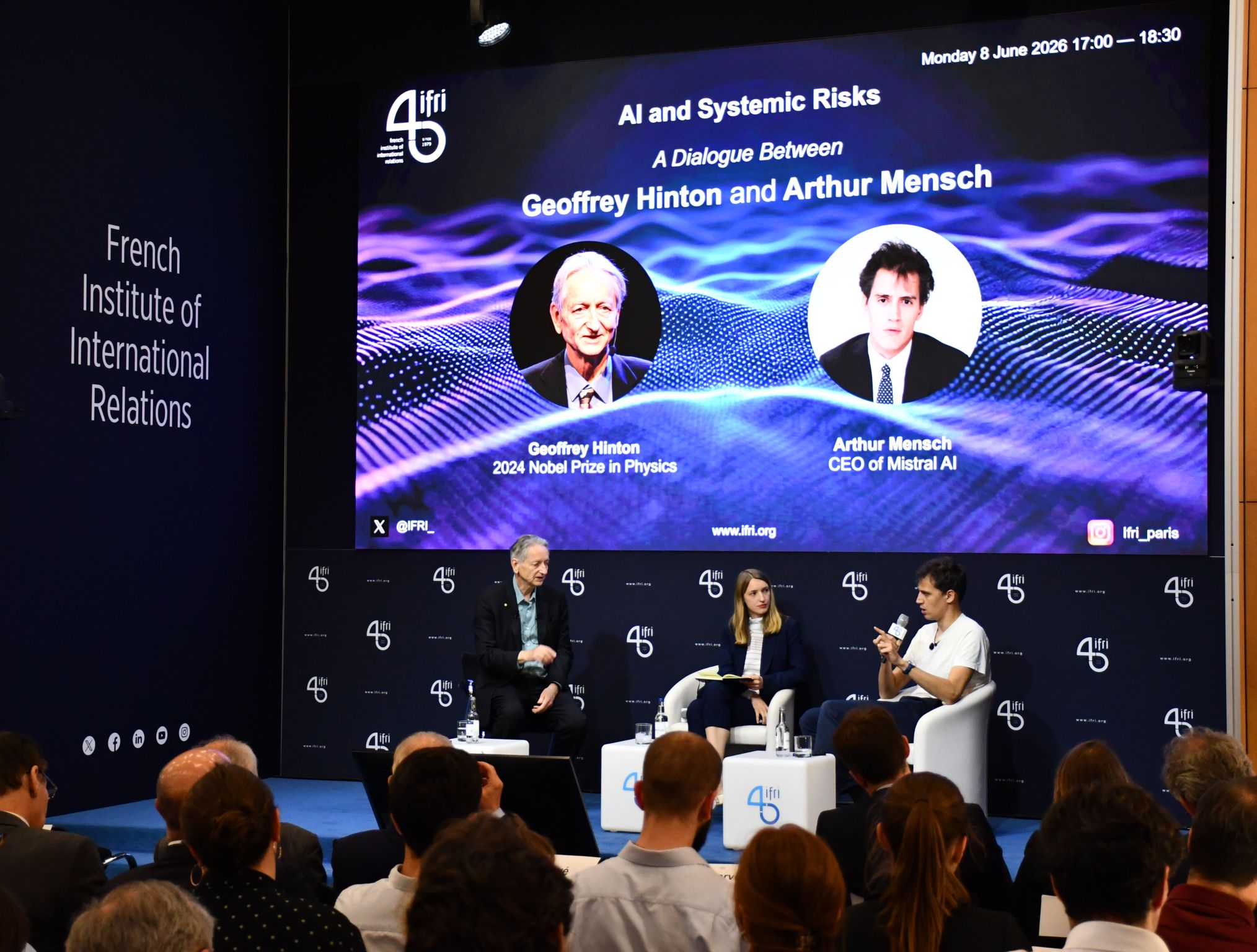
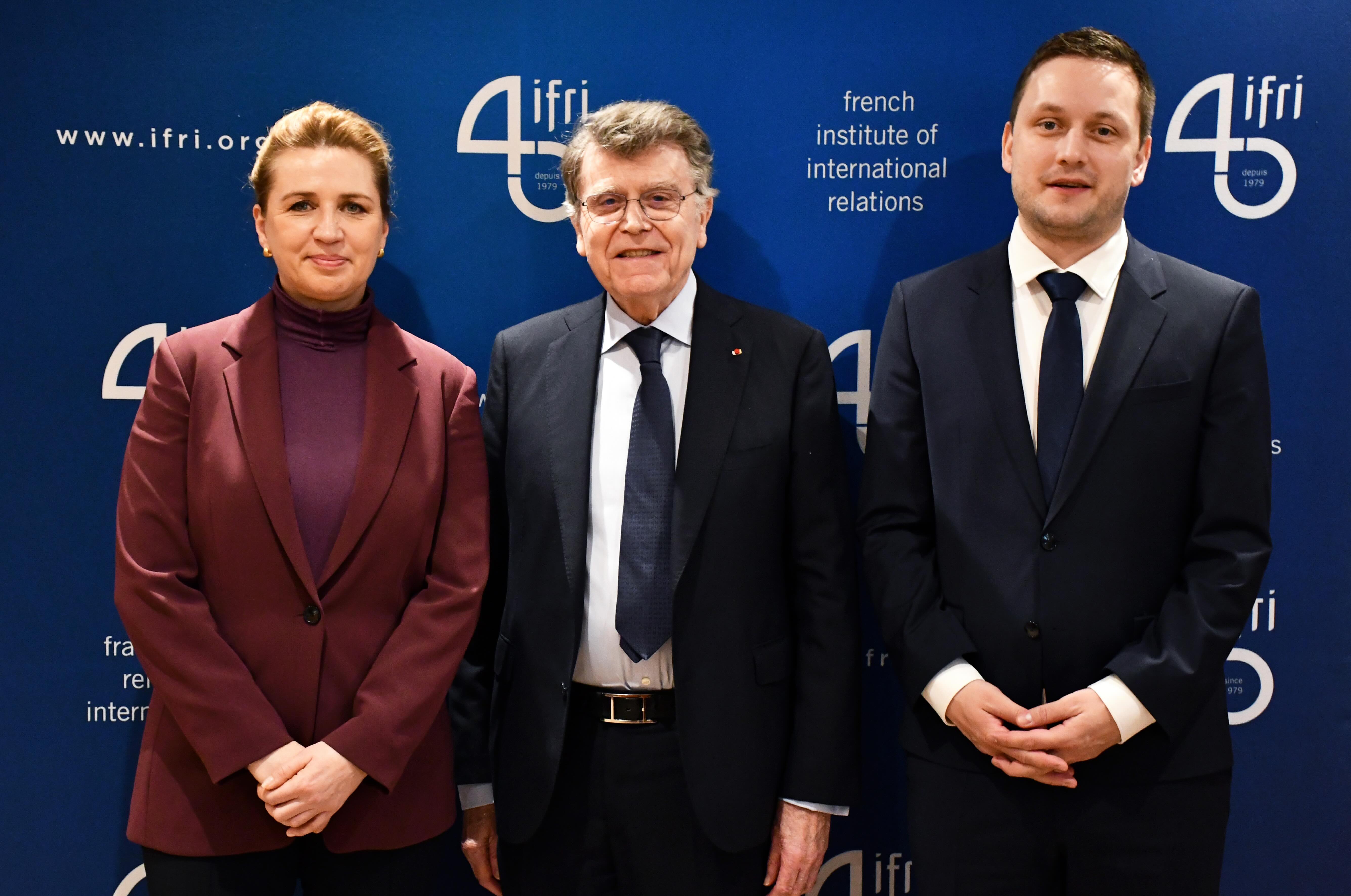
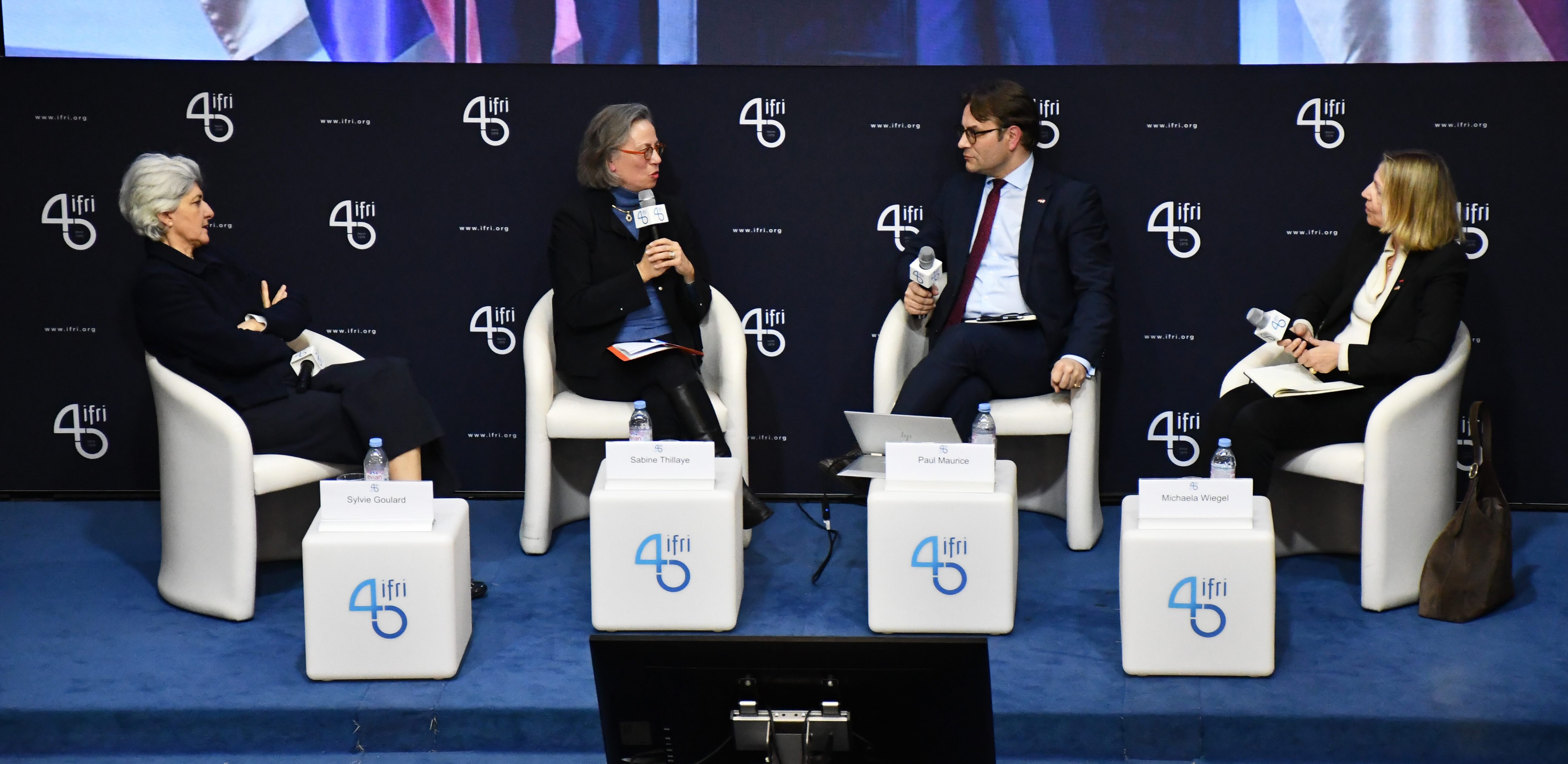
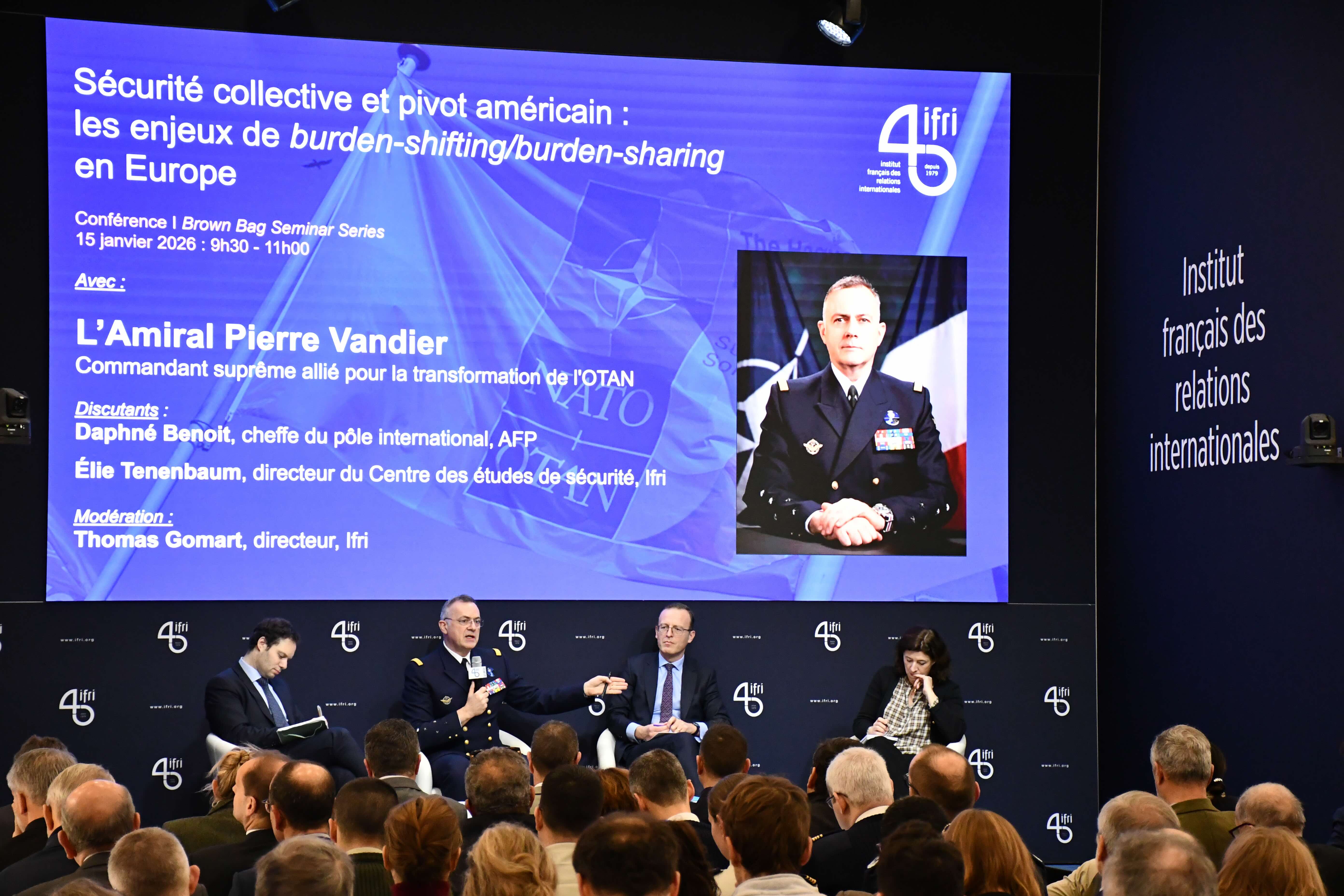
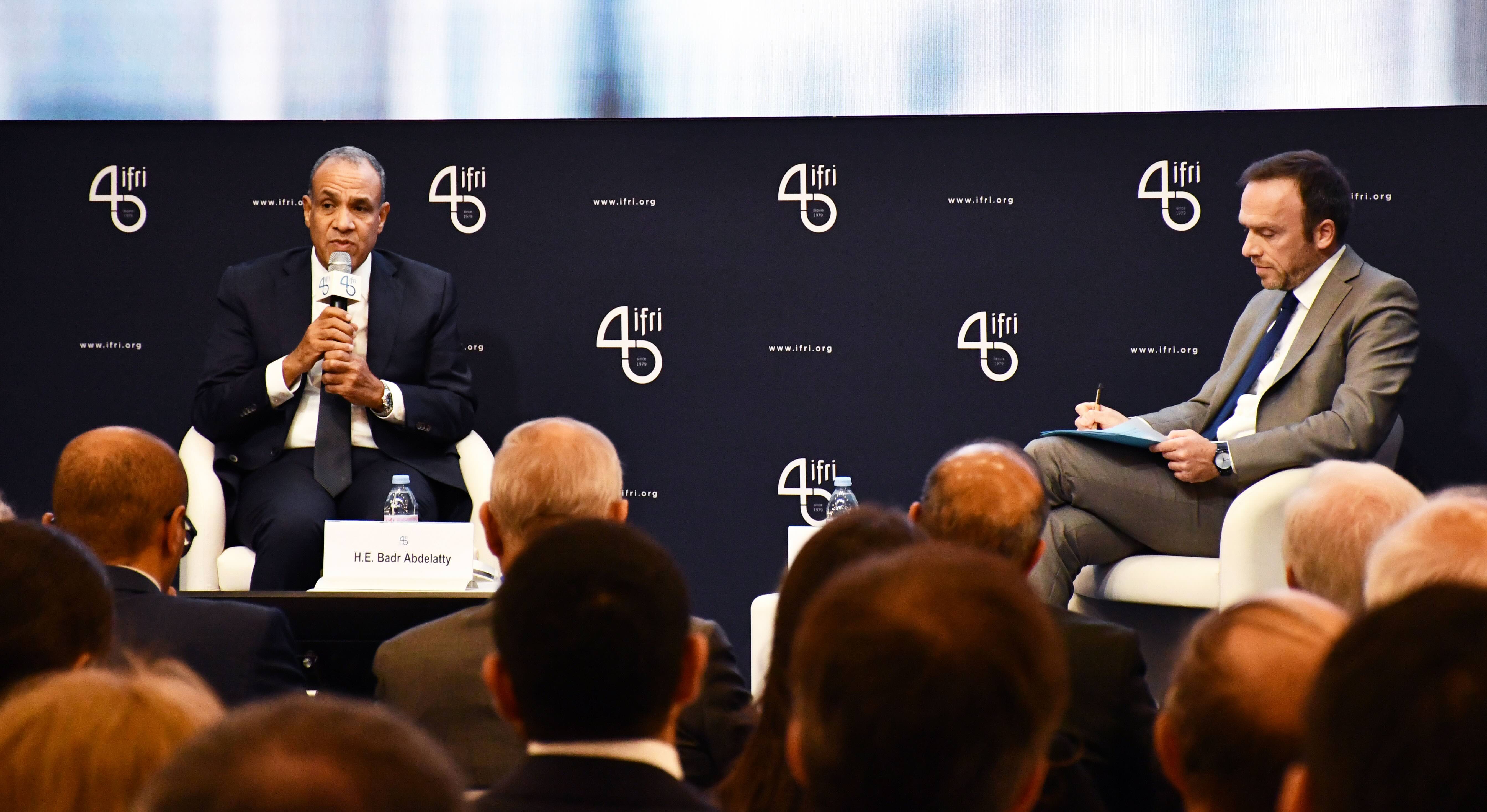
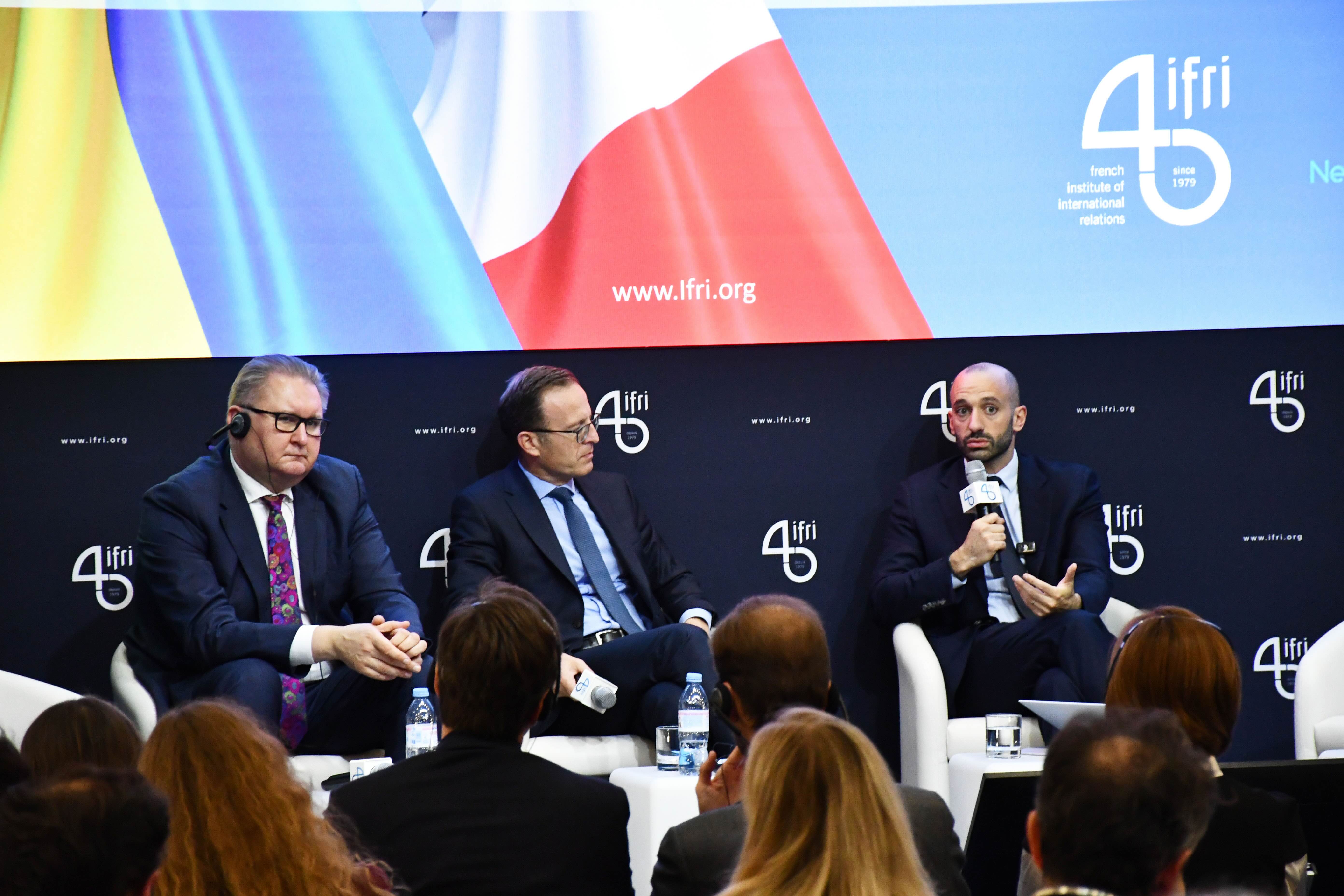
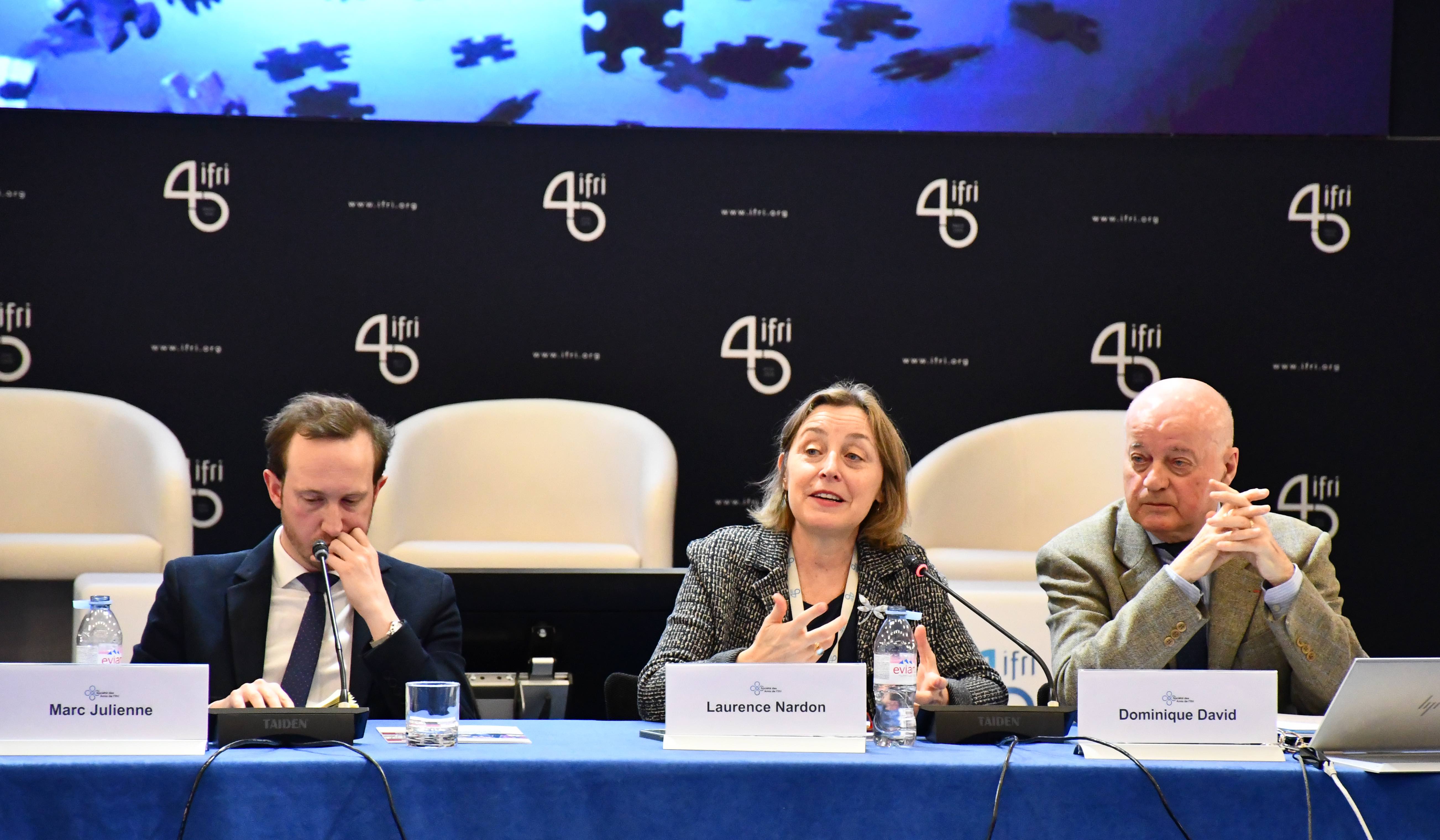
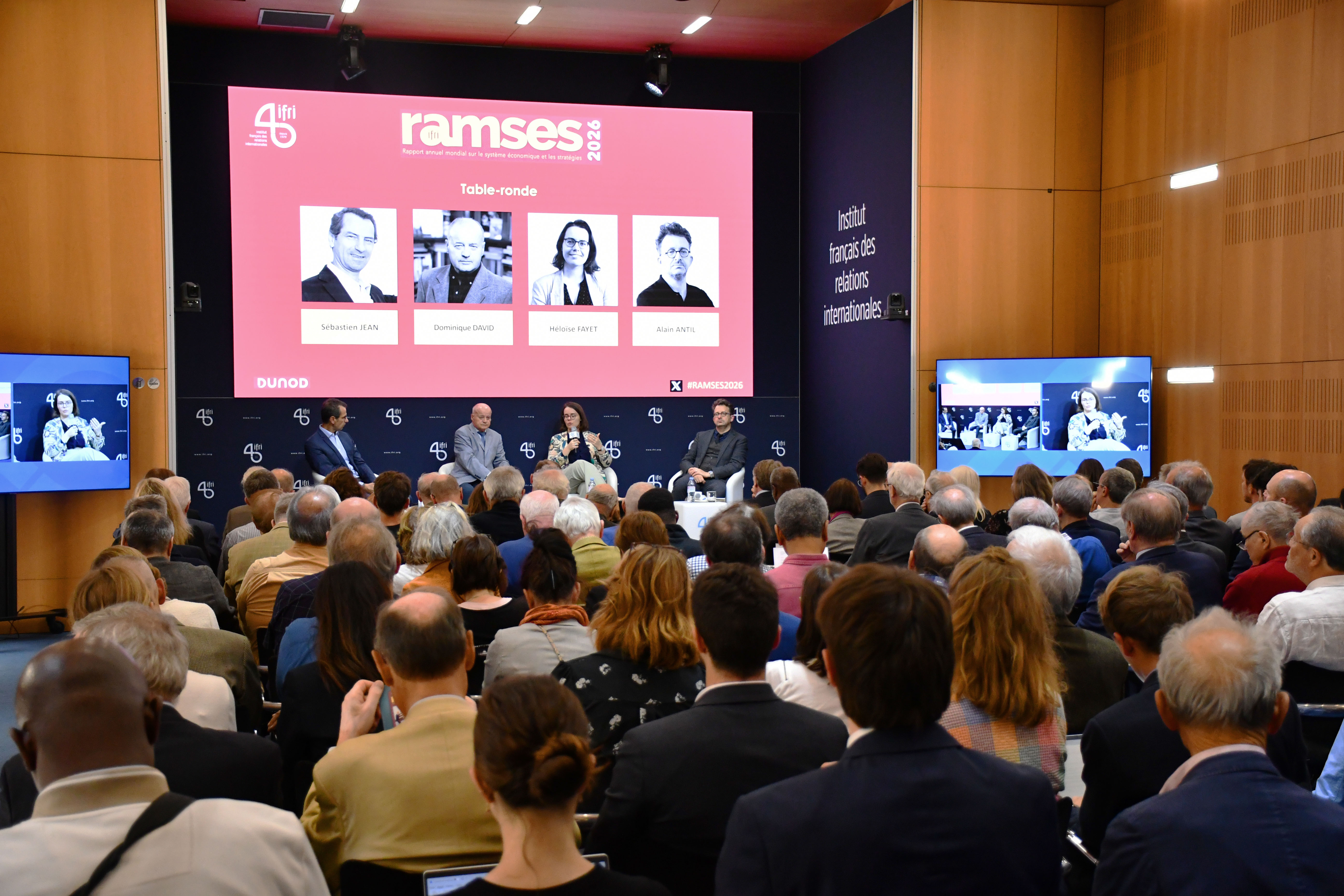
Ifri, a foundation recognized as being of public utility, relies largely on private donors – companies and individuals – to guarantee its sustainability and intellectual independence. Through their funding, donors help maintain the Institute's position among the world's leading think tanks. By benefiting from an internationally recognized network and expertise, donors refine their understanding of geopolitical risk and its consequences on global politics and the economy. In 2026, Ifri partners with over 90 French and international companies and organizations.