




Foreign Intelligence Services Amidst the War in Ukraine: Adapting to a New Strategic Reality
Brown Bag Seminar Series
Practical information
Themes and regions
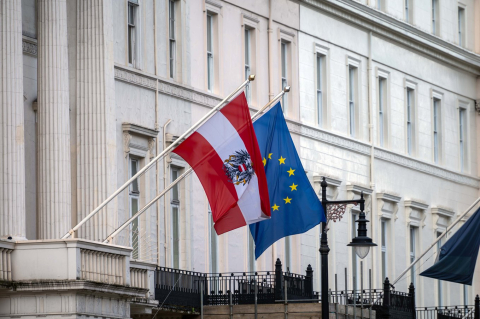
European foreign intelligence services have had to continuously adapt to the rapidly evolving security landscape of the past few years. Following challenges such as the COVID-19 pandemic, financial crises, and hybrid threats, the Russian war of aggression against Ukraine has placed conventional military conflict at the centre of European security concerns.
Given the latest developments on Europe’s eastern flank and the shifting dynamics of US engagement with its European allies amidst the war in Ukraine, how are the current threat landscape evaluated? How is the Austrian Strategic Intelligence Agency adapting to the increasing number of simultaneous crises?
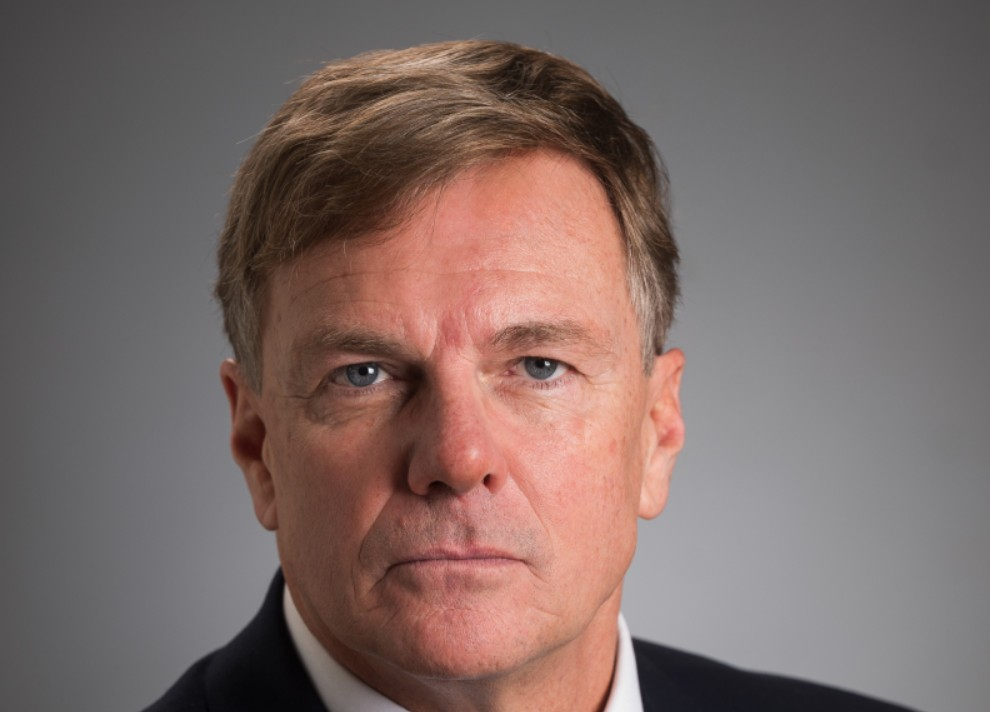
As part of the third conference in its 2025 intelligence-focused series, organized in partnership with the Intelligence College in Europe, Ifri welcomes the Director of the Strategic Foreign Intelligence Service in Vienna, Major General Sascha Bosezky. He will offer insights into how he perceives and assesses emerging security threats.
Panelists:
Sylvie Kauffmann, Columnist/Editorial Director, Le Monde
Marc Hecker, Deputy Director, Ifri
Chair:
Thomas Gomart, Director, Ifri
This event is public and will be held in English without translation under the Chatham House Rule.
Related Subjects
Other events
France-Ukraine Forum 2026
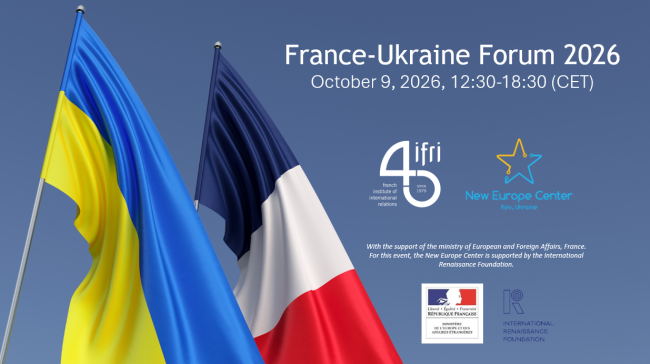
More than four and a half years after the start of the full-scale war launched by Russia against Ukraine, the 2026 France-Ukraine Forum will bring together policymakers, experts, academics, and civil society representatives from both countries to discuss three main topics: the formats and conditions for a lasting diplomatic settlement; Ukraine’s Euro-Atlantic integration, encompassing both the EU accession process and closer ties with NATO; and the societal transformations of postwar Ukraine, as well as its prospects for reconstruction.
The EU in a World of Economic Warfare: Trade, Geopolitics, and the Battle for Economic Sovereignty
The international trading system has become a primary theatre of geopolitical competition. Tariffs, sanctions, and technology controls have replaced dialogue as the default instruments of economic relations.
The Road to 27 Electrification Action Plans: Planning and Investing in Europe’s Electric Future
The European Commission’s Electrification Action Plan places the continent on an electric path to structurally reduce dependence on fossil fuel imports and boost the energy transition in industry, transport and buildings.