




Reforming NATO’s Institutions: Pressing Need, Enduring Obstacles, New Opportunities
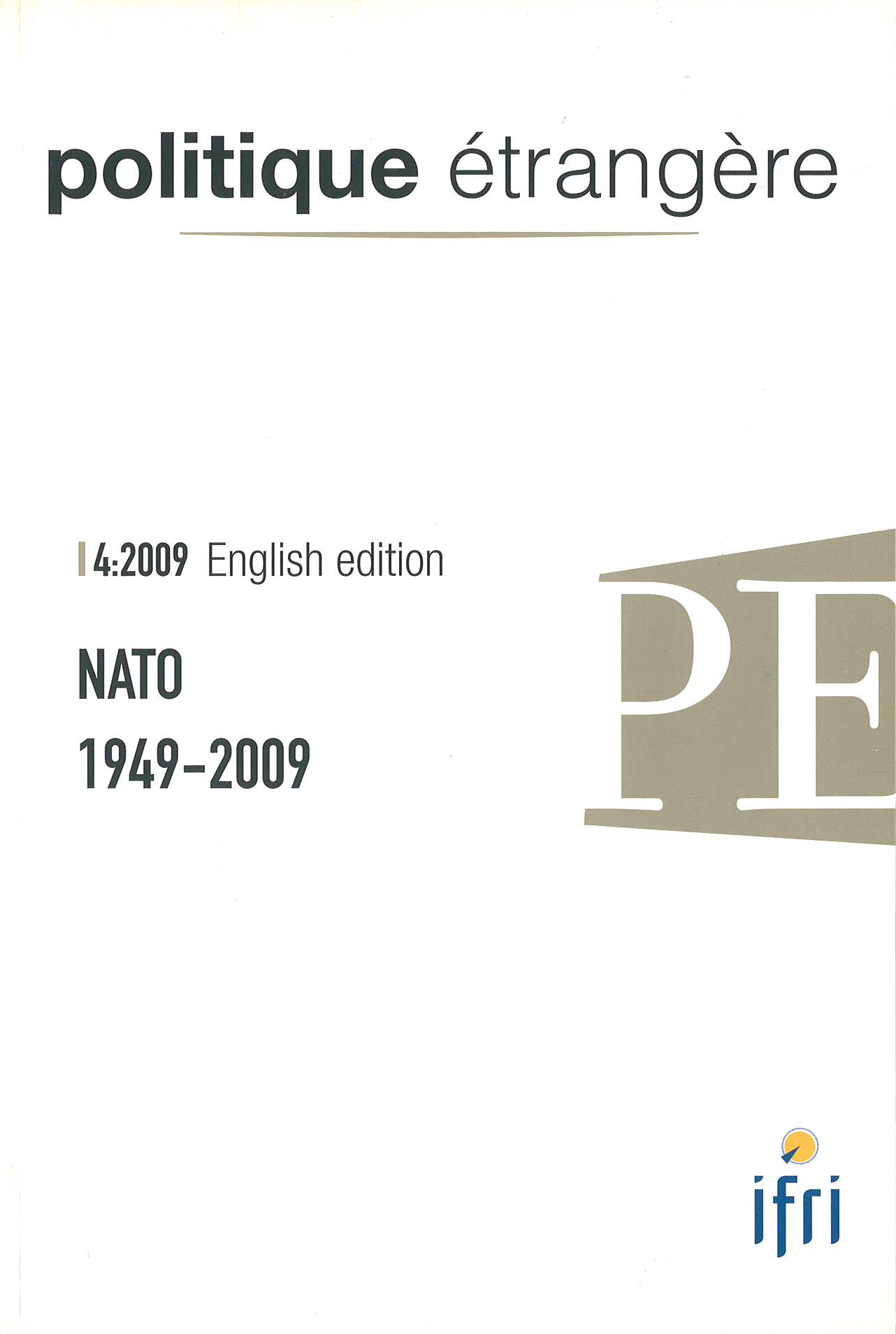
The lessons learned from its engagement in Afghanistan, a desire to transform itself, and its current financial problems are all factors pointing to the need to reform the Alliance. Formulating a new Strategic Concept will allow institutional reform to be associated with a new sense of purpose.

Reforming the Atlantic Alliance and adapting its structures and procedures to an ever-changing security environment has been a permanent fixture of the NATO agenda since the end of the Cold War. Lessons learned from the Alliance’s engagement in Afghanistan, transformational impulses within member nations and, more recently, resource concerns caused by the current financial crisis, have given additional impetus to the need for further reform.
Psychologically, NATO’s reaching the mature age of 60 has prompted a new sense of urgency, as reform is also meant to facilitate rejuvenation. Last, but not least, the elaboration of a new NATO Strategic Concept offers the opportunity to associate institutional reform with a renewed sense of purpose.
Generally, various reform ideas and proposals have sought to:
- Enhance situational awareness and political consultation, particularly in support of more effective and responsive crisis management, including the initiation of new operations
- Improve the oversight, management and resourcing of on-going operations
- Ensure a better match between political ambition, the development of modern defense capabilities and the availability of resources, notably through a reformed collective defense planning process
Some reform initiatives in the recent past have sought to shift authority over assets and resources to the Strategic Commanders. This was the case, notably, of proposals in the mid-1990s by the then Supreme Allied Commander, Atlantic (SACLANT), General John J. Sheehan, to create a new Supreme Allied Commander position with extensive authority over important support functions and capabilities that were spread out across a vast range of NATO entities. The trend, however, has been to move assets away from the NATO Military Authorities, as illustrated by the consolidation of the NATO Military Committee’s Advisory Group on Aerospace Research and Development (AGARD) and of the SHAPE Technical Center into new NATO civil structures, to achieve greater synergies but also enhanced budgetary accountability.
Other proposals for reform made by informed observers have gone much further and challenged the consensus rule that underpins NATO’s ‘governance’ in favor of majority voting or special rights by ‘coalitions of willing allies,’ or have sought to adapt it by restricting its application only to decision making in the Alliance’s governing body – the North Atlantic Council (NAC). […]
OUTLINE
- Reforming NATO: the record and the legacy
- Reform during the Cold War
- Reform after the Cold War - How to make further NATO reform possible
- NATO’s core purposes
- Guiding principles for further reform
- NATO’s ‘building blocks’ - Towards a more agile NATO
Diego A. Ruiz Palmer is Special advisor on net assessment at NATO's international secretariat in Brussels.

Available in:
Themes and regions
Share
This page contains only a summary of our work. If you would like to have access to all the information from our research on the subject, you can download the full version in PDF format.
Reforming NATO’s Institutions: Pressing Need, Enduring Obstacles, New Opportunities

Iran: Anatomy of a Power at War
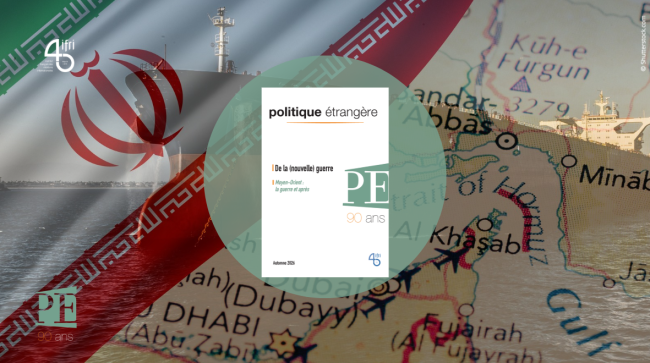
The elimination of Supreme Leader Ali Khamenei and several high-ranking officials at the outset of the 2026 American-Israeli operation did not succeed in bringing down the Iranian regime. The regime had prepared for such a scenario, notably by decentralizing its structures. Moreover, it continues to adapt to war. The power of the Islamic Revolutionary Guard Corps is growing at the expense of the Shiite clergy. The security apparatus defends the country’s sovereignty and justifies its actions in the name of raison d’état.

“Remodeling” the Middle East?
Chaos continues to spread, seemingly without end, across the Middle East. The Israeli-American attack on Iran has resulted in a clear military and diplomatic failure, but it is paving the way for a regional realignment, the consequences of which remain uncertain. New regional groupings are taking shape, either centered around Israel or built on the prospect of coexistence with Tehran, alongside a decline in American influence and the marginalization of Europe, while China maintains a low-key presence.

Silicon Valley and War: Lessons from Ukraine
Over the course of international conflicts, and particularly in Ukraine, major tech companies have emerged as central actors. Initially subject to wartime maneuvering, they have since become decisive actors in their own right, privatizing a significant share of wartime exchanges, shaping the information flows of societies, and presenting themselves as providers of security. This situation raises important questions about states’ autonomy in making decisions and taking action.

Does Artificial Intelligence Change the Nature of War?
From Gaza to Ukraine and Iran, current conflicts are being shaped by the arrival of artificial intelligence and robots on the battlefield. The changes under way are so profound that humans risk rapidly losing control over entire aspects of the conduct of military operations. While these technological developments are altering the character of war, their impact on the very nature of war itself remains a matter of debate.