





On (New) War
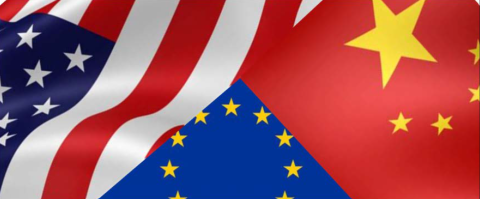
Are the new dynamics of power assertion, the redistribution of influence, and the emergence of new technologies changing both the place of war in the everyday life of our societies and the way war is waged when it occurs? Does the obsession with conflict, combined with technical efficiency, impose upon us a state of permanent latent war? And when weapons speak, does the involvement of modern technologies and the companies that produce them revolutionize both the political decision-making process and the way people are engaged in war? These are fundamental questions raised by the conflicts in Ukraine and the Middle East, and they are already shaping current thinking on military strategy and organization.
Afghanistan-Pakistan: The Overlooked War at the Margins of the Middle East Conflict
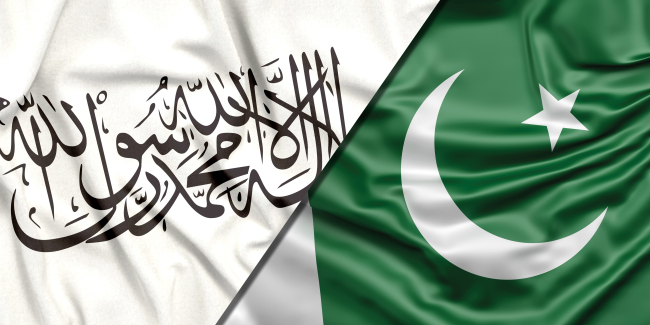
Pakistan has historically maintained the closest ties to the Taliban movement and initially viewed its return to power in Afghanistan in the summer of 2021 with considerable optimism. The bilateral relationship has since deteriorated, and the two neighbors have been caught in a cycle of escalation since last fall. In October 2025, Pakistan launched its first airstrikes on Kabul. For three weeks in February–March 2026, Afghanistan intensified ground assaults on the Pakistani side of the border as well as drone attacks on Islamabad and Rawalpindi. Pakistan, for its part, has intensified airstrikes on Afghan border areas, as well as on Kabul and Kandahar. Given the dynamics at play at the bilateral and regional levels, the prospects for a sustained return to stability appear limited.

The South versus the West?
In 2023, forums that amplify the voice of the “Global South” have proliferated and grown louder. As contradictory and divided as they may be, these forums (BRICS+, Shanghai Cooperation Organization (SCO), G20, the Group of 77, the European Silk Road Summit…) attest to the emergence of new power relations, and especially new directions in foreign policy, with states rejecting alignment with the dominant powers of the past in favor of putting their own interests first. A new world is taking shape, with changeable, still uncertain, contours.

French Expert Says Afghanistan-Related Challenges Loom Large for Central Asia as Geopolitical Competition Intensifies
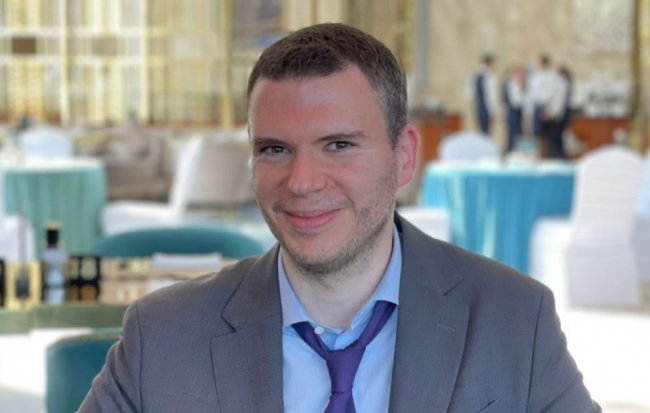
Addressing the situation in Afghanistan remains on top of the agenda for Central Asia, said Michael Levystone, an associate research fellow at the Institut Français des Relations Internationale (IFRI) Russia/Eurasia Center, in an exclusive interview with The Astana Times. The expert, who participated in the Astana International Forum (AIF) on June 8-9, also discussed the intensifying geopolitical competition in Central Asia, regional connectivity and water scarcity.
Climate: Which Way Forward?
Thirty years after Rio, the case file “Climate: Which way forward?” assesses current climate commitments, which are undoubtedly less impressive and less certain than the political pronouncements and media fanfare make them seem. A number of fundamental problems remain.
Foreign Policy: France at a Turning Point?
An exceptional issue of Politique étrangère
Confronted with a world in which the fundamentals are being redefined, France’s foreign policy is under scrutiny. In which geographies should France assert its presence? To which major challenges should France be responding in order to survive in tomorrow’s world? What kind of relationship to that world should France be establishing, as thirty years of Western intervention have ended in catastrophic failure in Afghanistan?
RAMSES 2022. Beyond Covid
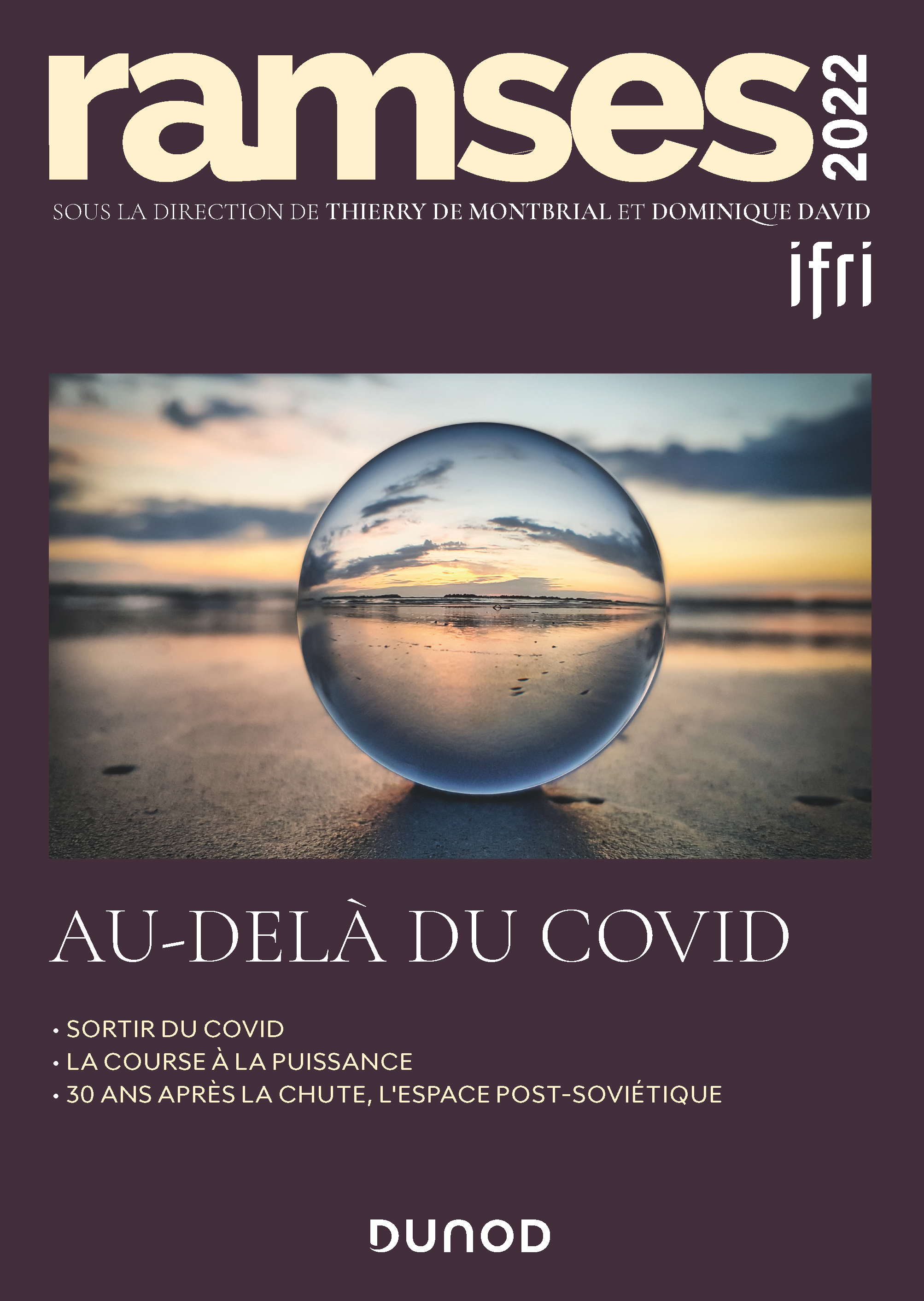
For its 40th edition, RAMSES 2022. Beyond Covid, written by Ifri's research team and external experts, offers an in-depth and up-to-date analysis of geopolitics in today’s world.
Quel avenir pour le djihadisme ? Al-Qaïda et Daech après le califat
Despite a relative weakening since 2017, the international jihadist movement should continue to pose a genuine threat over the next decade.
What Next for Afghanistan?
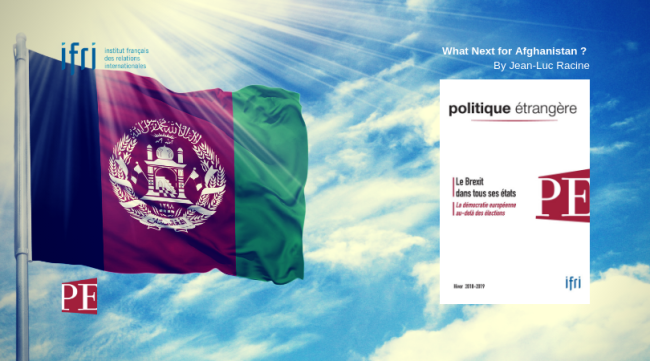
In a context defined by the failure of military interventions, multiple attacks, and criticized parliamentary elections, uncertainty reigns over the country.
Making Sense of Russia’s Policy in Afghanistan
For some time, Western sources have been accusing Moscow of backing the Taliban regime in Afghanistan.
Russia’s Afghan Policy in the Regional and Russia-West Contexts
This report seeks to explain the main trends in Russia’s evolving Afghanistan policy, with the focus on its regionalization, diversification, and new emphasis on diplomacy that culminated in Moscow regional peace consultations. It argues that none of Russia’s Afghanistan-related concerns can be alleviated as long as the armed conflict there continues in full force. This makes Moscow genuinely interested in stabilization.
Afghanistan’s Difficult Transition
Afghanistan’s transition has been, politically speaking, slower than first expected; militarily, it has been difficult with the Taliban increasing its attacks in many provinces, compromising the possibility of dialogue with the new power; and a diplomatic transition in which partners and neighbors have moved slowly from dialogue to action.
European Defense Revisited / The United Kingdom and the EU: in or out?
Building Security Institutions: Lessons Learned in Afghanistan
After its rapid military victory over the Taliban, the international community underestimated the resources, time and work that would be required enforce to Security Sector Reform (SSR) in Afghanistan. Even though the Afghan population was supportive of the coalition’s efforts at first, the light footprint approach, fostered by the Europeans, failed to provide with satisfying results as the insurgency made its way through popular frustration.
Caveats to Civilian Aid Programs in Counterinsurgency: The French Experience in Afghanistan
Amaury de Féligonde has just spent one year in Kapisa and Surobi as a project manager within the Afghan-Pakistan Interministerial Unit. Back in France, he expresses his personal views and draws conclusions from his experience.
German Military Engagement in Afghanistan: Conditions, Assessment, Outlook
Since the beginning of 2010, German authorities have become conscious of the fact that they cannot continue to maintain the Bundeswehr’s involvement in Afghanistan with a majority of the German population opposing it. It is clearly understood that the federal government and the Bundestag will adhere to President Obama’s plans to gradually withdraw national troops from ISAF, starting in the summer of 2011, and to hand over complete control of the country’s security to Afghani authorities.
Towards a Security Web
There is no global mechanism that can guarantee security effectively in the face of the growing threat of political chaos, stemming from the recent political awakening of humanity. There is no global mechanism that can guarantee security effectively in the face of the growing threat of political chaos, stemming from the recent political awakening of humanity.
Reforming NATO’s Institutions: Pressing Need, Enduring Obstacles, New Opportunities
The lessons learned from its engagement in Afghanistan, a desire to transform itself, and its current financial problems are all factors pointing to the need to reform the Alliance. Formulating a new Strategic Concept will allow institutional reform to be associated with a new sense of purpose.
The Global NATO Debate
The ultimate direction taken by the Alliance – be it a ‘return to home base,’ a ‘global expansion’ or the pursuit of ‘global missions’ – will be heavily influenced by perceptions of what happens in Afghanistan over the next two years.
On (New) War
Are the new dynamics of power assertion, the redistribution of influence, and the emergence of new technologies changing both the place of war in the everyday life of our societies and the way war is waged when it occurs? Does the obsession with conflict, combined with technical efficiency, impose upon us a state of permanent latent war? And when weapons speak, does the involvement of modern technologies and the companies that produce them revolutionize both the political decision-making process and the way people are engaged in war? These are fundamental questions raised by the conflicts in Ukraine and the Middle East, and they are already shaping current thinking on military strategy and organization.
Afghanistan-Pakistan: The Overlooked War at the Margins of the Middle East Conflict
Pakistan has historically maintained the closest ties to the Taliban movement and initially viewed its return to power in Afghanistan in the summer of 2021 with considerable optimism. The bilateral relationship has since deteriorated, and the two neighbors have been caught in a cycle of escalation since last fall. In October 2025, Pakistan launched its first airstrikes on Kabul. For three weeks in February–March 2026, Afghanistan intensified ground assaults on the Pakistani side of the border as well as drone attacks on Islamabad and Rawalpindi. Pakistan, for its part, has intensified airstrikes on Afghan border areas, as well as on Kabul and Kandahar. Given the dynamics at play at the bilateral and regional levels, the prospects for a sustained return to stability appear limited.
Towards a Security Web
There is no global mechanism that can guarantee security effectively in the face of the growing threat of political chaos, stemming from the recent political awakening of humanity. There is no global mechanism that can guarantee security effectively in the face of the growing threat of political chaos, stemming from the recent political awakening of humanity.
The Global NATO Debate
The ultimate direction taken by the Alliance – be it a ‘return to home base,’ a ‘global expansion’ or the pursuit of ‘global missions’ – will be heavily influenced by perceptions of what happens in Afghanistan over the next two years.
Reforming NATO’s Institutions: Pressing Need, Enduring Obstacles, New Opportunities
The lessons learned from its engagement in Afghanistan, a desire to transform itself, and its current financial problems are all factors pointing to the need to reform the Alliance. Formulating a new Strategic Concept will allow institutional reform to be associated with a new sense of purpose.
The South versus the West?
In 2023, forums that amplify the voice of the “Global South” have proliferated and grown louder. As contradictory and divided as they may be, these forums (BRICS+, Shanghai Cooperation Organization (SCO), G20, the Group of 77, the European Silk Road Summit…) attest to the emergence of new power relations, and especially new directions in foreign policy, with states rejecting alignment with the dominant powers of the past in favor of putting their own interests first. A new world is taking shape, with changeable, still uncertain, contours.
Climate: Which Way Forward?
Thirty years after Rio, the case file “Climate: Which way forward?” assesses current climate commitments, which are undoubtedly less impressive and less certain than the political pronouncements and media fanfare make them seem. A number of fundamental problems remain.
Foreign Policy: France at a Turning Point?
An exceptional issue of Politique étrangère
Confronted with a world in which the fundamentals are being redefined, France’s foreign policy is under scrutiny. In which geographies should France assert its presence? To which major challenges should France be responding in order to survive in tomorrow’s world? What kind of relationship to that world should France be establishing, as thirty years of Western intervention have ended in catastrophic failure in Afghanistan?
RAMSES 2022. Beyond Covid
For its 40th edition, RAMSES 2022. Beyond Covid, written by Ifri's research team and external experts, offers an in-depth and up-to-date analysis of geopolitics in today’s world.
Quel avenir pour le djihadisme ? Al-Qaïda et Daech après le califat
Despite a relative weakening since 2017, the international jihadist movement should continue to pose a genuine threat over the next decade.
What Next for Afghanistan?
In a context defined by the failure of military interventions, multiple attacks, and criticized parliamentary elections, uncertainty reigns over the country.
Making Sense of Russia’s Policy in Afghanistan
For some time, Western sources have been accusing Moscow of backing the Taliban regime in Afghanistan.
Russia’s Afghan Policy in the Regional and Russia-West Contexts
This report seeks to explain the main trends in Russia’s evolving Afghanistan policy, with the focus on its regionalization, diversification, and new emphasis on diplomacy that culminated in Moscow regional peace consultations. It argues that none of Russia’s Afghanistan-related concerns can be alleviated as long as the armed conflict there continues in full force. This makes Moscow genuinely interested in stabilization.
Afghanistan’s Difficult Transition
Afghanistan’s transition has been, politically speaking, slower than first expected; militarily, it has been difficult with the Taliban increasing its attacks in many provinces, compromising the possibility of dialogue with the new power; and a diplomatic transition in which partners and neighbors have moved slowly from dialogue to action.
Building Security Institutions: Lessons Learned in Afghanistan
After its rapid military victory over the Taliban, the international community underestimated the resources, time and work that would be required enforce to Security Sector Reform (SSR) in Afghanistan. Even though the Afghan population was supportive of the coalition’s efforts at first, the light footprint approach, fostered by the Europeans, failed to provide with satisfying results as the insurgency made its way through popular frustration.
Caveats to Civilian Aid Programs in Counterinsurgency: The French Experience in Afghanistan
Amaury de Féligonde has just spent one year in Kapisa and Surobi as a project manager within the Afghan-Pakistan Interministerial Unit. Back in France, he expresses his personal views and draws conclusions from his experience.
German Military Engagement in Afghanistan: Conditions, Assessment, Outlook
Since the beginning of 2010, German authorities have become conscious of the fact that they cannot continue to maintain the Bundeswehr’s involvement in Afghanistan with a majority of the German population opposing it. It is clearly understood that the federal government and the Bundestag will adhere to President Obama’s plans to gradually withdraw national troops from ISAF, starting in the summer of 2011, and to hand over complete control of the country’s security to Afghani authorities.
On (New) War
Are the new dynamics of power assertion, the redistribution of influence, and the emergence of new technologies changing both the place of war in the everyday life of our societies and the way war is waged when it occurs? Does the obsession with conflict, combined with technical efficiency, impose upon us a state of permanent latent war? And when weapons speak, does the involvement of modern technologies and the companies that produce them revolutionize both the political decision-making process and the way people are engaged in war? These are fundamental questions raised by the conflicts in Ukraine and the Middle East, and they are already shaping current thinking on military strategy and organization.
Afghanistan-Pakistan: The Overlooked War at the Margins of the Middle East Conflict
Pakistan has historically maintained the closest ties to the Taliban movement and initially viewed its return to power in Afghanistan in the summer of 2021 with considerable optimism. The bilateral relationship has since deteriorated, and the two neighbors have been caught in a cycle of escalation since last fall. In October 2025, Pakistan launched its first airstrikes on Kabul. For three weeks in February–March 2026, Afghanistan intensified ground assaults on the Pakistani side of the border as well as drone attacks on Islamabad and Rawalpindi. Pakistan, for its part, has intensified airstrikes on Afghan border areas, as well as on Kabul and Kandahar. Given the dynamics at play at the bilateral and regional levels, the prospects for a sustained return to stability appear limited.
The South versus the West?
In 2023, forums that amplify the voice of the “Global South” have proliferated and grown louder. As contradictory and divided as they may be, these forums (BRICS+, Shanghai Cooperation Organization (SCO), G20, the Group of 77, the European Silk Road Summit…) attest to the emergence of new power relations, and especially new directions in foreign policy, with states rejecting alignment with the dominant powers of the past in favor of putting their own interests first. A new world is taking shape, with changeable, still uncertain, contours.
French Expert Says Afghanistan-Related Challenges Loom Large for Central Asia as Geopolitical Competition Intensifies
Addressing the situation in Afghanistan remains on top of the agenda for Central Asia, said Michael Levystone, an associate research fellow at the Institut Français des Relations Internationale (IFRI) Russia/Eurasia Center, in an exclusive interview with The Astana Times. The expert, who participated in the Astana International Forum (AIF) on June 8-9, also discussed the intensifying geopolitical competition in Central Asia, regional connectivity and water scarcity.
Climate: Which Way Forward?
Thirty years after Rio, the case file “Climate: Which way forward?” assesses current climate commitments, which are undoubtedly less impressive and less certain than the political pronouncements and media fanfare make them seem. A number of fundamental problems remain.
Foreign Policy: France at a Turning Point?
An exceptional issue of Politique étrangère
Confronted with a world in which the fundamentals are being redefined, France’s foreign policy is under scrutiny. In which geographies should France assert its presence? To which major challenges should France be responding in order to survive in tomorrow’s world? What kind of relationship to that world should France be establishing, as thirty years of Western intervention have ended in catastrophic failure in Afghanistan?
RAMSES 2022. Beyond Covid
For its 40th edition, RAMSES 2022. Beyond Covid, written by Ifri's research team and external experts, offers an in-depth and up-to-date analysis of geopolitics in today’s world.
Quel avenir pour le djihadisme ? Al-Qaïda et Daech après le califat
Despite a relative weakening since 2017, the international jihadist movement should continue to pose a genuine threat over the next decade.
What Next for Afghanistan?
In a context defined by the failure of military interventions, multiple attacks, and criticized parliamentary elections, uncertainty reigns over the country.
Making Sense of Russia’s Policy in Afghanistan
For some time, Western sources have been accusing Moscow of backing the Taliban regime in Afghanistan.
Russia’s Afghan Policy in the Regional and Russia-West Contexts
This report seeks to explain the main trends in Russia’s evolving Afghanistan policy, with the focus on its regionalization, diversification, and new emphasis on diplomacy that culminated in Moscow regional peace consultations. It argues that none of Russia’s Afghanistan-related concerns can be alleviated as long as the armed conflict there continues in full force. This makes Moscow genuinely interested in stabilization.
Afghanistan’s Difficult Transition
Afghanistan’s transition has been, politically speaking, slower than first expected; militarily, it has been difficult with the Taliban increasing its attacks in many provinces, compromising the possibility of dialogue with the new power; and a diplomatic transition in which partners and neighbors have moved slowly from dialogue to action.
European Defense Revisited / The United Kingdom and the EU: in or out?
Building Security Institutions: Lessons Learned in Afghanistan
After its rapid military victory over the Taliban, the international community underestimated the resources, time and work that would be required enforce to Security Sector Reform (SSR) in Afghanistan. Even though the Afghan population was supportive of the coalition’s efforts at first, the light footprint approach, fostered by the Europeans, failed to provide with satisfying results as the insurgency made its way through popular frustration.
Caveats to Civilian Aid Programs in Counterinsurgency: The French Experience in Afghanistan
Amaury de Féligonde has just spent one year in Kapisa and Surobi as a project manager within the Afghan-Pakistan Interministerial Unit. Back in France, he expresses his personal views and draws conclusions from his experience.
German Military Engagement in Afghanistan: Conditions, Assessment, Outlook
Since the beginning of 2010, German authorities have become conscious of the fact that they cannot continue to maintain the Bundeswehr’s involvement in Afghanistan with a majority of the German population opposing it. It is clearly understood that the federal government and the Bundestag will adhere to President Obama’s plans to gradually withdraw national troops from ISAF, starting in the summer of 2011, and to hand over complete control of the country’s security to Afghani authorities.
Towards a Security Web
There is no global mechanism that can guarantee security effectively in the face of the growing threat of political chaos, stemming from the recent political awakening of humanity. There is no global mechanism that can guarantee security effectively in the face of the growing threat of political chaos, stemming from the recent political awakening of humanity.
Reforming NATO’s Institutions: Pressing Need, Enduring Obstacles, New Opportunities
The lessons learned from its engagement in Afghanistan, a desire to transform itself, and its current financial problems are all factors pointing to the need to reform the Alliance. Formulating a new Strategic Concept will allow institutional reform to be associated with a new sense of purpose.
The Global NATO Debate
The ultimate direction taken by the Alliance – be it a ‘return to home base,’ a ‘global expansion’ or the pursuit of ‘global missions’ – will be heavily influenced by perceptions of what happens in Afghanistan over the next two years.
On (New) War
Are the new dynamics of power assertion, the redistribution of influence, and the emergence of new technologies changing both the place of war in the everyday life of our societies and the way war is waged when it occurs? Does the obsession with conflict, combined with technical efficiency, impose upon us a state of permanent latent war? And when weapons speak, does the involvement of modern technologies and the companies that produce them revolutionize both the political decision-making process and the way people are engaged in war? These are fundamental questions raised by the conflicts in Ukraine and the Middle East, and they are already shaping current thinking on military strategy and organization.
Afghanistan-Pakistan: The Overlooked War at the Margins of the Middle East Conflict
Pakistan has historically maintained the closest ties to the Taliban movement and initially viewed its return to power in Afghanistan in the summer of 2021 with considerable optimism. The bilateral relationship has since deteriorated, and the two neighbors have been caught in a cycle of escalation since last fall. In October 2025, Pakistan launched its first airstrikes on Kabul. For three weeks in February–March 2026, Afghanistan intensified ground assaults on the Pakistani side of the border as well as drone attacks on Islamabad and Rawalpindi. Pakistan, for its part, has intensified airstrikes on Afghan border areas, as well as on Kabul and Kandahar. Given the dynamics at play at the bilateral and regional levels, the prospects for a sustained return to stability appear limited.
Towards a Security Web
There is no global mechanism that can guarantee security effectively in the face of the growing threat of political chaos, stemming from the recent political awakening of humanity. There is no global mechanism that can guarantee security effectively in the face of the growing threat of political chaos, stemming from the recent political awakening of humanity.
The Global NATO Debate
The ultimate direction taken by the Alliance – be it a ‘return to home base,’ a ‘global expansion’ or the pursuit of ‘global missions’ – will be heavily influenced by perceptions of what happens in Afghanistan over the next two years.
Reforming NATO’s Institutions: Pressing Need, Enduring Obstacles, New Opportunities
The lessons learned from its engagement in Afghanistan, a desire to transform itself, and its current financial problems are all factors pointing to the need to reform the Alliance. Formulating a new Strategic Concept will allow institutional reform to be associated with a new sense of purpose.
The South versus the West?
In 2023, forums that amplify the voice of the “Global South” have proliferated and grown louder. As contradictory and divided as they may be, these forums (BRICS+, Shanghai Cooperation Organization (SCO), G20, the Group of 77, the European Silk Road Summit…) attest to the emergence of new power relations, and especially new directions in foreign policy, with states rejecting alignment with the dominant powers of the past in favor of putting their own interests first. A new world is taking shape, with changeable, still uncertain, contours.
Climate: Which Way Forward?
Thirty years after Rio, the case file “Climate: Which way forward?” assesses current climate commitments, which are undoubtedly less impressive and less certain than the political pronouncements and media fanfare make them seem. A number of fundamental problems remain.
Foreign Policy: France at a Turning Point?
An exceptional issue of Politique étrangère
Confronted with a world in which the fundamentals are being redefined, France’s foreign policy is under scrutiny. In which geographies should France assert its presence? To which major challenges should France be responding in order to survive in tomorrow’s world? What kind of relationship to that world should France be establishing, as thirty years of Western intervention have ended in catastrophic failure in Afghanistan?
RAMSES 2022. Beyond Covid
For its 40th edition, RAMSES 2022. Beyond Covid, written by Ifri's research team and external experts, offers an in-depth and up-to-date analysis of geopolitics in today’s world.
Quel avenir pour le djihadisme ? Al-Qaïda et Daech après le califat
Despite a relative weakening since 2017, the international jihadist movement should continue to pose a genuine threat over the next decade.
What Next for Afghanistan?
In a context defined by the failure of military interventions, multiple attacks, and criticized parliamentary elections, uncertainty reigns over the country.
Making Sense of Russia’s Policy in Afghanistan
For some time, Western sources have been accusing Moscow of backing the Taliban regime in Afghanistan.
Russia’s Afghan Policy in the Regional and Russia-West Contexts
This report seeks to explain the main trends in Russia’s evolving Afghanistan policy, with the focus on its regionalization, diversification, and new emphasis on diplomacy that culminated in Moscow regional peace consultations. It argues that none of Russia’s Afghanistan-related concerns can be alleviated as long as the armed conflict there continues in full force. This makes Moscow genuinely interested in stabilization.
Afghanistan’s Difficult Transition
Afghanistan’s transition has been, politically speaking, slower than first expected; militarily, it has been difficult with the Taliban increasing its attacks in many provinces, compromising the possibility of dialogue with the new power; and a diplomatic transition in which partners and neighbors have moved slowly from dialogue to action.
Building Security Institutions: Lessons Learned in Afghanistan
After its rapid military victory over the Taliban, the international community underestimated the resources, time and work that would be required enforce to Security Sector Reform (SSR) in Afghanistan. Even though the Afghan population was supportive of the coalition’s efforts at first, the light footprint approach, fostered by the Europeans, failed to provide with satisfying results as the insurgency made its way through popular frustration.
Caveats to Civilian Aid Programs in Counterinsurgency: The French Experience in Afghanistan
Amaury de Féligonde has just spent one year in Kapisa and Surobi as a project manager within the Afghan-Pakistan Interministerial Unit. Back in France, he expresses his personal views and draws conclusions from his experience.
German Military Engagement in Afghanistan: Conditions, Assessment, Outlook
Since the beginning of 2010, German authorities have become conscious of the fact that they cannot continue to maintain the Bundeswehr’s involvement in Afghanistan with a majority of the German population opposing it. It is clearly understood that the federal government and the Bundestag will adhere to President Obama’s plans to gradually withdraw national troops from ISAF, starting in the summer of 2011, and to hand over complete control of the country’s security to Afghani authorities.
Ifri, a foundation recognized as being of public utility, relies largely on private donors – companies and individuals – to guarantee its sustainability and intellectual independence. Through their funding, donors help maintain the Institute's position among the world's leading think tanks. By benefiting from an internationally recognized network and expertise, donors refine their understanding of geopolitical risk and its consequences on global politics and the economy. In 2026, Ifri partners with over 90 French and international companies and organizations.
