


Strategic positioning and energy challenges for Türkiye in the Black Sea

Practical information
Themes and regions
Related centers and programs
This is a private event.
Learn more about our corporate support packagesThe Black Sea has become a battleground in the Russian-Ukrainian war. While Moscow asserts its ambitions for power at sea and on land, Ankara controls maritime access through the strait. Turkey plays the role of mediator to ensure the security of grain and hydrocarbon convoys, but the situation seems blocked and the future remains open: to what extent does Turkey ensure the dual security of energy and food in the Black Sea?
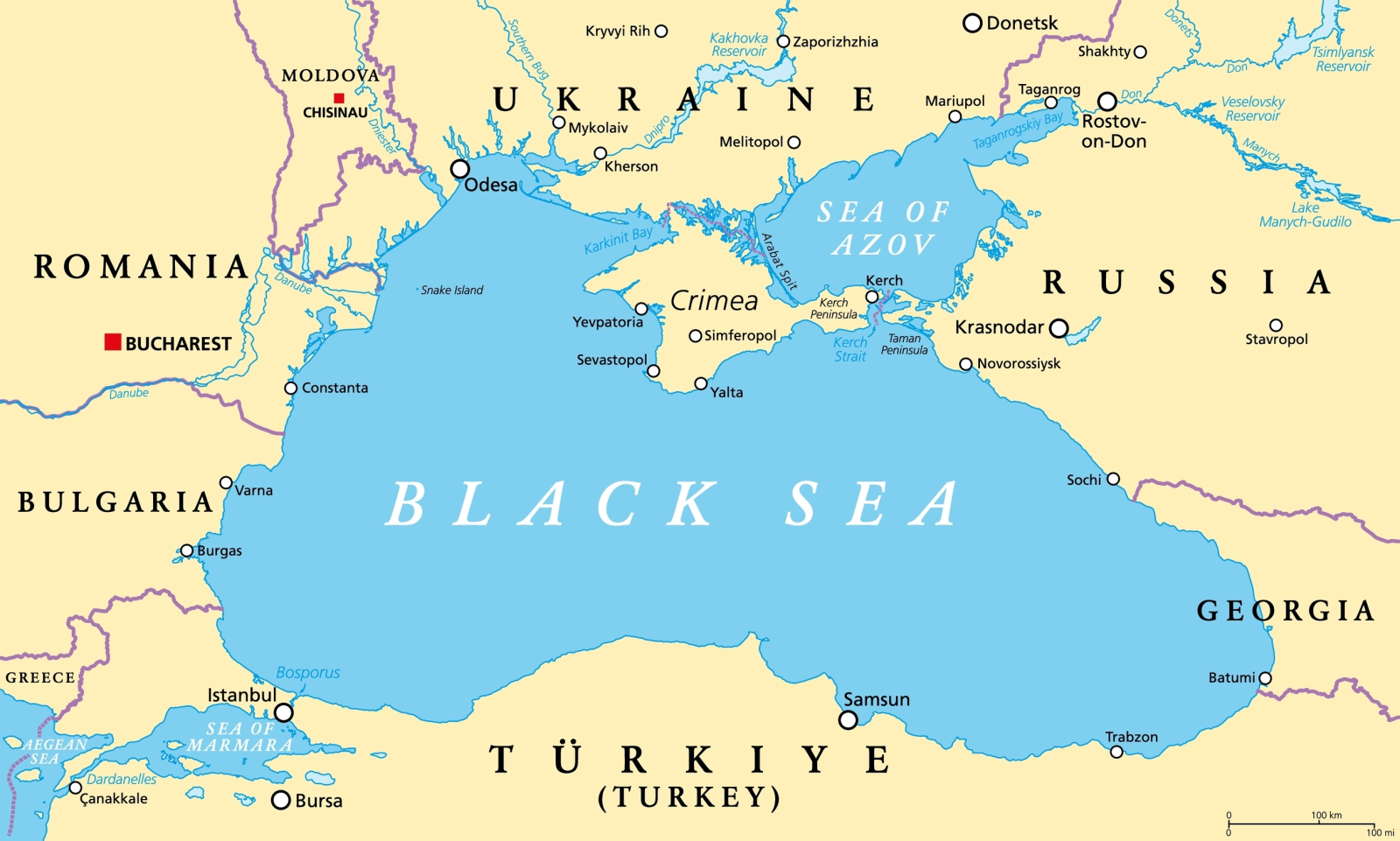
Co-organized by Ifri and the Ankara office of the think tank GMF (German Marshall Fund of the United States), this event will bring together Turkish and French experts to better understand Turkish options in the Black Sea against the backdrop of the Russian-Ukrainian conflict.
This conference will take place in English and in person at Ifri only.
All times are listed in Paris time (CET).
PROGRAM
3.00-4.30 PM
Panel 1 : Russia-Ukraine War and Implications for Security in the Black Sea and Caucasus Region
- Mustafa Aydın, professor of international relations, Kadir Has University and president of the International Relations Council of Türkiye
- Isabelle Lasserre, senior reporter, Le Figaro
Chair: Dorothée Schmid, Director of the Türkiye/Middle East program at IFRI
4.30-5.00 PM Coffee break
5.00-6.30 PM
Panel 2: EU-Türkiye Cooperation on Energy Security and Transition
- Kadri Taştan, GMF expert, non-resident senior fellow in GMF’s Brussels office
- Noemie Rebiere, energy security expert
Chair: Özgür Unluhisarcikli, GMF Ankara Office Director.
> The summary of the event is available via the following link: Strategic positioning and energy challenges for Türkiye in the Black Sea
Related Subjects
Other events
Role of Intelligence for Political Decision Making
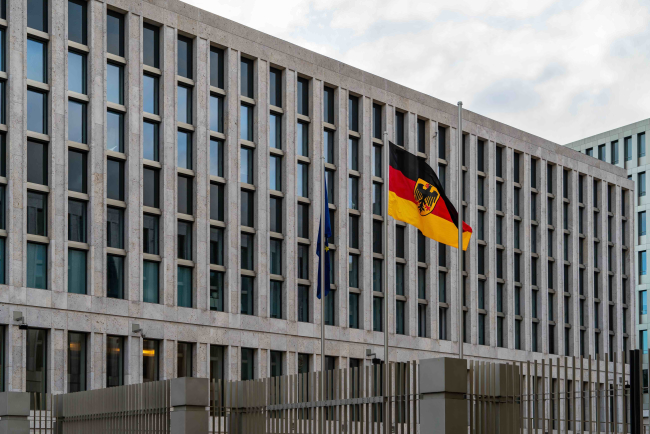
As part of the intelligence-focused BBS, organized in partnership with the Intelligence College in Europe, Ifri welcomes Mr. Philipp Wolff, Coordinator of the German Federal Intelligence services at the Federal Chancellery.
Nuclear Sharing in Europe: A Contested Policy That Endures
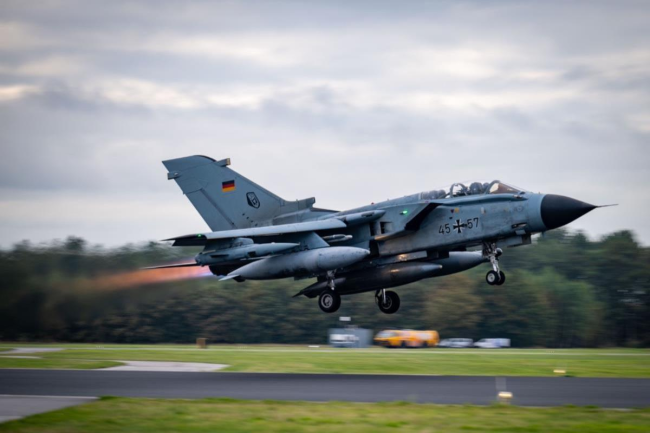
Since the end of the Cold War, the number of US nuclear weapons stationed in Europe has fallen more than seventy-fold, yet their presence in Belgium, Germany, Italy, the Netherlands, and Turkey remains a quiet pillar of NATO's deterrence posture. This "nuclear sharing" arrangement, central to the Alliance since its founding, has long been contested by public opinion, political parties, and civil society across Europe, without ever being abandoned by host governments. This paradox lies at the heart of the seminar: why does such an unpopular policy persist?