



Dynamics and drivers of shale gas development in three European countries: can a European policy be imagined?
The European Commission introduced in its Work Programme 2013 an action regarding “Environmental climate and energy assessment framework to enable safe and secure unconventional hydrocarbon extraction”.
After having assessed the existing legislative framework appropriateness regarding climate and environmental impacts of shale gas development in Europe, and having noted some improvements that could be proposed when using the hydraulic fracturing technique, the debate is now shifting to address the issue of the good governance level. To what extent a European initiative could be more effective or comprehensive than national legislation? In particular, it remains unclear whether a common EU policy that goes beyond environmental and climate measures can be built to regulate the industrial exploitation of shale gas in Europe.
However, before talking about a common European shale gas policy, it is necessary to look at the status of projects and initiatives at the national level. It appears that only three states have begun the process of developing shale gas resources at large scale, Denmark, Poland and the United Kingdom. Indeed, other countries with significant resources have banned exploration or hydraulic fracturing technique (France, Bulgaria), suspended the activity (Germany, Switzerland, Netherlands, Austria, Czech Republic), or have just begun to consider operations (Romania, Spain).Therefore, an analysis of the characteristics of shale gas development in these three countries can actually give a picture of the on-going process of developing large-scale shale gas in Europe and assess whether a common European framework would be more suitable than the current national legislations.
(To Read the Full Text, Download the document).

Available in:
Regions and themes
ISBN / ISSN
Share
This page contains only a summary of our work. If you would like to have access to all the information from our research on the subject, you can download the full version in PDF format.
Dynamics and drivers of shale gas development in three European countries: can a European policy be imagined?

Center for Energy & Climate
Ifri's Energy and Climate Center carries out activities and research on the geopolitical and geoeconomic issues of energy transitions such as energy security, competitiveness, control of value chains, and acceptability. Specialized in the study of European energy/climate policies as well as energy markets in Europe and around the world, its work also focuses on the energy and climate strategies of major powers such as the United States, China or India. It offers recognized expertise, enriched by international collaborations and events, particularly in Paris and Brussels.
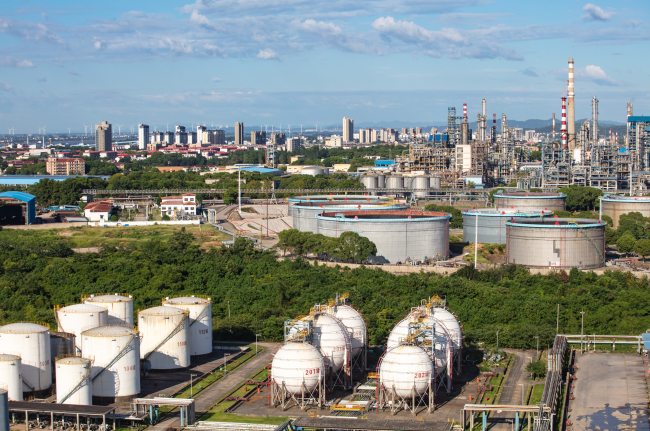
China’s Hydrogen Economy Five Years On
China’s hydrogen sector is not new. It is the world’s largest industrial hydrogen system, rooted in ammonia, methanol, refining, coal chemicals and by-product gas streams.
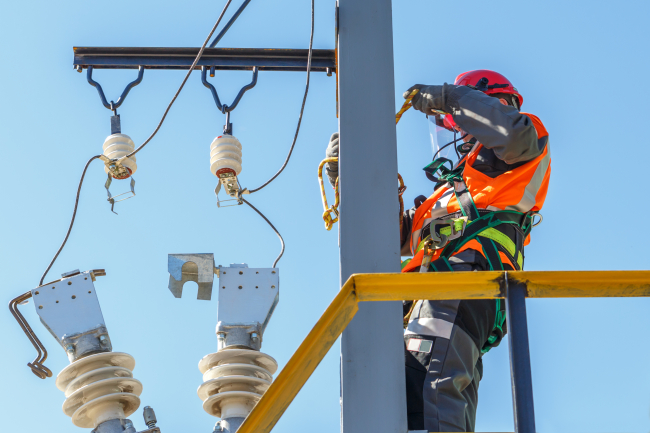
27 Plans for 2027: Turning the Electrification Action Plan into National Action
With the aim of structurally reducing the European economy’s dependence on fossil fuel imports and accelerating the energy transition, the European Commission has opted for electrification.
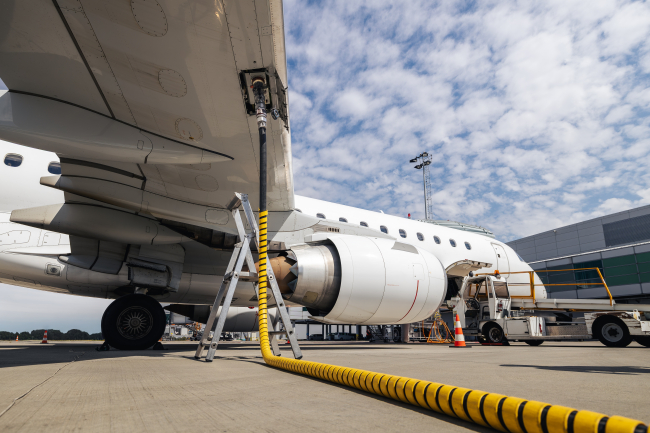
How to Make European e-SAF Production under RefuelEU Aviation Fly?
Three and a half years before the scheduled entry into force of the European regulation ReFuelEU Aviation (RFEUA), which requires aviation fuel suppliers at Union airports to offer a sustainable synthetic alternative (e-SAF), no sizeable commercial production unit (greater than 10,000 tons per year) is active within Europe yet, nor has it even passed the Final Investment Decision (FID). Is a major step in the European Union (EU) plans for decarbonizing air transport at risk of not happening, or at least being postponed for several years? Is Europe losing its bet to create a market for e-SAF? Under what conditions can this bet still be won? Could sovereignty and energy security preoccupations unlock necessary public support and help to overcome economic, financial, logistical or administrative obstacles?
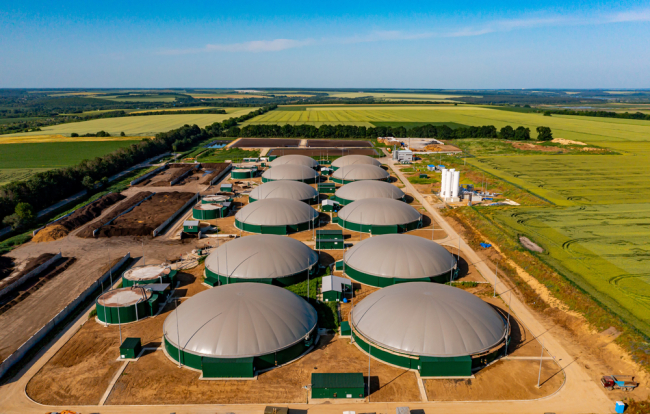
The European Biomethane Sector at a Critical Juncture: Stronger Policy Alignment Will Matter
The European biomethane sector is at a critical juncture.