



Germany Maintains Its Single Electricity Price Zone: Implications
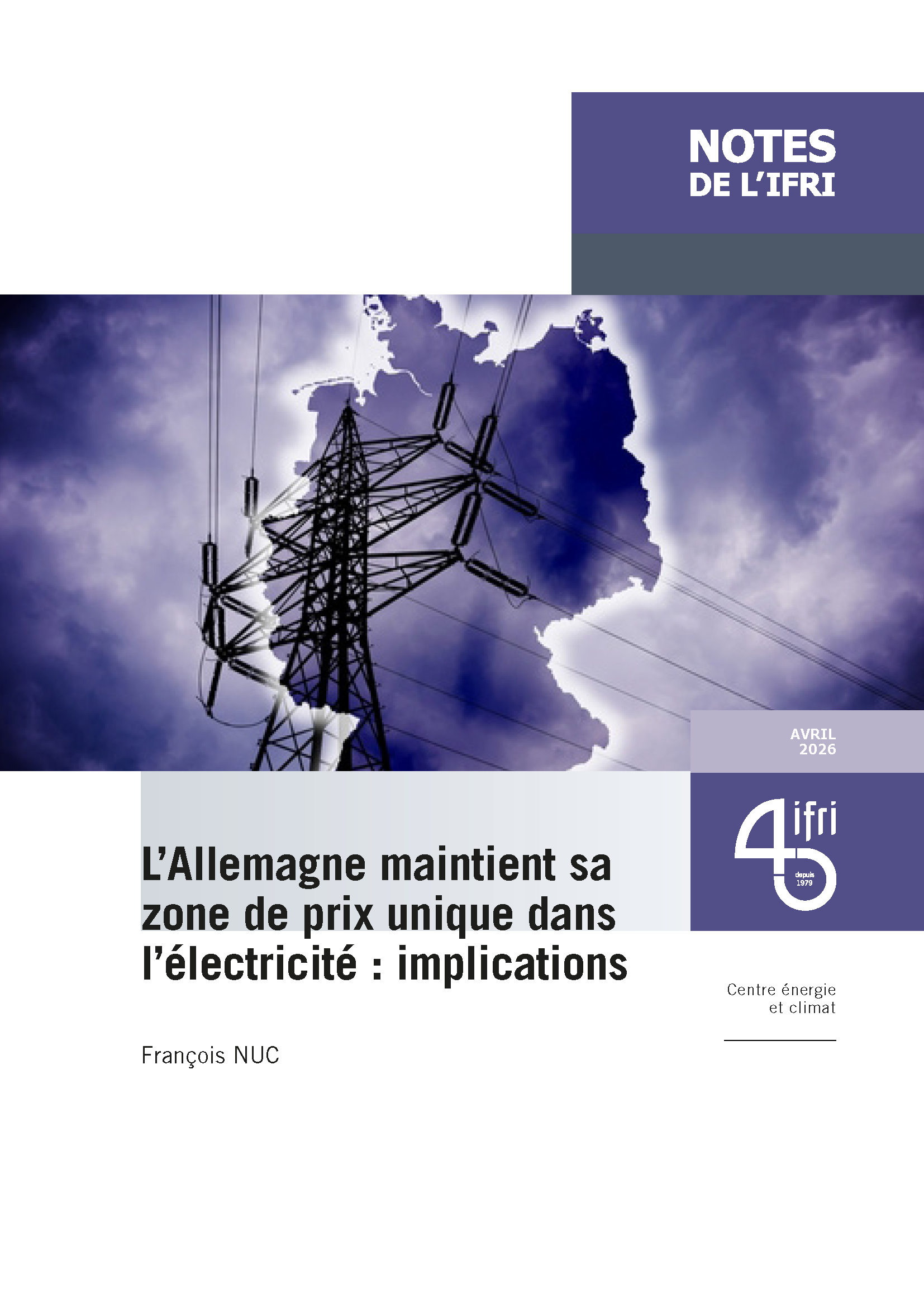
In December 2025, Germany refused to split its bidding zone despite recommendations from ENTSO-E, in order to preserve its federal unity, market liquidity, and the competitiveness of its industry, at the cost of persistent North-South imbalances.
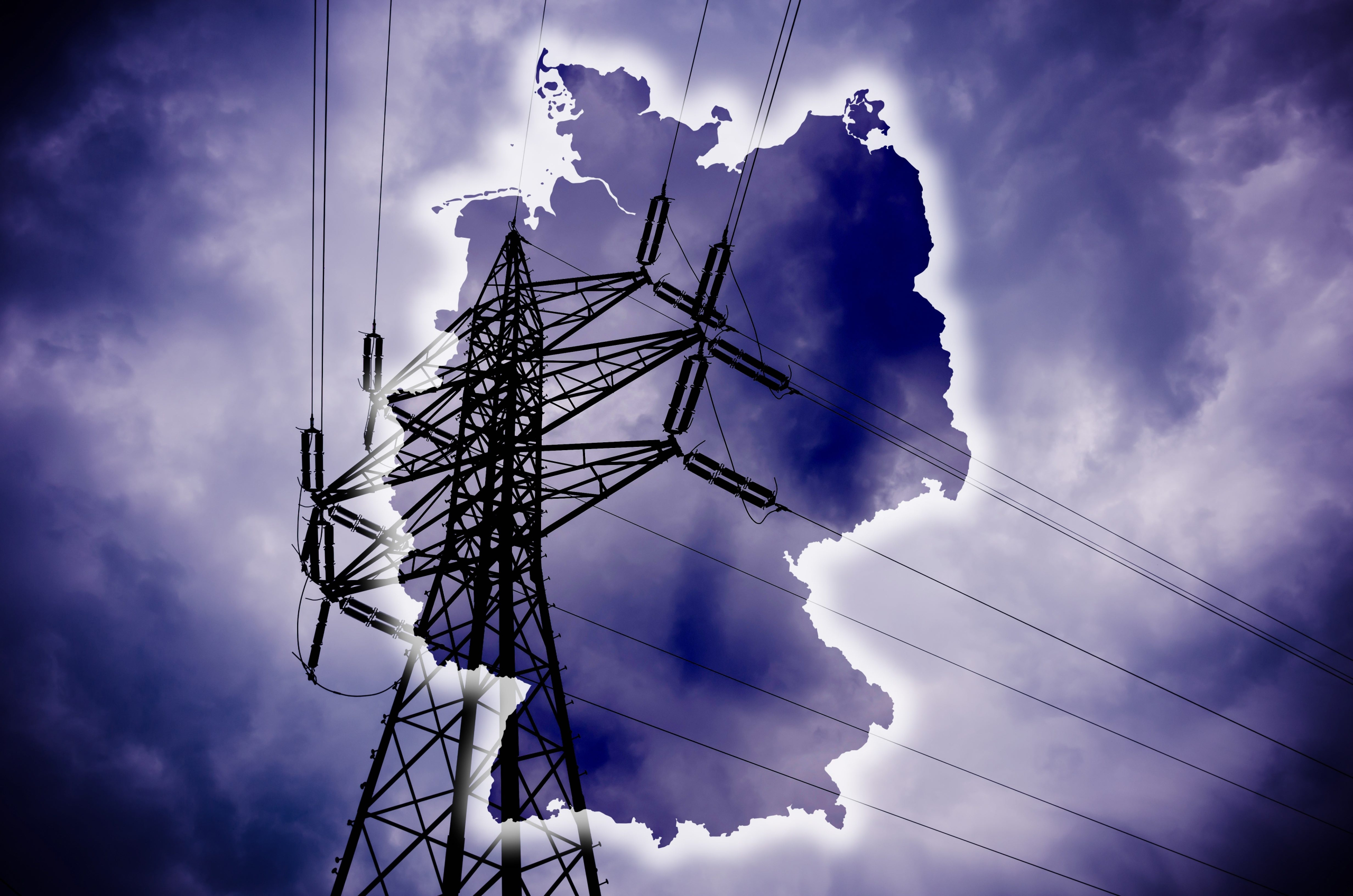
Rejecting the option of splitting into different price zones avoids fragmentation that would have favored the north (low prices linked to renewables) at the expense of the south (potential increase of +€8/MWh). This reassures southern industries, which feared relocations, and preserves economic unity, preventing a “north-south divide.” Nevertheless, greater granularity in the zones would have allowed for localized price signals, which could have limited the scale of investment needs in major high voltage direct current (HVDC) corridors (SüdLink, SüdOstLink, A-Nord), whose costs now exceed tens of billions of euros.
The German federal government has made it clear that it aims to resolve these imbalances through investment in major grid infrastructure projects.
This decision is backed by a robust financial and industrial framework (including a partial subsidy of c€ 5/kWh for certain industrial sectors and the large-scale development of gas-fired power plants) and by the public bank KfW taking a stake in the capital of grid operators.
Maintaining a single price zone generates congestion and loop flows that spill over into neighboring countries, forcing them to invest in their grids to manage flows from which they do not always derive a direct economic benefit.
For France, a structural electricity exporter, this situation results in an undervaluation of its export revenue and would require approval of additional interconnections only on the condition that the German north-south grids are built and operational.
The full version of the paper is only available in French.

Available in:
Themes and regions
ISBN / ISSN
Share
Center for Energy & Climate
Ifri's Energy and Climate Center carries out activities and research on the geopolitical and geoeconomic issues of energy transitions such as energy security, competitiveness, control of value chains, and acceptability. Specialized in the study of European energy/climate policies as well as energy markets in Europe and around the world, its work also focuses on the energy and climate strategies of major powers such as the United States, China or India. It offers recognized expertise, enriched by international collaborations and events, particularly in Paris and Brussels.
China’s Hydrogen Economy Five Years On
China’s hydrogen sector is not new. It is the world’s largest industrial hydrogen system, rooted in ammonia, methanol, refining, coal chemicals and by-product gas streams.
27 Plans for 2027: Turning the Electrification Action Plan into National Action
With the aim of structurally reducing the European economy’s dependence on fossil fuel imports and accelerating the energy transition, the European Commission has opted for electrification.

How to Make European e-SAF Production under RefuelEU Aviation Fly?
Three and a half years before the scheduled entry into force of the European regulation ReFuelEU Aviation (RFEUA), which requires aviation fuel suppliers at Union airports to offer a sustainable synthetic alternative (e-SAF), no sizeable commercial production unit (greater than 10,000 tons per year) is active within Europe yet, nor has it even passed the Final Investment Decision (FID). Is a major step in the European Union (EU) plans for decarbonizing air transport at risk of not happening, or at least being postponed for several years? Is Europe losing its bet to create a market for e-SAF? Under what conditions can this bet still be won? Could sovereignty and energy security preoccupations unlock necessary public support and help to overcome economic, financial, logistical or administrative obstacles?
The European Biomethane Sector at a Critical Juncture: Stronger Policy Alignment Will Matter
The European biomethane sector is at a critical juncture.