
The Energy Transition and the Challenge of Critical Raw Materials
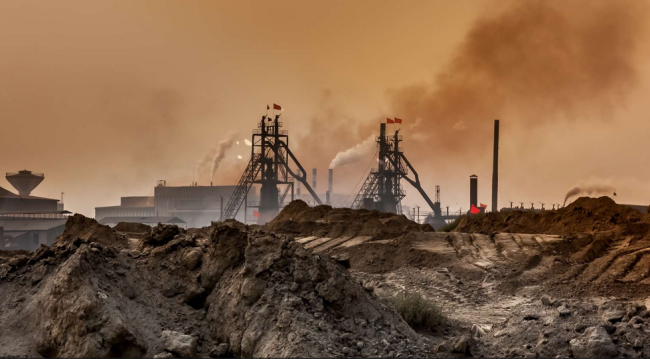
The geopolitical analyses of energy markets are traditionally focused on fossil fuels, and less on renewable energy sources.
A Brave New World for Trade
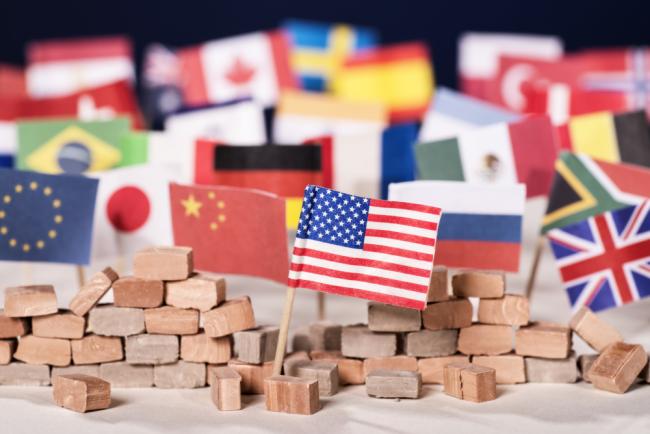
The global environment for trade is undergoing significant changes. New emerging players such as China are aiming to adapt the rules and institutions inherited from the postwar Bretton Woods system.
Chinese Investment in Europe. A Country-Level Approach
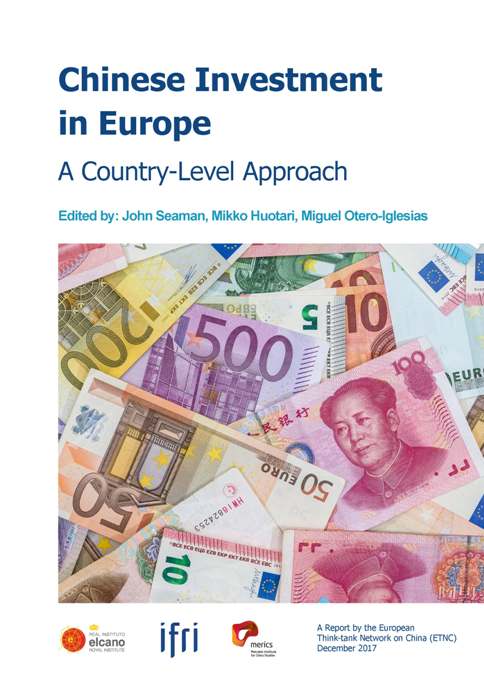
Chinese investments in Europe have surged in recent years, becoming both a source of hope and growing concern across the continent.
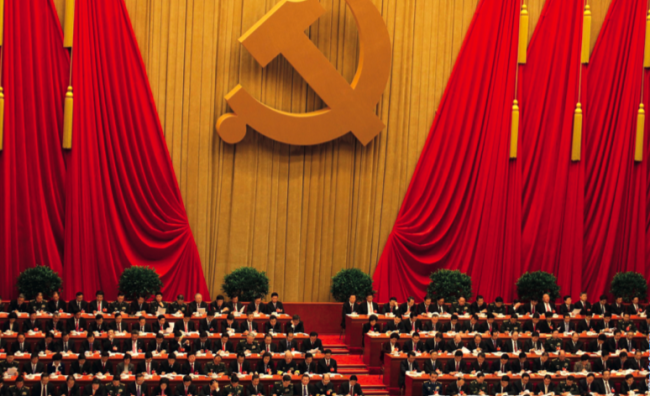
CPC's 19th National Congress: A Foreign Policy Perspective
As the 19th National Congress is now over, questions about foreign policy implications of China’s leadership reshuffle are raised.
Alice Ekman deciphers the 19th National Congress of the Communist Party of China in foreign policy terms.
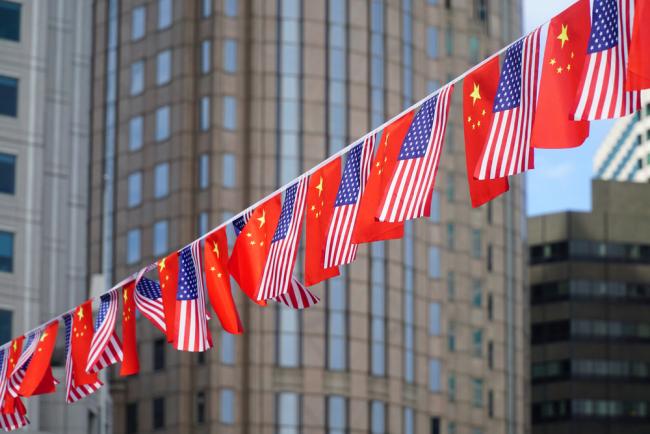
U.S. Visions of China: From Henry Kissinger to Donald Trump
Chinese power continues to grow both militarily and economically: its disputed territorial gains in the South China Sea are complemented by its extensive investment initiative in the New Silk Roads through the Eurasian continent.
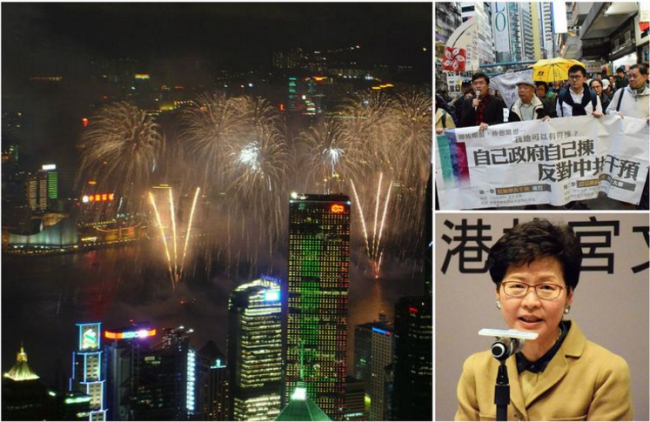
Hong Kong, 20 ans years after the retrocession
20 years after its retrocession to China, the 1st July 1997, what are the political and institutionnal autonomy guaranties for Hong Kong, while Carrie Lam is about to take its lead? How long will Hong Kong youth claim its own identity? What challenges for the World City?
The China-Pakistan Economic Corridor and the New Regional Geopolitics
The China-Pakistan Economic Corridor (CPEC) brings a dimensional shift in the two countries' relations at a time of significant geopolitical change. But while it promises wide-ranging benefits for infrastructure development and economic growth in Pakistan, a number of important challenges remain to be overcome if the project is to be sustainable and produce long-term benefits for Pakistanis.

ASEAN at 50: Half a Century of Unique Experience
In its fifty-year existence, the Association of Southeast Asian Nations (ASEAN) has developed a complex, progressive and balanced approach to regional integration. Rather than the European Union’s far-reaching statements of ever-closer union, ASEAN combines highly diverse economic and political strategies of different States whose main priority is to safeguard sovereignty.
New Order for Old Triangles? The Russia-China-India Matrix
As the US-led international system struggles under the strain of multiple challenges, the complex web of relations between Russia, China, and India will be critical to the formation of a new world order.
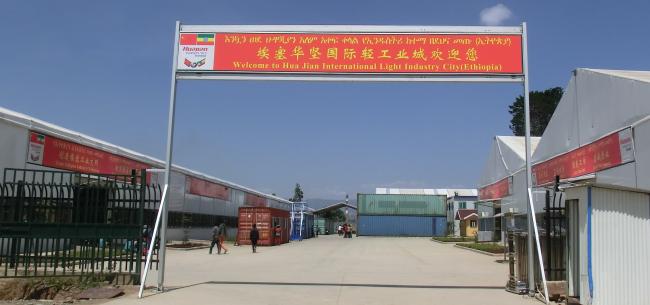
Chinese Investors in Ethiopia: The Perfect Match?
Since the fall of the Derg regime in 1991, cordial relations have developed between China and Ethiopia, forming a positive political backdrop in front of which the two countries’ interests have increasingly converged.
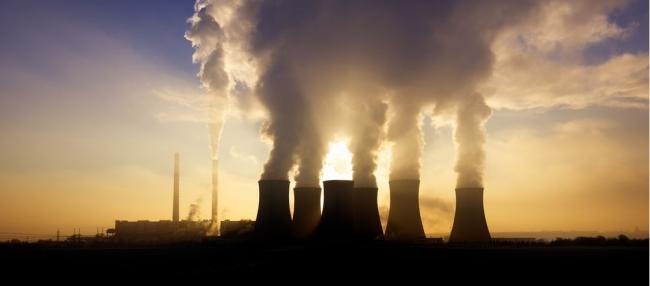
The Steam Coal Market in 2016: the Supply Shock
Surprising coal markets: while the world coal demand is diminishing, the steam coal price doubled in 2016. After five years of uninterrupted price decline and a sluggish world demand, this strong price hike might appear as paradoxical. This paper explains the principal reasons for this situation.

Three Years of China’s New Silk Roads: From Words to (Re)action?
More than three years have already passed since China’s new silk roads were launched by President Xi Jinping. When he first mentioned the idea in an autumn 2013 speech in Kazakhstan, questions quickly emerged on the meaning of this general concept, which soon became widely promoted through a large-scale and well-coordinated public diplomacy strategy both in and outside China.

What Does China's 'New Asian Security Concept' Mean for the US?
A closer look at China’s vision for remaking Asian security, and what the United States can do about it. In October, China hosted the seventh Xiangshan Forum in Beijing, during which Vice Foreign Minister Liu Zhenmin outlined a framework for a regional security architecture to meet the emerging challenges and opportunities of the 21st century.

Europe and China's New Silk Roads
As China elaborates on the design of its "Belt and Road Initiative" (OBOR), the place of Europe within this project is slowly but surely taking shape.
China and Global Economic Order: A discreet yet undeniable contestation
Having long remained a passive presence within multilateral economic organisations, China recently changed its stance when the United States was faced with a major financial crisis.
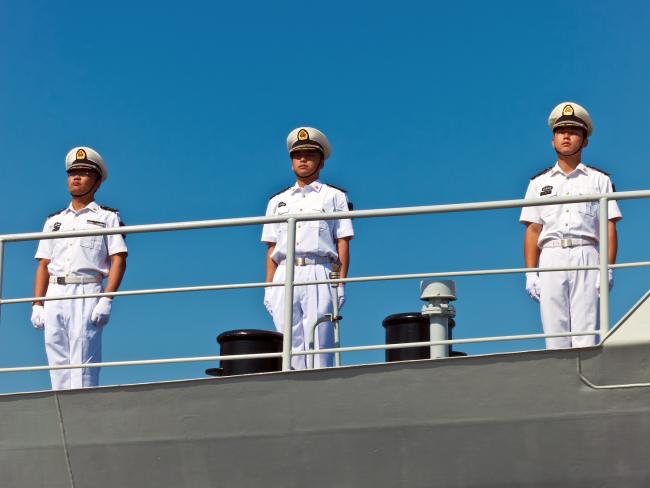
China’s Military Deployments in the Gulf of Aden: Anti-Piracy and Beyond
The reason for the deployment of a People’s Liberation Army Navy (PLAN) “anti-piracy task force” in the Gulf of Aden (GoA), a key area for the Chinese economy, was obvious in 2008. However, as the pirate activity has faded away since 2012, the objectives of the PLAN in GoA became unclear.
Energy Relations between Russia and China: Playing Chess with the Dragon
Post-sanctions Russia-China energy relations: what expectations?
South China Sea and the Law of the Sea: Where is China’s Power Heading?
On Tuesday July 12th, after three years of deliberations, the Permanent Court of Arbitration finally delivered its verdict on the conflict opposing the Philippines and China over status of the Spratly Islands in the South China Sea. The judgment is historic, as it goes far beyond the expectations of the involved parties and observers.
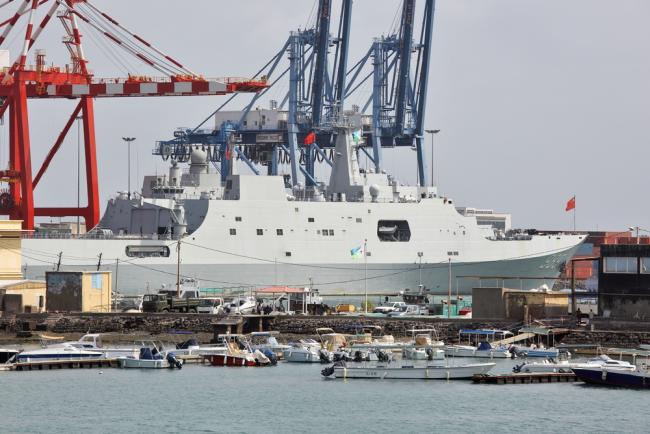
China in Djibouti: A military base with Chinese characteristics?
Last February, the Chinese Defense Ministry confirmed the launch of the construction of a Chinese military base in Djibouti. For a long time, Chinese officials had insisted that China would never build military bases or to station troops abroad.

Mapping EU-China relations from the bottom up
Mapping Europe-China Relations: A bottom-up approach -- a recent report of the European Think-tank Network on China (ETNC) to which Alice Ekman and John Seaman largely contributed -- was summarized in Politico's Pro Morning Trade newsletter.
Ifri, a foundation recognized as being of public utility, relies largely on private donors – companies and individuals – to guarantee its sustainability and intellectual independence. Through their funding, donors help maintain the Institute's position among the world's leading think tanks. By benefiting from an internationally recognized network and expertise, donors refine their understanding of geopolitical risk and its consequences on global politics and the economy. In 2026, Ifri partners with over 90 French and international companies and organizations.