


The International Development of Chinese Think Tanks
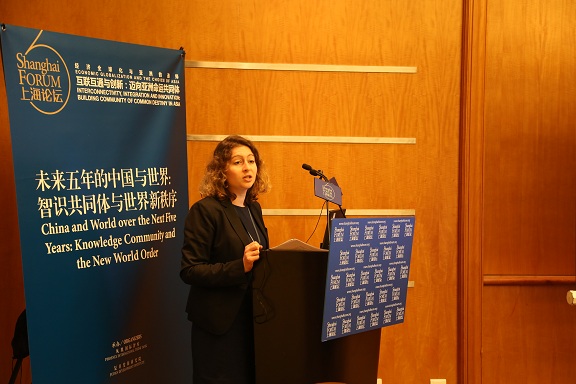
Alice Ekman gave her opinion on the international development of Chinese think tanks at a roundtable in Shanghai, organized by the Korea Foundation for Advanced Studies, Fudan University and Phoenix International Think Tank.
China’s rise: the view from South Korea
Monitoring China-South Korea relations is key for the EU, as both countries have been designated strategic partners. Moreover, the Union has important economic ties to both, and signed a free trade agreement (FTA) with the Republic of Korea (ROK) in 2011.
Beijing tightens control of foreign NGOs
The Chinese government recently passed a law to bring foreign NGOs under stricter control.

The Return of Geopolitical Risk - Russia, China and the United States
The year 2014 was defined by the conflict in Ukraine, the emergence of Daesh, and tensions between China and Japan. As for 2015, it has witnessed the spread of Daesh, the conflict in Yemen, the Greek crisis, revelations about the activity of the National Security Agency (NSA), the migrant crisis, and a ramping-up of terrorist attacks.
Scientific Cooperation in the South China Sea: A vector for China's security diplomacy in Southeast Asia?
Cooperation Despite Frictions in Northeast Asia
Cooperation Despite Frictions in Northeast Asia
Despite the political tensions that oppose Japan, China and South Korea, recent months have seen a certain rapprochement between Tokyo, Seoul and Beijing. The first trilateral summit in three years was held in November 2015.
Cooperation Despite Frictions in Northeast Asia
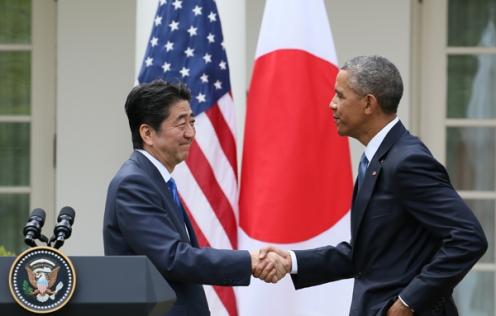
Japan and its Alliance with the US. Structure, Dynamics, Evolution to 2030
China’s rise, US rebalancing in Asia, historic defense reforms in Japan, the adoption of new Guidelines for bilateral cooperation: the Japan-US alliance has reached a turning point in its history.
Taiwan after the elections: what next?
On 16 January, the independence-leaning Democratic Progressive Party (DPP) won a double victory over the ruling party, the Kuomintang (KMT). DPP candidate Tsai Ing-wen was elected president with 56% of the vote, and for the first time the party won a majority in the Legislative Yuan – Taiwan’s parliament – with 68 of the 113 seats.
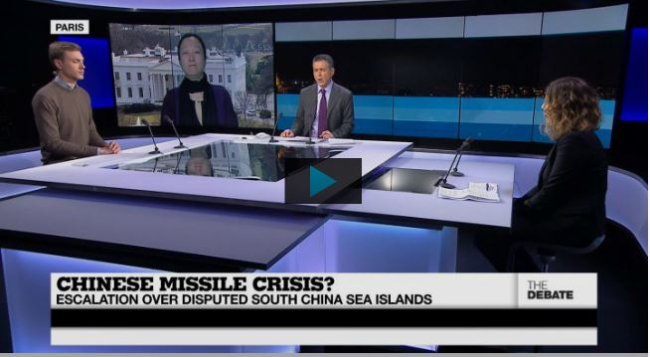
Chinese missile crisis? Escalation over disputed China Sea islands
Reports have emerged that China has set up a missile launch base on Woody Island, part of an archipelago disputed with Taiwan and Vietnam. This comes just as the US President was wrapping up an ASEAN summit to strengthen ties after the recent Trans-Pacific Partnership trade deal. How will this shape policy not only among Washington's traditional allies in the region but also in countries like Vietnam? Once again, a war-weary US is being called upon and has to look at the broader picture.

China quiere aumentar su protagonismo en Oriente Próximo
Después de haber rehuido durante años implicarse en una región que considera un avispero, China quiere finalmente mostrarse como un participante más activo en Oriente Medio. La visita que el presidente chino, Xi Jinping, comienza este martes a Arabia Saudí, Irán y Egipto señala la creciente importancia que Pekín concede a la zona, tanto desde el punto de vista económico como de seguridad, y representa un paso más en su estrategia para presentarse como una alternativa al modelo estadounidense de potencia mundial.
China vs. USA: After South China Sea, the Arctic as a Second Act
The focus on the power confrontation between China and the U.S. has for a while been directed towards the South China Sea, but a focus should be given to the Arctic region, where the second act is already ongoing.
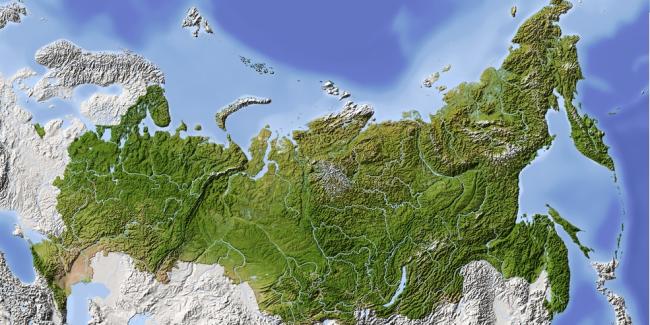
Eurasia in Russian Foreign Policy: Interests, Opportunities and Constraints
The Eurasian axis of Russian foreign policy has been given several impetuses over the last two years. The most important of these has been the sharp deterioration in relations with the West against the backdrop of the Ukraine crisis.
Assessing the Achievements of International Criminal Justice / A New Era of Oil Abundance?
Born from the ashes of two world wars, the concept of international criminal justice took nearly half a century to become anchored in institutions and legal concepts that are independent of specific conflicts. The International Criminal Tribunal for the former Yugoslavia, that for Rwanda, and the creation of the International Criminal Court, among others, bear witness to the real progress made during the 1990s. This issue of Politique étrangère offers a series of articles that shed light on these achievements and their limits.
China and the UN’s Peace Keeping Operations: Defending Sovereignty
China has become one of the main personnel contributors for UN peace keeping operations, and the principal contributor among the permanent members of the Security Council.
Mapping Europe-China Relations: A Bottom-Up Approach. A Report of the European Think-tank Network on China ETNC, October 2015
As China’s rise continues to shape and shake the course of international affairs, and Europe enters a new chapter in its collective history, Europe-China relations are becoming more relevant, but also much more complex.
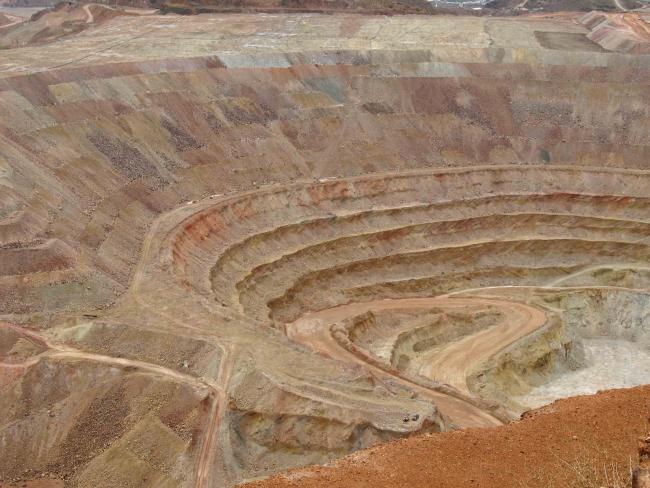
Securing Energy and Mineral Resources for China: Debating the role of markets
This paper examines how China seeks to secure access to an ever growing level of natural resources from overseas. In its quest for resources necessary to fuel its economy, does China seek to bolster the development of international markets, or rather to procure resources in a more mercantilist fashion?

The TPP and its consequences for China, and Europe
John Seaman answers questions from the China Daily on the recently concluded negotiations of the Trans-Pacific Partnership (TPP) and their consequences for China and for Europe.
Read the interview, in Chinese


China’s Difficult, but Necessary Bet on Climate
While China may be setting the bar high for itself in it's commitments for the COP21 climate negotiations this December, these ultimately serve to foster necessary progress on environmental issues and economic reforms at home.
Ifri, a foundation recognized as being of public utility, relies largely on private donors – companies and individuals – to guarantee its sustainability and intellectual independence. Through their funding, donors help maintain the Institute's position among the world's leading think tanks. By benefiting from an internationally recognized network and expertise, donors refine their understanding of geopolitical risk and its consequences on global politics and the economy. In 2026, Ifri partners with over 90 French and international companies and organizations.