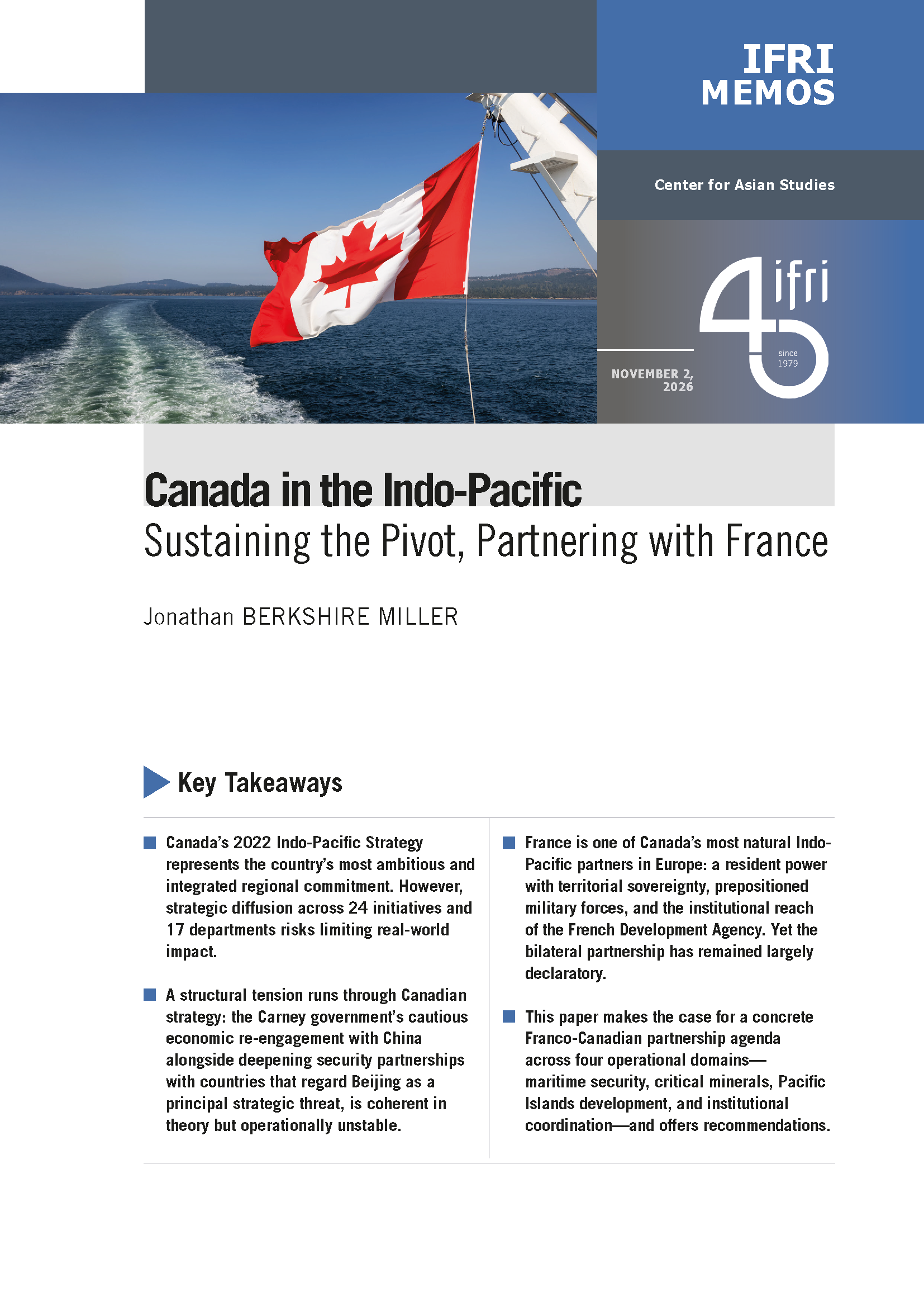
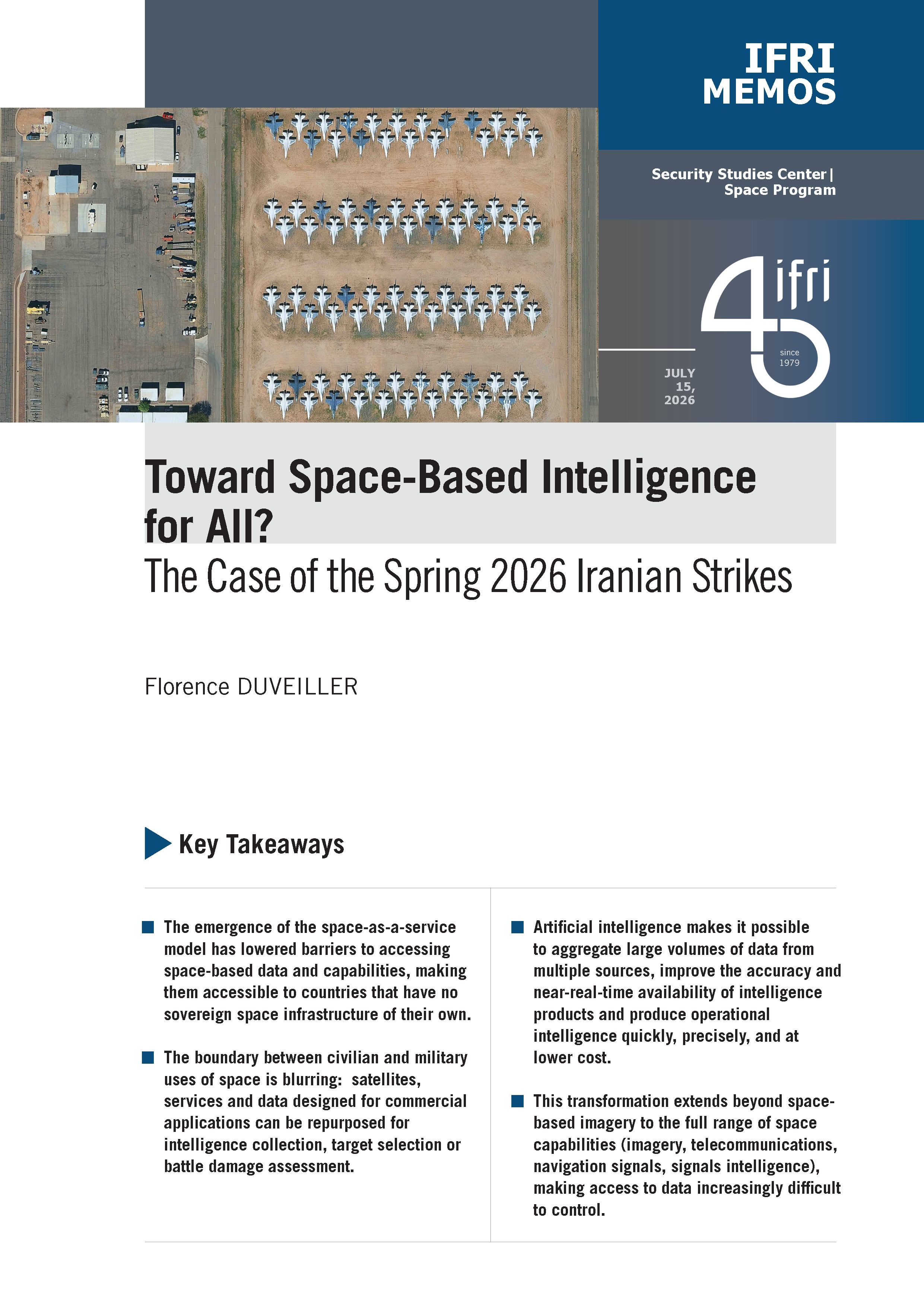

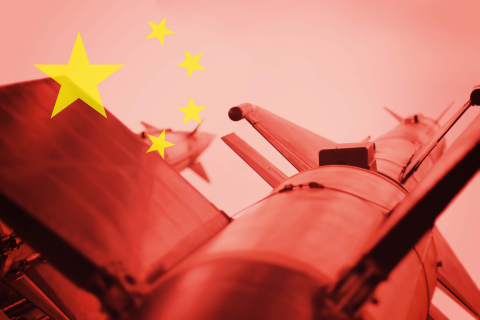

Doors Wide Shut? An Update on FDI Regulations in China
The fears of a rise in economic nationalism in China have been fueled by a number of recent moves, such as changes in the law on indigenous innovation or the enactment of a national security review (NSR) regulation for M&As by foreign enterprises. The objective of the current paper is twofold: First is to provide an update on the investment environment in China in order to determine whether or not these provisions reflect a move in the direction of more protectionism, and second is to suggest ways for European countries to level the playing field for their firms wishing to invest in China.
Internet Companies in China: Dancing between the Party Line and the Bottom Line
With over 500 million Internet users and 900 million mobile-phone subscribers by mid-2011, the Chinese Internet is an enormous market that has produced the spectacular rise of many Chinese Internet companies and attracted substantial foreign investment. This paper argues that, despite a great degree of liberalization of its market over the past 15 years, the Chinese Internet remains authoritarian in nature. Not only did the central government actively shape the infrastructure and rules of China's information superhighways, but recently it has also vigorously built state-controlled Internet companies, including a national search engine.
Russian Gas: Reminder of Yesterday Presaging Tomorrow?
One can’t help but be struck by the irony earlier this week of Russian President (ad-interim) Medvedev celebrating the landing of gas in Lubmin Germany from the Nordstream gas pipeline from Russia while Former President and President-in-waiting Putin welcomes Chinese Premier Wen Jiabao to seek a deal to send Russian gas east to Chinese markets.
The Great East Japan Earthquake and Sino-Japanese Reconciliation
Ifri and the Canon Institute for Global Studies are launching a series of policy papers presenting the analyses of senior Japanese researchers on how the triple disasters that hit the archipelago last March have impacted Japan's economic, environmental and energy policies as well as country's crisis management system.
Toward Higher Household Consumption? An Up-to-Date Analysis of China's Economic Transition
For more than two decades, China's economy has been growing at an average rate of close to 10 percent. As a result of this stellar performance, China ascended to the rank of the world's second largest economy in 2010, surpassing Japan.
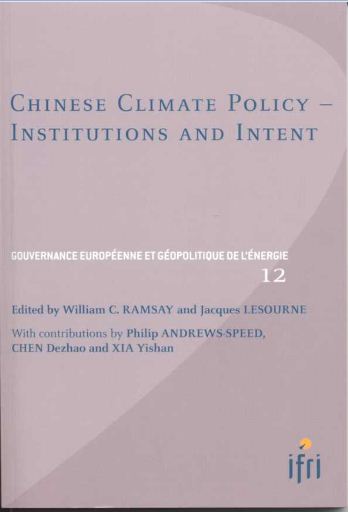
Chinese Climate Policy: Institutions and Intent
Until the late 1990s, the balance of Chinese energy production and consumption was treated by the rest of the world as a net figure. No one knew what was going on inside the Chinese economy - it was a black box. As far as anyone was concerned, the Chinese would not soon be a major factor in world energy markets.

Le renminbi doit-il être réévalué ? Les leçons de l'expérience japonaise
Is the Japanese Economy a Looking-Glass on Our Future?
Supposedly bogged down by a drawn-out crisis, Japan currently produces as much as China.
How the Chinese See Russia
This essay examines Chinese attitudes toward Russia as a great power, neighbor, partner and competitor.
Electric Cars: the Orient and the Occident
China is looking ahead and thinking electric. The Chinese government recently announced the release of $15 billion in a “Manhattan-style” venture to support electric vehicle (EV) research, standardization and development as part of its five-year plan and to meet its seemingly unattainable objective of introducing 500 000 “clean” vehicles per year by 2011.
Spat in the East China Sea Offers Lesson on Raw Material Dependence
There is a valuable lesson to be learned about raw material dependence from the tensions between China and Japan in the East China Sea. It’s not about the oil and gas that is thought to be stored under the seabed in disputed waters, but rather the so-called “rare earth elements”, of which China produces 97% of the global supply.
China-India Relations: Strategic Engagement and Challenges
Sino-Indian relations have become increasingly significant and produced widespread implications. The evolving bilateral relationship is reasonably seen as a result of their shifting strategies and the ever-changing global politico-economic situation. On the political front, high-level interaction plays an important role in improving Sino-Indian ties. The political willingness to improve relations helps kick-start the significant process of building confidence and trust in different areas and at various levels.
Rare Earths and Clean Energy: Analyzing China's Upper Hand
An ominous resource crunch in the so-called “rare earth elements” is now threatening the development of a number of key industries from energy to defense to consumer electronics. As key components in the latest generation of technologies, including specialized magnets for windmills and hybrid cars, lasers for range finders and “smart” munitions, and phosphors for LCD screens, demand for these rare metals is expected to grow rapidly in the years to come.
Chinese and Indian Economic Presence in the Maghreb
One of the major events of the last couple of decades has been the rise of China and India, reflected by their increasingly important economic presence in the world, both in terms of trade flows and of foreign direct investments.
Africa, which has long remained the former colonial powers" “private hunting ground”, does not seem to escape from Indian and Chinese presence and activity, hence worrying Africa"s traditional partners.
Chinese Perceptions of the Utility of Nuclear Weapons: Prospects and Potential Problems in Disarmament
This paper takes a careful look at China's perceptions of the role of nuclear weapons in its national security policy and defense posture.
A Shadow over the Himalayas: India's Tibet Problem
This article explains the central role of the Tibetan issue in complicating Sino-Indian relations.
Energy Security, Transnational Pipelines and China's Role in Asia
In recent decades, China's transformation from a regional energy supplier to one of the world's largest net energy importers, in particular with regards to oil and gas, has led to an increasing sense of energy insecurity in Chinese policy circles. Guaranteeing adequate supplies of energy to fuel economic growth is a central element in Beijing's efforts to maintain legitimacy in the face of economic reform and transformation. To combat energy insecurity a number of initiatives are being undertaken to diversify energy inputs, suppliers, and the means of their transport.
From Kunming to Mandalay: The New "Burma Road". Developments along the Sino-Myanmar border since 1988
The present paper aims to describe the vitality and complexity of bilateral trade along the Sino-Myanmar border.
The Development of Road Networks in China: Miscalculations and Inequalities
China has some of the densest road networks of any developing country, accounting for the vast majority of paved roads among lower- and middle-income countries. However, statistical data at the national and provincial levels show two puzzling trends.
Ifri, a foundation recognized as being of public utility, relies largely on private donors – companies and individuals – to guarantee its sustainability and intellectual independence. Through their funding, donors help maintain the Institute's position among the world's leading think tanks. By benefiting from an internationally recognized network and expertise, donors refine their understanding of geopolitical risk and its consequences on global politics and the economy. In 2026, Ifri partners with over 90 French and international companies and organizations.