




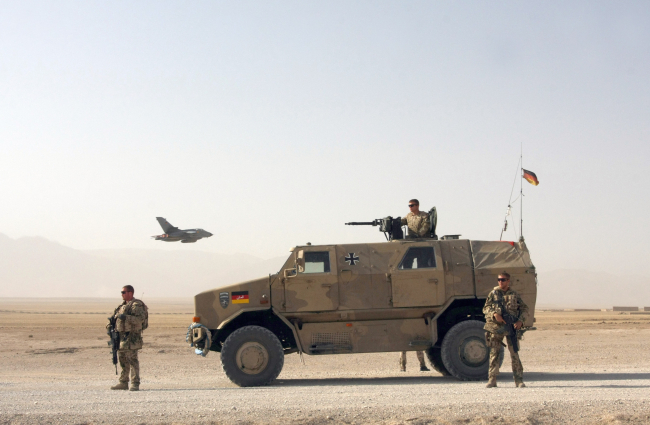
Circumstantial Pacifism: Political Parties and the Participation of the Bundeswehr in Foreign Operations
In Germany's parliamentary democracy, political parties play an important role in mandating Bundeswehr missions abroad and in overseeing their deployment. The political debate on these deployments is polarized between opponents, who are called “pacifists”, and supporters, who are called “militarists”.

Réparer 2020 ou préparer 2030 ? L’entraînement des forces françaises à l’ère du combat multi-domaine
From basic training to the conduct of international exercises, operational readiness planning aim to make the components of military capabilities (equipment, doctrines, operational know-hows) consistent with the operational contracts decided at the strategic level.
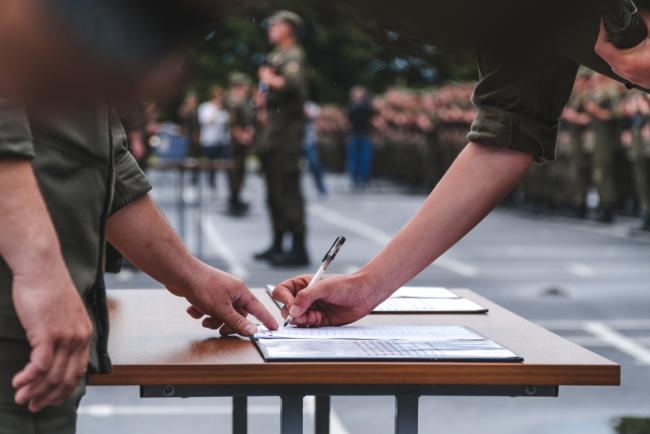
Les ressources humaines, un enjeu stratégique pour les armées
The French Military Planning Act for the years 2019-2025, is “dedicated” to men and women in the services, showing how crucial the human factor is for the armed forces.
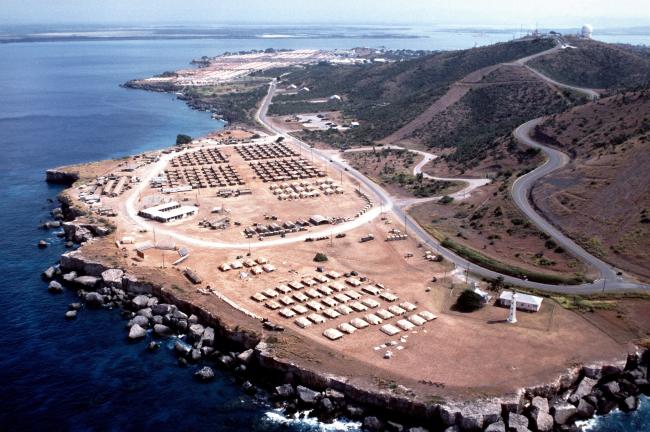
Les bases de la puissance. Enjeux géopolitiques et stratégiques des bases militaires avancées
Throughout history, great powers have relied upon forward military bases, either to support their interventions in areas of interest, to re-assure allies or to control a territory.
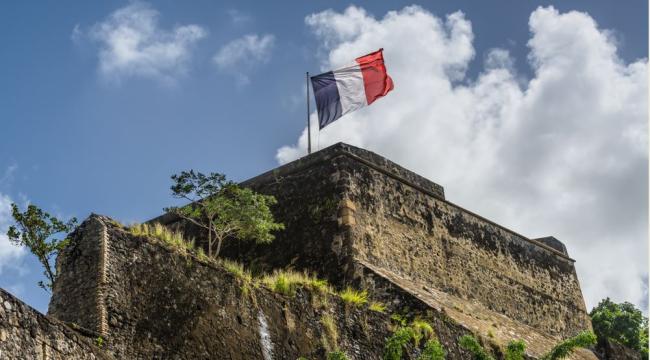
Confettis d’empire ou points d’appui ? L’avenir de la stratégie française de présence et de souveraineté
France is one of the few nations in the world to benefit from a permanent global military presence. With more than 10,000 military personnel from all three services, deployed across the five continents and the three main oceanic basins, it benefits from the second largest network of prepositioned forces in the world.
La compétition stratégique en Afrique : approches militaires américaine, chinoise et russe
While it was left behind from power politics for the last decades, Africa is at the core of a renewed attention from global powers.
Will Artificial Intelligence Revolutionize the Art of War?
Despite the development of artificial intelligence (AI) only being in its early stages, it has already had an impact on armed forces.
Of Walls and Men: Securing African Borders in the 21st Century
African borders are well-known for their porosity. Although they are crucial economic interfaces, they also crystallize political and security tensions, in both inter-state wars and intra-state conflicts involving rebels or autonomist groups.
Penser son ennemi. Modélisations de l'adversaire dans les forces armées
The designation of an enemy is always the result of a political decision, which generally leads to the opening of hostilities.
The Gulf Monarchies' Armed Forces at the Crossroads
Something is happening with the military forces of the Arab monarchies in the Gulf.
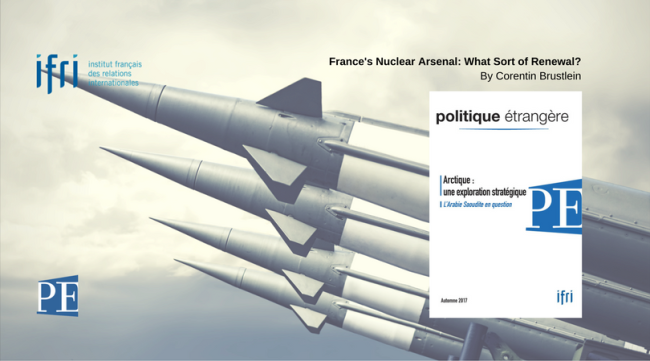
France's Nuclear Arsenal: What Sort of Renewal?
Over the course of the next few years, France will have to renew its nuclear arsenal to ensure that it remains a credible dissuasion in the eyes of its potential enemies.
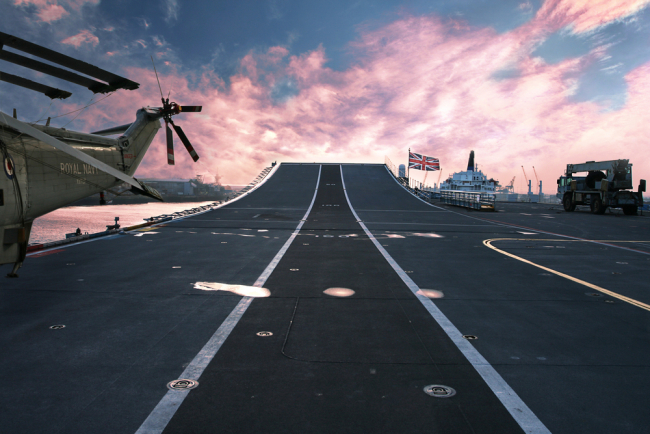
The Future of British Defense Policy
As the prospect of the United Kingdom leaving the European Union raises increasing challenges to its international position, as well as major divisions at home, the future of British defense policy seems more uncertain than ever.
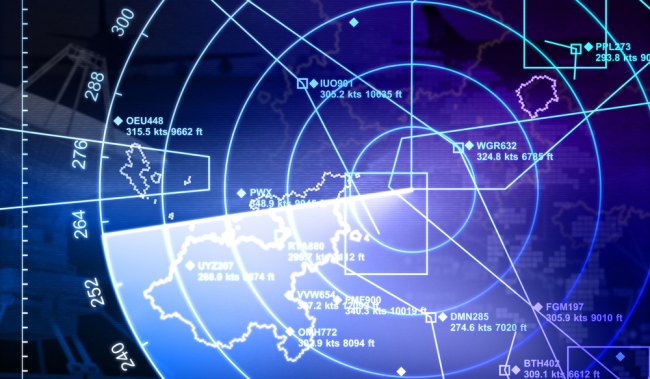
Les mutations du renseignement militaire : dissiper le brouillard de la guerre ?
Military intelligence has evolved significantly as a result of advanced technology and the changing character of war.
La Sentinelle égarée ? L’armée de Terre face au terrorisme
The 2015 terror attacks in France and the ensuing activation by the Ministry of Defense of its homeland protection plan opened a new phase in the long history of the French Army’s involvement in internal security.
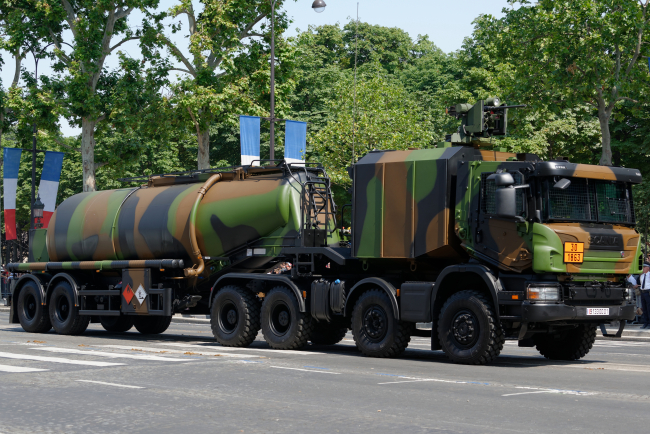
La sécurité énergétique des armées françaises. Le soutien pétrolier à l’heure de la transition
Ever since its inception on the eve of World War One, the concept of securing fuel supply has consistently proven its vitality to military operations.

Tunisia’s Armed Forces and Democratic Transition
Having reportedly helped topple Ben Ali, the Tunisian Armed Forces enjoy substantial support from the population.
Australia: A New Strategy for a Medium-Size Power
New configurations in Asia suggest to Canberra, as a middle-size power, that it should employ its external strategy as a means to bolster its security and regional stability.
The United States - South Korea Military Alliance in Question
The alliance born of the Korean War trades the assurance of security for Seoul with a certain alignment with Washington.
Germany: The Past that Does not Pass
Germany’s responsibility in the two global conflicts reflects, among other things, the German military’s desire to free itself from political control and the depth to which the Wehrmacht was immersed into Nazi ideology and a Nazi state whose orders it never really contested.

Ifri, a foundation recognized as being of public utility, relies largely on private donors – companies and individuals – to guarantee its sustainability and intellectual independence. Through their funding, donors help maintain the Institute's position among the world's leading think tanks. By benefiting from an internationally recognized network and expertise, donors refine their understanding of geopolitical risk and its consequences on global politics and the economy. In 2026, Ifri partners with over 90 French and international companies and organizations.
