






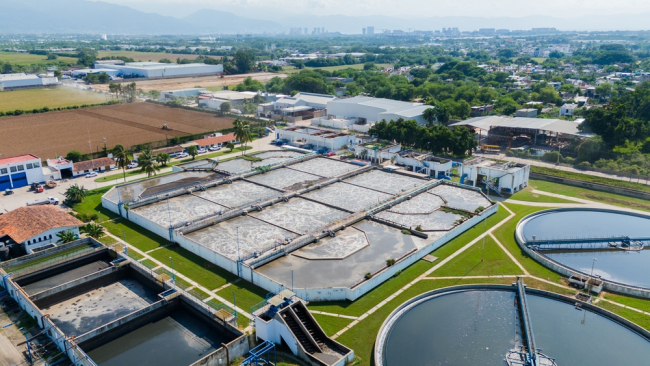
Water in Mexico: an Emergency that Will Wait
Access to water is already and will become increasingly problematic for Mexican economic actors due to the progressive scarcity of the resource resulting from climate change, a geographical distribution that does not coincide with that of the population or economic activity, and management that has so far been far too lax.
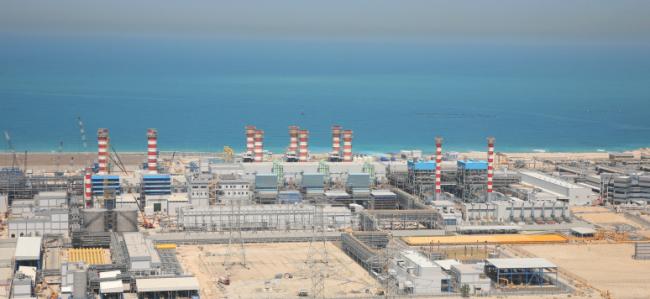
The Geopolitics of Seawater Desalination
Water desalination is gradually emerging as the leading solution to cope with increasing water stress: i.e., the imbalance between water demand and quantities available. The United Nations estimates that by 2025, two-thirds of the world’s population will be affected by such challenges. The causes of water scarcity are multiple, including climate change, intensive agriculture, and population growth. This requires states to rethink their water policies, which are central to preserving their stability, resilience and sovereignty.

Challenge of Making Smart Cities in India
The Indian government has launched the Smart Cities Mission in June 2015 with the aim of providing a better quality of life to the citizens in 100 cities of the country. This paper describes the main features of the Mission and attempts to explain the challenges in the way forward.
Water in Mexico: an Emergency that Will Wait
Access to water is already and will become increasingly problematic for Mexican economic actors due to the progressive scarcity of the resource resulting from climate change, a geographical distribution that does not coincide with that of the population or economic activity, and management that has so far been far too lax.
Challenge of Making Smart Cities in India
The Indian government has launched the Smart Cities Mission in June 2015 with the aim of providing a better quality of life to the citizens in 100 cities of the country. This paper describes the main features of the Mission and attempts to explain the challenges in the way forward.
Ifri, a foundation recognized as being of public utility, relies largely on private donors – companies and individuals – to guarantee its sustainability and intellectual independence. Through their funding, donors help maintain the Institute's position among the world's leading think tanks. By benefiting from an internationally recognized network and expertise, donors refine their understanding of geopolitical risk and its consequences on global politics and the economy. In 2026, Ifri partners with over 90 French and international companies and organizations.
