"The US’s Trojan horse in Europe": Rheinmetall, the German defence giant with an insatiable appetite
Top secret. Land, sea, air and even space… Armin Papperger, the very powerful head of the German defence group, has grand ambitions—to the point of irritating France.
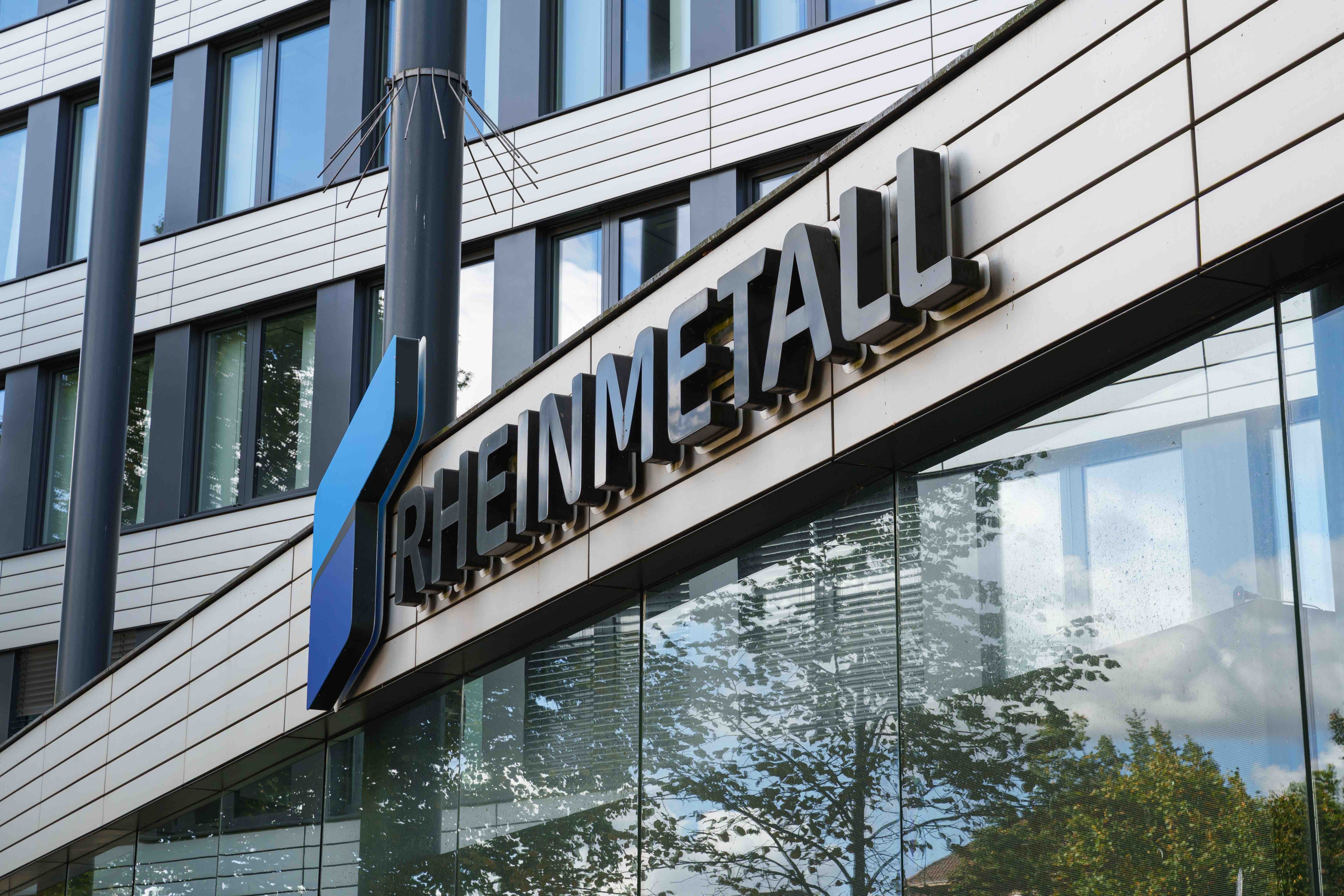
That phone call was one that Armin Papperger, the CEO of Rheinmetall, one of the largest German defence companies, had long been steeling himself for. He had expected it, mulled it over and virtually planned it, pretty much since taking the reins of the company in 2013, one year before Russia’s annexation of Crimea. So, on the afternoon of Sunday 27th February 2022, when the German Federal Minister of Defence Christine Lambrecht called him out of the blue to ask how many weapons the manufacturer could deliver quickly, the boss gave an immediate reply: 42 billion euros' worth, including kit such as tanks, armoured vehicles, military trucks, ammunition and shells. This huge figure reflected the importance of the moment.
Three days earlier, Russian forces attacked Ukraine. And that very morning, Olaf Scholz, the German Chancellor, speaking at the Bundestag, announced the creation of a special fund of 100 billion euros to finance the modernisation of the Bundeswehr’s equipment, the German army. The most ambitious investment plan since the Second World War. The return of war to Europe had indeed been predicted by some prophets of doom, but German public opinion, lulled by the comforts of the dividends of peace, had hardly wanted to believe it. "Ultimately, it is a question of whether force can transgress the law. Whether we allow Putin to turn back the clock to the era of the great powers of the nineteenth century. Or whether we find the energy to impose limits on warmongers. That presupposes having strength ourselves," declared the German leader that day, his expression sombre. Papperger wants to have that strength.
Papperger wants to grow fast
In this Europe, hurtling at full speed towards rearmament and quickly realising it cannot entirely rely on help from its American "big brother", Rheinmetall is undoubtedly one of the major winners. The company that has benefited most from the "Zeitenwende", the "change of era" theorised by Scholz. Rheinmetall has already secured nearly 40% of the 100 billion euros released by the German government in 2022. In five years, its turnover has risen by 75%, approaching 10 billion euros last year. Its net profit has increased 2.5-fold, while by the end of 2025, the value of the Düsseldorf company’s order book will have reached a record 63.8 billion euros. The fact is, Armin Papperger is thinking big – very big indeed. And he wants to grow fast, very fast, promising anyone who will listen – political leaders, financial investors and competitors – a turnover of 40 to 50 billion euros by the end of the decade. That would put the company on a par with American giants such as Lockheed Martin and Northrop Grumman.
[...]
In fact, the German group has recently multiplied its transatlantic alliances. With the high-profile US defence start-up Anduril, to manufacture drones and mi siles. With Vantor, with a view to setting up a joint venture inGermany in the field of geospatial intelligence. With the giant Lockheed Martin, to design in Germany andunder licence the fuselage of F-35 fighter jets, Patriot missiles or ATACMS guided missiles.
Texte citation
The rapprochement with Lockheed Martin, and this choice to produce in Germany, is seen above all as a way for the Germans to free themselves from their fears of no longer being supplied by the Americans," believes Paul Maurice, Secretary General of the Franco-German Studies Committee at the French Institute of International Relations. "It reveals the paradox of a German-style Europe."
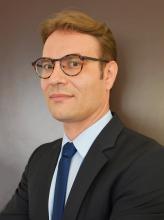
Secretary General of the Study Committee on Franco-German Relations (Cerfa), Ifri
Is this why, at the beginning of June, Armin Papperger faced his first refusal from theGerman government?The CEO, who advocates a distinctly German vision of European defence, felt emboldened in May when hecaught Germany's top political leaders off guard and anticipated the imminent signing of a gigantic contractfor state-of-the-art frigates. These heavily armed ships were to be the spearhead of theGerman navy againstRussia. Clearly, "Lord of War", as dubbed by the weekly The Economist , had moved too quickly. A month later,Berlin abandoned the project, opting instead for four frigates from another manufacturer, TKMS, a muchcheaper programme. This time, theDefence Minister, Boris Pistorius, didn't even bother to pick up the phoneto inform Armin Papperger.
- This article was published in L'Express (for subscribers only).
- This article is also available in French: "Le cheval de Troie des Etats-Unis en Europe" : Rheinmetall, le géant allemand de la défense à l'appétit dévorant.

Media:
Reporter(s):
Format
Share
Authors
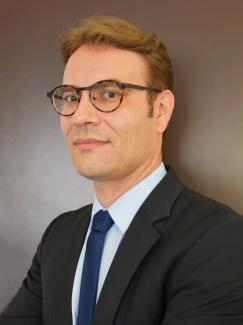
Paul MAURICE
Secretary General of the Study Committee on Franco-German Relations (Cerfa), Ifri