




Politique étrangère
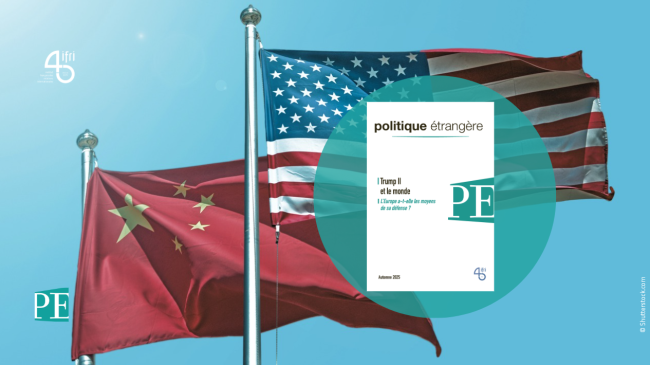
Trump II and Asia: The Wind is Picking Up…
The Indo-Pacific is a priority for the second Trump administration, which sees China as the United States' principal rival. However, Donald Trump began his second term in a rather disconcerting fashion by taking a harder line with Washington's traditional partners. He then provoked hostilities with Beijing, sparking a trade war even more intense than during his first term. The Chinese authorities have no intention of taking it lying down.
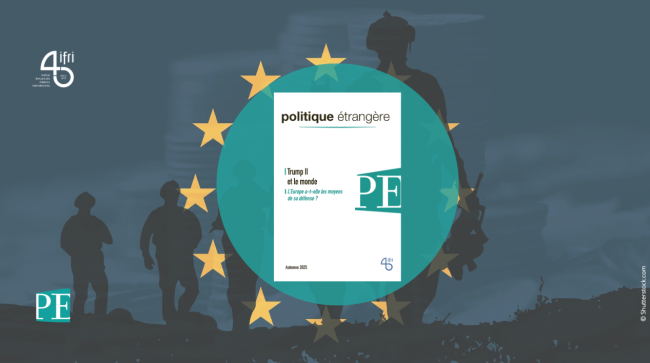
Europe Uncovered?
As Russia continues to threaten Europe, the Trump administration is making no secret of its desire to withdraw—at least partially—from the defense of the Old
Continent in order to focus on strategic competition with China. It is thus putting pressure on its European allies to increase their investment in the military sector. The NATO Summit in The Hague in June 2025 resulted in ambitious commitments by member states to increase their defense spending.
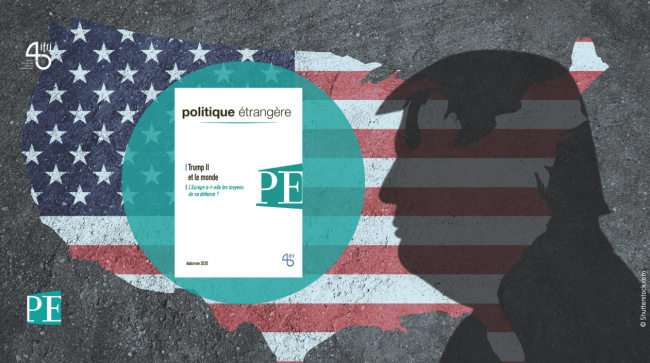
Trump II: The Clash of Ideologies
The second Trump administration brings together a number of very different, even opposing, ideologies: far-right populism, the reactionary Christian right, paleolibertarianism, and technolibertarianism. The most visible measures taken since Donald Trump's return to the White House have been populist in nature, with the president's authority strengthened, checks and balances weakened, a form of identity politics embraced, and economic nationalism implemented.
Multilateralisms: Survival or Revival?
The organized multilateralism born out of the Second World War and the Cold War, and revived in the 1990s with the dream of a world of peaceful “global governance,” has fizzled out. The erosion of the large universal frameworks (United Nations, World Trade Organization, arms control and disarmament, international criminal justice, and so on) did not give way to a void but to an excess: a multitude of agreements and schemes that bore witness to the accelerated rebuilding of international relationships. Will institutional anarchy and the open competition of interests visible in uninhibited struggles for power be able to organize themselves around common fundamental interests in the future?
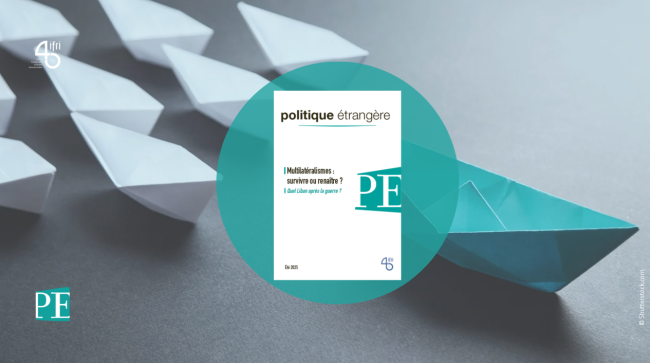
Navigating the Multilateral Seas: Lost in Decomposition? - Politique étrangère, Vol. 90, No. 2, Summer 2025
Institutionalized multilateralism seems to be under threat from power politics, especially within the UN system. There are continuing demands for the UN to be reformed. And flexible forms of consultation are being developed, such as club diplomacy and minilateralism. The reshaping of multilateralism is thus taking place mainly outside the institutional system, and its distance from the liberal international order and the multipolar order makes it less likely that the earth's habitability will be placed at the top of the multilateral agenda.
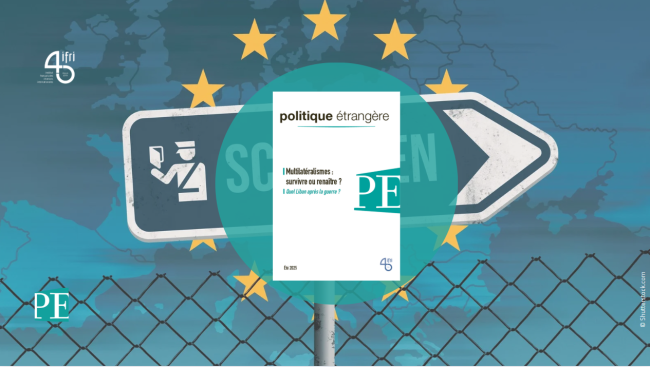
The "Europe of Internal Security": An Unknown Quantity - Politique étrangère, Vol. 90, No. 2, Summer 2025
The new European Internal Security Strategy, unveiled by the European Commission in April 2025, provides an opportunity to shine a light on a little-known policy. To mitigate the problems created by freedom of movement, substantial additions have been made to European internal security policy over the last few years. The European Union is constantly striving to become stronger in order to combat crime, terrorism, illegal immigration, and hybrid threats more effectively.
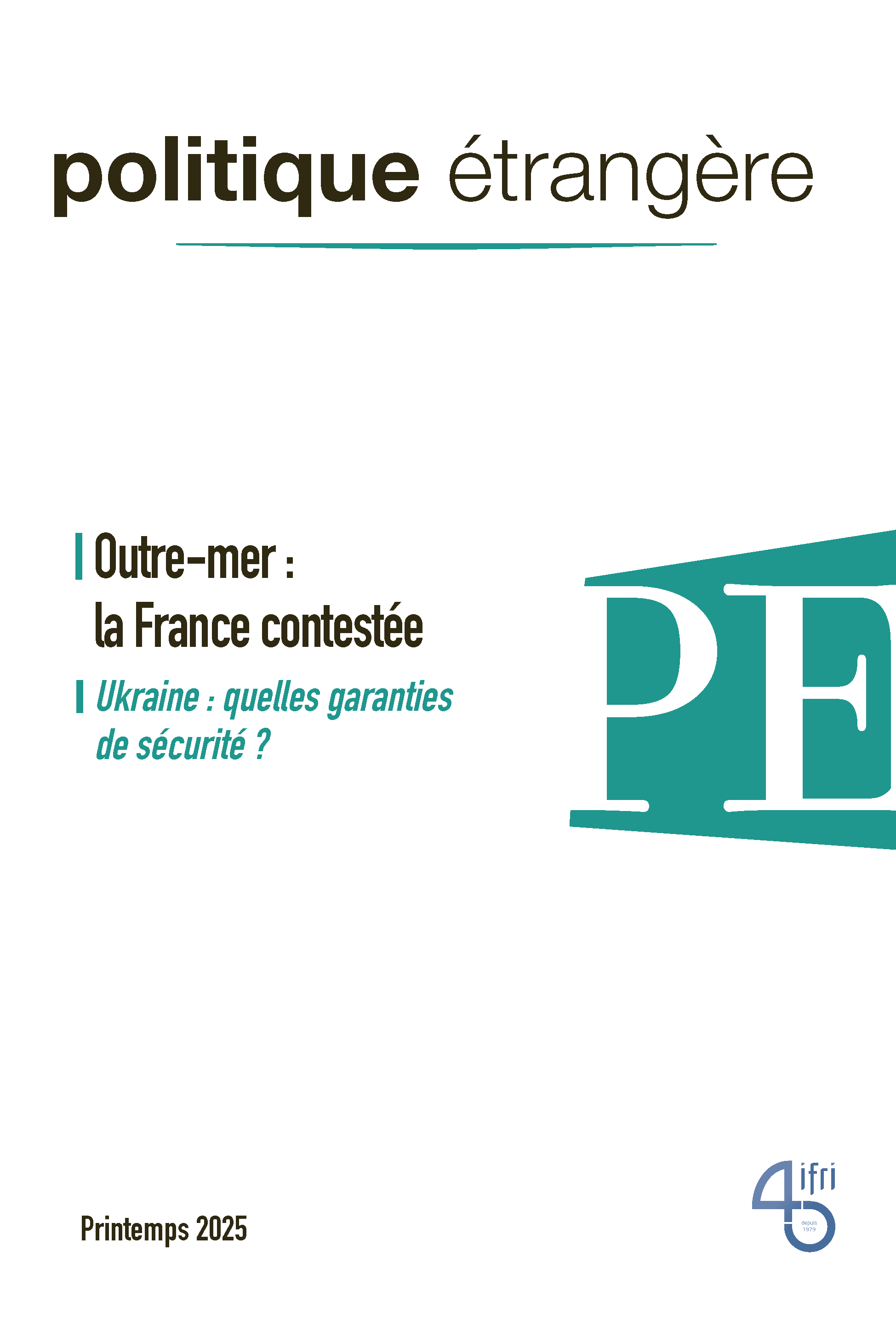
France Contested in Overseas Territories - Politique étrangère, Vol. 90, No. 1, Spring 2025
New Caledonia, Mayotte: France's overseas territories were severely shaken in 2024. Beyond explanations of the economic situation, the place of these overseas territories in French policies and strategies is once again being called into question.
Are France's overseas territories the remnants of an outdated colonialism? Or, on the contrary, are they supports for an extended French presence that the opening-up of the world makes indispensable, and barriers raised here and there against the appetites of new powers? In any case, what policies should the Hexagone pursue in these regions, to promote better development and more effective integration into their environment? And is the legal status of these overseas territories untouchable?
Ifri, a foundation recognized as being of public utility, relies largely on private donors – companies and individuals – to guarantee its sustainability and intellectual independence. Through their funding, donors help maintain the Institute's position among the world's leading think tanks. By benefiting from an internationally recognized network and expertise, donors refine their understanding of geopolitical risk and its consequences on global politics and the economy. In 2026, Ifri partners with over 90 French and international companies and organizations.
