




German Economy
Germany is the leading economic power in Europe with a highly internationalized system. It is currently compelled to adapt to a declining globalization and a transition in its energy model.
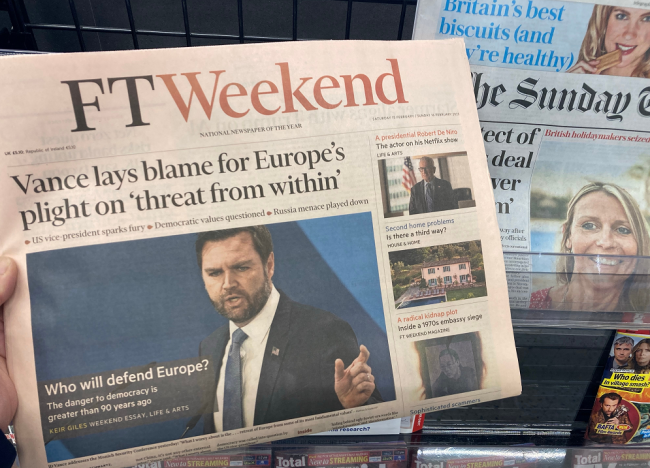
Friedrich Merz and the Zeitenwende 2.0. A “New Era” for Transatlantic Relations?
On February 23, 2025, almost 60 million voters were called upon to elect a new Bundestag. These elections will also give rise to a new government in Europe's largest economy.
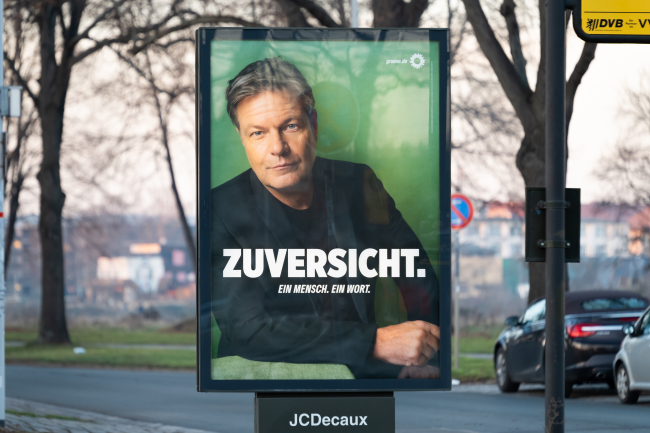
The German Greens as an Alliance Party: The End of an Illusion?
At the Wiesbaden Congress in November 2024, Robert Habeck, currently Minister for the Economy and Climate, was nominated as the Green Party’s candidate for the Chancellorship in the early parliamentary elections on February 23, 2025. The party, founded 45 years ago, is now firmly established in the German political landscape. Wishing to turn the page on an unloved ‘‘traffic light’’ coalition, the party is banking on a personal campaign and an optimistic discourse based on the energy transition and social justice.
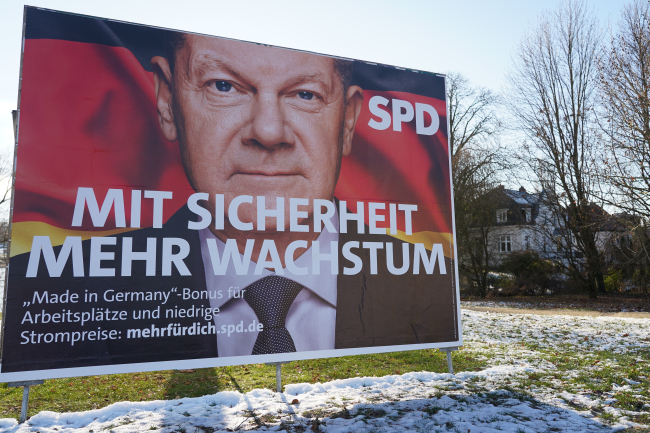
The SPD in the Run-Up to the 2025 General Election: from Chancellor's Party to Junior Coalition Partner?
The 20th legislative period (2021-2024) came to an abrupt end in the Federal Republic, following the dismissal of Finance Minister and Vice-Chancellor of the Liberal Democratic Party FDP, Christian Lindner, by Chancellor Olaf Scholz, due to deep political disagreements, in November 2024.

70th Anniversary of the Study Committee on Franco-German Relations (Cerfa). Genesis, History and Visions for Franco-German relations
The Study Committee on Franco-German Relations (Cerfa) was created in 1954 by an inter-governmental agreement between the Federal Republic of Germany and France, in order to raise awareness of Germany in France and analyze Franco-German relations, including in their European and international dimensions.
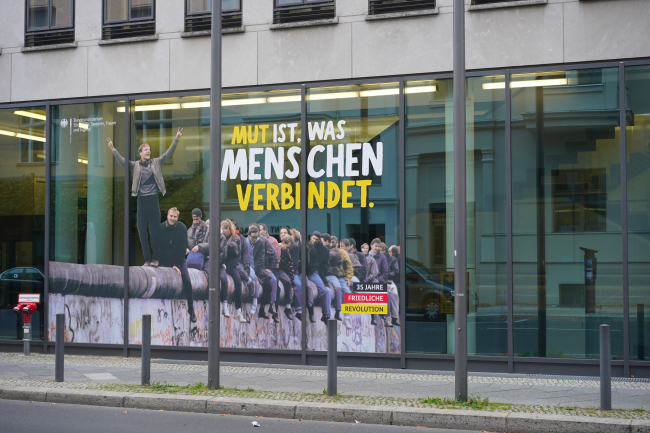
Thirty-five years after the fall of the Berlin Wall: what’s new in the East?
As we celebrate the 35th anniversary of the fall of the Berlin Wall on November 9, 2024, let’s start from the premise that the Berlin Wall did not “fall” on the night of November 9, 1989.
DOSSIER - 60th anniversary of the Elysée Treaty (1963) and implementation of the Treaty of Aachen (2019): where do Franco-German relations stand?
On January 23, 2023, France and Germany celebrated the 60th anniversary of the Élysée Treaty. This is an opportunity for us to analyze the state of relations between the two countries, and the contribution made by the Treaty of Aachen, which was added in 2019.
German Defense Policy: A Historic Turning Point?
The war in Ukraine has been a rude awakening for Berlin.


Governing in coalitions: Commonplace throughout Europe, an oddity for France
French President Emmanuel Macron will have to rule with only a relative majority in Parliament – an anomaly in recent French history, but a common practice in Europe.
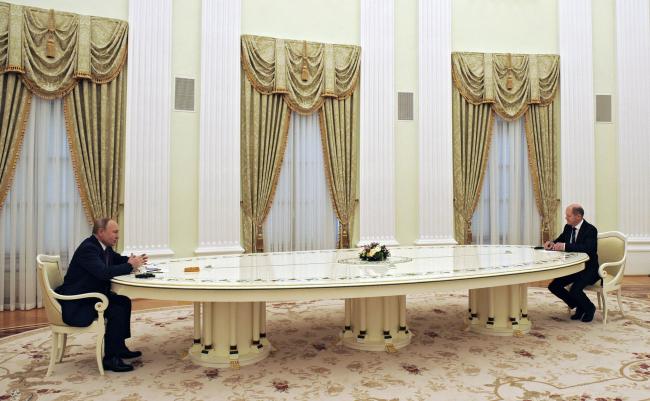
The Shock of Reality: The Traffic Light Coalition in the Russian-Ukrainian Crisis
The Russian-Ukrainian crisis puts to the test the cohesion of the new traffic light coalition, the authority of Chancellor Scholz and the ambition to adapt the post-Merkel German foreign policy.
What foreign policy for Germany after the end of the Merkel era?
One cannot help but wonder about Germany’s future foreign policy when one considers both the weight of the Federal Republic and the many crises we face internationally.
France welcomes Germany’s new ‘pro-European’ coalition agreement
The coalition deal struck between three parties that will form Germany’s next government is very much in line with France’s own ambitions and priorities, including its vision of a more federal EU.
Business as Usual for Next Franco-German Couple, Despite Sticking Points
While some argue that the next Franco-German power couple could be business as usual, there are some potential sticking points ahead.
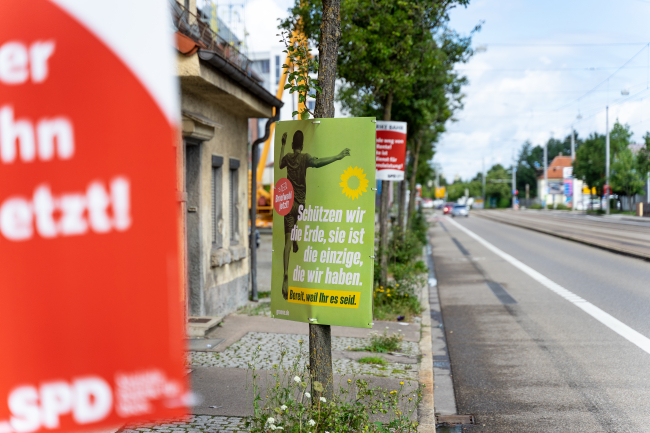
A Changing Germany: The Party System Tested in the 2021 German Federal Elections
The German federal elections of September 26, 2021 were marked by the departure of the outgoing chancellor, Angela Merkel, who was not seeking re-election. The scattering of the vote and the high volatility of voters have led to a redefinition of the landscape and geography of parties in Germany.
Germany's FDP holds Strong Cards in Post-Election Haggling
Buoyant from its best election result in 10 years, Germany's liberal FDP party looks set to play a outsized role in coalition negotiations to form the next government.
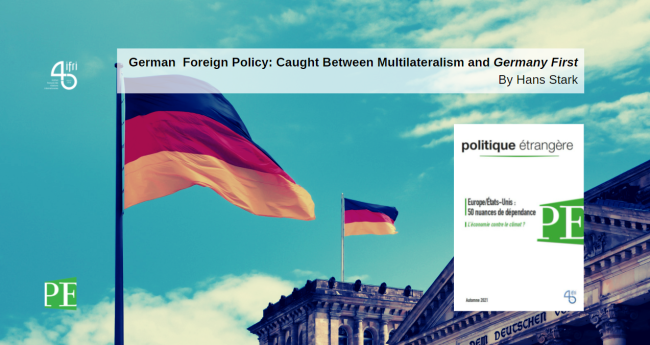
German Foreign Policy: Caught Between Multilateralism and Germany First
Underneath the rhetoric of commitment to a multilateral order, Germany's policy seems to be mainly structured around its national interests.
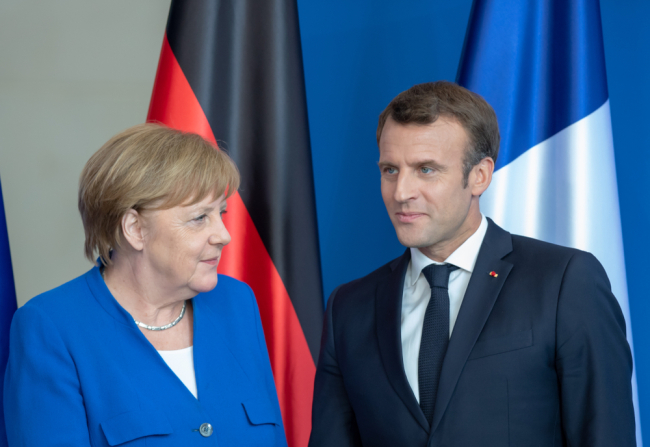
The Future of the Franco-German Tandem
At the heart of the European project, the Franco-German tandem provides impetus for further integration within the EU. However, Brussels is yet to decide which direction it wants to take, and the French and Germans still have to agree on their position with regards to economics, foreign affairs, and enlargement.
Which way for Germany’s foreign policy after the 2021 elections?
After 16 years of Angela Merkel, Germany’s federal election will not only pave the way for a new government but also for a brand-new foreign policy. At least potentially.
Armin Laschet: Merkel’s heir apparent?
Angela Merkel has governed Germany for 16 years and proven a reliable ally both in Europe and for the world. Will her party colleague hoping to succeed her follow in her footsteps or diverge from her path in order to forge his own legacy?
The end of the Merkel-Macron era — a mediocre legacy?
German Chancellor Merkel has met with French President Macron in what could be her final working visit to France. Some analysts say their cooperation should have produced more results.
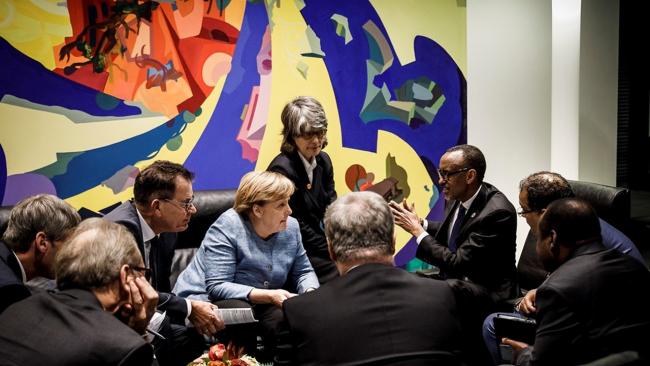
Germany’s Africa Politics: Renewal of an Unequal Cooperation?
In recent years, Germany’s Africa politics have been characterized by proactive international initiatives and the claim for a "partnership at eye level". However, a look at the power constellations of its cooperation indicates that inequalities are – contrary to Germany’s own claims – rather reproduced than reduced.
Ifri, a foundation recognized as being of public utility, relies largely on private donors – companies and individuals – to guarantee its sustainability and intellectual independence. Through their funding, donors help maintain the Institute's position among the world's leading think tanks. By benefiting from an internationally recognized network and expertise, donors refine their understanding of geopolitical risk and its consequences on global politics and the economy. In 2026, Ifri partners with over 90 French and international companies and organizations.

The Study Committee on Franco-German Relations (Cerfa) was created in 1954 by an inter-governmental agreement between the Federal Republic of Germany and France, in order to raise awareness of Germany in France and analyze Franco-German relations, including in their European and international dimensions. In its conferences and seminars, which bring together experts, political leaders, senior decision-makers and representatives of civil society from both countries, Cerfa develops the Franco-German debate and stimulates political proposals. It regularly publishes studies through two collections: Cerfa notes and studies as well as Franco-German visions.
Cerfa maintains close relations with the network of German foundations and think tanks. In addition to its research and debate activities, Cerfa promotes the emergence of a new Franco-German generation through original cooperation programs. This is how in 2021-2022, Cerfa led a program on multilateralism with the Konrad Adenauer Foundation in Paris. This program is aimed at young professionals from both countries interested in the issues of multilateralism in the context of their activities. It covered a wide range of themes relating to multilateralism, such as international trade, health, human rights and migration, non-proliferation and disarmament. Previously, Cerfa had participated in the Franco-German future dialogue, co-led with the DGAP from 2007 to 2020, and supported by the Robert Bosch Foundation and the Daniel Vernet group (formerly the Franco-German Reflection Group) which was founded in 2014 upon the initiative of the Genshagen Foundation.