


Europe
Europe is described here in a geographical sense. It is not limited to the European Union, and includes, for example, the United Kingdom and the Balkans. It remains central to international relations.
Related Subjects
Europe, Power and Finance
Finance has become an essential attribute of power. Its importance has grown given the substantial investments needed for the energy and digital transitions as well as the need to support economies affected by the COVID-19 pandemic.

USA/Europe: Seven Digital Challenges
As a consequence of the positive momentum in Transatlantic relations brought about by the arrival of the Biden administration, significant progress is expected on a range of key digital issues.
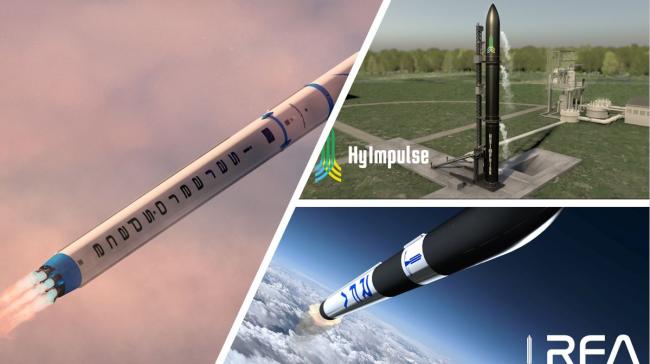
Commercial Space in Europe: A Balancing Act between Physics, Politics and Profession
Satellite constellations have become core elements of the digital transition. Over the next decade, several thousand satellites will have to be launched, to build these constellations. For positioning satellites, preferably in Low Earth Orbit (LEO), reliable and affordable launch services are essential.
EU-Japan Relations: Moving Forward
EU-Japan relations have undergone a major uplift over the past 5 years. Bound by the Economic and Strategic Partnership Agreements, as well as the Partnership on Sustainable Connectivity, the two once-distant players have been stepping up efforts to address the many shared security concerns in the Indo-Pacific and beyond. Ahead of the upcoming EU-Japan summit, this Policy Brief takes stock of the current state of play and offers some food for thought on how to move forward with the bilateral relationship.
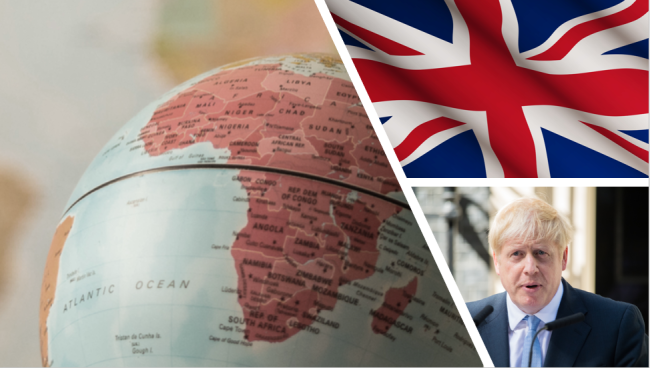
Great Britain and Africa: Boris Johnson's Strategic Reversals
In 2020-2021, Prime Minister Boris Johnson undertook to fundamentally change the operational mode and strategy of relations between the United Kingdom and the African continent bequeathed by his predecessors since 1997.

Towards a strategic agenda for the E3. Opportunities and risks for France, Germany and the UK
This paper explores how the E3 format – involving France, Germany and the UK – might develop in response to the challenges presented by the UK’s departure from the EU. The paper outlines how the trilateral format has supported policymaking to date, most notably in dialogue on Iran’s nuclear programme.
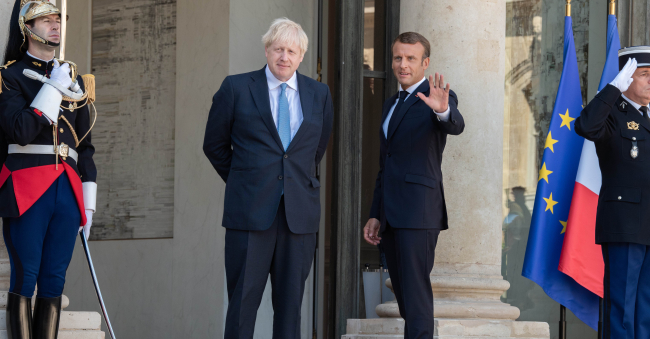
Complementarity or Competition? Franco-British Cooperation and the European Horizon of French Defense Policy
What does future hold for the Franco-British defense partnership after Brexit?

China's Soft Power in Europe: Falling on Hard Times
Analysis from 17 countries and EU institutions reveals that Chinese soft power in Europe – defined as the ability to influence preferences through attraction or persuasion – has seen better days.
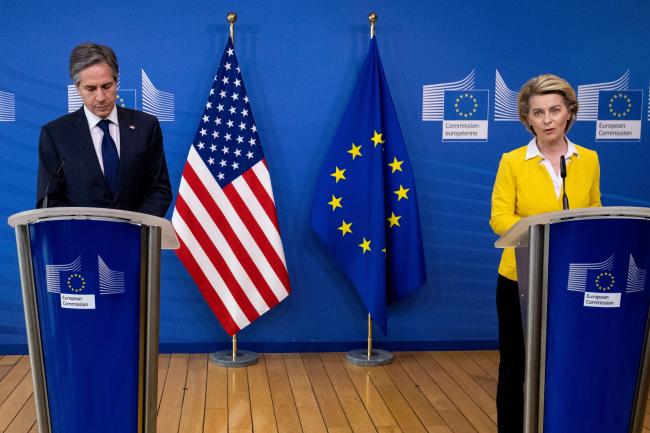
Europe in the Geopolitics of Technology: Connecting the Internal and External Dimensions
To respond to growing global competition, the EU has made notable progress on the internal dimension of technology policy over the past 3 years. It is now also seeking to adapt its foreign policy – from the transatlantic relationship to global partnerships – to technological challenges.
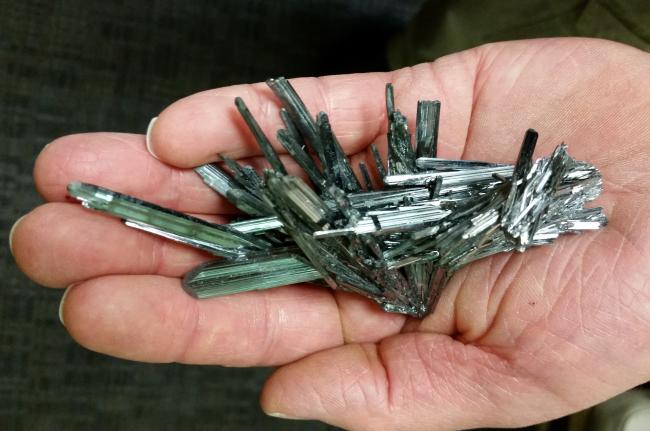
The US Mineral Independance Strategy : An All-Out Mobilization
The Trump administration has been very actively designing and implementing a new strategy for reliable supply of critical minerals which aims at reducing the country’s vulnerabilities and becoming a leader in this field.

Sweden: Mind Rather Than Heart in EU Politics
The Swedish decision to enter the EU was not based so much on the hope of gaining something, but rather on the fear of being left out if it did not. It was probably the desire for a ‘negative safety’ that made the Swedes vote in favour of the EU as the alternative cost would probably have been too high.
Austria: Two Sides of the Same Coin
Due to geopolitical constellations, Austria could be seen as “a rather late” comer to the European Union (it joined in 1995). The rationale to join remains relevant: protection of wealth and securing a prosperous future. Being very reliant on export, the access to the single market is fundamental to its economy. The enlargement has also helped Austria become a hub between Western and Eastern Europe.
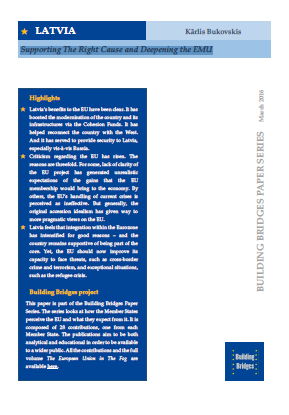
Latvia: Supporting the Right Cause and Deepening the Economic and Monetary Union
Latvia’s benefits to the EU have been clear. It has boosted the modernisation of the country and its infrastructures via the Cohesion Funds. It has helped reconnect the country with the West. And it has served to provide security to Latvia, especially vis-à-vis Russia.
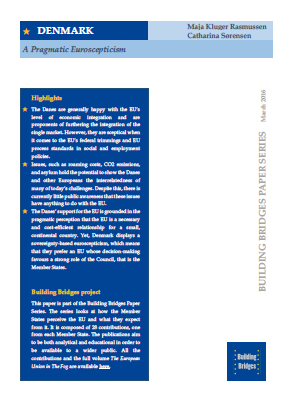
Denmark: A Pragmatic Euroscepticism
The Danes are generally happy with the EU’s level of economic integration and are proponents of furthering the integration of the single market. However, they are sceptical when it comes to the EU’s federal trimmings and EU process standards in social and employment policies.
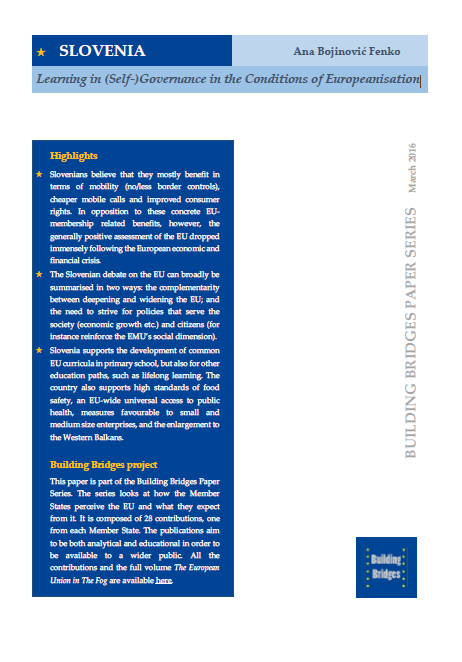
Slovenia: Learning in (Self-)Governance in the Conditions of Europeanisation
Slovenians believe that they mostly benefit in terms of mobility (no/less border controls), cheaper mobile calls and improved consumer rights. In opposition to these concrete EU-membership related benefits, however, the generally positive assessment of the EU dropped immensely following the European economic and financial crisis.

France: Disenchantment in Slow Motion
In France, Europe basically expresses four objectives: peace, parity with Germany, economic development, and leveraging French power. But today, the feeling abounds that none of these objectives are really being achieved.
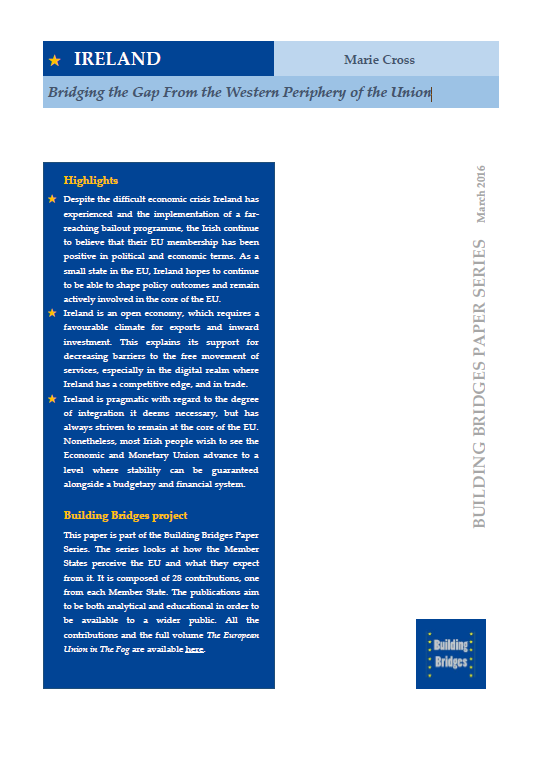
Ireland: Bridging the Gap from the Western Periphery of the Union
Despite the difficult economic crisis Ireland has experienced and the implementation of a far-reaching bailout programme, the Irish continue to believe that their EU membership has been positive in political and economic terms. As a small state in the EU, Ireland hopes to continue to be able to shape policy outcomes and remain actively involved in the core of the EU.
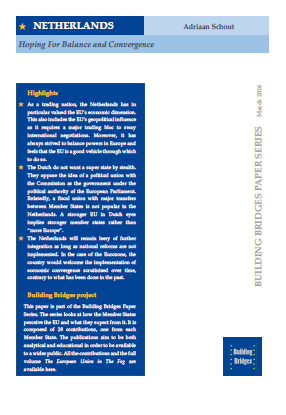
Netherlands: Hoping For Balance and Convergence
As a trading nation, the Netherlands has in particular valued the EU’s economic dimension. This also includes the EU’s geopolitical influence as it requires a major trading bloc to sway international negotiations. Moreover, it has always strived to balance powers in Europe and feels that the EU is a good vehicle through which to do so.
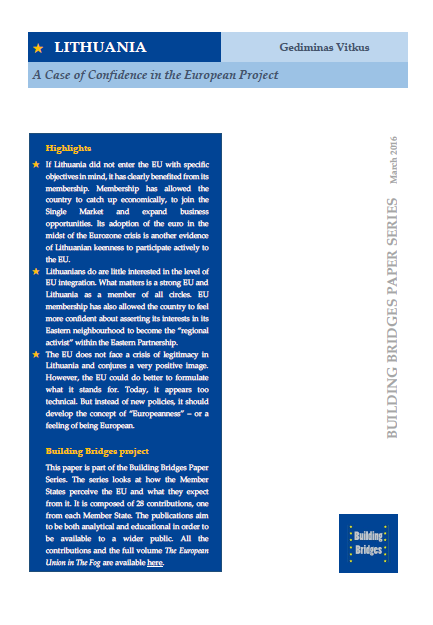
Lithuania: A Case of Confidence in the European Project
If Lithuania did not enter the EU with specific objectives in mind, it has clearly benefited from its membership. Membership has allowed the country to catch up economically, to join the Single Market and expand business opportunities. Its adoption of the euro in the midst of the Eurozone crisis is another evidence of Lithuanian keenness to participate actively to the EU.
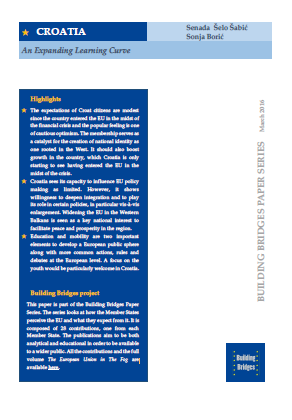
Croatia: An Expanding Learning Curve
The expectations of Croat citizens are modest since the country entered the EU in the midst of the financial crisis and the popular feeling is one of cautious optimism. The membership serves as a catalyst for the creation of national identity as one rooted in the West. It should also boost growth in the country, which Croatia is only starting to see having entered the EU in the midst of the crisis.
Support independent French research
Ifri, a foundation recognized as being of public utility, relies largely on private donors – companies and individuals – to guarantee its sustainability and intellectual independence. Through their funding, donors help maintain the Institute's position among the world's leading think tanks. By benefiting from an internationally recognized network and expertise, donors refine their understanding of geopolitical risk and its consequences on global politics and the economy. In 2025, Ifri supports more than 80 French and foreign companies and organizations.
Related centers and programs
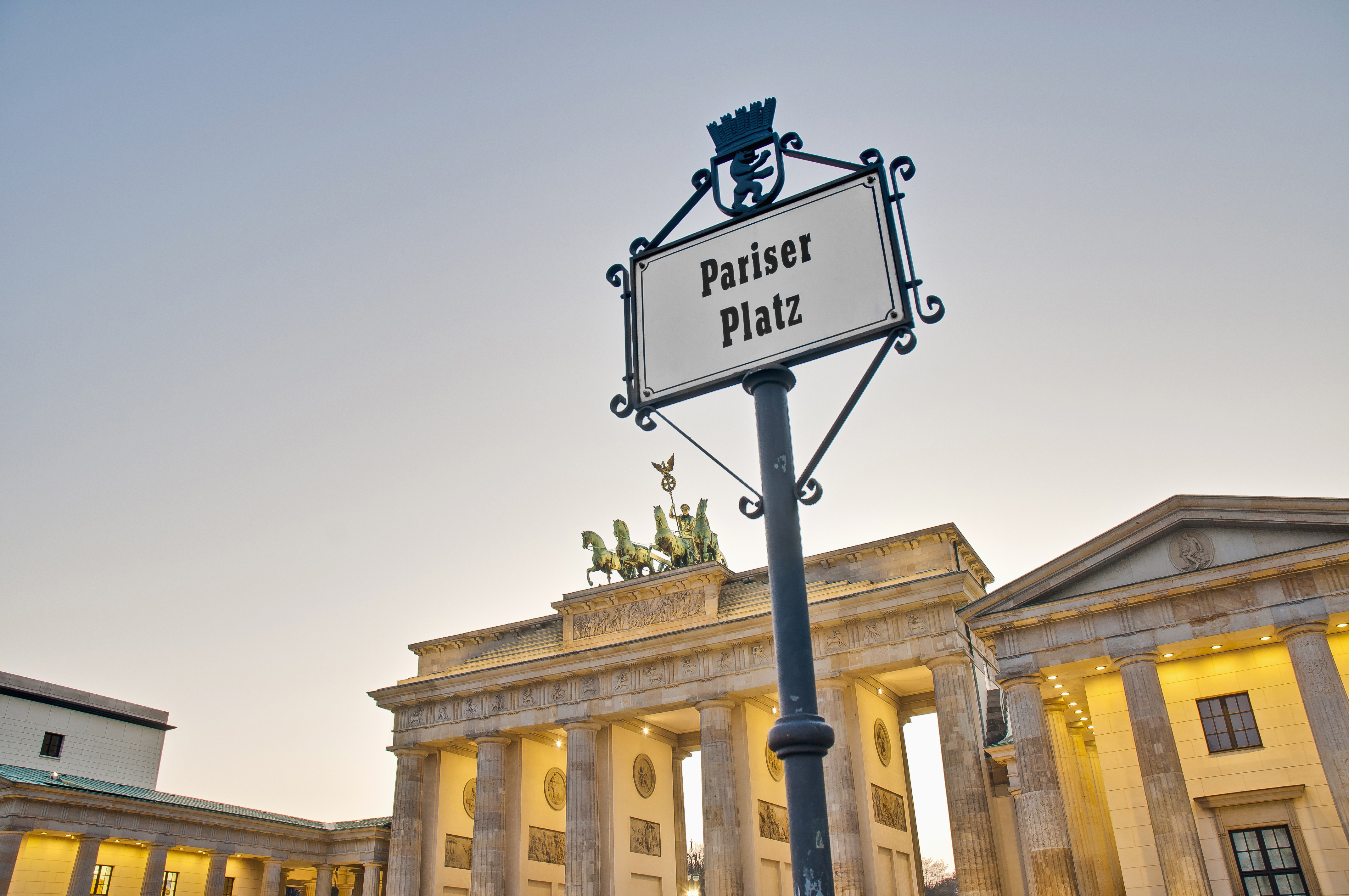
The Study Committee on Franco-German Relations (Cerfa)
The Study Committee on Franco-German Relations (Cerfa) was created in 1954 by an inter-governmental agreement between the Federal Republic of Germany and France, in order to raise awareness of Germany in France and analyze Franco-German relations, including in their European and international dimensions. In its conferences and seminars, which bring together experts, political leaders, senior decision-makers and representatives of civil society from both countries, Cerfa develops the Franco-German debate and stimulates political proposals. It regularly publishes studies through two collections: Cerfa notes and studies as well as Franco-German visions.
Cerfa maintains close relations with the network of German foundations and think tanks. In addition to its research and debate activities, Cerfa promotes the emergence of a new Franco-German generation through original cooperation programs. This is how in 2021-2022, Cerfa led a program on multilateralism with the Konrad Adenauer Foundation in Paris. This program is aimed at young professionals from both countries interested in the issues of multilateralism in the context of their activities. It covered a wide range of themes relating to multilateralism, such as international trade, health, human rights and migration, non-proliferation and disarmament. Previously, Cerfa had participated in the Franco-German future dialogue, co-led with the DGAP from 2007 to 2020, and supported by the Robert Bosch Foundation and the Daniel Vernet group (formerly the Franco-German Reflection Group) which was founded in 2014 upon the initiative of the Genshagen Foundation.
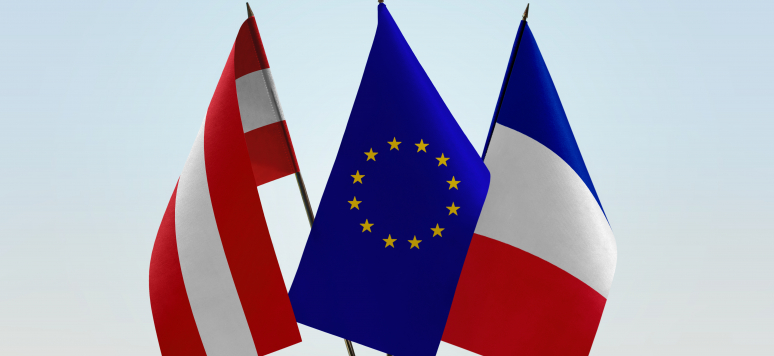
Austro-French Centre for Rapprochement in Europe (ÖFZ)
The Austro-French Centre for Rapprochement in Europe (ÖFZ/CFA) is a Franco-Austrian intergovernmental organization, initiated in 1976 by Prime Minister Jacques Chirac and Federal Chancellor Bruno Kreisky, in order to develop economic relations between Western and Eastern Europe, contributing to the creation of a Europe of peace.
After the fall of the Berlin Wall, the ÖFZ/CFA refocused its action on the problems following the enlargement of the European Union, and integrated the following countries in its field of activities : Hungary, Poland, Czech Republic, Slovak Republic, Slovenia, the Baltic countries, Romania and Bulgaria. ÖFZ/CFA's vocation, as a space for reflection and exchange, is in fact reinforced by the need to support the new member countries of the Union in their integration process. Since 2004, the ÖFZ/CFA has also turned towards the Union's new neighbors, in particular towards the countries of the Western Balkans, which perceive their future from a European perspective.
The ÖFZ/CFA strives to place all of its exchanges in a global perspective concerning the future of our continent. Today it centers its activities around three directions: the Franco-Austrian bilateral dialogue, the future of the European Union, the future recomposition of the continent.
Reports of all events organized by the ÖFZ/CFA are available on its website (http://oefz.at). The ÖFZ/CFA's budget is provided by the French and Austrian foreign ministries. Depending on the themes addressed, the ÖFZ/CFA calls on European public and private institutions to help finance its meetings. The CFA's orientations benefit from the recommendations of an Orientation Council, approved by a Board of Directors, which elects from among its members a president and a secretary general.