




Russia-Eurasia
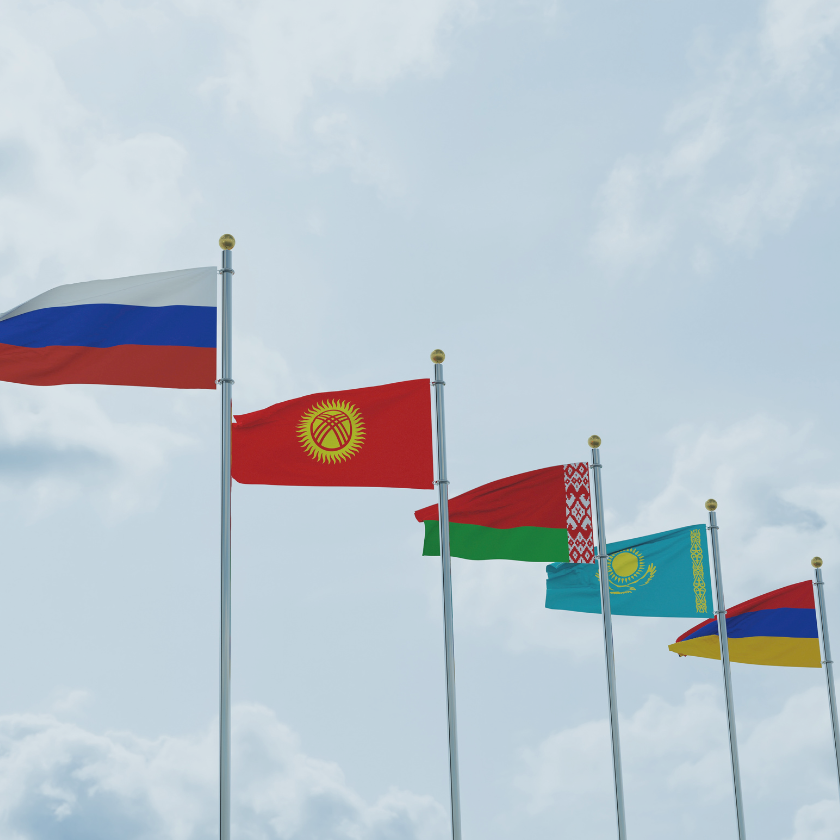
Eurasia is undergoing profound changes. While the Soviet past has left a lasting imprint, Russia and the countries of Eastern Europe, Central Asia and the South Caucasus have their own trajectory.
Related Subjects
A Region of Flashpoints? Security in the Indo-Pacific
The Indo-Pacific mega-region is home to the world’s most fluid, complex, and dangerous security environment. Lingering traditional security flashpoints (Taiwan Strait, North Korea, territorial disputes) are exacerbated by the rise of China and the US–China great power competition.

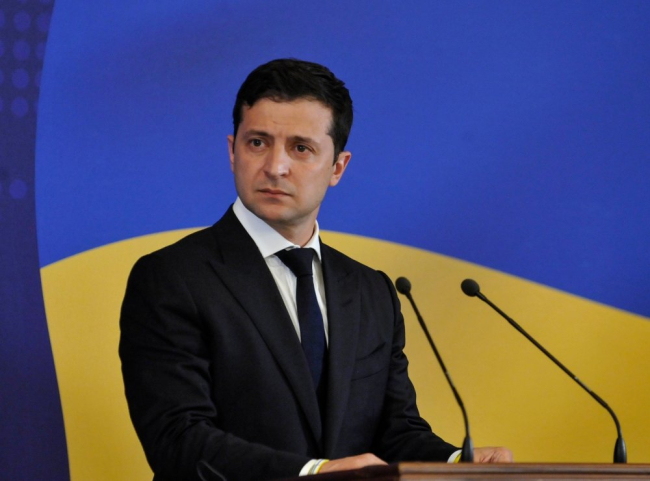
President Zelensky’s Increasingly Critical Stance toward the West
After the recent intensification of dialogue between official Kyiv and President Biden’s administration, in the wake of the rising threat to Ukraine posed by Russia and in anticipation of President Biden’s visit to the UK and EU, President Volodymyr Zelensky and his team began sharpening their rhetorical stance toward Ukraine’s Western partners.

France and Germany back Ukraine’s call for Russian troop pullback
Zelensky’appeal for help in Paris follows Biden’s condemnation of Russian ‘aggression’.
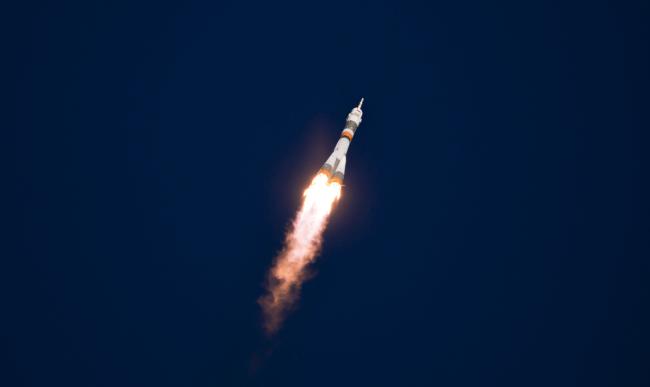
Russia’s Space Policy: The Path of Decline?
With the advent of New Space, Russia is engaged in a race against time to preserve one of its major industrial assets.


E.U.’s Top Drug Regulator Says It’s ‘Fully Functional’ After Cyberattack
The European Union’s top drug regulator, whose approval is necessary for countries of the bloc to begin rolling out the coronavirus vaccine, has begun an investigation after it was hit by a cyberattack, the head of the agency said on Thursday.
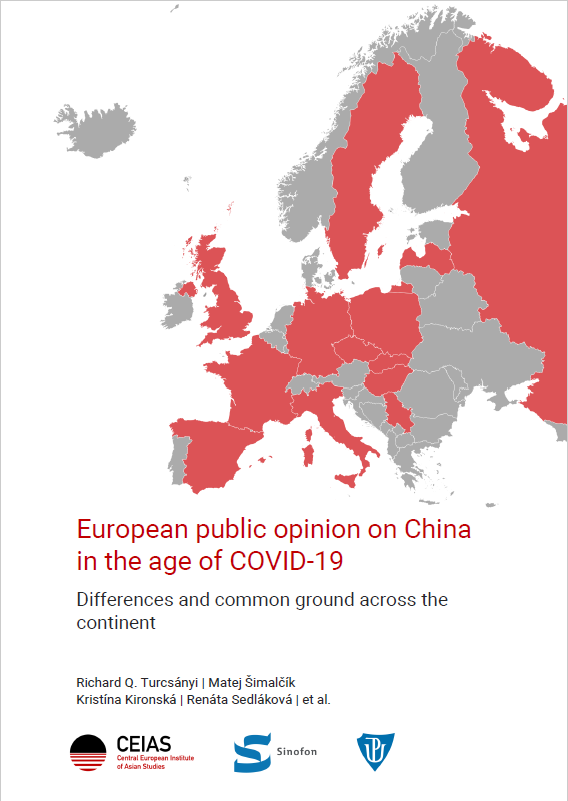
European public opinion on China in the age of COVID-19: Differences and common ground across the continent
In September and October 2020, the Sinophone Borderlands project at Palacký University Olomouc conducted a wide-scale survey of public opinion on China in 13 European countries. The polled countries include: Czechia, France, Germany, Hungary, Italy, Latvia, Poland, Russia, Serbia, Slovakia, Spain, Sweden, and the United Kingdom. Here, we present the basic findings of the survey, which are a result of a joint analysis of the survey data by the Central European Institute of Asian Studies (CEIAS) and Sinophone Borderlands.
One Year of Zelensky’s Presidency: One Step Forward, One Step Back
The election of Volodymyr Zelensky as president of Ukraine created very high expectations in the society.
Belarus opposition leader takes risky diplomatic path
Once a political novice, Belarusian opposition leader Svetlana Tikhanovskaya is joining Europe's diplomatic big leagues but risks undermining her own cause in the process, experts said.
The Future of Europe in the Context of Sino-American Competition
This special issue of Politique étrangère focuses on the proceedings of the Conference organized by the French Institute of International Relations (Ifri) for its 40th anniversary, held on April 10th, 2019, in Sorbonne University's Grand Amphithéâtre.
Greater Eurasia: The Emperor’s New Clothes or an Idea whose Time Has Come?
The Greater Eurasia project has emerged as the poster-child of Vladimir Putin’s foreign policy, symbolic of a resurgent and self-confident Russia.
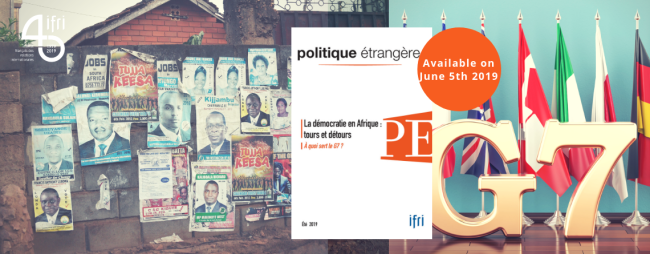
Democracy in Africa: A Long and Winding Road
The architecture of democracy is complex, coupling a legal framework to a social foundation that allows it to take root.
Strategic stability: what future in the context of confrontation between Moscow and Washington?
An interview with Andrey KORTUNOV, Director General of the Russian International Affairs Council (RIAC).
Envisioning Opportunities for U.S.-Russia Cooperation in and with Central Asia
Central Asia is conventionally seen as a conflicting space for great powers.
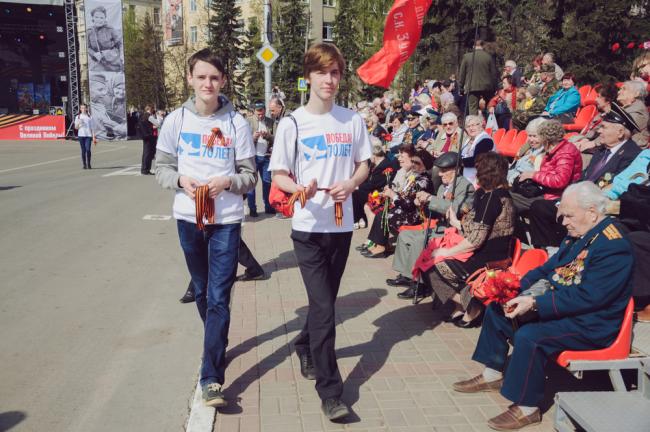
Beyond Putin: Russia’s Generations Y and Z
Of Russia’s 146 million citizens (if we include those in Crimea), 63 million—or 43 percent—are under 34 years of age. Of these, 30 million belong to Generation Y (millennials in their 20s and early 30s), 15 million belong to Gen Z (teenagers), and a further 18 million are part of the youngest generation (less than 10 years of age).
Kremlin-Linked Forces in Ukraine’s 2019 Elections: On the Brink of Revenge?
The 2019 presidential and parliamentary elections in Ukraine take place against the backdrop of the continuing “hybrid war” with Russia, but are also marked by the visible successes of the Ukrainian leadership in strengthening the country’s defenses, reviving its economic growth and implementing pro-European policies.
China’s Ambitions in Eastern Europe and the South Caucasus
Eastern Europe and the South Caucasus have long been a blind-spot for Chinese diplomacy and economic policy. For over a decade, however, China has been laying the foundations of a long-term presence in the area, a process which has accelerated since the end of 2013 with the launch of the Belt and Road Initiative.

France's 'yellow vests' and the Russian trolls that encourage them
Russian social media trolls reportedly helped stoke the 'yellow vest' protests — France's largest demonstrations in years. DW talked to social media experts to find out more.
Moldova between Russia and the West: Internal Divisions behind the Commitment to European Integration
The traditional characterisation of Moldova as a bridge between two civilisations, Russian Orthodox and the West, seems to have become outdated.
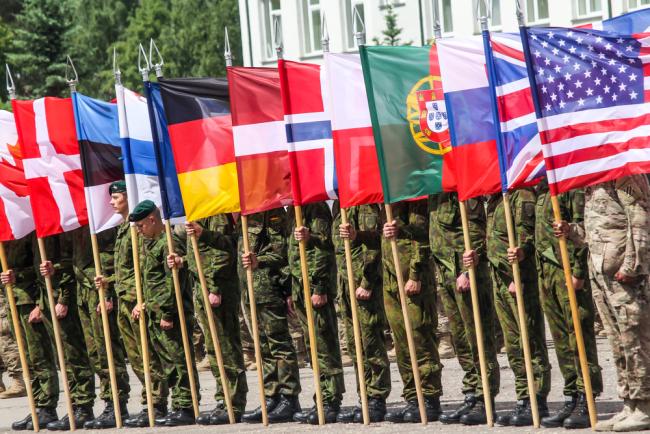
Tailored Assurance: Balancing Deterrence and Disarmament in Responding to NATO-Russia Tension
The 2018 Nuclear Posture Review (NPR) called for tailoring assurance across America’s allies, including NATO, as part of an overall deterrence and assurance strategy.
Rival public diplomacies in the Ukrainian crisis : RT and Ukraine Today
The Ukrainian crisis has brought to light the key role played by new international networks as instruments of public diplomacy in time of war. Focusing on RT and Ukraine Today in the asymmetrical conflict between Russia and Ukraine, this article analyzes the operation and strategies of diffusion of these two media, and inquires into their antagonistic narratives and political rationales. This case study focuses on this conflict’s two dimensions of storytelling and news that several actors and observers have described as a “war of information”.
Ifri, a foundation recognized as being of public utility, relies largely on private donors – companies and individuals – to guarantee its sustainability and intellectual independence. Through their funding, donors help maintain the Institute's position among the world's leading think tanks. By benefiting from an internationally recognized network and expertise, donors refine their understanding of geopolitical risk and its consequences on global politics and the economy. In 2026, Ifri partners with over 90 French and international companies and organizations.

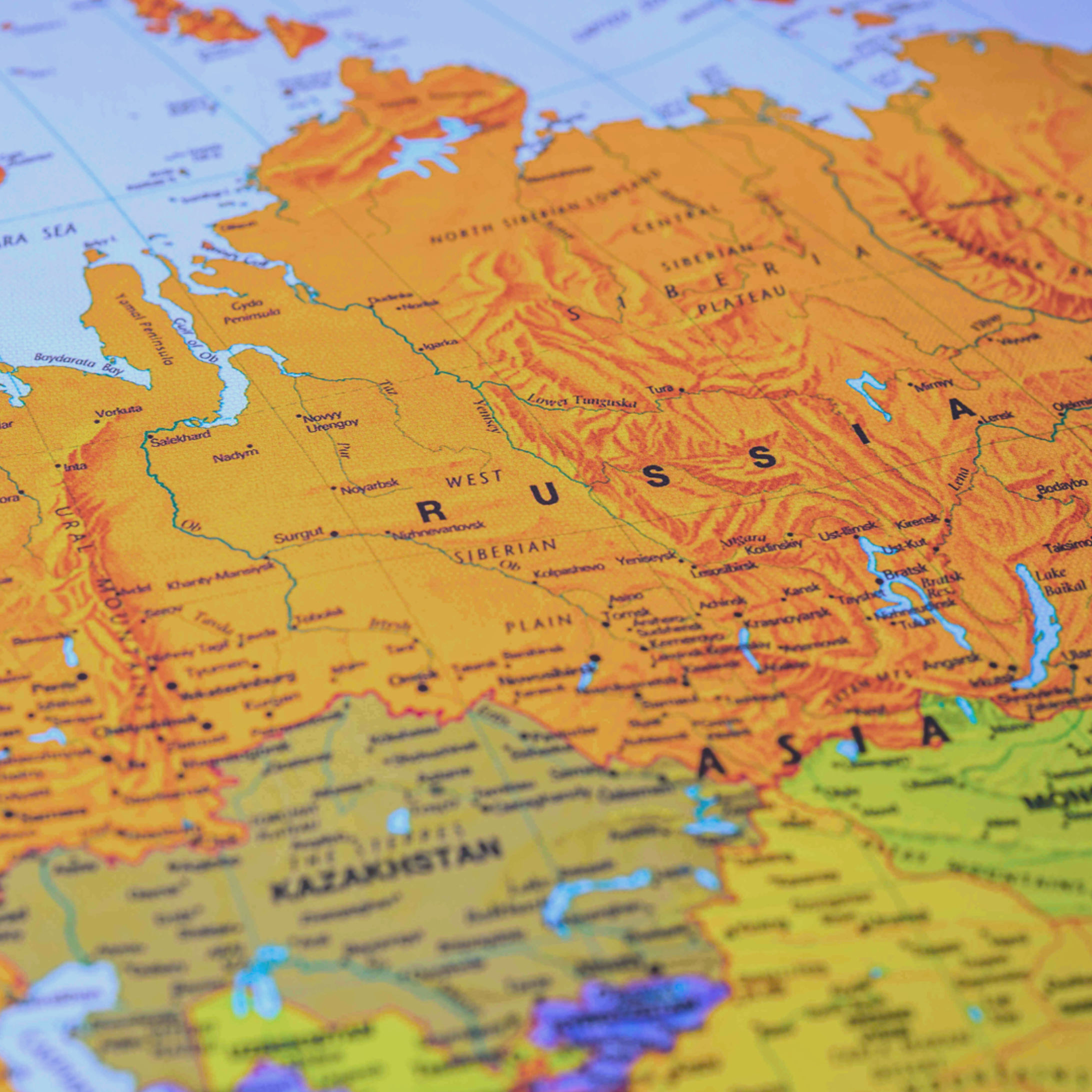
Founded in 2005 within Ifri, the Russia/Eurasia Center conducts research and organizes debates on Russia, Eastern Europe, Central Asia, and the South Caucasus. Its goal is to understand and anticipate the evolution of this complex and rapidly changing geographical area in order to enrich public discourse in France and Europe and to assist in strategic, political, and economic decision-making.