




Russia-Eurasia
Eurasia is undergoing profound changes. While the Soviet past has left a lasting imprint, Russia and the countries of Eastern Europe, Central Asia and the South Caucasus have their own trajectory.
Related Subjects
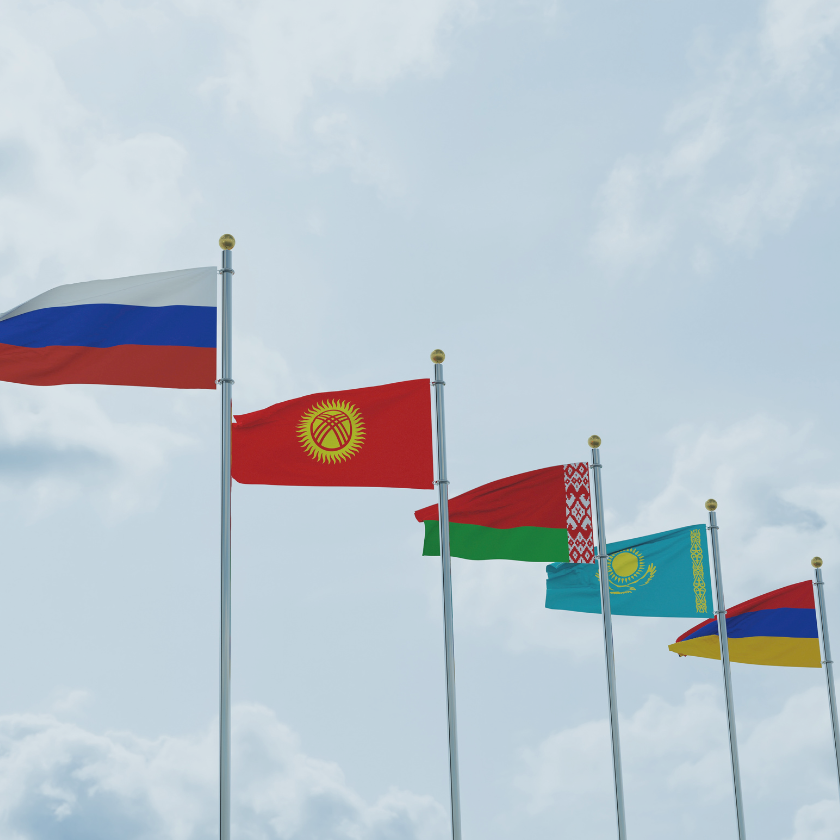
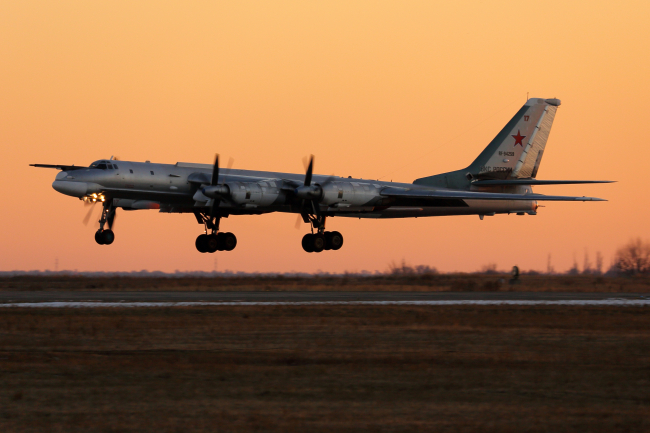
The Plight of Russia’s Air Power in the Ukraine War: Drone-Driven Innovations and Transformation of Traditional Air Force
Since the start of the Ukraine War, Russian strategic guidelines on the application of air power—seen as the decisive instrument for achieving success in modern wars—have proven to be outdated, irrelevant and even self-defeating.

Confronting Russia’s High-Velocity Arsenal: European Challenges and Solutions
Since February 2022, Russian missile and long-range drone strikes against Ukraine have served as near-daily reminders of what European states could face in a war with Russia. The same weapon systems battering Ukrainian infrastructure and population centers would be directed against European military and civilian targets in any confrontation between Russia and NATO. As Russian missile production expands and its arsenal diversifies, Europe must confront an uncomfortable question: how to deter, and if push comes to shove, fight Russia's long-range strike arsenal?
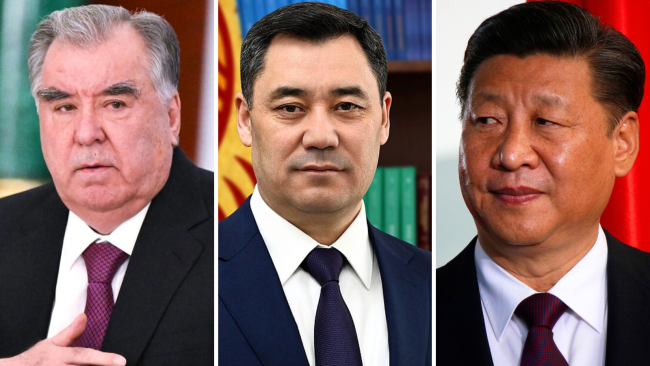
China in Kyrgyzstan and Tajikistan: From Economic Presence to a New Security Role
Over the past three decades, China’s influence in Central Asia has steadily expanded, but in the last three to five years this process has entered a markedly accelerated phase. Following 2022, Beijing effectively revised both its strategy and its operational approach toward the region.
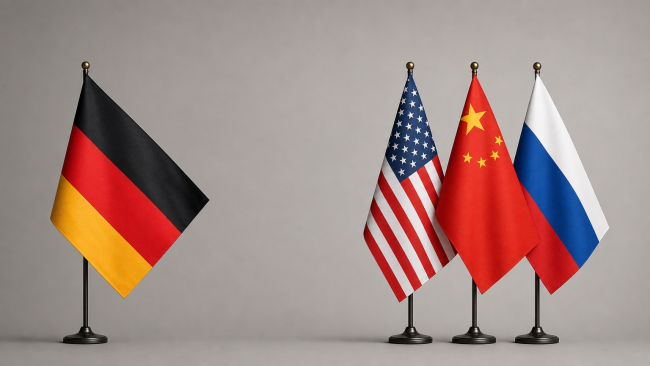
Germany in the Shadow of the United States, Russia, and China – Systemic Paradigm Shifts
Since reunification, Germany has built its prosperity on an international order based on free trade, multilateralism, and geopolitical stability. This model relied on three relationships considered complementary: U.S. military protection, Russian energy supplies, and economic integration with China. For several decades, Berlin viewed these interdependencies as factors contributing to peace, growth, and security.
Between Russia and Europe, between War and Peace: What is at Stake in Armenia’s Upcoming Elections?
Armenia’s June 7, 2026, parliamentary election is shaping up less as a routine vote than as a referendum on Nikol Pashinyan’s post-2020 course, which includes peace with neighbors, reduced dependence on Russia, and a more explicit European orientation. The ruling Civil Contract party is still the frontrunner, but its position is fragile, as the campaign is being fought in a highly polarized environment shaped by the trauma of defeat in the war against Azerbaijan, the displacement of Karabakh Armenians, and the massive election interference from Russia.
Strategic Shift in NATO’s Support for Ukraine. A Study of NSATU and PURL Initiatives
Poking the bear? Armenia welcomes European leaders in Russia's backyard
Just as Europe frets over fresh Trump tariffs, a US troop drawdown announced for Germany and the message it sends to a hostile Russia, how about not one but two summits in former Soviet state Armenia. Before a first-ever gathering of EU leaders in Yerevan on Tuesday comes the European Political Community: a talk shop with regional players which also include Ukraine and NATO heavyweights like the UK, Norway and an outside guest who shares superpower proximity problems.
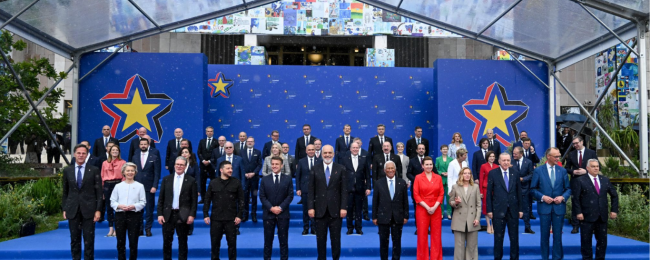
The Geopolitical Maturation of the European Political Community
After Albania and Denmark in 2025, it will be Armenia’s turn to host the next summit of the European Political Community (EPC). As Yerevan gets ready to welcome the leaders of more than 40 European countries, the location of the summit in the heart of the South Caucasus draws attention to the geopolitical significance of the format, launched in Prague in 2022.
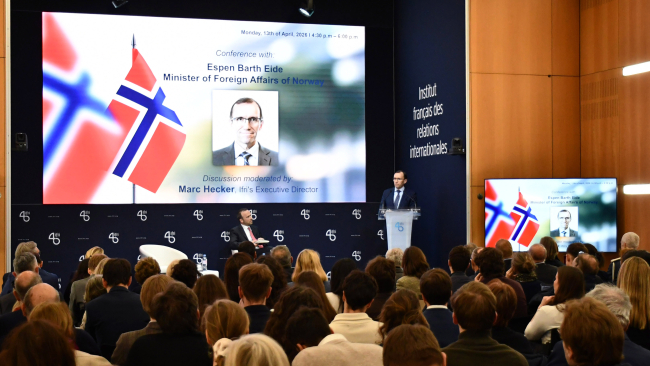
Replay - Conference with Espen Barth Eide, Minister of Foreign Affairs of Norway
Since the invasion of Ukraine by Russia in 2022, Norway has become the European Union’s leading supplier of gas. This position could be further strengthened given the ongoing war in the Middle East.
Both sides of the Atlantic | Warsaw European Conversation 2026
This episode discusses the future of transatlantic relations and the evolution of security policy on both sides of the Atlantic. It examines France’s strategic stance and the implications of potential leadership change. It also looks at the dynamics of U.S. domestic politics – the role of political parties and civil society in curbing Donald Trump’s power, and the significance of the midterm elections. It considers what these processes mean for Europe, especially in the context of Article 5. Joining Marta Prochwicz-Jazowska, Deputy Head of the ECFR Warsaw office, in the discussion will be Thomas Gomart, director of the French Institute of International Relations, and Amanda Sloat, professor at the School of Politics, Economics, and Global Affairs at IE University.

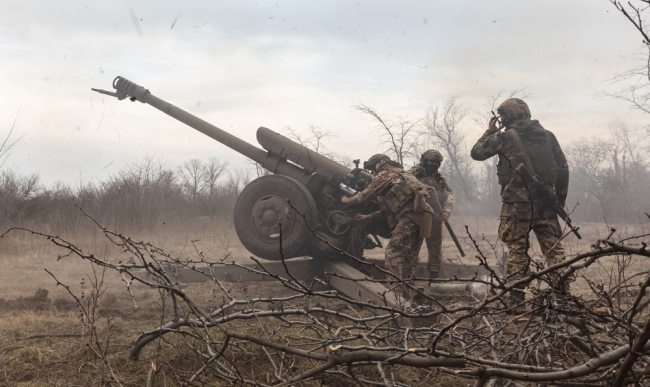
The war could still last for years and paradoxically, time is not on the Kremlin's side
Dimitri Minic, Scientific Director of the Observatory on Russia, Eastern Europe, the Caucasus, and Central Asia and a Research Fellow at Ifri’s Russia/Eurasia Center, argues in an interview with Le Monde that “Ukraine should not be buried too quickly,” even if the current balance of power favors Russia.
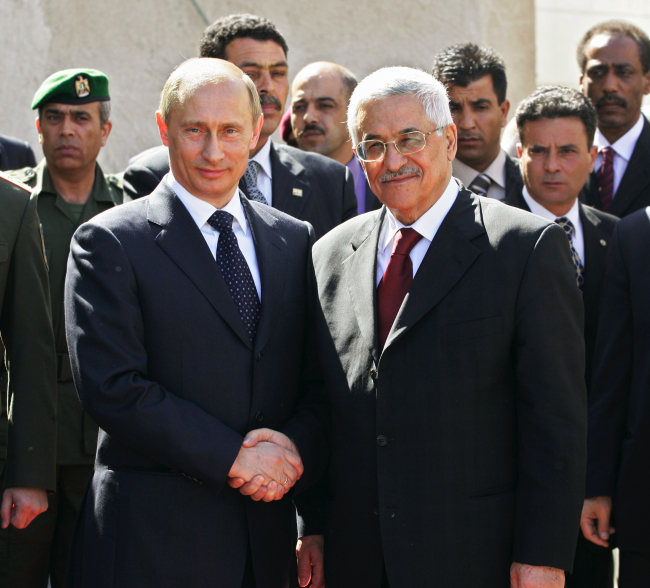
Russia, the Palestinians and Gaza: Adjustments after October 7th
The Soviet Union (USSR), and subsequently the Russian Federation as its internationally recognized legal successor, has consistently sought to play a visible role in efforts to resolve the Israeli-Palestinian conflict.

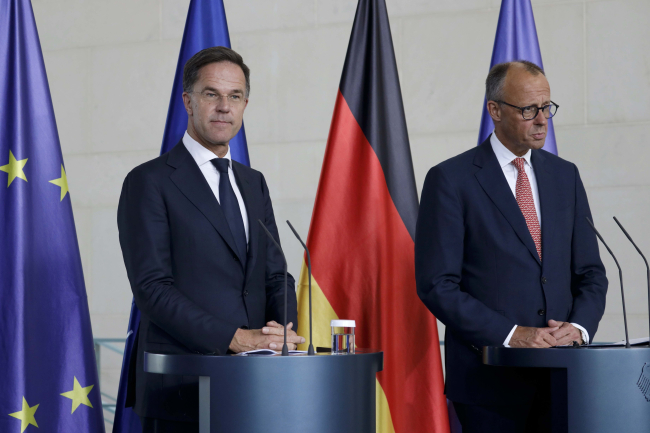
Nuke-talk is heating up among Europeans in Munich
Multiple European countries are publicly backing talks on a homegrown nuclear deterrent to complement American atomic weapons following an erosion of trust in a Donald Trump-led U.S.
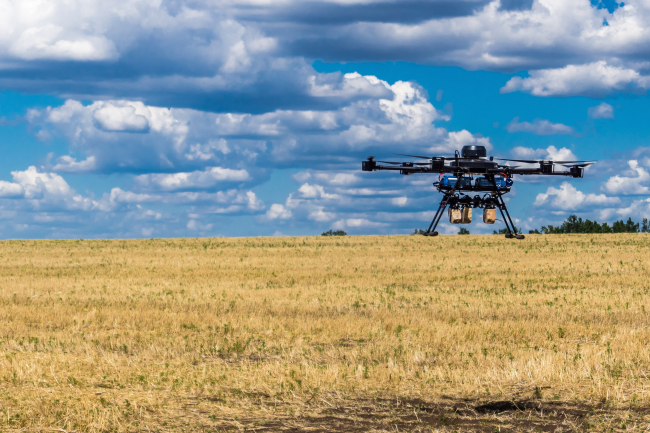
Mapping the MilTech War: Eight Lessons from Ukraine’s Battlefield
This report maps out the evolution of key technologies that have emerged or developed in the last 4 years of the war in Ukraine. Its goal is to derive the lessons the North Atlantic Treaty Organization (NATO) could learn to strengthen its defensive capabilities and prepare for modern war, which is large-scale and conventional in nature.

Mind the Deterrence Gap: Assessing Europe’s Nuclear Options
Europe must urgently confront a new nuclear reality. In recent years, Russia’s nuclear-backed revisionism has reintroduced nuclear coercion and the threat of nuclear escalation to the continent, underscoring the importance of credible nuclear deterrence. At the same time, Europe’s traditional reliance on US extended nuclear deterrence appears politically more fragile than at any point since the Cold War. Together, these developments require Europeans to think about their nuclear options.
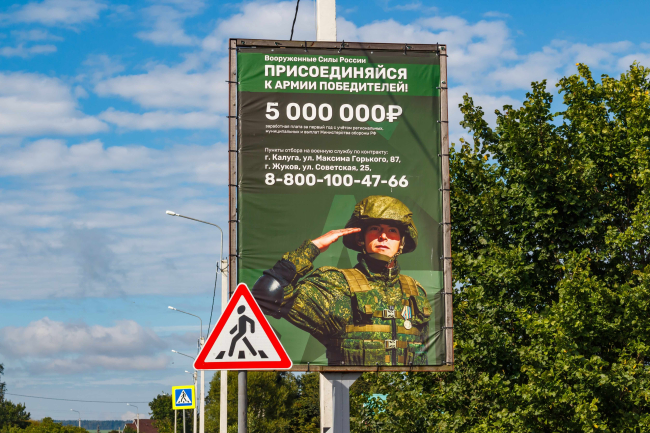
Deathonomics: The Social, Political, and Economic Costs of War in Russia
The report attempts to outline and examine a truly new phenomenon in Russian society, dubbed “deathonomics”—the making of a mercenary army against the backdrop of the Kremlin’s war in Ukraine, eventually replacing both the Soviet (conscript) and early new Russian (contract) armies. It notes that, by the end of 2023, this trend had turned the military service into one of the highest-paying professions in the country, something not seen in Russia on such a scale since the late 17th century.
New Cold War? What New Cold War? Confronting the Geoeconomic Fragmentation Narrative with the Data
It has become widely accepted that the world economy should be seen as increasingly shaped by forces of fragmentation, resulting from geopolitical tensions. This article takes another look at this narrative, using international trade data. While an aggregate analysis is consistent with a new Cold War narrative, whereby international trade is increasingly seen as split into two blocs, this is only a mix of very different outcomes. Far from being a widespread trend, geoeconomic fragmentation of trade flows is only significant in “hotspots”: Russia's foreign trade and China-US bilateral exchanges, and the impact is massive in these cases. Outside these “hotspots”, there is no tangible sign that geopolitical tensions have been shaping international trade patterns in terms of blocs, nor is there any hint of a trend toward nearshoring – to the contrary, in fact.
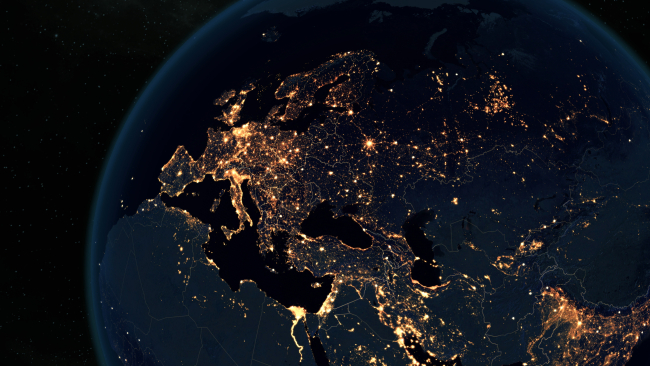
Europe-Russia: Balance of Power Review
European countries can no longer avoid the "Russian question," as Russia has chosen war. They have the necessary potential—that is, the economic means, military capabilities, and technological expertise—to face Russia by 2030, provided they demonstrate the political will to do so.
'Russia holds a decisive edge in terms of manpower, firepower and mobilization capacity'
Three researchers at the French Institute of International Relations, Dimitri Minic, Tatiana Kastouéva-Jean and Paul Maurice, are urging Europe to intensify its power dynamic with Moscow. The French Institute of International Relations (IFRI) published a report on Tuesday, November 4, that highlights Europe's vulnerabilities in the event of a high-intensity conflict with Russia.
Kazakhstan After the Double Shock of 2022: Political, Economic and Military Consequences
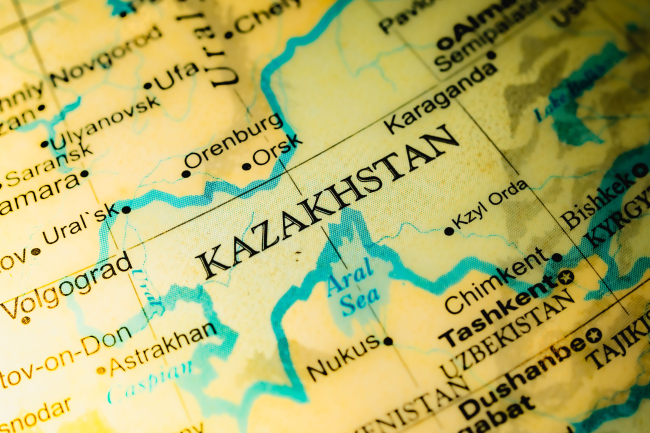
The year 2022 represented a dual shock for Kazakhstan. In January, the country faced its most severe political crisis since independence, followed in February by Russia’s full-scale invasion of Ukraine, which cast uncertainty over the borders of post-Soviet states. These consecutive crises profoundly shaped Kazakhstan’s domestic and foreign policy.
The Plight of Russia’s Air Power in the Ukraine War: Drone-Driven Innovations and Transformation of Traditional Air Force
Since the start of the Ukraine War, Russian strategic guidelines on the application of air power—seen as the decisive instrument for achieving success in modern wars—have proven to be outdated, irrelevant and even self-defeating.
Confronting Russia’s High-Velocity Arsenal: European Challenges and Solutions
Since February 2022, Russian missile and long-range drone strikes against Ukraine have served as near-daily reminders of what European states could face in a war with Russia. The same weapon systems battering Ukrainian infrastructure and population centers would be directed against European military and civilian targets in any confrontation between Russia and NATO. As Russian missile production expands and its arsenal diversifies, Europe must confront an uncomfortable question: how to deter, and if push comes to shove, fight Russia's long-range strike arsenal?
China in Kyrgyzstan and Tajikistan: From Economic Presence to a New Security Role
Over the past three decades, China’s influence in Central Asia has steadily expanded, but in the last three to five years this process has entered a markedly accelerated phase. Following 2022, Beijing effectively revised both its strategy and its operational approach toward the region.
Germany in the Shadow of the United States, Russia, and China – Systemic Paradigm Shifts
Since reunification, Germany has built its prosperity on an international order based on free trade, multilateralism, and geopolitical stability. This model relied on three relationships considered complementary: U.S. military protection, Russian energy supplies, and economic integration with China. For several decades, Berlin viewed these interdependencies as factors contributing to peace, growth, and security.
The G7 Leaders’ Summit in France: An Unexpected Success
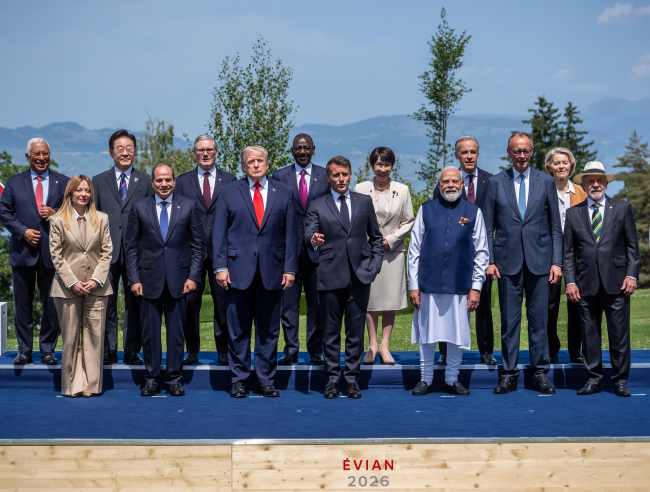
Overall, it was a successful summit for President Macron. However, caution is warranted regarding the 2026 G7’s lasting legacy, as the unpredictability of the U.S. president could affect the durability of commitments made.
Between Russia and Europe, between War and Peace: What is at Stake in Armenia’s Upcoming Elections?
Armenia’s June 7, 2026, parliamentary election is shaping up less as a routine vote than as a referendum on Nikol Pashinyan’s post-2020 course, which includes peace with neighbors, reduced dependence on Russia, and a more explicit European orientation. The ruling Civil Contract party is still the frontrunner, but its position is fragile, as the campaign is being fought in a highly polarized environment shaped by the trauma of defeat in the war against Azerbaijan, the displacement of Karabakh Armenians, and the massive election interference from Russia.
Strategic Shift in NATO’s Support for Ukraine. A Study of NSATU and PURL Initiatives
The Geopolitical Maturation of the European Political Community
After Albania and Denmark in 2025, it will be Armenia’s turn to host the next summit of the European Political Community (EPC). As Yerevan gets ready to welcome the leaders of more than 40 European countries, the location of the summit in the heart of the South Caucasus draws attention to the geopolitical significance of the format, launched in Prague in 2022.
Russia, the Palestinians and Gaza: Adjustments after October 7th
The Soviet Union (USSR), and subsequently the Russian Federation as its internationally recognized legal successor, has consistently sought to play a visible role in efforts to resolve the Israeli-Palestinian conflict.
Mapping the MilTech War: Eight Lessons from Ukraine’s Battlefield
This report maps out the evolution of key technologies that have emerged or developed in the last 4 years of the war in Ukraine. Its goal is to derive the lessons the North Atlantic Treaty Organization (NATO) could learn to strengthen its defensive capabilities and prepare for modern war, which is large-scale and conventional in nature.
Mind the Deterrence Gap: Assessing Europe’s Nuclear Options
Europe must urgently confront a new nuclear reality. In recent years, Russia’s nuclear-backed revisionism has reintroduced nuclear coercion and the threat of nuclear escalation to the continent, underscoring the importance of credible nuclear deterrence. At the same time, Europe’s traditional reliance on US extended nuclear deterrence appears politically more fragile than at any point since the Cold War. Together, these developments require Europeans to think about their nuclear options.
Deathonomics: The Social, Political, and Economic Costs of War in Russia
The report attempts to outline and examine a truly new phenomenon in Russian society, dubbed “deathonomics”—the making of a mercenary army against the backdrop of the Kremlin’s war in Ukraine, eventually replacing both the Soviet (conscript) and early new Russian (contract) armies. It notes that, by the end of 2023, this trend had turned the military service into one of the highest-paying professions in the country, something not seen in Russia on such a scale since the late 17th century.
New Cold War? What New Cold War? Confronting the Geoeconomic Fragmentation Narrative with the Data
It has become widely accepted that the world economy should be seen as increasingly shaped by forces of fragmentation, resulting from geopolitical tensions. This article takes another look at this narrative, using international trade data. While an aggregate analysis is consistent with a new Cold War narrative, whereby international trade is increasingly seen as split into two blocs, this is only a mix of very different outcomes. Far from being a widespread trend, geoeconomic fragmentation of trade flows is only significant in “hotspots”: Russia's foreign trade and China-US bilateral exchanges, and the impact is massive in these cases. Outside these “hotspots”, there is no tangible sign that geopolitical tensions have been shaping international trade patterns in terms of blocs, nor is there any hint of a trend toward nearshoring – to the contrary, in fact.
Europe-Russia: Balance of Power Review
European countries can no longer avoid the "Russian question," as Russia has chosen war. They have the necessary potential—that is, the economic means, military capabilities, and technological expertise—to face Russia by 2030, provided they demonstrate the political will to do so.
Kazakhstan After the Double Shock of 2022: Political, Economic and Military Consequences
The year 2022 represented a dual shock for Kazakhstan. In January, the country faced its most severe political crisis since independence, followed in February by Russia’s full-scale invasion of Ukraine, which cast uncertainty over the borders of post-Soviet states. These consecutive crises profoundly shaped Kazakhstan’s domestic and foreign policy.
Russia's Nuclear Deterrence Put to the Test by the War in Ukraine
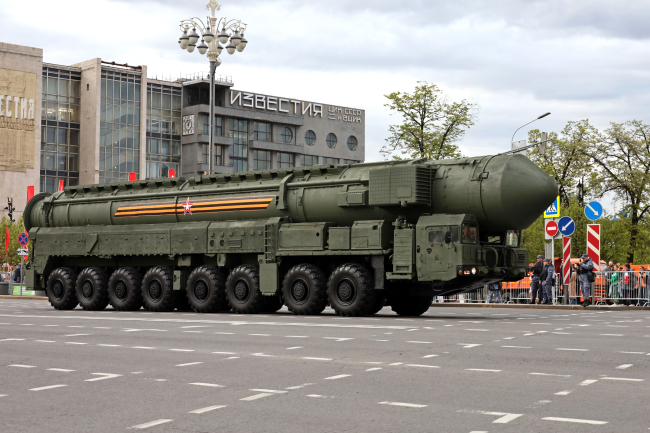
From the outset of its “special military operation” (SVO) against Ukraine on February 24, 2022, Russia, which possesses one of the world’s largest nuclear arsenals, has adopted aggressive deterrence measures and a resolutely menacing rhetorical stance.
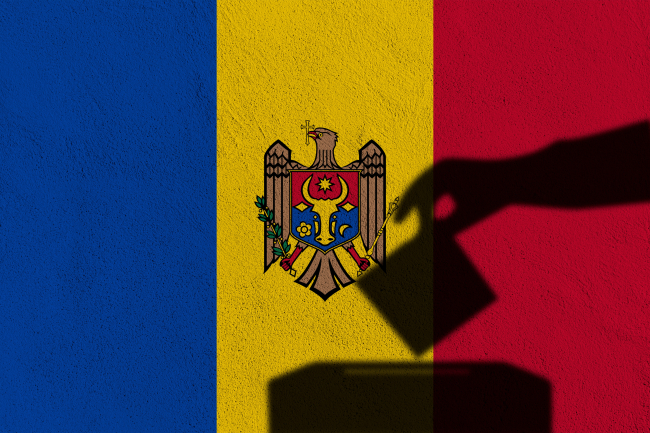
Moldova's Crucial Parliamentary Election. What's at Stake?
On the occasion of Moldova’s National Day, August 27, 2025, Chișinău hosted a high-level European delegation composed of Emmanuel Macron, Friedrich Merz and Donald Tusk, who sought to reaffirm their support for the country’s sovereignty and pro-European course. This unprecedented and highly symbolic visit took place at a pivotal moment. Moldova is preparing for decisive parliamentary elections on September 28, whose stakes extend far beyond the national framework.
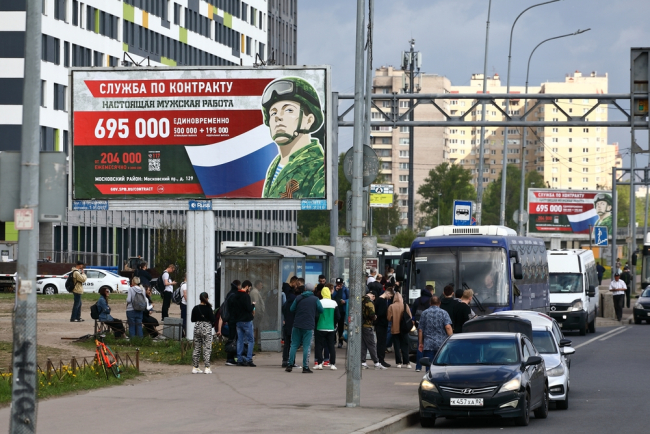
War as Social Elevator: The Socioeconomic Impact of Russian Military Keynesianism
In order to finance its war effort, the Russian state has spent substantial sums of money and implemented a form of “military Keynesianism” that is transforming society at both the socioeconomic and cultural levels. This has partially rebalanced the wide disparities in wealth, levels of consumption, and social prestige in Russian society by granting significant financial and symbolic advantages to peripheral Russia, which has long been overlooked by the central government.
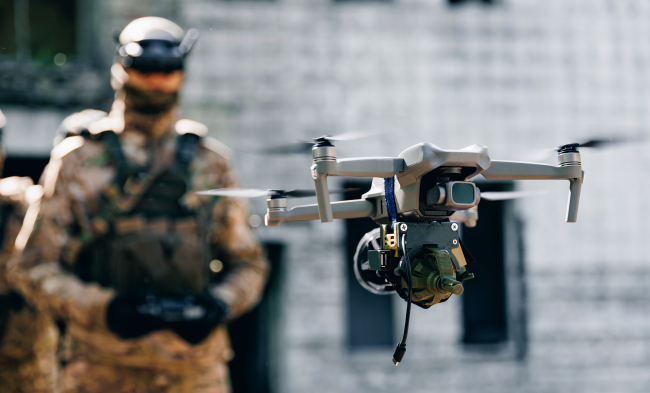
Design, Destroy, Dominate. The Mass Drone Warfare as a Potential Military Revolution
The widespread use of drones observed in Ukraine—both in terms of the scale of the fleets deployed and their omnipresence in the operations of both belligerents—appears to meet the conditions of a genuine military revolution.
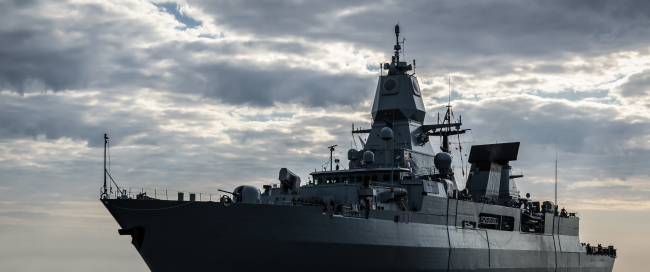
The Hunt for Economic Security: The Role of Navies in Deterring Threats to the Maritime Economy
The maritime domain is currently faced with a wide variety of threats, such as climate change, economic warfare, shadow fleet operations, protection of critical infrastructures, and illicit activities ranging from illegal fishing to piracy. Navies suffer from inherent limitations when deterring threats to the global maritime economy: their global presence and permanence limits their credibility in terms of deterrence, their focus usually set on immediate deterrence, implementing deterrence by punishment in and from the naval domain is difficult and costly.
Replay - Conference with Espen Barth Eide, Minister of Foreign Affairs of Norway
Since the invasion of Ukraine by Russia in 2022, Norway has become the European Union’s leading supplier of gas. This position could be further strengthened given the ongoing war in the Middle East.
Both sides of the Atlantic | Warsaw European Conversation 2026
This episode discusses the future of transatlantic relations and the evolution of security policy on both sides of the Atlantic. It examines France’s strategic stance and the implications of potential leadership change. It also looks at the dynamics of U.S. domestic politics – the role of political parties and civil society in curbing Donald Trump’s power, and the significance of the midterm elections. It considers what these processes mean for Europe, especially in the context of Article 5. Joining Marta Prochwicz-Jazowska, Deputy Head of the ECFR Warsaw office, in the discussion will be Thomas Gomart, director of the French Institute of International Relations, and Amanda Sloat, professor at the School of Politics, Economics, and Global Affairs at IE University.
The war could still last for years and paradoxically, time is not on the Kremlin's side
Dimitri Minic, Scientific Director of the Observatory on Russia, Eastern Europe, the Caucasus, and Central Asia and a Research Fellow at Ifri’s Russia/Eurasia Center, argues in an interview with Le Monde that “Ukraine should not be buried too quickly,” even if the current balance of power favors Russia.
Nuke-talk is heating up among Europeans in Munich
Multiple European countries are publicly backing talks on a homegrown nuclear deterrent to complement American atomic weapons following an erosion of trust in a Donald Trump-led U.S.
'Russia holds a decisive edge in terms of manpower, firepower and mobilization capacity'
Three researchers at the French Institute of International Relations, Dimitri Minic, Tatiana Kastouéva-Jean and Paul Maurice, are urging Europe to intensify its power dynamic with Moscow. The French Institute of International Relations (IFRI) published a report on Tuesday, November 4, that highlights Europe's vulnerabilities in the event of a high-intensity conflict with Russia.

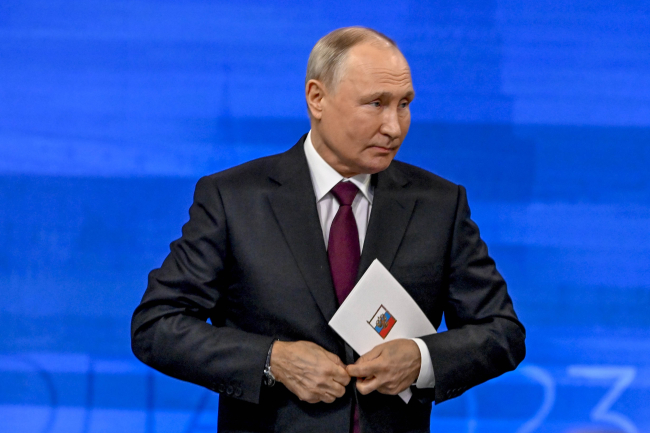
Putin Eyes Peacemaking Role In Israel-Iran Air War
Vladimir Putin is eyeing the conflict between Israel and Iran as an opportunity to thrust himself to the forefront of the international stage, more than three years into his invasion of Ukraine.

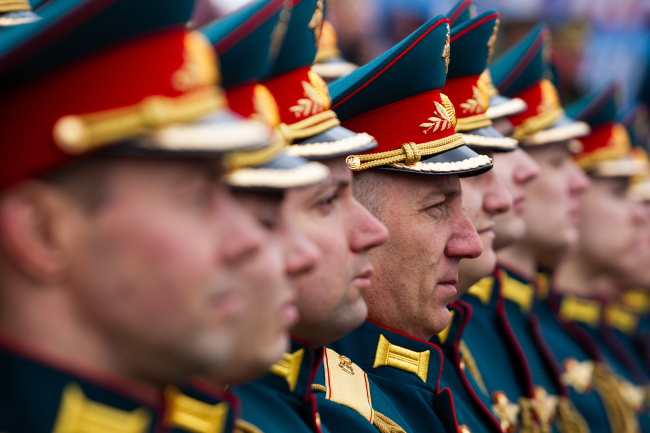
In Putin's wartime Russia, military corruption is suddenly taboo
To be sure government spending reaches the battlefield in Ukraine, President Vladimir Putin is suddenly putting high priority on purging Defense Ministry officials accused of corruption. Russia's war in Ukraine has turned out to be a powerful anti-corruption initiative — at least at the Ministry of Defense.

Gaza-Israel conflict: Opportunity and risk for Russia's Putin
The conflict between Hamas and Israel is both an opportunity and a risk for Russian President Vladimir Putin, who has been mired in pressing his invasion of Ukraine for the past 19 months.
Gaza-Israel conflict: Opportunity and risk for Russia's Putin
The conflict between Hamas and Israel is both an opportunity and a risk for Russian President Vladimir Putin, who has been mired in pressing his invasion of Ukraine for the past 19 months.

Dimitri Minic: 'The Kremlin's credibility has been shaken'
For this Russian army specialist, at least part of the armed forces rallying behind the founder of the Wagner group, Yevgeny Prigozhin, cannot be ruled out.


French Expert Says Afghanistan-Related Challenges Loom Large for Central Asia as Geopolitical Competition Intensifies
Addressing the situation in Afghanistan remains on top of the agenda for Central Asia, said Michael Levystone, an associate research fellow at the Institut Français des Relations Internationale (IFRI) Russia/Eurasia Center, in an exclusive interview with The Astana Times. The expert, who participated in the Astana International Forum (AIF) on June 8-9, also discussed the intensifying geopolitical competition in Central Asia, regional connectivity and water scarcity.
Dimitri Minic: 'The Russian army is influenced by beliefs that detaches it from objective reality'
According to the researcher, the failure of the Russian army in Ukraine is the result of the implementation of a theory that emerged in the 2000s, which places a central focus on 'psychological-informational' warfare rather than armed combat.
Xi's Moscow Visit Risks Further Emboldening Putin: Analysts
There is no sign the visit of Chinese President Xi Jinping to Moscow will rein in President Vladimir Putin in his war in Ukraine, even if it again highlights a lopsided relationship where Russia is clearly the junior partner, analysts say.
How will it end? No easy answers over Russia's war on Ukraine
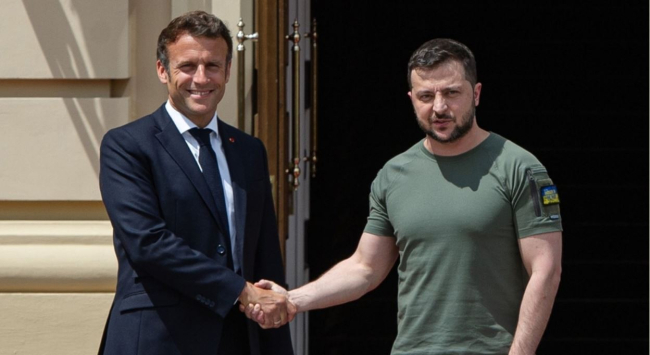
The Kremlin wanted Russia's invasion of Ukraine to yield a lightning victory, but 12 months on the war is dragging into a stalemate with neither side achieving military breakthrough nor prepared to agree a settlement based on the status quo.

Global Focus: Has the War in Ukraine United Europe?
Does the war in Ukraine change the prospect of European Union enlargement? What is the possibility and future of Europe's common foreign and security policy? Does russian aggression unite or unify Europe and what is the role of the European political community? What is Russia's ultimate strategic goal?


Military briefing: How will Russia’s mobilisation affect the war in Ukraine?
Kyiv expects new recruits to appear within two months but Moscow struggles with training and logistical obstacles.
Russian army hobbled by shortage of soldiers
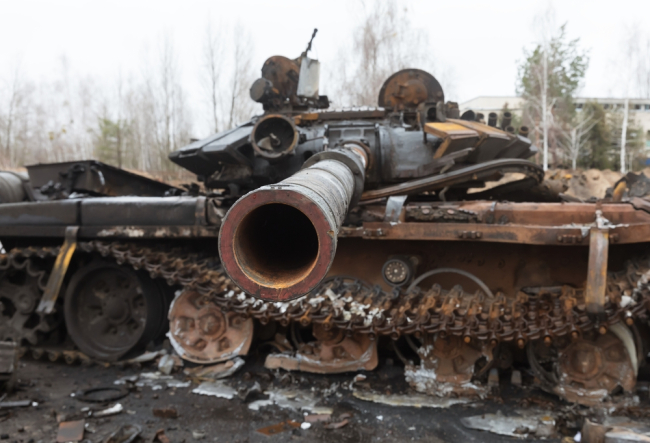
Following the last Ukrainian victories over the Russian Army in the Kharkiv oblast, Russian administration currently faces controversies. As a matter of fact, many question the degree of intensity Russian general staff has decided, avoiding for now general mobilization. According to Dimitri Minic, researcher attached to the Russia / NIS center at the French Institutes of International Relations and expert in russian armed forces, the current russian army not only lacks men but also modern equipment.

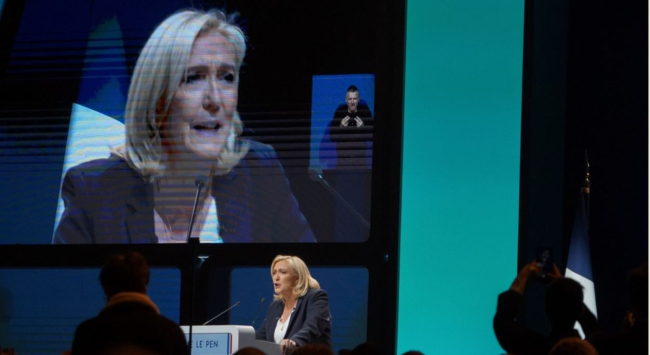
Le Pen Closer Than Ever to the French Presidency (and to Putin)
As elections approach Sunday, the far-right candidate is linked to the Russian president by a web of financial ties and a history of support that has hardly dimmed despite the war in Ukraine.

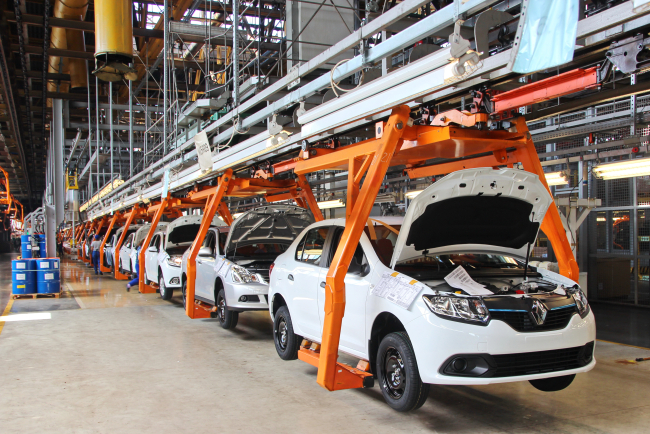
Renault’s Russia dilemma
Renault had for months been plotting to export a newfangled version of the Lada to the reste of the world. although realising that ambition remained some way off, it would have capped the revival of a brand arguably more synonymous with the Soviet Union than any other and which Renault first took a punt on in 2007 after then chief Carlos Ghosn identified Russia as a promising market.

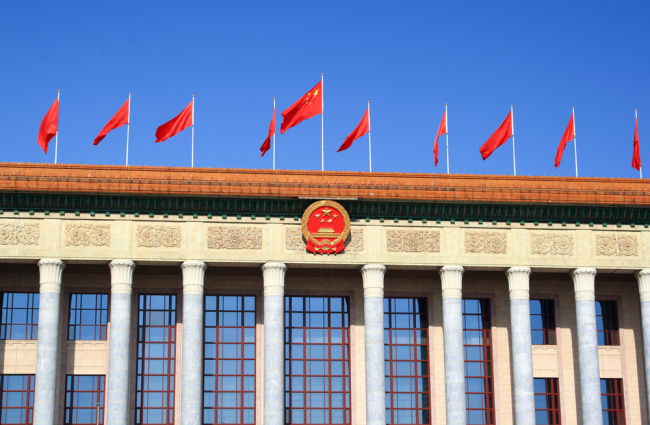
China sees at least one winner emerging from Ukraine war: China
Officials in Beijing believe it can take advantage of a distracted US and weakened Russia. The war in Ukraine is far from over, but a consensus is forming in Chinese policy circles that one country stands to emerge victorious from the turmoil: China.
Poking the bear? Armenia welcomes European leaders in Russia's backyard
Just as Europe frets over fresh Trump tariffs, a US troop drawdown announced for Germany and the message it sends to a hostile Russia, how about not one but two summits in former Soviet state Armenia. Before a first-ever gathering of EU leaders in Yerevan on Tuesday comes the European Political Community: a talk shop with regional players which also include Ukraine and NATO heavyweights like the UK, Norway and an outside guest who shares superpower proximity problems.
Replay - Conference with Espen Barth Eide, Minister of Foreign Affairs of Norway
Since the invasion of Ukraine by Russia in 2022, Norway has become the European Union’s leading supplier of gas. This position could be further strengthened given the ongoing war in the Middle East.
Both sides of the Atlantic | Warsaw European Conversation 2026
This episode discusses the future of transatlantic relations and the evolution of security policy on both sides of the Atlantic. It examines France’s strategic stance and the implications of potential leadership change. It also looks at the dynamics of U.S. domestic politics – the role of political parties and civil society in curbing Donald Trump’s power, and the significance of the midterm elections. It considers what these processes mean for Europe, especially in the context of Article 5. Joining Marta Prochwicz-Jazowska, Deputy Head of the ECFR Warsaw office, in the discussion will be Thomas Gomart, director of the French Institute of International Relations, and Amanda Sloat, professor at the School of Politics, Economics, and Global Affairs at IE University.
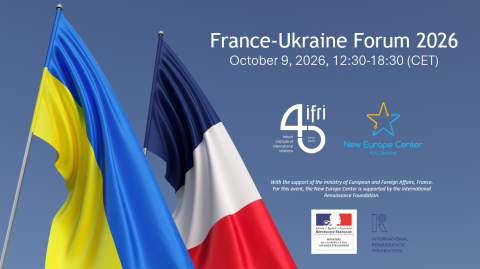
Replay - France-Ukraine Forum 2025
Replay of the France-Ukraine Forum 2025. - Three years after the start of Russia's full-scale war against Ukraine, the France-Ukraine 2025 Forum will welcome politicians, experts, academics, and civil society representatives from both countries to discuss three main topics: Ukraine's current military strategy and strategic perspectives; the country's resilience and recovery; Ukraine's European and transatlantic perspectives, including the EU accession process and its aspirations to join NATO.

The European Pillar of Security
Leo Litra and Lesia Ogryzko are joined by Élie Tenenbaum and Oleksandr Sushko to discuss June’s NATO summit—and what Europe’s security step up means for Ukraine.
WPC 2024 - Multi-vector Foreign Policies? (Plenary Session)
Friday, December 13, 2024 - 17th edition of the World Policy Conference in Abu Dhabi, United Arab Emirates. Plenary session 2: Multi-vector Foreign Policies?
Strategic stability: what future in the context of confrontation between Moscow and Washington?
An interview with Andrey KORTUNOV, Director General of the Russian International Affairs Council (RIAC).
Ifri, a foundation recognized as being of public utility, relies largely on private donors – companies and individuals – to guarantee its sustainability and intellectual independence. Through their funding, donors help maintain the Institute's position among the world's leading think tanks. By benefiting from an internationally recognized network and expertise, donors refine their understanding of geopolitical risk and its consequences on global politics and the economy. In 2026, Ifri partners with over 90 French and international companies and organizations.
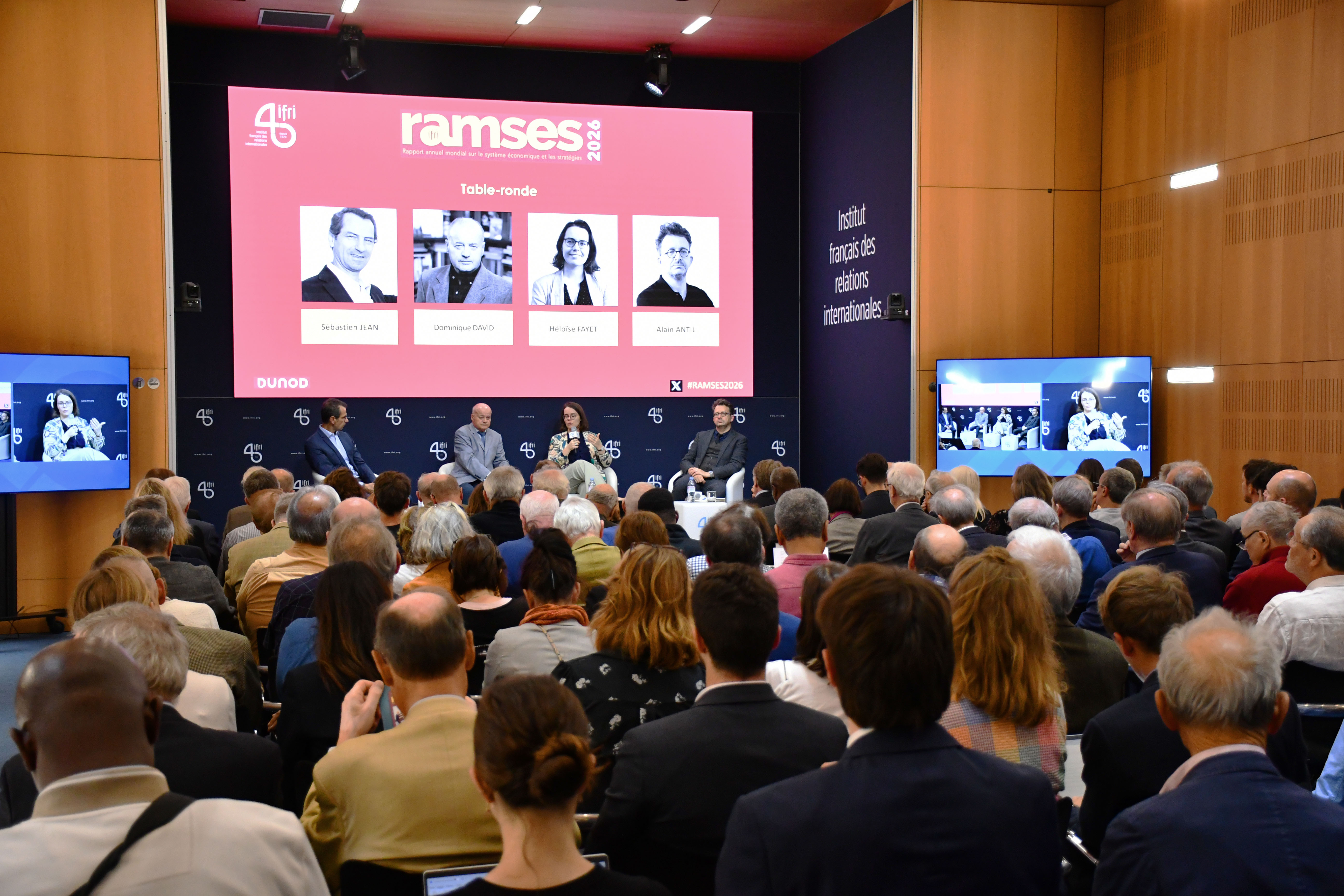
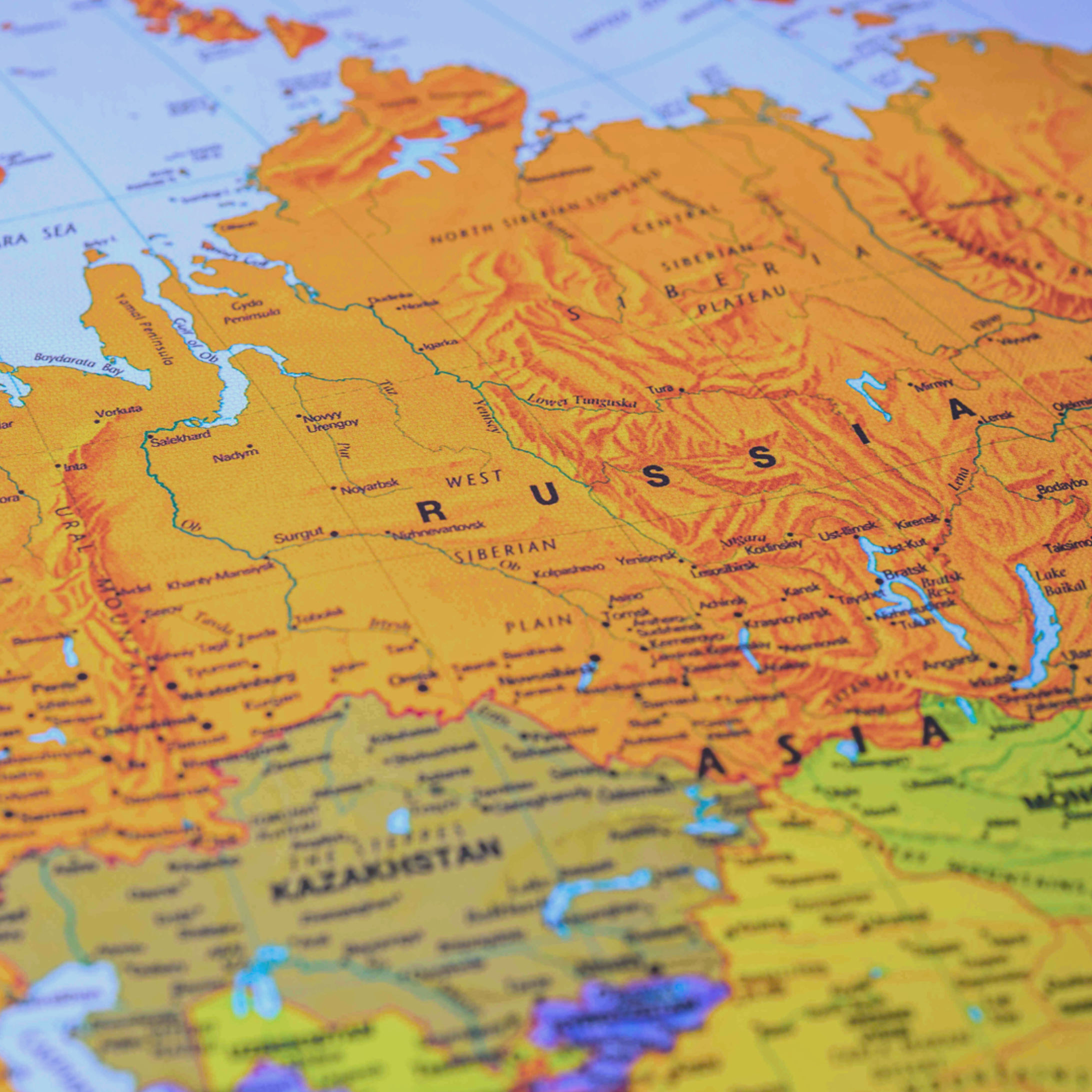
Founded in 2005 within Ifri, the Russia/Eurasia Center conducts research and organizes debates on Russia, Eastern Europe, Central Asia, and the South Caucasus. Its goal is to understand and anticipate the evolution of this complex and rapidly changing geographical area in order to enrich public discourse in France and Europe and to assist in strategic, political, and economic decision-making.