




Russia-Eurasia
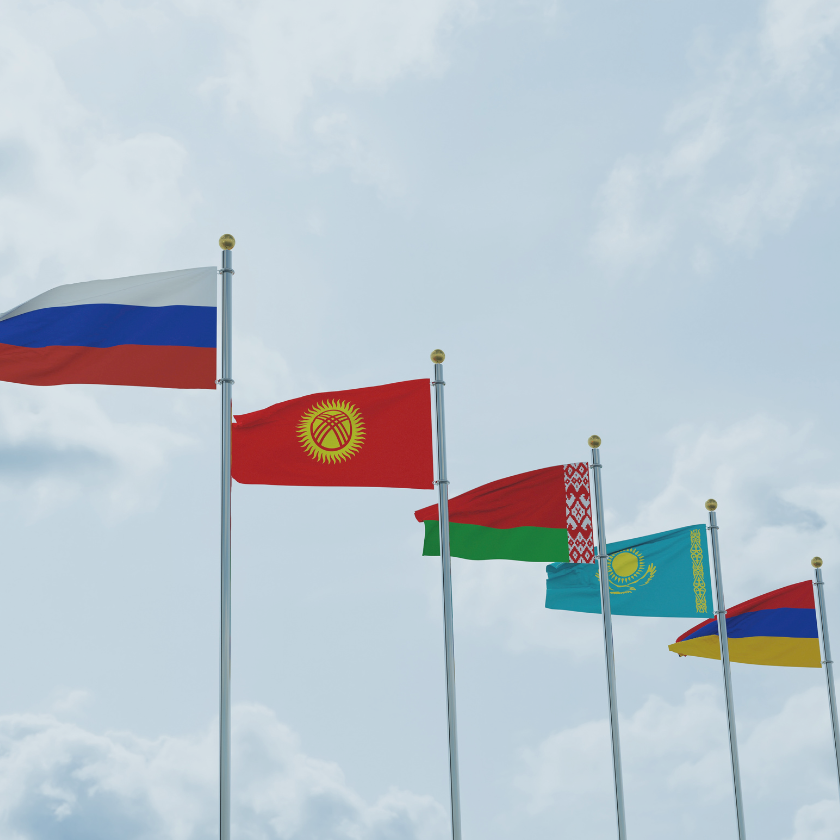
Eurasia is undergoing profound changes. While the Soviet past has left a lasting imprint, Russia and the countries of Eastern Europe, Central Asia and the South Caucasus have their own trajectory.
Related Subjects
Can Washington move beyond "Ukraine fatigue"?
For the past two years, the United States has been at grips with an increasingly revisionist Russia in continental Europe. The crisis in Ukraine deteriorated the state of the bilateral relationship with Moscow [1] to what could be an all-time low since the end of the Cold War [2].
Cross-Domain Coercion: The Current Russian Art of Strategy
This paper traces the evolution of Russian views on the art of coercion, and on the role of nuclear weapons in it, from the post-Cold War “regional nuclear deterrence” thinking to the current “Gerasimov Doctrine”.
U.S. Engagement Towards Central Asia: No Great Game After All?
Since the collapse of the Soviet Union in the 1990s, Washington has defined general foreign policy objectives towards the Republics of Kazakhstan, Kyrgyzstan, Tajikistan, Turkmenistan, and Uzbekistan.

The “One Belt, One Road” – Strategic Implications of a Chinese Infrastructure Network in Eurasia
China’s “One Belt, One Road” project, also known as the “New Silk Road”, aims to create a vast infrastructure network connecting three continents, with China playing the central role.
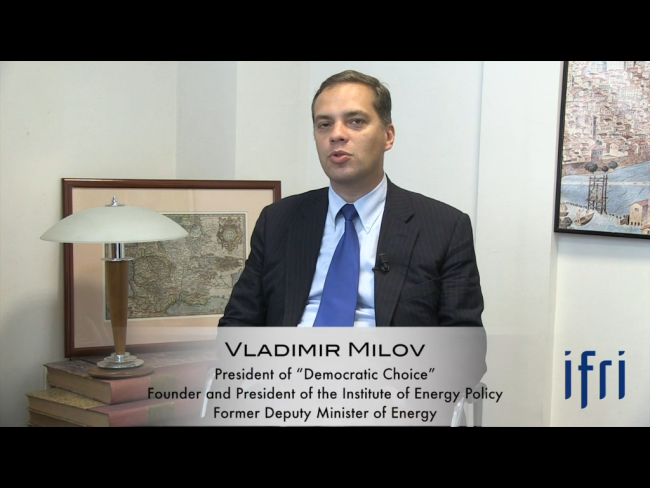
"Russia New Energy Alliances: Mythology versus Reality", Interview with Vladimir MILOV
"Past year has been marked not only with the Ukrainian crisis and unprecedented tensions in political relations between Russia and the West, but also with somewhat radical change of Moscow’s approach to international energy affairs. Widely promoted new energy partnerships with countries like China and Turkey were supposed to demonstrate that Russia has a choice of alternatives for mass-scale international energy cooperation, as compared to previous domination of European dimension, and if West wishes to cut ties with the Kremlin, Russia has somewhere else to go.
Does Russia really have an option of developing new international energy partnerships comparable in scale and significance to those with Europe as the consumer of energy, and with Western IOCs as key agents helping to secure further exploration and development of Russian oil & gas resources?"
Why Putin Is Squaring Off With Tokyo Over Some Pacific Rocks
Disputed rocks and Beijing’s bad behavior in the South China Sea dominate the headlines these days. But there’s another showdown over disputed islands in the Pacific that is increasingly casting a shadow over Asia-Pacific security: a bitter fight between Japan and Russia over the Kurils...
The Nexus Between the Conflicts in the Mideast and Ukraine
Two simultaneous conflicts in Europe and the Middle East have brought the international order into flux. Russia’s annexation of Crimea and destabilization of eastern Ukraine have deeply undermined European security. Meanwhile, the self-declared Islamic State’s proclamation of a caliphate in western Iraq and eastern Syria has unsettled the Middle East. While it may be tempting for foreign policymakers to consider "Syraq" and "Rukraine" as unrelated crises, the tensions in Eastern Europe have strong implications for the situation in the Middle East, and vice versa. Indeed one of the greatest challenges to global governance is the combination of an assertive and declining Russia, and a disintegrating Middle East.
|
Global Memos are briefs by the Council of Councils that gather opinions from global experts on major international developments. The Council of Councils is a Council on Foreign Relations initiative connecting leading foreign policy institutes from around the world in a common conversation on issues of global governance and multilateral cooperation. The Council of Councils draws on the best thinking from around the world to find common ground on shared threats, build support for innovative ideas, and introduce remedies into the public debate and policymaking processes of member countries. The membership of the Council of Councils includes leading institutions from twenty-five countries, roughly tracking the composition of the Group of Twenty (G20). The network facilitates candid, not-for-attribution dialogue and consensus building among influential opinion leaders from established and emerging nations. FOUNDING COUNCIL OF COUNCILS MEMBER THINK TANKS
|
Le rôle de l'Inde de Modi dans la politique américaine en Asie
As President Obama makes an official visit to India, Martin Quencez, expert from the GMF Paris office reflects on the current administration's policy toward Asia and notably the "pivot to Asia". The celebrated Indo-American relationship does not appear to have held much promise until now. Could it grow significantly during Narenda Modi's presidency to constitute a key element of the American presence in the region?
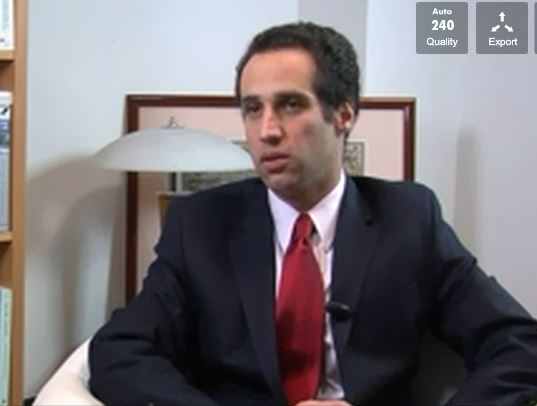
"U.S. Foreign Policy and the Ukrainian Turmoil"
The speakers from the Annual Conference on the United States summarize their talks in short videos. Here, Jeff Mankoff analyzes the strategies put in place by the United States with hopes of containing the situation in Ukraine.
U.S.-Russian Relations: The Path Ahead after the Crisis
CSIS expert Jeff Mankoff explains the reasons of the crisis in Ukraine, and how the U.S. should try to reestablish a more stable situation in central Europe, mixing containment and engagement of the Russian partner.
Moldova's National Minorities: Why are they Euroskeptical?
Following the 2014 separatist conflict in Ukraine, observers have worried about the potential for a similar conflict in Moldova that would interrupt the country’s EU association. Indeed, Moldova’s national minorities largely oppose the country’s process of approximation and integration with the European Union.
Potemkin observers
Rebel commander Alexander Zakharchenko smiled only slightly on hearing that he had won this weekend's elections in Donetsk, Ukraine (pictured). The results were never in doubt: Mr Zakharchenko's nominal opponents openly supported him, and his face was the only one on campaign billboards. Nonetheless, eastern Ukraine's separatist republics went through the motions of democracy, including inviting international election observers. Those proved hard to find: while Russia has said it will respect the vote, America, the European Union, and the United Nations have all condemned it.
Hollande's Government Reshuffle: Will Anything Change?
Just 147 days after Manuel Valls’ nomination as prime minister at Hôtel Matignon, the cabinet of ministers in Paris faced a new reshuffle. Some believe it will rejuvenate the French economy, which seems mired in stagnation, but most doubt that scenario is a real possibility. François Hollande is rapidly becoming one of the French fifth Republic’s most criticized and mocked presidents. RIAC asked Thomas Gomart, Senior Research Fellow, Vice President for Strategic Development at IFRI, about the nature of the recent government changes and what they will bring.
The Ukrainian Crisis or the European Misunderstanding
The crisis in Ukraine seems at first to be the result of the impact of two misunderstandings of Russian and Western approaches.
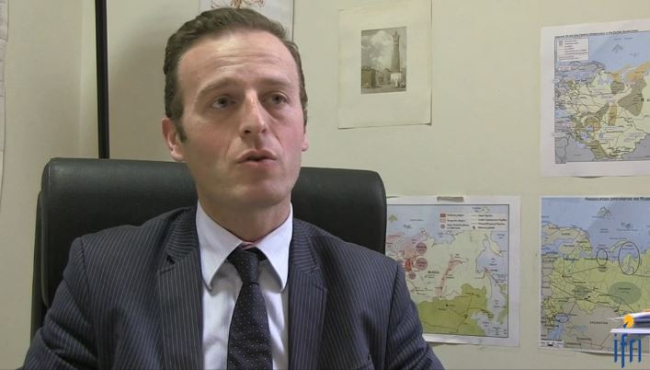
German, French, Polish and Russian Views on Russia’s Foreign Policy
The Franco-German Study Committee (Cerfa) and the Russia/NIS Center of the French Institute of International Relations (Ifri) have organized a closed seminar and interviews about the "German, French, Polish and Russian Views on Russia’s Foreign Policy".
The Crisis in Ukraine: An Insider's View
By the end of 2013 the numerous miscalculations of the Yanukovych regime had deepened the systemic crisis in Ukraine, the crux of which was the tension between the people's hopes of independence and the inefficiency of the country's post-Soviet political and social system.
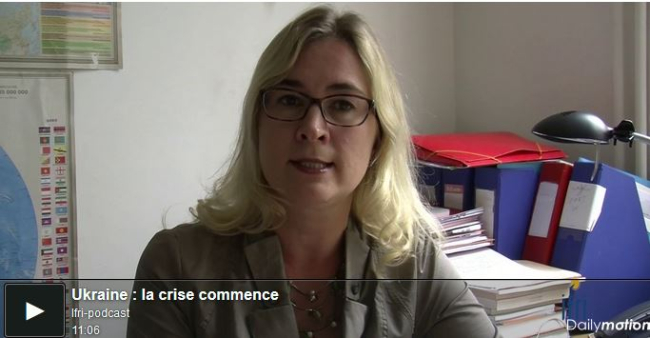
Ukraine : the crisis begins
Il y aura un avant et un après. En Ukraine, en Russie, dans toute l’Europe, ailleurs.
La disparition de l’Ukraine comme entité souveraine – on en est plus près que jamais – serait un coup de tonnerre en Europe. Parce que l’espace qui lui survivrait serait très difficilement gérable, ouvrant le risque d’une longue guerre civile dans le style Balkans- années 1990. Et parce que la Russie est incapable de gérer seule cet espace où les Occidentaux n’ont guère l’envie de s’investir profondément.
Une Europe aux abonnés quasi-absents. La crise prend à contre-pied une Politique européenne de voisinage (PEV) brouil- lonne, éclaire l’impuissance militaire de l’Union de Lisbonne et son incapacité à s’entendre sur une stratégie commune face à un pro- blème fondamental dans son voisinage, tant demeurent prégnants les intérêts nationaux, et non politiques les mécanismes bruxellois.
Et loin, très loin, l’Amérique... Une Amérique finalement assez peu présente dans la crise, mais qui se voit, en un temps d’incertitude sur son propre positionnement stratégique, renvoyer la question fondamentale de ces 20 dernières années – qu’elle n’a pas plus que les autres les moyens de trancher : le système international retourne- t-il à grande vitesse vers une structure d’affrontement classique dont Moscou pourrait, avec Pékin, constituer l’épicentre ? Ou, bon an mal an, reste-t-il stable, avec de bons moyens d’amortir les cahots ici ou là inévitables ?
Sur l’ensemble de ces thèmes et bien d’autres encore, l’Ifri présente ici quelques brèves introductions à l’ensemble des débats ouverts par les événements ukrainiens. La crise ukrainienne ne fait que commencer.
The EU, Russia and the Eastern Partnership: What Dynamics under the New German Government?
The Eastern Partnership summit in Vilnius in November 2013 demonstrated that the European Union’s policy toward its eastern neighbors has developed into a highly contentious issue between the EU and Russia.

The Baltic Forum 2013
Significant changes in global and regional energy supply and demand, as well as their influence on the political decision-making determine the need to restore proper expert analysis of problems and development perspectives.
Traffic streams, especially energy resource transit, are directly subordinate to the changes in the relations between the countries of the world. Logistics cannot be considered in isolation from the international security and energy policy.
The ensuring of Euro-Atlantic security to the countries and country groups in the surrounding turbulent world is one of the most important and topical issues for joint consideration.
Ifri, a foundation recognized as being of public utility, relies largely on private donors – companies and individuals – to guarantee its sustainability and intellectual independence. Through their funding, donors help maintain the Institute's position among the world's leading think tanks. By benefiting from an internationally recognized network and expertise, donors refine their understanding of geopolitical risk and its consequences on global politics and the economy. In 2026, Ifri partners with over 90 French and international companies and organizations.

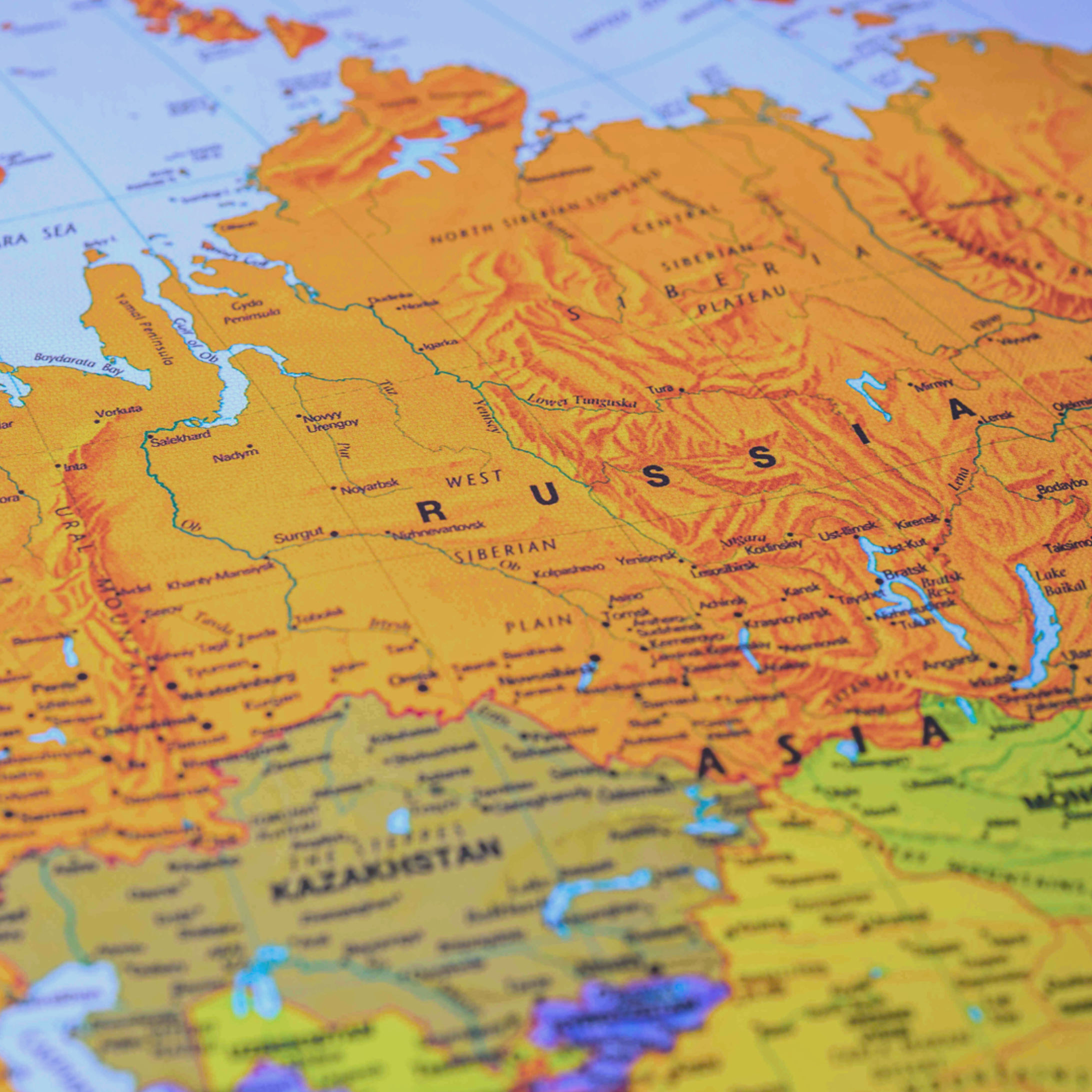
Founded in 2005 within Ifri, the Russia/Eurasia Center conducts research and organizes debates on Russia, Eastern Europe, Central Asia, and the South Caucasus. Its goal is to understand and anticipate the evolution of this complex and rapidly changing geographical area in order to enrich public discourse in France and Europe and to assist in strategic, political, and economic decision-making.