



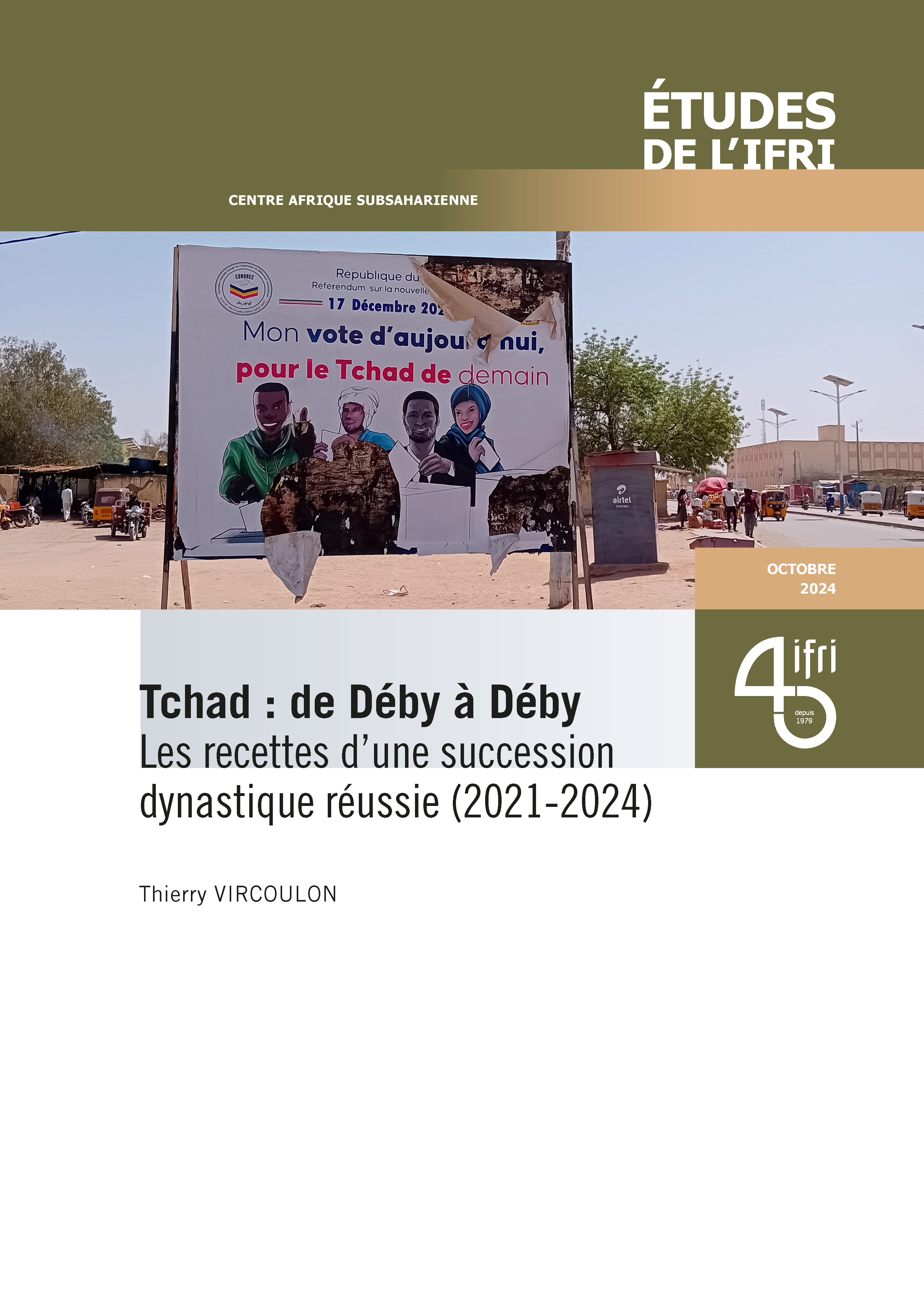
Chad: from Deby to Deby. Recipes for a successful succession (2021-2024)
As in Togo and Gabon, the transition that took place in Chad from 2021 to
2024 resulted in a dynastic succession. Mahamat Idriss Deby succeeded his
father, Idriss Deby Itno, who was President of Chad from 1996 to 2021. While
the majority of Chadians were hoping for a change of government, the “Deby
system” has managed to hold on.
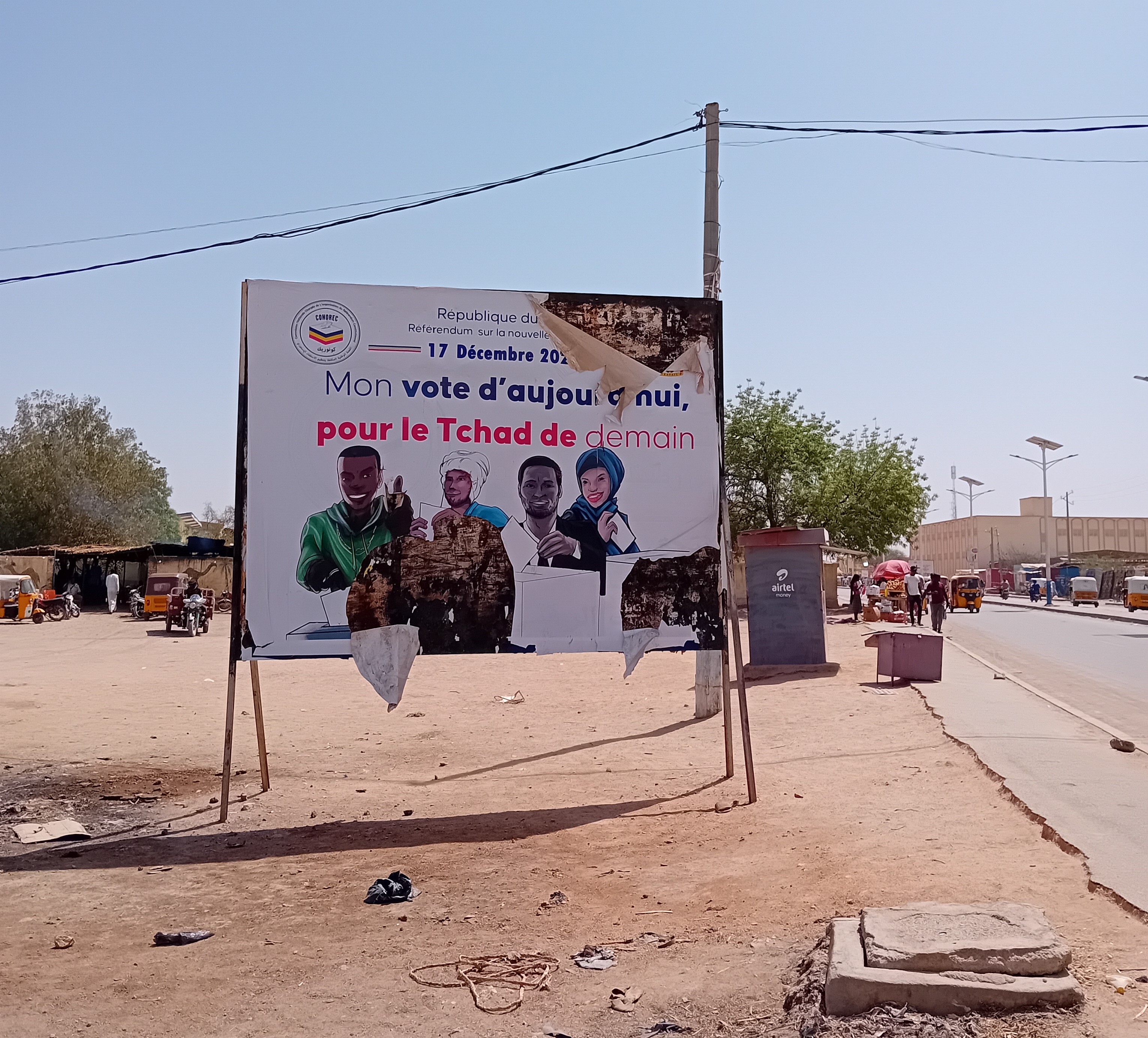
This study deciphers the strategy of this transition-succession, which
consisted in :
- believing in the possibility of change without alternation, by insisting on
the age of the new president and initiating new political orientations; - consolidate the traditional pillars of power;
- forcibly intimidate the opposition and take advantage of its divisions;
- institutionally confiscate the organization of the constitutional
referendum and elections, as well as the drafting of the founding texts of
the new Republic.
This strategy was all the more effective given that, in the geopolitical
context of the new Cold War, there is no longer any international player (even
at continental and regional level) capable of imposing itself as the arbiter or
guarantor of political transitions. This new geopolitical situation has given
the Chadian government almost total freedom to implement its succession
plan and impose itself through elections with implausible results.
If the transition from 1993 to 1996 marked the transition from Hissene
Habre’s regime to Idriss Deby’s, the transition of 2021-2024 marked the
succession from Deby to Deby.
This study is only avalaible in French.

Available in:
Themes and regions
ISBN / ISSN
Share
This page contains only a summary of our work. If you would like to have access to all the information from our research on the subject, you can download the full version in PDF format.
Chad: from Deby to Deby. Recipes for a successful succession (2021-2024)

Thierry VIRCOULON
Associate Research Fellow, Coordinator of the Observatory of Central and Southern Africa, Sub-Saharan Africa Center, Ifri

Sub-Saharan Africa Center
Founded in 2007, Ifri's Sub-Saharan Africa center produces an in-depth analysis of the African continent and its security, geopolitical, political and socio-economic dynamics (in particular the phenomenon of urbanization). The Center aims to be both, through various publications and conferences, a space for disseminating analyzes intended for the media and the public but also a decision-making tool for political and economic actors with regard to the continent.
The center produces analyses for various organizations such as the Ministry of the Armed Forces, the Ministry of Europe and Foreign Affairs, the Organization for Economic Cooperation and Development (OECD), the French Development Agency (AFD) and even for various private supports. Its researchers are regularly interviewed by parliamentary committees.
The organization of events of various formats complements the production of analyzes by bringing the different spheres of the public space (academic, political, media, economic and civil society) to meet and exchange analytical tools and visions of the continent. The Sub-Saharan Africa Center regularly welcomes political leaders from different sub-Saharan African countries.
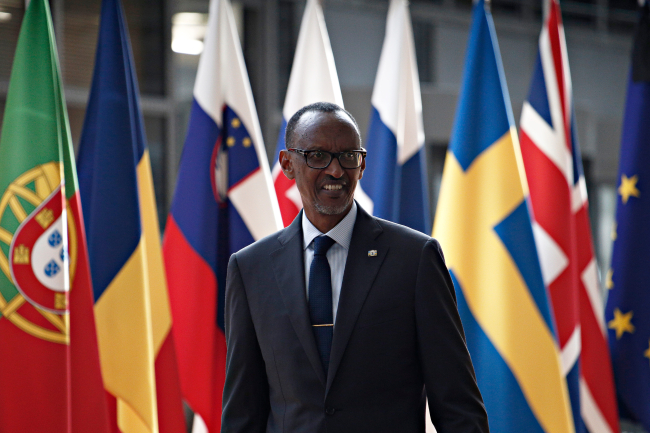
The Vectors and Means of Rwanda’s Growing External Influence under Paul Kagame
For three decades, Paul Kagame’s Rwanda has pursued a foreign policy aimed at increasing investment in the national economy, maximizing military cooperation and intelligence sharing, and promoting a model of post-genocide state reconstruction.
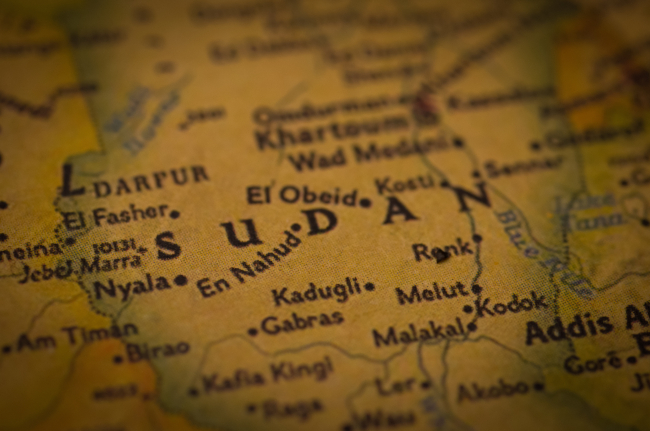
Sudan Wartime Online Propaganda
In the Sudan conflict, the propaganda battle between the Sudan Armed Forces (SAF) and the Rapid Support Forces (RSF) on mainstream and social media makes it hard to distinguish real, false, and manipulated information. Furthermore, the lack of field press coverage allows fake and misleading news to spread more easily. Although the SAF and RSF work hard to shape the war narrative by building large supporter networks and using various methods such as disinformation and censorship, it is clear they no longer fully control the flow of information. Social media analysis shows that Sudanese politicians, military figures, influencers, and followers weave a tangled web of exchanges filled with rivalries, lies, and propaganda.
Gabon: Has an — Almost — Exemplary Transition Produced a New Political Model?
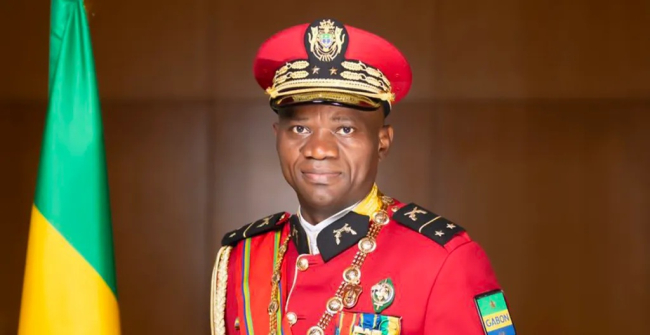
In two rounds of voting, on September 27 and October 11, 2025, the citizens of Gabon elected the members of both their local councils and the new national assembly. This marked almost the final stage of political transition, little more than two years after the coup d’état that had overthrown the more than five decades old dynastic regime of the Bongos — Omar, the father, who died in office in 2009, and then his son Ali, who is now in exile.
Claiming "The People": Youth Booms, Ailing Authoritarians and "Populist" Politics in Kenya, Uganda, and Tanzania
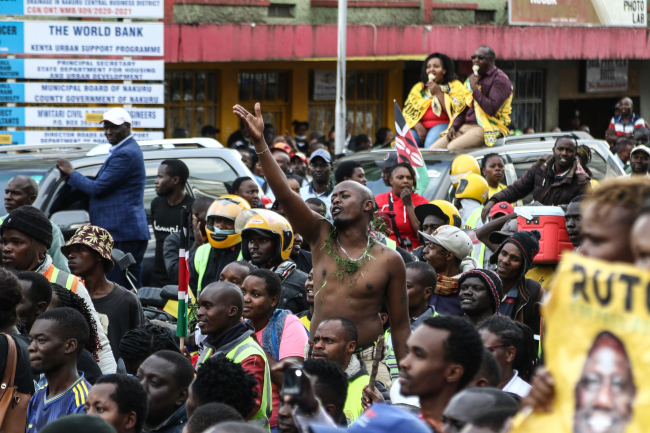
This study analyses the emergence of so-called “populist” political tendencies in three East African countries: Kenya, Uganda and Tanzania. It builds its analysis on a wider discussion of the term “populism”, its use and applicability in (eastern) African settings before going on to examine the drivers of three cases of populism: William Ruto’s 2022 election victory in Kenya and the “Hustler Nation”; Bobi Wine’s opposition to Yoweri Museveni in Uganda; and John Magufuli highly personal style of government in Tanzania.