




Energy-Climate
In the face of the climate emergency and geopolitical confrontations, how can we reconcile security of supply, competitiveness, accessibility, decarbonization and acceptability? What policies are needed?
Related Subjects
The US’s Critical Mineral Offensive Strategy: How Can Europe Step Up?

As Organization for Economic Co-operation and Development (OECD) economies are confronted with mounting threats to critical raw materials (CRM) supplies, resolute interventionist policies are needed to build resilient value chains.
Ifri, a foundation recognized as being of public utility, relies largely on private donors – companies and individuals – to guarantee its sustainability and intellectual independence. Through their funding, donors help maintain the Institute's position among the world's leading think tanks. By benefiting from an internationally recognized network and expertise, donors refine their understanding of geopolitical risk and its consequences on global politics and the economy. In 2026, Ifri partners with over 90 French and international companies and organizations.

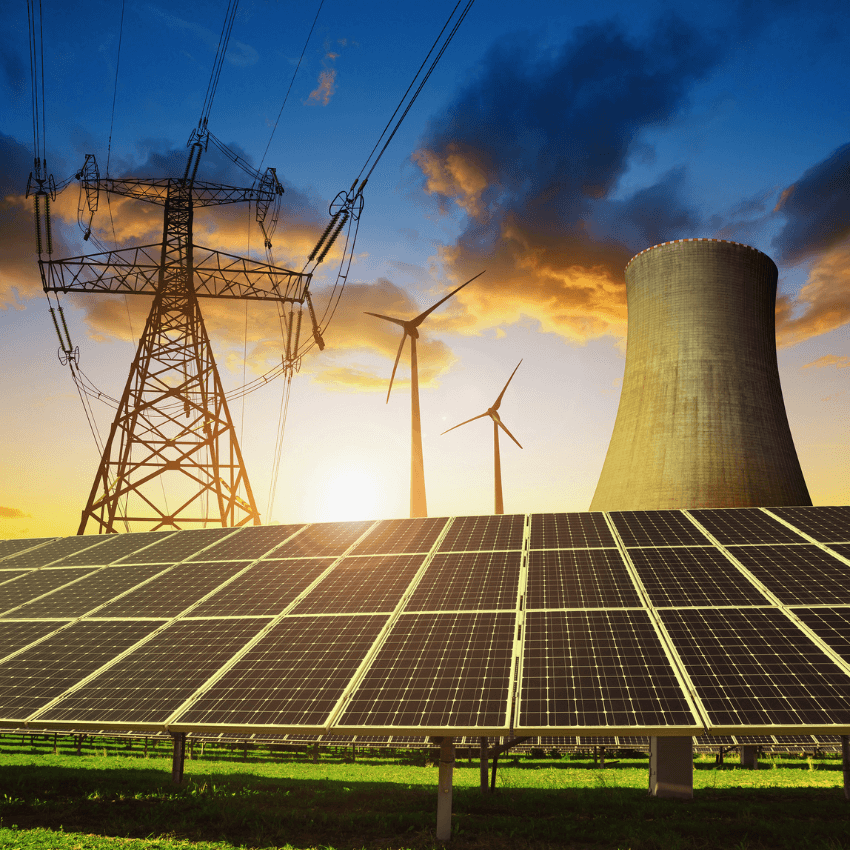
Ifri's Energy and Climate Center carries out activities and research on the geopolitical and geoeconomic issues of energy transitions such as energy security, competitiveness, control of value chains, and acceptability. Specialized in the study of European energy/climate policies as well as energy markets in Europe and around the world, its work also focuses on the energy and climate strategies of major powers such as the United States, China or India. It offers recognized expertise, enriched by international collaborations and events, particularly in Paris and Brussels.