







Energy-Climate
In the face of the climate emergency and geopolitical confrontations, how can we reconcile security of supply, competitiveness, accessibility, decarbonization and acceptability? What policies are needed?
Related Subjects
The US’s Critical Mineral Offensive Strategy: How Can Europe Step Up?

As Organization for Economic Co-operation and Development (OECD) economies are confronted with mounting threats to critical raw materials (CRM) supplies, resolute interventionist policies are needed to build resilient value chains.
Does Russia still have an "energy weapon"?
What are the Current Challenges for Gazprom and Russia’s Energy Policy? What are the Gas Risks for Europe? Is the Nord Stream-II a Risk or an Opportunity for Europe?

From COP21 to COP22: Keeping up the Momentum
In December 2015, a new international climate agreement was adopted, paving the way for increased mitigation and adaptation efforts.


US LNG Exports will be Game-Changer: Ifri Report
“US LNG exports will revolutionise international trade in LNG” according to a recently published report from French think-tank, Institut Francais des Relations Internationales (Ifri).
Thanks to their price indexation to the US Henry Hub price, absence of destination clauses, and the projected volumes that will become available, US LNG exports will facilitate greater flexibility on world markets and more price convergence, the report says.
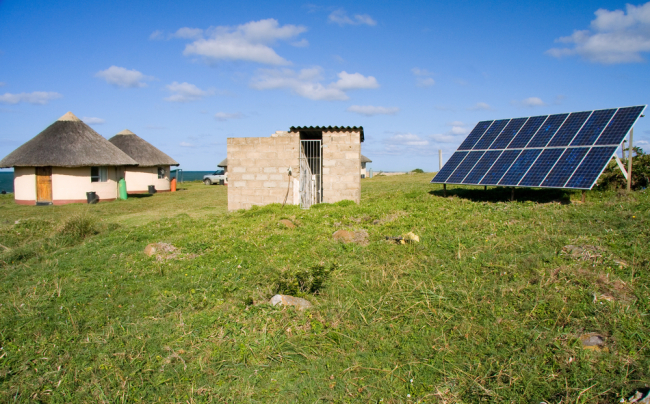
Sustainable Development Goals: The EU at the Global Partnership Forefront
In September 2015, the United Nations General Assembly adopted the 2030 Agenda for Sustainable Development; featuring a set of 17 measurable and time-bound Sustainable Development Goals (SDGs) with 169 associated targets for 2030. This Hot Energy Topic analyzes advancement to SDG7 (access to a clean energy) and SDG13 (combat and adapt to climate change) in Africa through the prism of SDG17 (partnership).
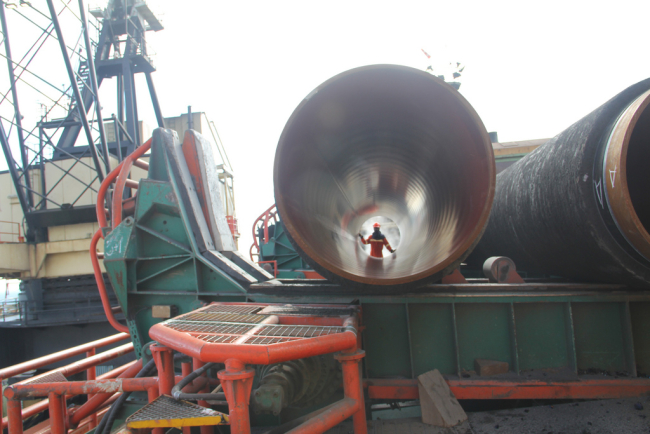
Nord Stream 2: May Cooler Heads Prevail
Since the announcement of the Nord Stream 2 project in June 2015, the debate around the benefits of this project for Europe is raging, putting forward political, economic and commercial arguments.
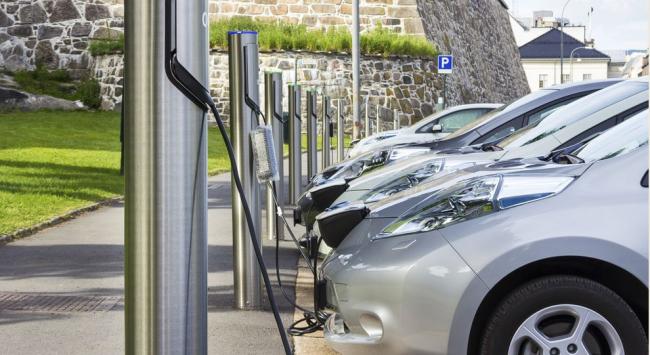
E-mobility: European Energy and Transport Policies at Crossroads
European clean transport policy envisages the development of charging infrastructures for electric vehicles within a European e-mobility framework. After the downturns of the Volkswagen scandal and the prevailing low European carbon price, the EU is bringing forward car passenger transport electrification. This requires new business models based on interoperability.
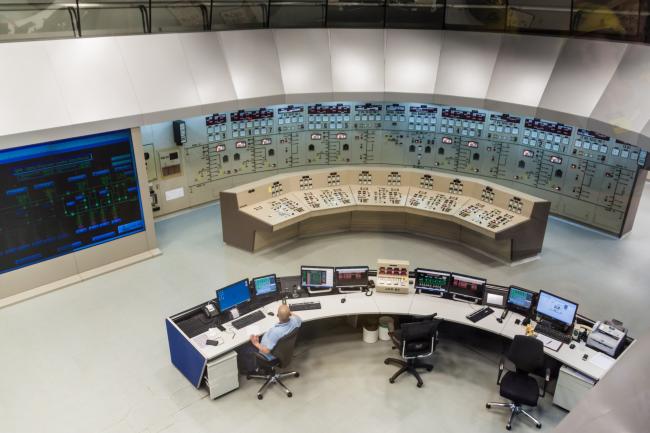
Cyber Attacks: A New Threat to the Energy Industry
The Network and Information Security (NIS) Directive has been adopted on July 6th, 2016 by the European Parliament, three years after the initial proposal by the European Commission. It paves the way for a much needed common cyber security strategy within the EU. This Edito explains the reasons why the energy industry is particularly vulnerable to cyber attacks, and what tools this new directive brings about to protect European critical infrastructures.
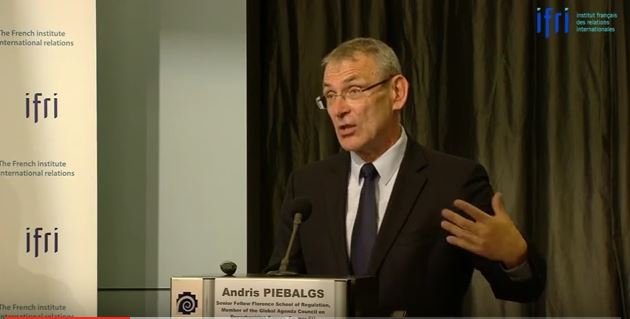
Innovation as a Catalyst for Energy Markets? Interview with Andris Piebalgs
Innovation as a Catalyst for Energy Markets? Special Address by Andris Piebalgs, Senior Fellow Florence School of Regulation, Member of the Global Agenda Council on Decarbonizing Energy, Former EU Commissioner for Energy, during an Ifri conference in Brussels on June 22nd 2016.
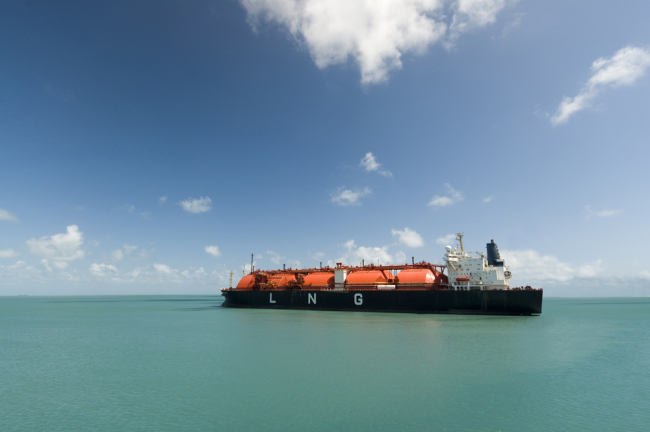
The US Natural Gas Exports : New Rules on the European Gas Landscape
This study addresses the consequences of US Liquefied Natural Gas (LNG) exports towards Europe, in particular on the strategy of Russia, the EU’s main gas supplier.
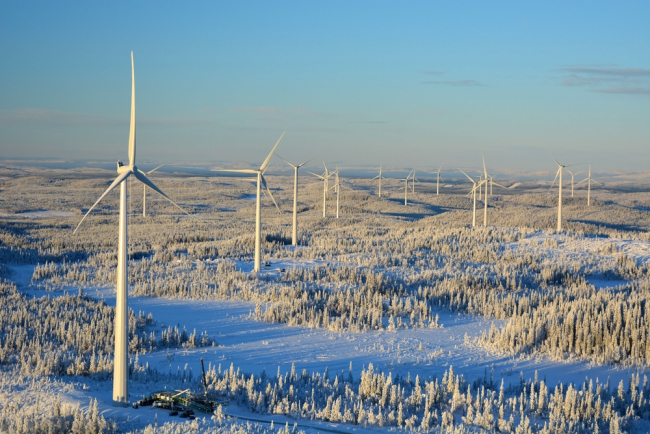
The Energy Transition in Sweden
This study analyses the evolutions of Sweden's energy choices, including in terms of nuclear power policy, carbon tax and renewable energies development. Considered as one of the most outstanding example of successful energy transition, Sweden might well face difficulties similar to those of other European countries in the near future.
German public investment policy: between debt cap and increasing investment backlog
The German debate about public investment policyfaces a dilemma. The deficits in public infrastructure have grown considerably due to comparatively low investments in recent years. In addition, substantial investments for promising mega-projects, such as the energy transition (“Energiewende”) and broadband expansion are indispensable in a foreseeable future.
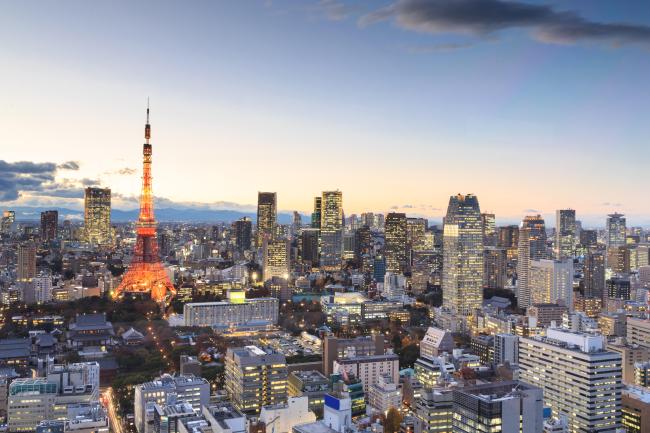
The Role of Sub-National Actors in Climate Change Policy. The Case of Tokyo
Tokyo is known as a pioneer throughout the history of Japan’s environmental policy, often being compared to California in the United States or Paris in France. Following the global trend of growing local initiatives tackling climate change, Tokyo introduced a cap-and-trade scheme in 2010 ahead of a national implementation.
Business Models for Flexible Production and Storage
This report explores business models for storage solutions that may help the European energy system adapt to new challenges.
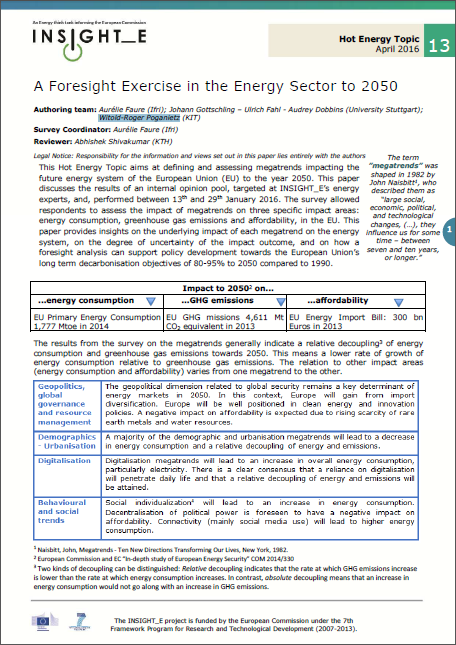
A Foresight Exercise in the Energy Sector to 2050
This Hot Energy Topic aims at defining and assessing megatrends impacting the future energy system of the European Union (EU) to the year 2050.
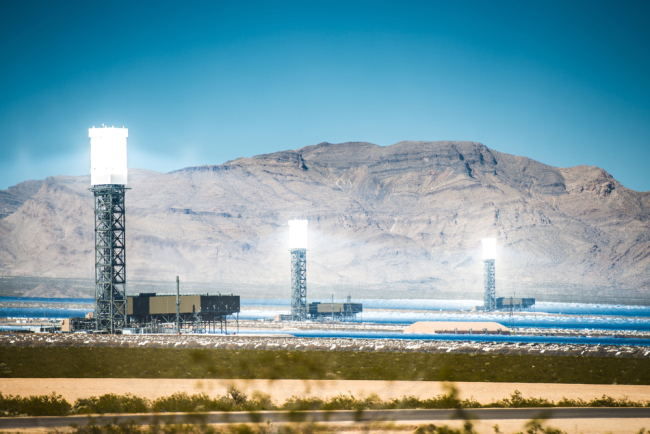
Storage Integration in Energy Systems: A New Perspective
The purpose of this paper is to go through the transformations that new modes of energy storage – mostly batteries – are expected to bring to the energy systems.
EU Security of Gas Supplies : Solidarity Runs Through the Pipeline
Given the tensions between the EU and its main gas supplier, Russia, the European Commission has been revisiting since 2014 its energy security strategy.
The European Union : When the Commission and Governments put the Future of Electricity Producers at Stake
RWE, EON, EDF, ENGIE and other large utilities are in financial turmoil. This situation, which would have been unlikely twenty years ago, is related to several failures in governance within the EU as well as to global evolutions. This Edito Energie analyses the situation of large European electricity producers in light of the European energy policy.
The US Electricity Industry and the Low-Carbon Transition
Transitioning to a low-carbon, decentralized and digitalized electricity system requires setting out new roles for incumbent suppliers, new entrants and consumers now generating their own power. Where is the US electricity industry heading and what does it say about market designs for the 21st century electricity system?

The Last-ditch Attempt to Build the Energy Union
Nearly one year after the presentation of the Energy Union project, while 2016 promises to be a critical year for its implementation, what is the status of this flagship project of the Juncker Commission?

Sustainable Electrification for Asia and Africa
Complementary solutions to national grid extensions let hope for significant improvements in the field of energy access, consistent with current economic and environmental challenges. This Note explores the regulatory and economic prerequisites that must be enhanced in order to support the emergence of mini-grid and off-grid technologies.
The European Coal Market: Will Coal survive the EC's Energy and Climate Policy?
The European coal industry is at a crossroads. The European Commission (EC) Energy Policy by 2020, the 20/20/20 targets, is not favourable to coal:
a 20% decrease in CO2 emissions does not favour coal compared with natural gas, its main competitor in electricity generation;
a 20% increase in energy efficiency will lead to a decrease in energy/coal consumption;
a 20% increase in renewables will displace other energy sources, including coal.
Towards Gas-on-Gas Competition in Europe from Trends to Reality?
Last week Centrica announced having signed a three-year gas supply contract with Gazprom Marketing and Trading UK entirely priced against UK spot gas market (NBP). This move follows other announcements in the sector, such as EON long-term gas supply contracts renegotiation, which allowed it to almost double its net-profit forecasts for 2012, or BP intention to sell Shaz Deniz II gas with spot-indexed contracts. All major European suppliers have been able to renegotiate long-term oil-indexed contracts with Gazprom lately and, more generally, contracts are increasingly being based on some spot-indexed price formula. How could that happen and what does it mean?
The GCC States of the Persian Gulf and Asia Energy Relation
Since the 2000s, China and India's needs for hydrocarbons, coming on top of those of older industrialized Asian countries (Japan and South Korea), have considerably strengthened customer-supplier links between Asia in general and the Persian Gulf, in the energy field.
Powering Kuwait into the 21st Century: Adopting a Sustainable Strategy
Over the last ten years, Kuwait's power consumption has doubled. This rising need for electricity has been mainly driven by the fast population growth rate, the increasing need for desalinated water, accounting for 93% of water consumption, and the economic development of the country.
Towards a New Geopolitics of Energy?
First of all, shale oil is starting to take the same dimension as shale gas in the US. Already 51% of US production comes presently from unconventional gas (shale, tight gas and coal-bed methane), and outlooks predict that the US will produce more gas than Russia by 2020. Oil imports have already diminished from 60 to 45%. As domestic unconventional oil production tends to increase, - it is now around 15% - imports will probably decline even more.
The Gulf Countries' Energy Strategies: What's on the Menu for the Power Sector?
The futuristic green city of Masdar in the United Arab Emirates or the latest announcements of Saudi Arabia which might now well become the new Eldorado for solar energy companies have a clear marketing varnish. But if they are showcases of green ambitions, they nonetheless reflect the situation the Gulf States face today driven by the development of heavy industry and petrochemicals but first and foremost by the rapid population growth (around 2% for Saudi Arabia and 3% for Kuwait; Qatar and the Emirates have higher population growth rate due to immigrants).
Positioning of Nuclear in the Japanese Energy Mix
Nuclear fission was discovered in the late 1930s. The first application went towards military use, and gradually expanded to civil use such as power generation. Power generation gained importance in two stages: firstly, to shift away from oil in power generation after the oil shocks in the 1970s, and second, to arrest climate change due to CO2-free nature of nuclear power more recently. This typically applies to Japan, which has become the world third largest in nuclear power generation. However, nuclear power is violent by nature, and major accidents of nuclear power plants shook the public confidence in nuclear safety. Japan has been put into such situation in a most radical way due to the Fukushima nuclear disaster of March 2011.
An Overview of Italy's Energy Mix
Italy is currently hit by an unprecedented economic, political and social crisis. This changing and uncertain environment affects more than ever the ability to define an energy strategy, which has never really benefitted from a clear vision and a solid organization. Since the 1987 referendum, which acknowledged the end of the nuclear program, the Italian energy policy has been elaborated through a juxtaposition of decrees and rules. Several laws have been approved either to comply with the European regulation or to correct former policies. These have contributed to the creation of a highly intricate regulation puzzle, only accessible to the most voluntary ones or the better equipped. The “success” of renewables subsidies has compromised the profitability of thermal power stations and increased the energy bills of retail consumers.
China and Cleaner Coal: A marriage of necessity destined for failure?
For China, coal is a crucial source of abundant, indigenous and affordable energy and is a pillar of economic and social stability. From a logic of energy security, and because the industry itself maintains a formidable political presence through the sheer fact of its history and size, this resource will continue to play a central role in the country’s energy mix. But in order to respond to the growing need to reduce the burden of coal use on the environment and the Chinese population, and to prevent catastrophic climate change, both Chinese leaders and the industry itself have faced a certain reality - coal must become cleaner.
Gas Routes to Europe: Real Needs and Political Jockeying
The Energy Roadmap 2050 released by the Commission in December 2011 says it all: we will need more gas until 2030. Gas represents the default solution for a transition to an energy system with less GHG emissions. It also has great value as a back-up for intermittent renewable power generation. Therefore, stating that Europe still needs large quantities of gas means checking if supply volumes are available to satisfy growing demand.
Ifri, a foundation recognized as being of public utility, relies largely on private donors – companies and individuals – to guarantee its sustainability and intellectual independence. Through their funding, donors help maintain the Institute's position among the world's leading think tanks. By benefiting from an internationally recognized network and expertise, donors refine their understanding of geopolitical risk and its consequences on global politics and the economy. In 2026, Ifri partners with over 90 French and international companies and organizations.

Ifri's Energy and Climate Center carries out activities and research on the geopolitical and geoeconomic issues of energy transitions such as energy security, competitiveness, control of value chains, and acceptability. Specialized in the study of European energy/climate policies as well as energy markets in Europe and around the world, its work also focuses on the energy and climate strategies of major powers such as the United States, China or India. It offers recognized expertise, enriched by international collaborations and events, particularly in Paris and Brussels.