








Ukraine: Between Two Peaces?
We have reentered the world of war. In its first special report, Politique étrangère offers a range of in-depth analyses of the military and political dynamics at work in a Europe that has just woken up from its dream of enduring peace. The direct confrontation between Ukraine and Russia has pitted two military and defense systems against each other, whose asymmetrical logics, strengths, and weaknesses we are discovering as the conflict unfolds.
Toward a New European Security Order? Foreign Policy Shifts in Response to Russia’s War on Ukraine (webinar)
This online discussion takes stock of how Russia’s invasion of Ukraine has changed national foreign and security policies and how these shifts affect Europe’s security architecture.

An Engine Replacement Could Kill Europe’s Huge F-35 Plans
If the decision to replace the engine for the F-35A is implemented, countries flying F-35s will find themselves forced into unforeseen and overly complicated supply chains.
Climate: Which Way Forward?
Thirty years after Rio, the case file “Climate: Which way forward?” assesses current climate commitments, which are undoubtedly less impressive and less certain than the political pronouncements and media fanfare make them seem. A number of fundamental problems remain.
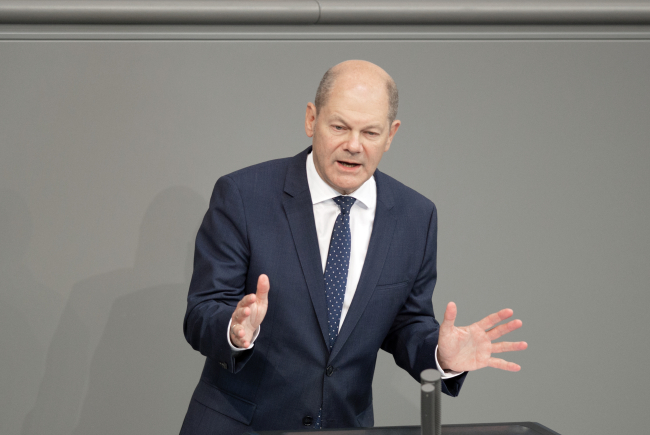
A “New Era”? Toward a Realignment of German Foreign Policy after the Russian Invasion of Ukraine
German Chancellor Olaf Scholz’s speech to the Bundestag on February 27, 2022, announced a new orientation in foreign policy and challenged the principles that had been the consensus in Germany for the past thirty years.
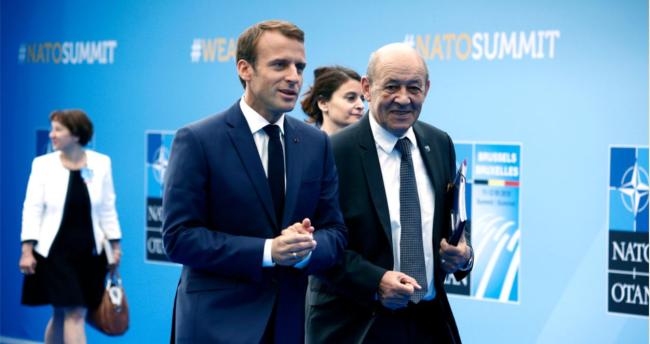
How to Keep France Engaged in NATO
France’s policy vis-à-vis the North Atlantic Treaty Organization (NATO) has always been ambivalent. On paper, France’s strategic culture fits well within NATO’s nature and agenda. Yet, in practice, French membership of NATO has always been uneasy. Several intra-alliance developments will likely affect the quality of French-NATO relations over the next few years.

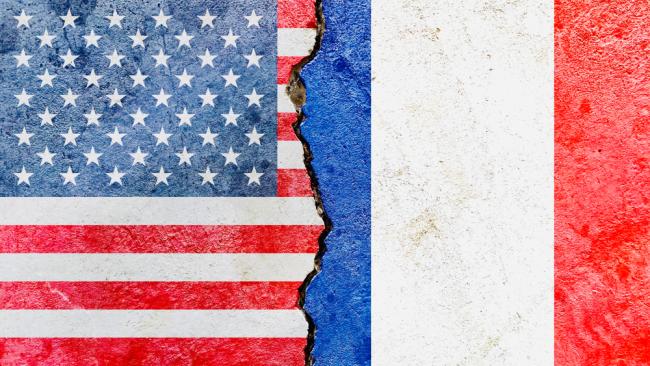
Sub snub just one symptom of longtime French unease with US
Born of a revolution fought for liberty, ties between the United States and its oldest ally, France, have long been fraternal, but they've also been marked by deep French unease over their equality.
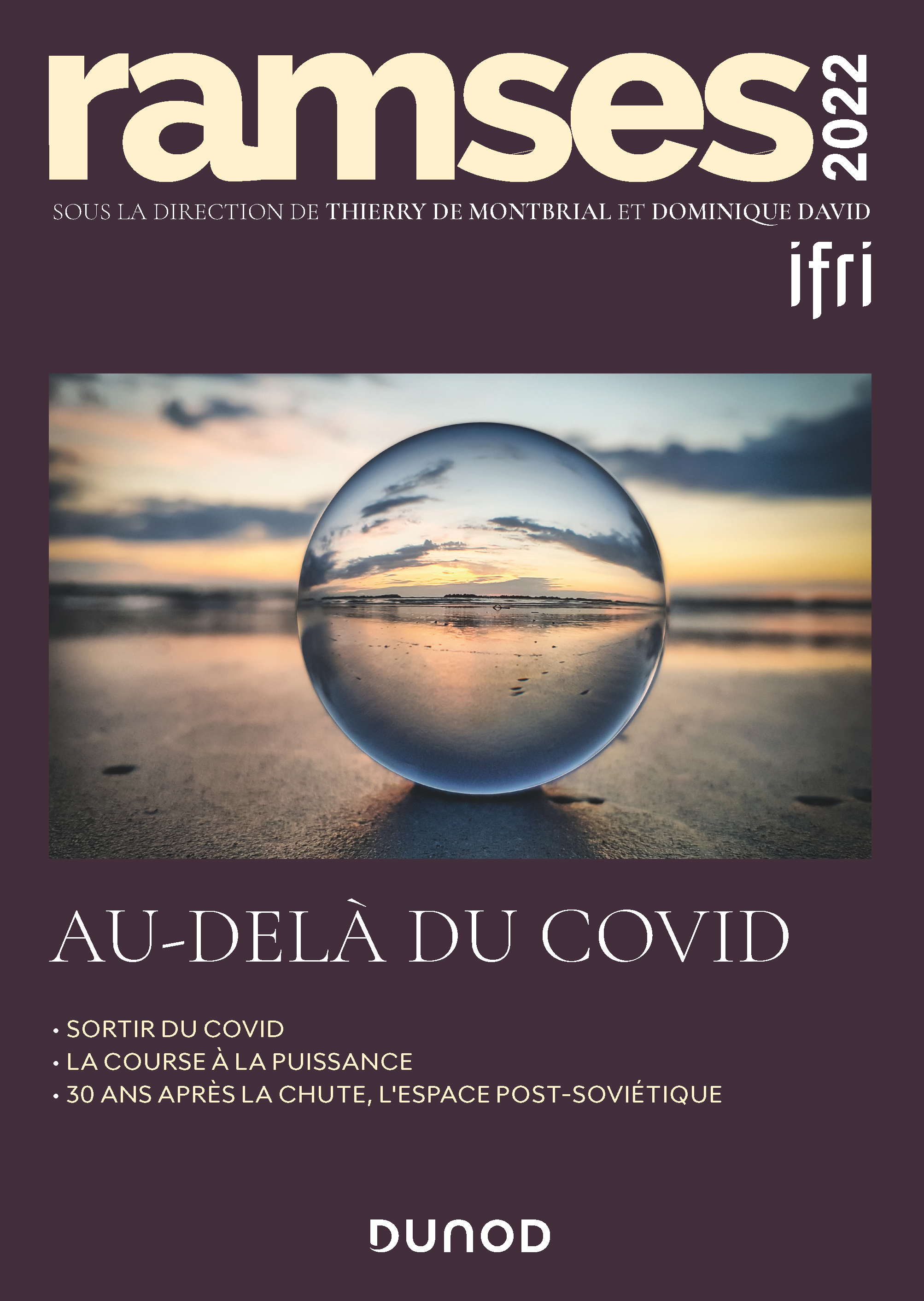
RAMSES 2022. Beyond Covid
For its 40th edition, RAMSES 2022. Beyond Covid, written by Ifri's research team and external experts, offers an in-depth and up-to-date analysis of geopolitics in today’s world.
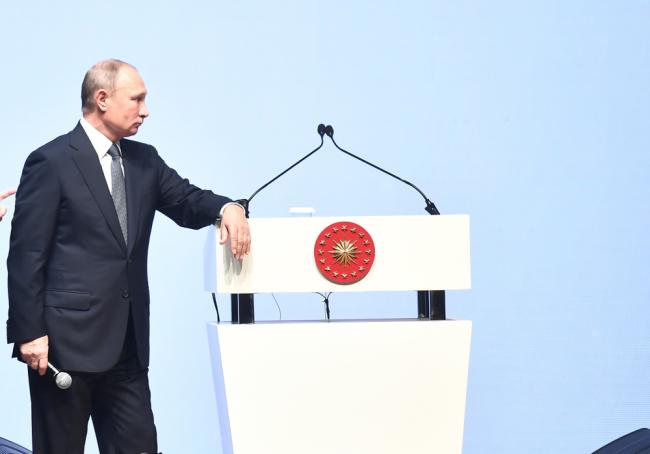
Dialogue with Russia. Russia Needs to Reset Relations with the West
This report analyses Western-Russian relations and proposes a way forward for conducting dialogue with Russia. It offers an analysis of Russia’s relations with NATO and the EU, an overview of the bilateral relations of various Western countries with Russia, a glimpse of China’s role, and an assessment of the main interests and contentious issues in Western-Russian relations.
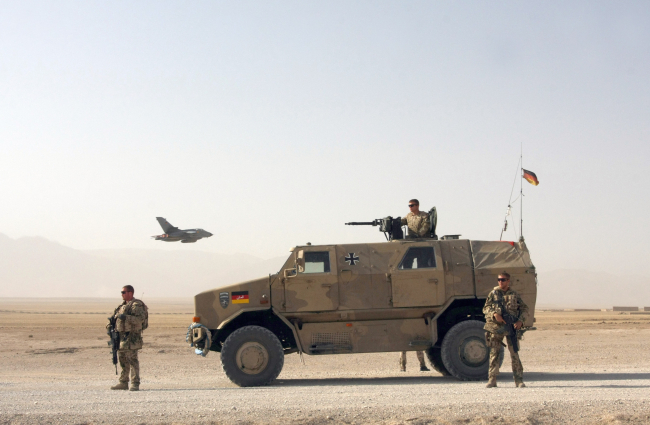
Circumstantial Pacifism: Political Parties and the Participation of the Bundeswehr in Foreign Operations
In Germany's parliamentary democracy, political parties play an important role in mandating Bundeswehr missions abroad and in overseeing their deployment. The political debate on these deployments is polarized between opponents, who are called “pacifists”, and supporters, who are called “militarists”.
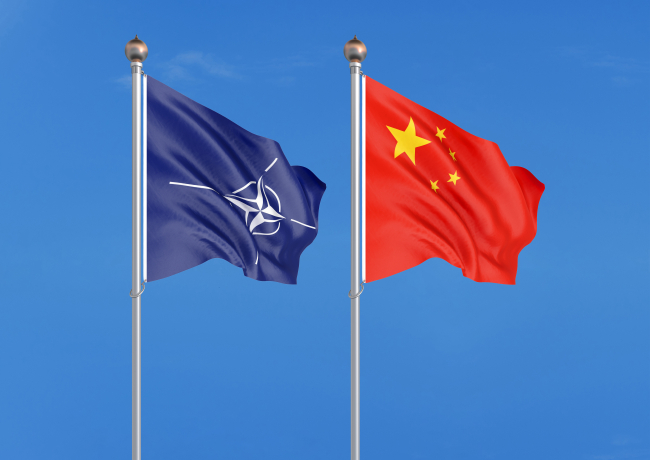
Why Should NATO Care About China? A Japanese Perspective
When we look back and think about some of the decisive moments in the West’s attitude towards China, it is rather symbolic that all goes back to Tiananmen Square, 1989.
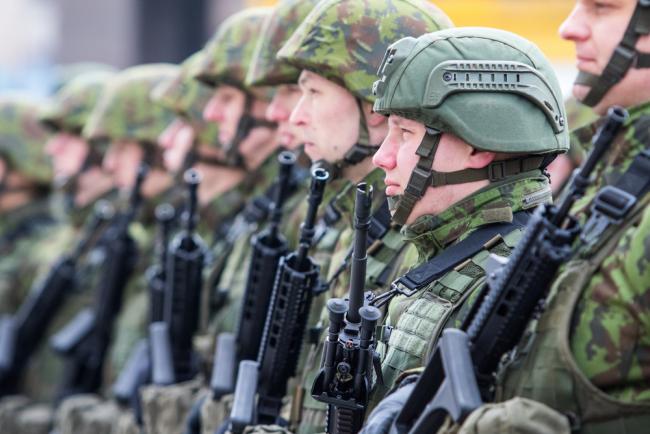
Collective Collapse or Resilience? European Defense Priorities in the Pandemic Era
To what extent has the COVID-19 pandemic affected defense priorities across Europe?
Europe in the World: for a Modest and Effective Reform
This sad year ends with a pandemic that continues in full swing over a large part of the planet, especially in the United States and Europe, with no other reassuring prospect than that of one or more vaccines, which is already a lot. But that’s not the subject I want to focus on in this eighth letter, the last one for 2020. Internationally, two other facts have dominated the scene in recent months.
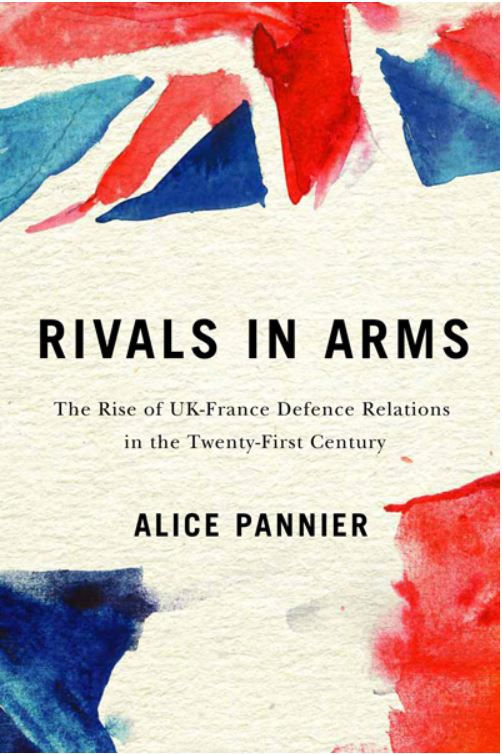
Rivals in Arms: The Rise of UK-France Defence Relations in the Twenty-First Century
The untold story of the thriving yet complicated defense relationship of two countries caught between strategic decline and global ambitions. As the UK leaves the European Union and as the multilateral international order is increasingly under stress, bilateral security links are more important than ever. Among such relationships, the UK-France partnership has become particularly critical in the past decades.
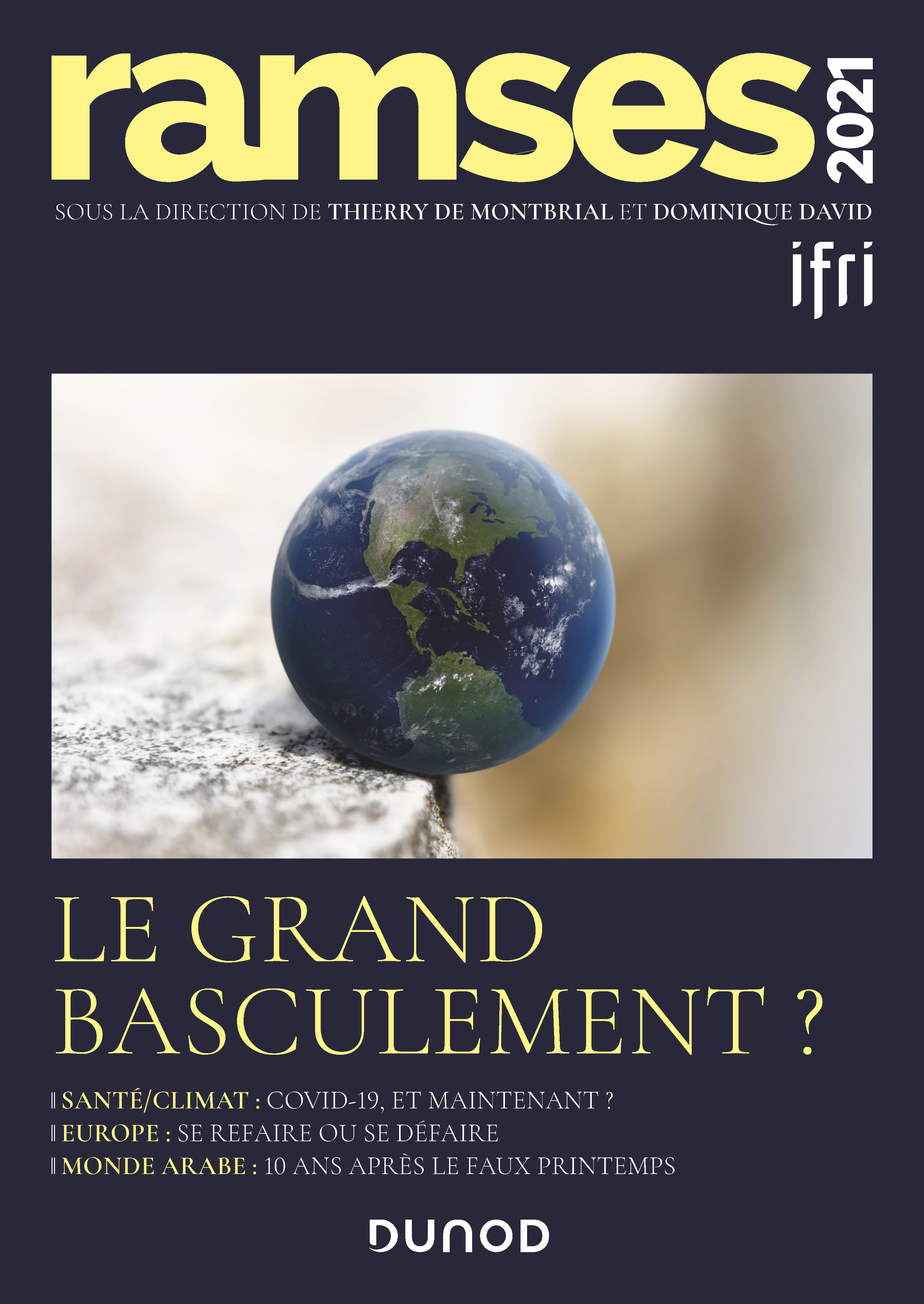
RAMSES 2021. At the Edge?
RAMSES 2021. At the Edge?, written by Ifri's research team and external experts, offers an in-depth and up-to-date analysis of geopolitics in today’s world.
The European Equation of Nuclear Deterrence, Variables and Possible Solutions
Ever since nuclear weapons were developed by the United States and the Union of Socialist Soviet Republics, Europe has lived under the nuclear shadow. A major direct confrontation between “the West” and “the East” could have very likely resulted in the detonation of nuclear weapons on the continent. As the Cold War ended, massive reductions in the US and Soviet arsenals (from 70,300 in 1986 to 13,890 in 2019) and a new security architecture radically transformed the European security environment.


NATO Took Some Knocks But Survives Its 70th Anniversary Party
NATO’s 70th turned out to be less like a birthday party and more a Thanksgiving dinner for a large dysfunctional family: Not all of them got on, a few snide remarks were made, but in the end everyone seemed to accept they’re stuck with each other. “We had a very successful meeting,” said an evidently relieved Chancellor Angela Merkel of Germany, citing the unity she had seen among the alliance’s 29 leaders. “So I’m very pleased.”


Emmanuel Macron's openness toward Russia is testing the patience of NATO allies
Paris (CNN) - Nobody likes to hear that an old friend is "brain dead," so perhaps it's not surprising that France's allies seem to be going through the seven stages of grief over Emmanuel Macron's pronouncement in the Economist last month that NATO is languishing.
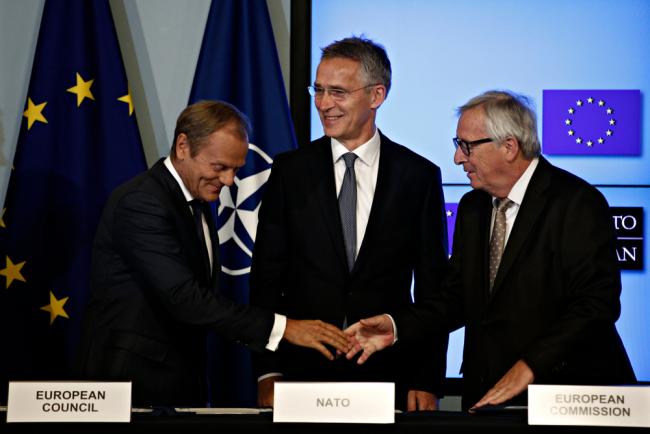
Mutual Reinforcement: CSDP and NATO in the Face of Rising Challenges
Over the past five years, several political and security developments have made it increasingly necessary to look at European Union (EU) / North Atlantic Treaty Organization (NATO) relations through a different lens.
Sub-Surface Competition in the Euro-Atlantic Area: The Challenge to Western Dominance
Russia’s Syrian campaign has demonstrated the returning challenge the West faces in the underwater domain.
The NPT and the Origins of NATO’s Nuclear Sharing Arrangements
Russia has recently accused the United States and NATO Allies of violating the Treaty on the Non-Proliferation of Nuclear Weapons (NPT) by arguing that NATO's nuclear sharing arrangements are not permitted under the Treaty.

Making Sense of Europe’s Southern Neighbourhood: Main Geopolitical and Security Parameters
Europe’s southern neighbourhood is a diverse but interlinked geopolitical ensemble, whose specificities need to be carefully assessed before Europeans devise dedicated security strategies, divide responsibilities and make policy decisions.
War and Democratic Decision Making: How do Democracies Argue and Decide Whether or Not to Intervene in Distant Wars?
What is the proper place and forum for decisions about war and peace in a democracy? There is surprisingly little consensus on this matter, not in theory and not in practice. While in Iraq, Libya and Syria, all Western actions have ended in failure, it seems necessary to analyze the place and importance of this aspect of the democratic decision making.
The Primacy of Alliance: Deterrence and European Security
Since the end of the Cold War, the international security environment has been transformed and nuclear weapons have been marginalized in the West. However, the NATO security policies remain almost unchanged: deterrence is still considered as a principle guiding the Atlantic Alliance, even though the actual policy statements lack target, direction and urgency.
Cruise Missiles and NATO Missile Defense: Under the Radar?
The purpose of this paper is to demonstrate that the threat of cruise missile proliferation is as equally challenging to NATO as the threat of ballistic missiles. Over the last two decades, the emergence of cruise missiles and UAVs as a threat has been slow, and governments, particularly the United States, have invested much less in cruise missile defenses than in ballistic missile defenses.
Dancing with the Bear: Managing Escalation in a Conflict with Russia
"Escalation", the tendency of belligerents to increase the force or breadth of their attacks to gain advantage or avoid defeat, is not a new phenomenon. Systematic thought about how to manage it, however, did not crystallize until the Cold War and the invention of nuclear weapons.
France's Return into NATO: French Military Culture and Strategic Identity in Question
More than 40 years after the unilateral decision by General de Gaulle to withdraw French forces from NATO's integrated military command, President Sarkozy decided that France would reintegrate the Atlantic Alliance’s military structure, based on "full and complete participation". The decision was endorsed by Parliament and has generated little debate in France, while a majority of French people appear to approve of it.

NATO wrestles with internal divisions ahead of Warsaw summit
The alliance is struggling to assemble four battalions to safeguard its eastern flank from a possible Russian attack. In addition, many member states are falling short of their financial commitments to the alliance.

Ifri, a foundation recognized as being of public utility, relies largely on private donors – companies and individuals – to guarantee its sustainability and intellectual independence. Through their funding, donors help maintain the Institute's position among the world's leading think tanks. By benefiting from an internationally recognized network and expertise, donors refine their understanding of geopolitical risk and its consequences on global politics and the economy. In 2026, Ifri partners with over 90 French and international companies and organizations.
