


Security - Defense
As a result of global strategic competition, security and defense issues are marked by the return of major wars and nuclear deterrence, the transformation of terrorism and the race for military technologies.
Related Subjects
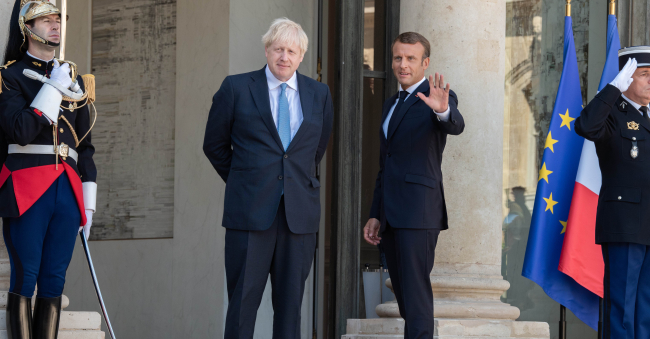
Complementarity or Competition? Franco-British Cooperation and the European Horizon of French Defense Policy
What does future hold for the Franco-British defense partnership after Brexit?
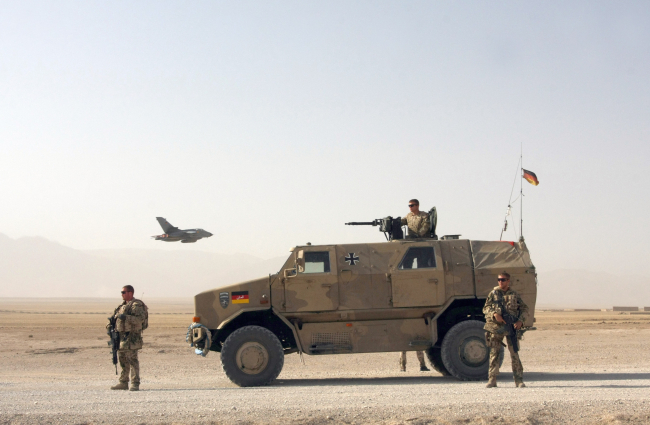
Circumstantial Pacifism: Political Parties and the Participation of the Bundeswehr in Foreign Operations
In Germany's parliamentary democracy, political parties play an important role in mandating Bundeswehr missions abroad and in overseeing their deployment. The political debate on these deployments is polarized between opponents, who are called “pacifists”, and supporters, who are called “militarists”.

Cyber-influence : les nouveaux enjeux de la lutte informationnelle
The coming of age of a digital “info sphere” has dramatically changed the nature of military information support strategy.
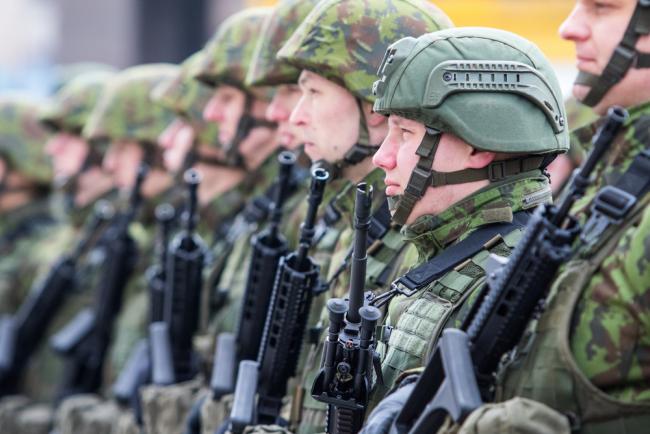
Collective Collapse or Resilience? European Defense Priorities in the Pandemic Era
To what extent has the COVID-19 pandemic affected defense priorities across Europe?

Once a Jihadist, Always a Jihadist? A Deradicalization Program Seen from the Inside
France has traditionally taken a security-based approach to the fight against terror. It was a latecomer to the field of radicalization prevention and the establishment of disengagement programs aimed at jihadists. It only started to think seriously about the issue in 2013 and its first attempts involved certain irregularities.

Réparer 2020 ou préparer 2030 ? L’entraînement des forces françaises à l’ère du combat multi-domaine
From basic training to the conduct of international exercises, operational readiness planning aim to make the components of military capabilities (equipment, doctrines, operational know-hows) consistent with the operational contracts decided at the strategic level.
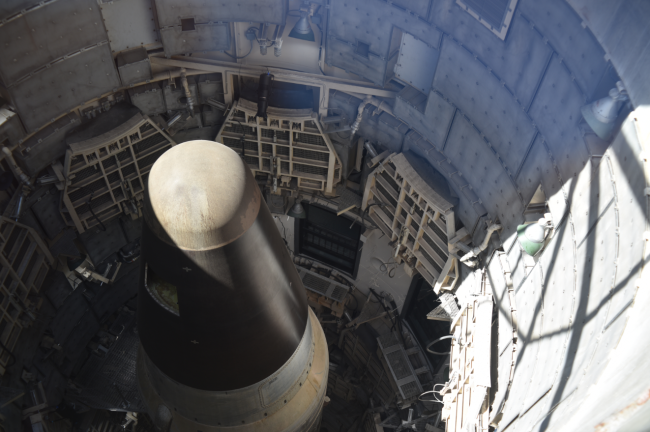
Strategic Risk Reduction between Nuclear-Weapons Possessors
The topic of nuclear risk reduction has gained momentum in the international security debate among policymakers, nongovernmental organizations, and experts.
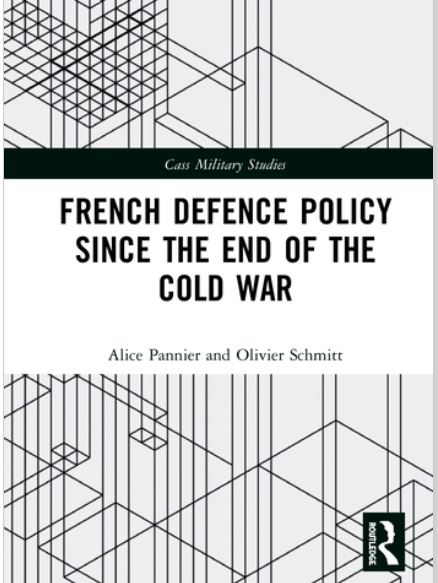
French Defence Policy Since the End of the Cold War
With a look at evolutions over the past three decades, the thematic chapters cover French defense institutions and civil-military relations, the transformation of armed forces, nuclear deterrence, the defense industry, military interventions, and alliances.
Europe in the World: for a Modest and Effective Reform
This sad year ends with a pandemic that continues in full swing over a large part of the planet, especially in the United States and Europe, with no other reassuring prospect than that of one or more vaccines, which is already a lot. But that’s not the subject I want to focus on in this eighth letter, the last one for 2020. Internationally, two other facts have dominated the scene in recent months.
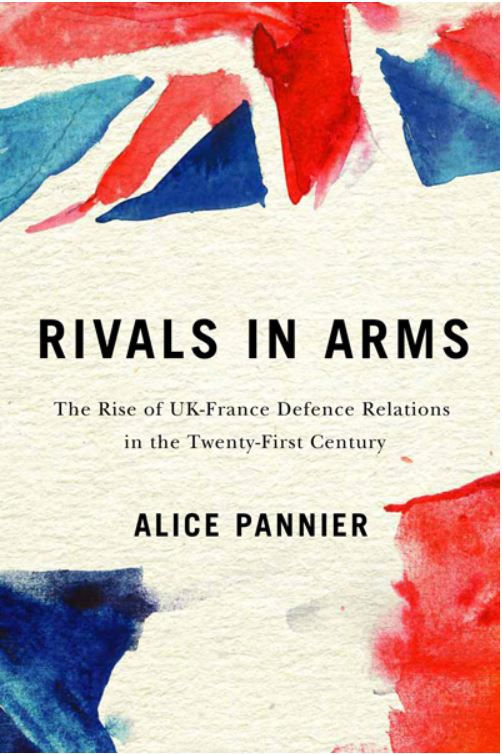
Rivals in Arms: The Rise of UK-France Defence Relations in the Twenty-First Century
The untold story of the thriving yet complicated defense relationship of two countries caught between strategic decline and global ambitions. As the UK leaves the European Union and as the multilateral international order is increasingly under stress, bilateral security links are more important than ever. Among such relationships, the UK-France partnership has become particularly critical in the past decades.
Security Partnerships in Japan's Asia Strategy: Creating Order, Building Capacity and Sharing Burden
During the last decade, Japan has sought partnership with many Asian nations - the drive remaining strong regardless of ruling parties. Newly elected Prime Minister Shinzo Abe of the Liberal Democratic Party of Japan is to continue this trend under the name of ‘value diplomacy".
Command and Control in a Nuclear-Armed Iran
In the long standoff regarding its nuclear ambition, Iran has cultivated ambiguity and been loath to reliably assure the international community of its ultimate intentions, complicating Western efforts to understand, let alone constrain, Tehran’s endeavors.
The Defense Budget in France: Between Denial and Decline
Although defense spending is the fourth budget item in France, it is rarely a matter of public debate. During the past three decades, defense has been affected in turn by the desire to rip the benefit of the post-Cold War “peace dividend”, the professionalization of 1997, and the increase of overseas operations after September 11, 2001.
Ballistic Missile Defense in Japan: Deterrence and Military Transformation
In December 2003, Japan decided to be the second country in the Asia-Pacific to deploy a ballistic missile defense (BMD) system.
The Battle over Fire Support: The CAS Challenge and the Future of Artillery
Traditionally, maneuver units are designed for mobility and control of the ground, while supporting forces (artillery, aviation) deliver fires to protect the former and ensure their freedom of action.
Deterring the Weak: Problems and Prospects
Strong states often fail to deter vastly weaker competitors. This paper explores some reasons of this failure and identifies factors that can increase the prospects that deterrence will succeed in these situations.
Establishing the Rule of Law: the U.N. Challenge in Kosovo
Created on the 10th July 1999 by Security Council Resolution 1244, UNMIK was responsible for restructuring the institutions of a country devastated by war and establishing democratic governance. The security of people and goods and the existence of a legal system trusted by the population were two crucial prerequisites to the state-building process.
Proliferation and Nonproliferation in the Early Twenty-First Century: The Permanent Five Hold the Key to Success
Since the early twenty-first century, the international nonproliferation landscape has experienced a shift from relatively steady proliferation schemes to more complex and diverse challenges. New entities are gaining access to nuclear material and among them is a growing number of non-state actors. Some states continue to abuse international norms and rules overtly, while others opt for covert proliferation strategies.
Defence and Foreign Policy Under President-elect François Hollande
We know little about François Hollande's stance on wider foreign and defence policy issues. Though we are unlikely to see major changes from his predecessor, some clues from his successful campaign suggest that President-elect Hollande will adopt a more European and Gaullist approach.
Cruise Missiles and NATO Missile Defense: Under the Radar?
The purpose of this paper is to demonstrate that the threat of cruise missile proliferation is as equally challenging to NATO as the threat of ballistic missiles. Over the last two decades, the emergence of cruise missiles and UAVs as a threat has been slow, and governments, particularly the United States, have invested much less in cruise missile defenses than in ballistic missile defenses.
Support independent French research
Ifri, a foundation recognized as being of public utility, relies largely on private donors – companies and individuals – to guarantee its sustainability and intellectual independence. Through their funding, donors help maintain the Institute's position among the world's leading think tanks. By benefiting from an internationally recognized network and expertise, donors refine their understanding of geopolitical risk and its consequences on global politics and the economy. In 2025, Ifri supports more than 80 French and foreign companies and organizations.
Related centers and programs
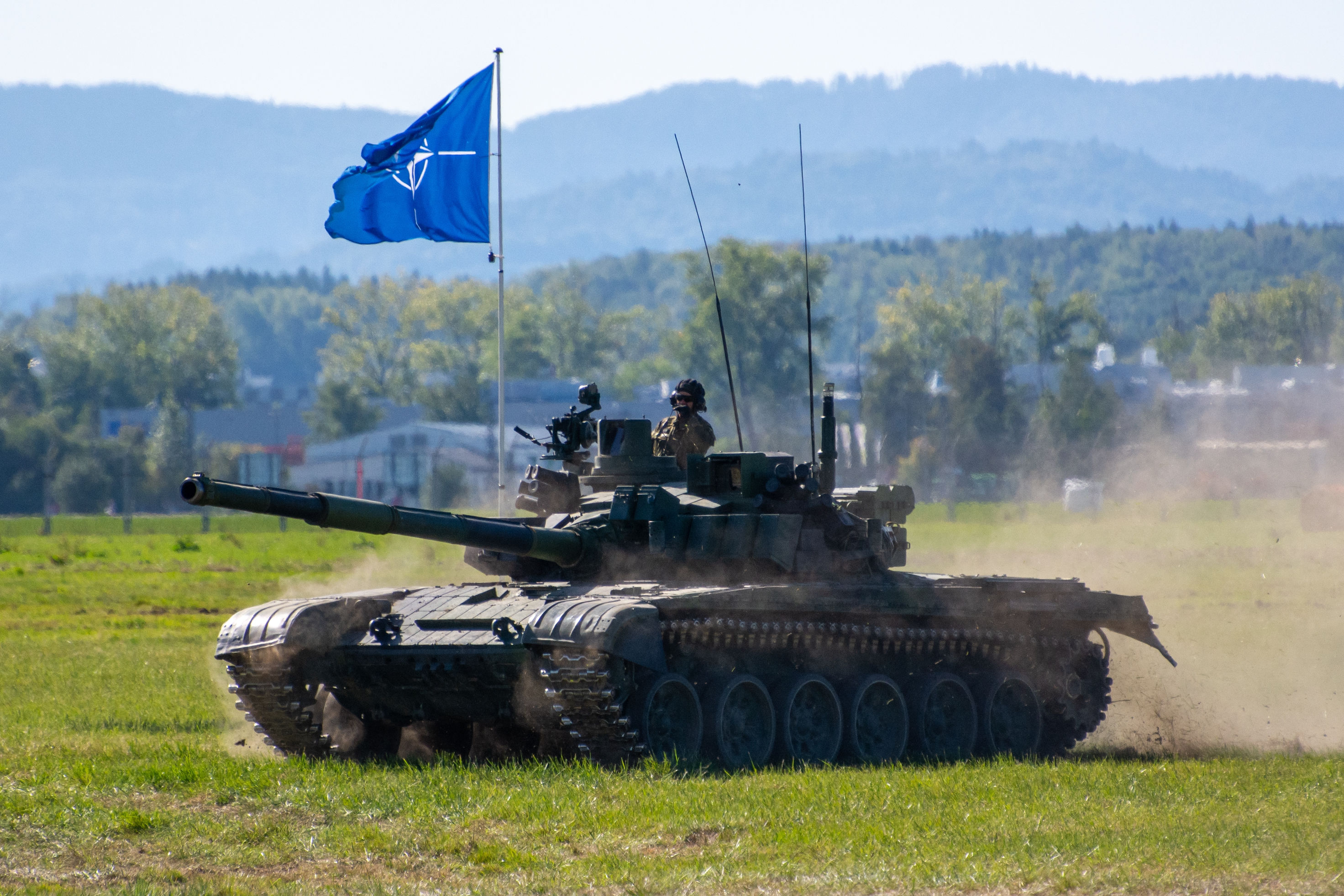
European & Transatlantic Security
The European & Transatlantic Security Program aims to contribute to the strategic debate by developing analyses around three main axes: European defense and the security architecture of the European continent, institutional and strategic links between the Treaty Organization of North Atlantic (NATO) and the European Union (EU), as well as the evolution of the transatlantic relationship.
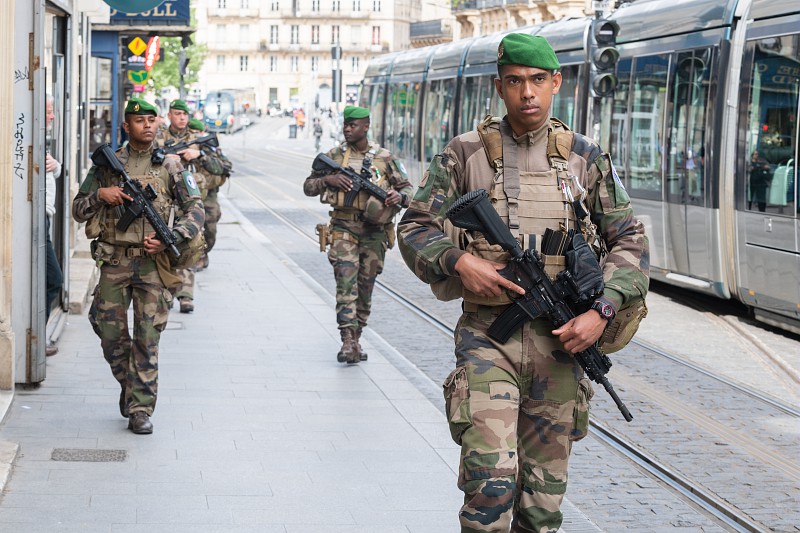
Internal Security
The distinction between internal and external threats is often exaggerated, as the borders are so porous. Conflicts taking place thousands of kilometers from France can have tragic resonances on national territory. Radicalization, terrorism and even organized crime have an international dimension that cannot be ignored.
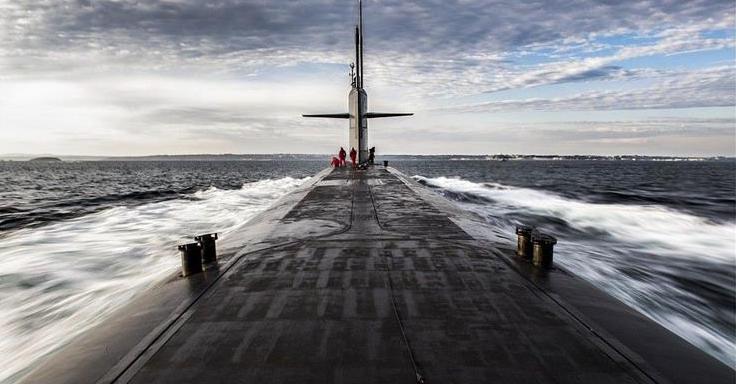
Deterrence and Proliferation
The conflicts in Europe, Asia and the Middle East demonstrate a return of nuclear power to the balance of power. Arsenals are being modernized and expanded, while arms control is collapsing. This research program aims to analyze these phenomena.
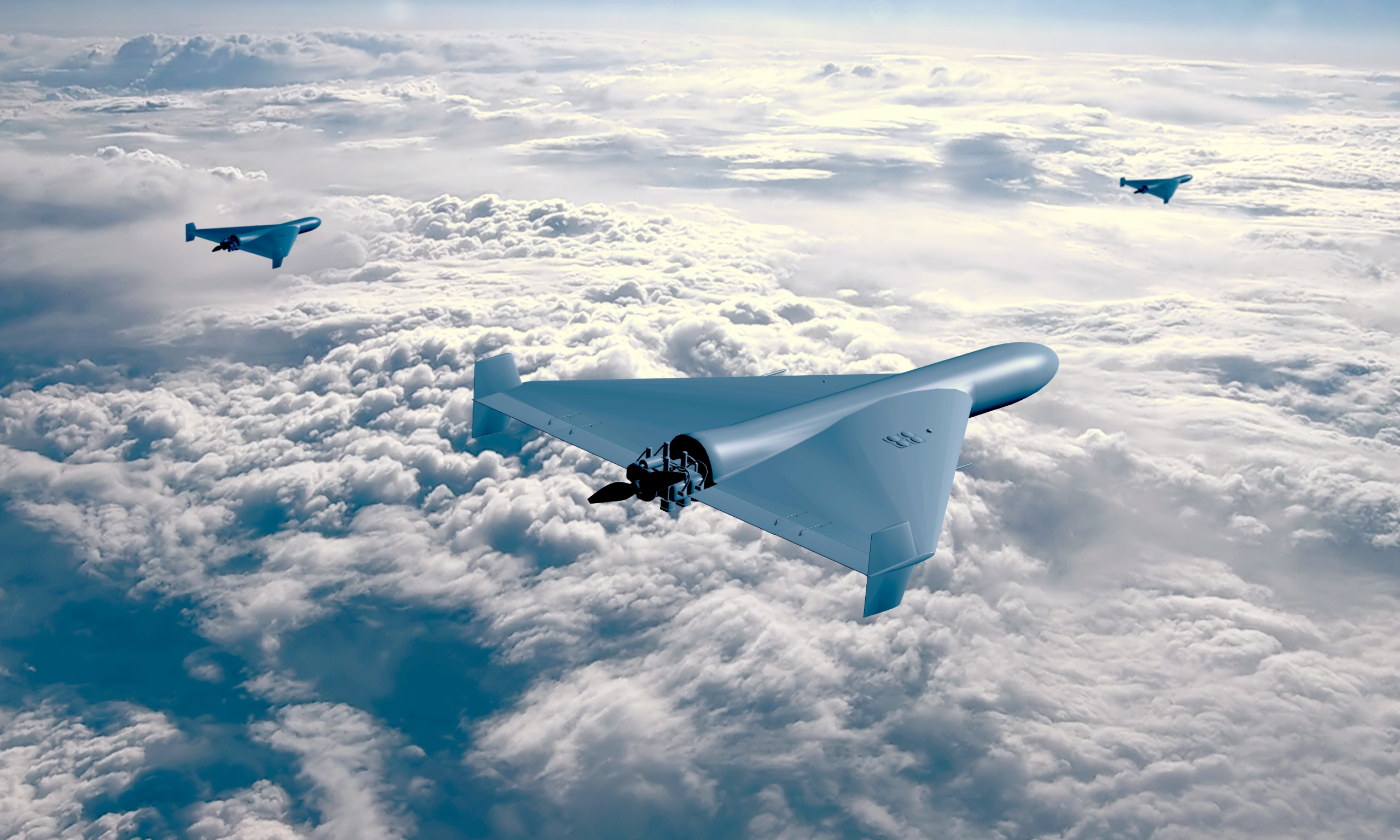
Observatory on Future Conflicts
The Observatory of Future Conflicts is a research program carried out by the French Institute of International Relations and the Foundation for Strategic Research on behalf of the three army headquarters aimed at studying developments in tensions and armaments at the horizon 2040 in a transversal perspective, taking into account the issues of each army.
Security Studies Center
Heir to a tradition dating back to the founding of Ifri, the Security Studies Center provides public and private decision-makers as well as the general public with the keys to understanding power relations and contemporary modes of conflict as well as those to come. Through its positioning at the juncture of politics and operations, the credibility of its civil-military team and the wide distribution of its publications in French and English, the Center for Security Studies constitutes in the French landscape of think tanks a unique center of research and influence on the national and international defense debate.
Defense Research Unit
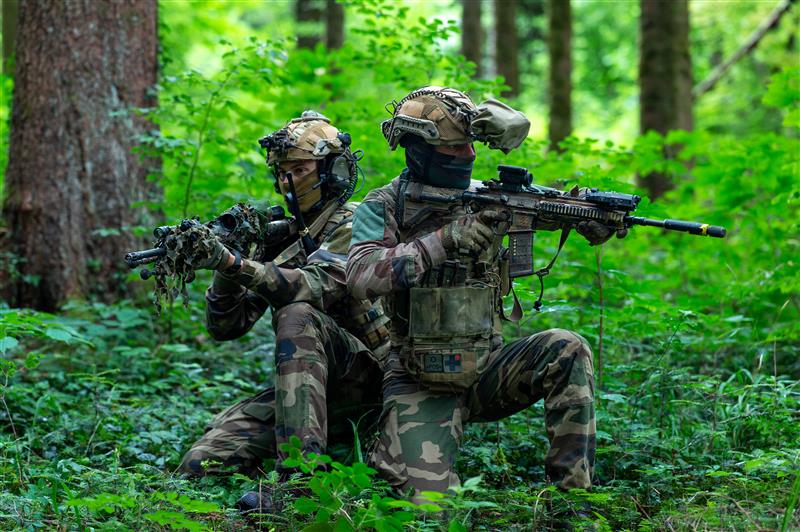
The Defense Research Unit is a program that aims at stimulating the strategic debate by dealing with subjects at the junction of the “technico-operational” and the “political-strategic”. A unique structure in France, it brings together civilian researchers and “military fellows” from each of the three armies to produce work on defense policies, the capability and strategic adaptation of armies, and foresight on tomorrow's conflicts.