






Practical information
A "Les jeudis de l'Ifri" videoconférence around Laurence NARDON, head of Ifri's North America program.

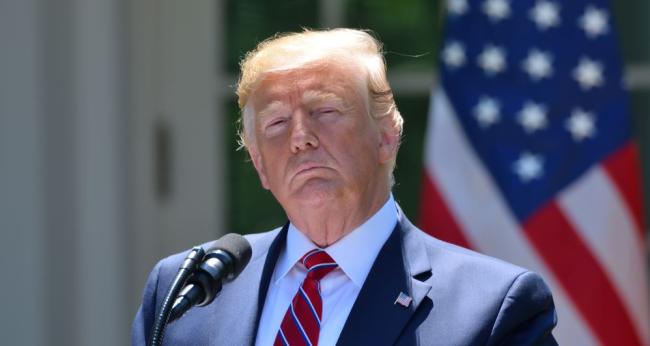
While the polls continue to favor Democratic candidate Joe Biden, the results of the election and the proclamation of the winner may, in the context of a pandemic, not be accepted by the defeated candidate. Where will we be two days after the election? What would be the first steps each of the two candidates would take if elected?
Chair : Thomas Gomart, director of Ifri.
This debate is for corporate members only. It will be conducted in French.
Speakers


Find out more
The American Elections and Beyond
The next few years will be tumultuous ones in the United States. The dependency of foreign policy on domestic policy is unlikely to diminish. Whether in the rivalry with China or the predominance of Israeli interests in Middle East policy, for example, it is hard to imagine Biden taking a big step backward. Many Europeans want to believe that a victory by Obama’s former vice president will signal a return to the good old days of transatlantic consultation and multilateralism.
Minnesota: understanding national issues through a territorial lens
Located in the heart of a mostly Republican Midwest, Minnesota stood out in the 2016 presidential election, with Democratic candidate Hillary Clinton winning 46.5 % of the vote, in keeping with the State’s Democratic tradition. In the 2020 presidential campaign Minnesota has been a battleground state, as President Trump and Joe Biden are both intent on winning its 10 votes in the Electoral College.
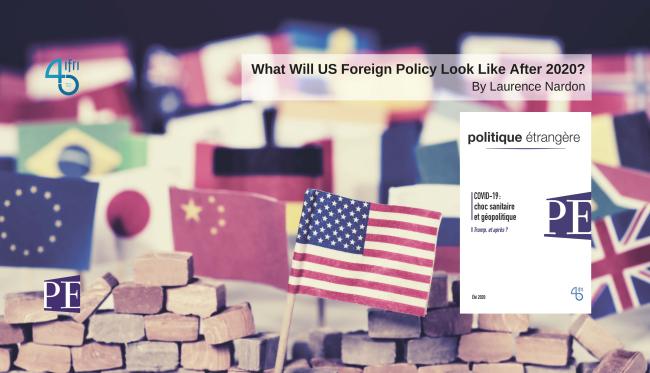
What Will US Foreign Policy Look Like After 2020?
The results of the US presidential election in November 2020 are very uncertain.
Related Subjects
Other events
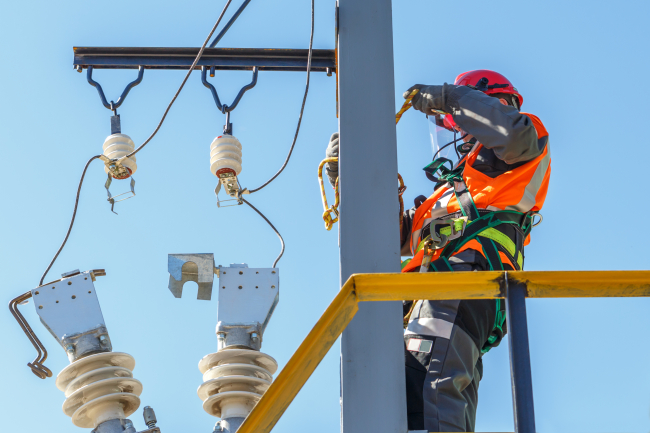
The Road to 27 Electrification Action Plans: Planning and Investing in Europe’s Electric Future
The European Commission’s Electrification Action Plan places the continent on an electric path to structurally reduce dependence on fossil fuel imports and boost the energy transition in industry, transport and buildings.
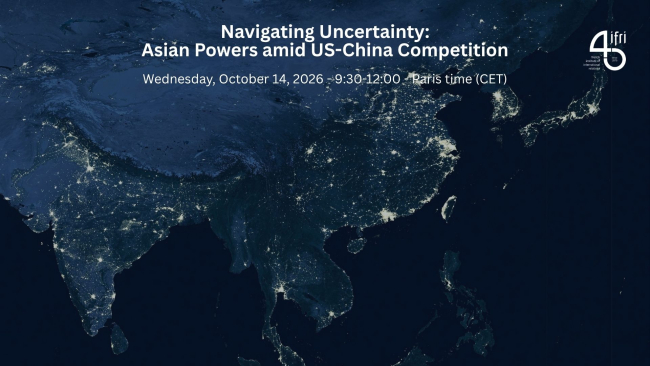
Navigating Uncertainty: Asian Powers amid US-China Competition
As relations between China and the United States oscillate between hardening competition and strategic stability, regional powers in Asia must adapt to greater uncertainty.