




Titre
Events
Filter results

The Future of Space Cooperation: Challenges and Opportunities in the Trump II Era
The policy orientations of the Trump II administration profoundly challenge the foundations of international cooperation in space science and exploration. This shift reflects a broader trend of strategic disengagement and weakening of multilateral mechanisms in the space domain.
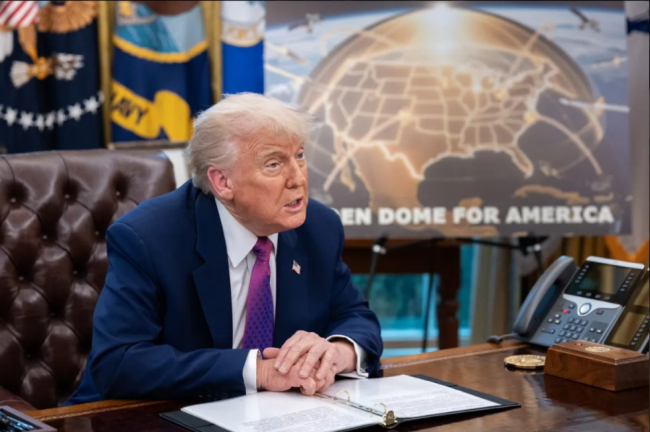
The Evolution of the U.S. Strategic Posture under Trump's Second Term
The United States’ strategic posture is currently marked by significant uncertainty and contradictory signals.
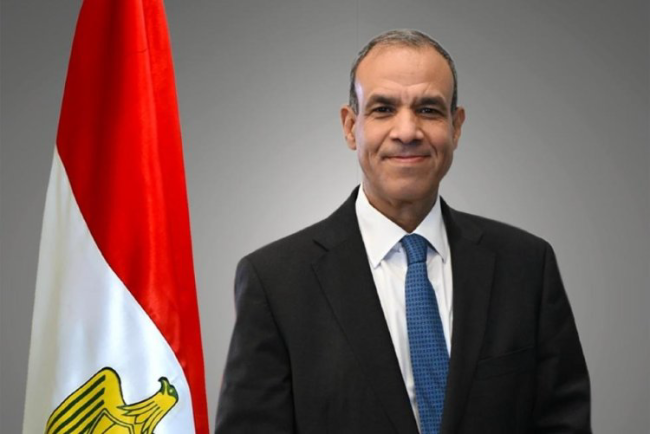
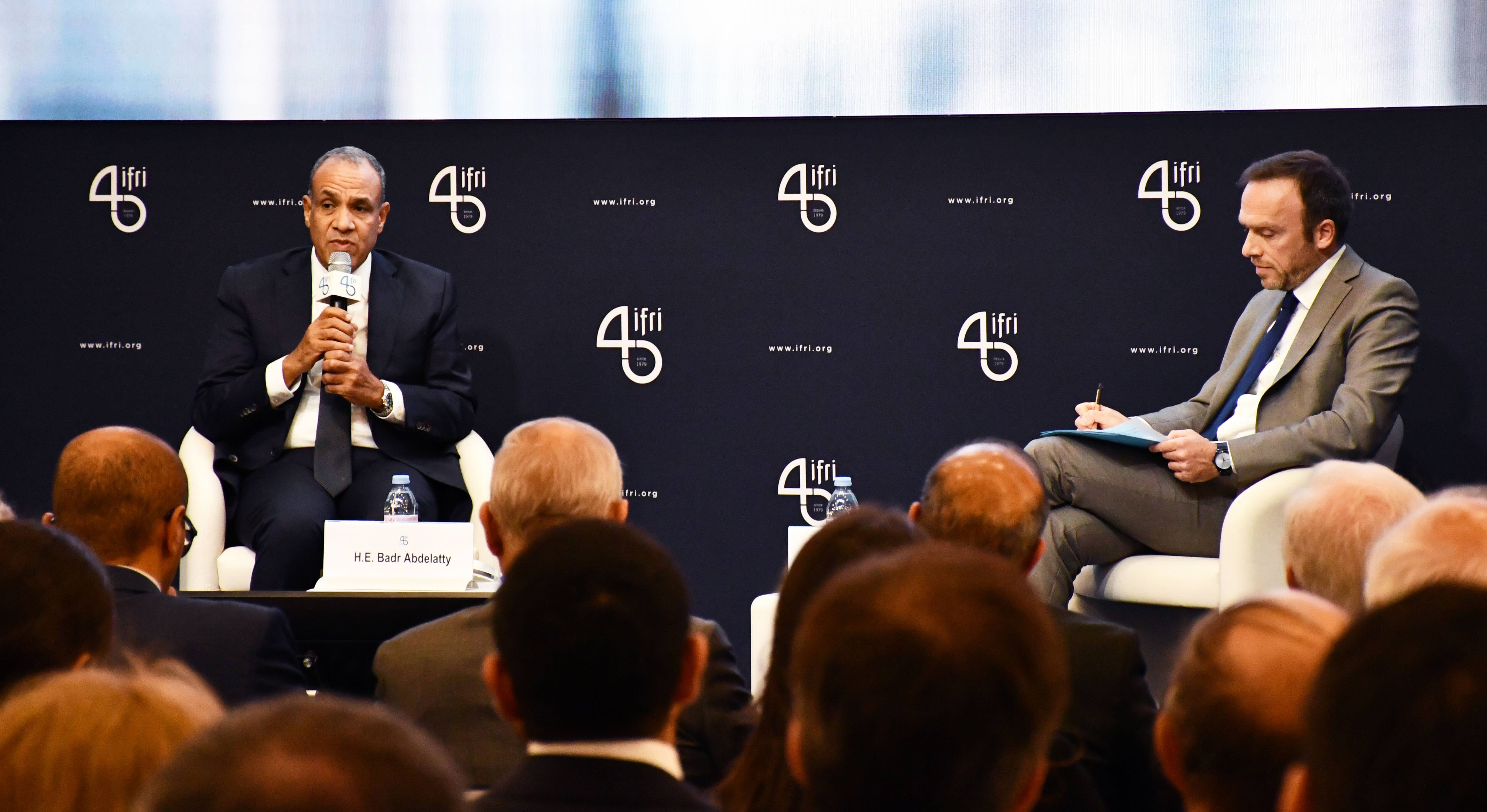
Conference with Badr Abdelatty, Minister of Foreign Affairs of Egypt
Egypt, with a population of over 115 million, is a key state in the Arab world. Its geographical position places it at the heart of regional tensions, which have been particularly heightened since October 7, 2023. Sharing a border with the Gaza Strip, it has been involved in providing humanitarian aid and in negotiating a ceasefire.

The Skills Front in the Global Geoeconomics Battle – Implications for the EU’s Clean Industrial Deal
In the global race for mastering and deploying clean energy technologies, the available and well-trained workforce is a crucial success factor, with China already a green skills superpower: 90% of its energy jobs growth are in the clean energy sector and the country accounts for about 80% of global employment in the batteries sector.
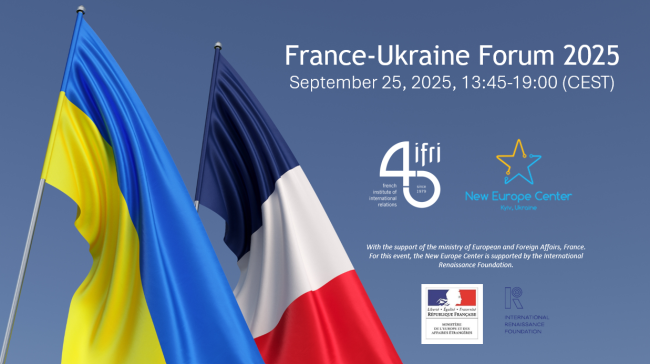
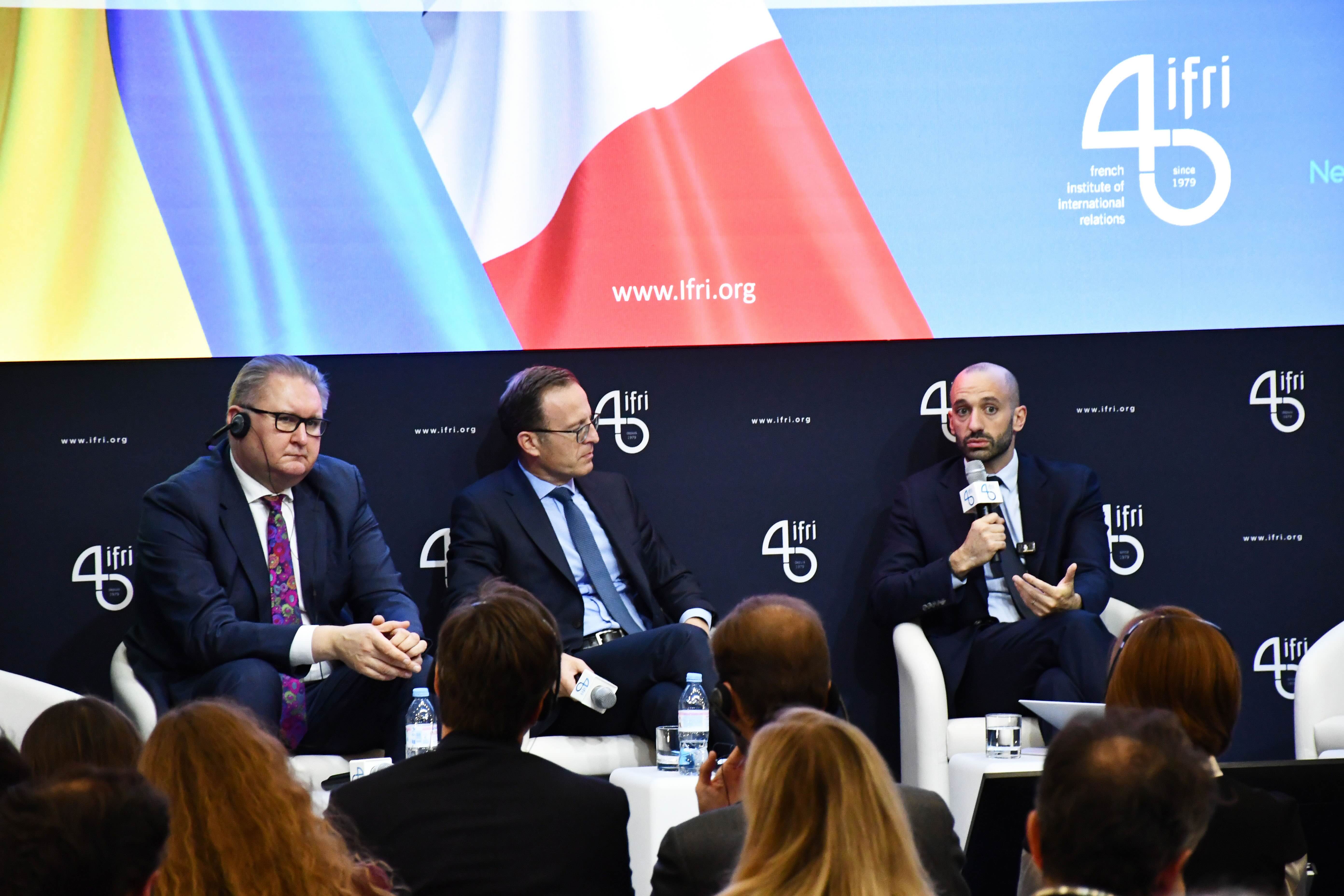
France-Ukraine Forum 2025
Three years after the start of Russia's full-scale war against Ukraine, the France-Ukraine 2025 Forum will welcome politicians, experts, academics, and civil society representatives from both countries to discuss three main topics: Ukraine's current military strategy and strategic perspectives; the country's resilience and recovery; Ukraine's European and transatlantic perspectives, including the EU accession process and its aspirations to join NATO.

Cracking the dilemma of international carbon credits in the EU 2040 target: can EU’s climate action turn geopolitical without losing domestic integrity?
With COP30 just around the corner, and as the EU is debating its 2035 NDC and 2040 targets, EU faces a key strategic dilemma of whether international carbon credits should be included in its 2040 emissions reduction target and if so, under which conditions?
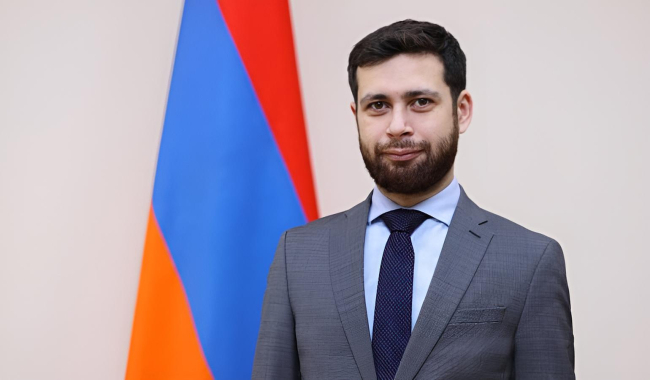
Armenia at the Heart of the Changing Regional and Global Geopolitical Context
At the crossroads of regional dynamics in the South Caucasus and global geopolitical tensions, Armenia faces a necessary strategic repositioning.
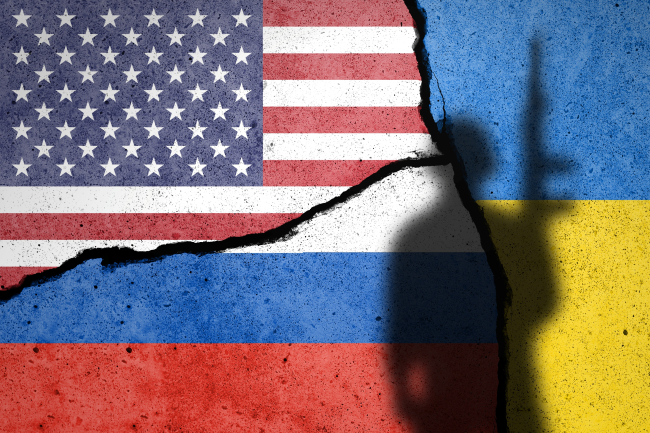
War in Ukraine, continuation or end?
After more than three years, the war in Ukraine knows neither victor nor vanquished. However, the balance of power is gradually being reversed in the triple context of Russia’s resilience, Donald Trump’s arrival in the White House, and the consequent weakening of transatlantic ties.
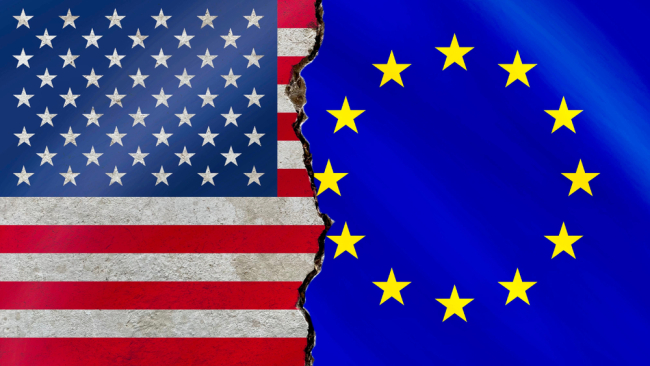
Europe in turbulence: navigating a new world order without the United States?
The foundations of the post-1945 international order, long anchored by U.S. leadership, are shifting. Amid intensifying geopolitical rivalry, democratic backsliding, and strategic fatigue in Washington, the question arises: what if the United States no longer plays its pivotal role in international security? Simultaneously, the Global South is asserting new political and economic agency, complicating the old binaries of West vs. Rest. For Europe, this landscape is both a challenge and an inflection point.
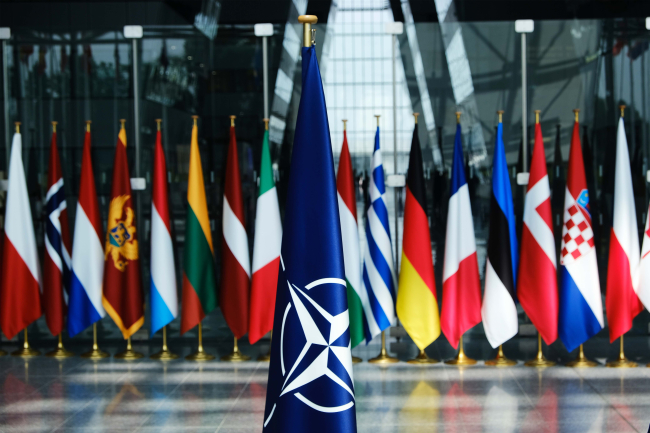
Assessing the Balance of Power between Europe and Russia
The evolving U.S. strategic posture and the intensification of the war in Ukraine are reshaping the security landscape in Europe. This context calls for a clear assessment of the balance of power between Europe and Russia.
Event Series
Brown Bag Seminar Series
The Ambassadors’ Table
Expert Briefings

Executive Chairman’s Events
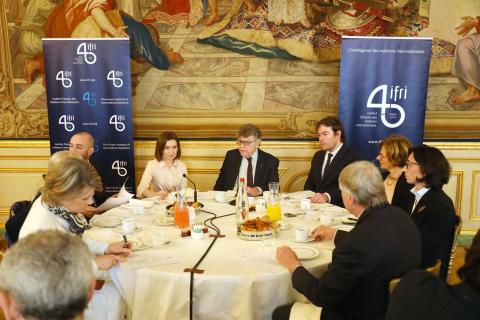
Ifri's Corporate Table

Latest retrospectives
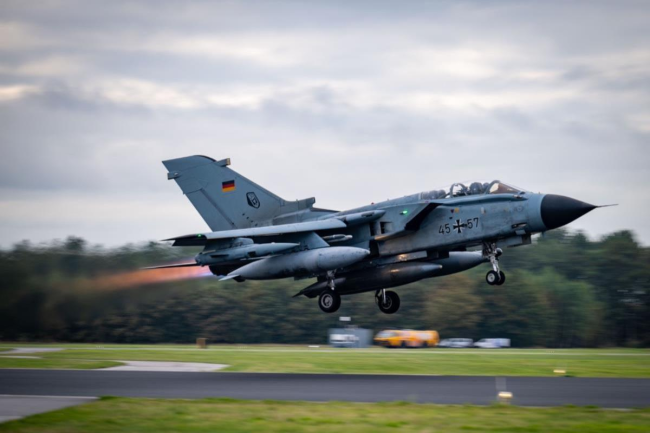
Nuclear Sharing in Europe: A Contested Policy That Endures
Since the end of the Cold War, the number of US nuclear weapons stationed in Europe has fallen more than seventy-fold, yet their presence in Belgium, Germany, Italy, the Netherlands, and Turkey remains a quiet pillar of NATO's deterrence posture. This "nuclear sharing" arrangement, central to the Alliance since its founding, has long been contested by public opinion, political parties, and civil society across Europe, without ever being abandoned by host governments. This paradox lies at the heart of the seminar: why does such an unpopular policy persist?
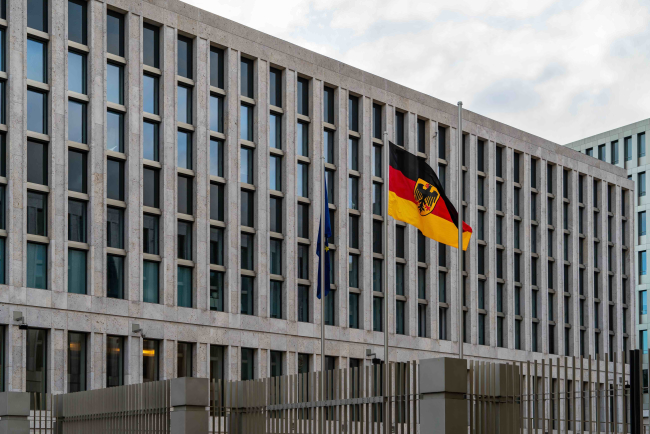
The Role of Intelligence in Political Decision Making
As part of the intelligence-focused BBS, organized in partnership with the Intelligence College in Europe, Ifri welcomes Mr. Philipp Wolff, Coordinator of the German Federal Intelligence services at the Federal Chancellery.
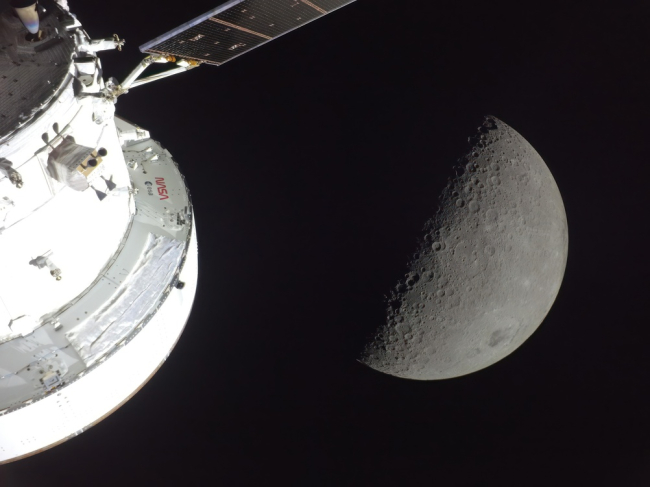
Geopolitical Stakes of the New Moon Race
As the United States, China, and India solidify their lunar ambitions, Europe is still seeking to define its stance: should it be a reliable partner or an autonomous strategic player? This conference will examine the stakes of this new race to the Moon and Europe’s interest in asserting itself as a lunar power through partnerships, industrial ambitions, and whether its participation in the new lunar race serves as a lever for strategic autonomy and internal cohesion, or an illustration of its dependence.
Titre événement en image
Ifri in Pictures
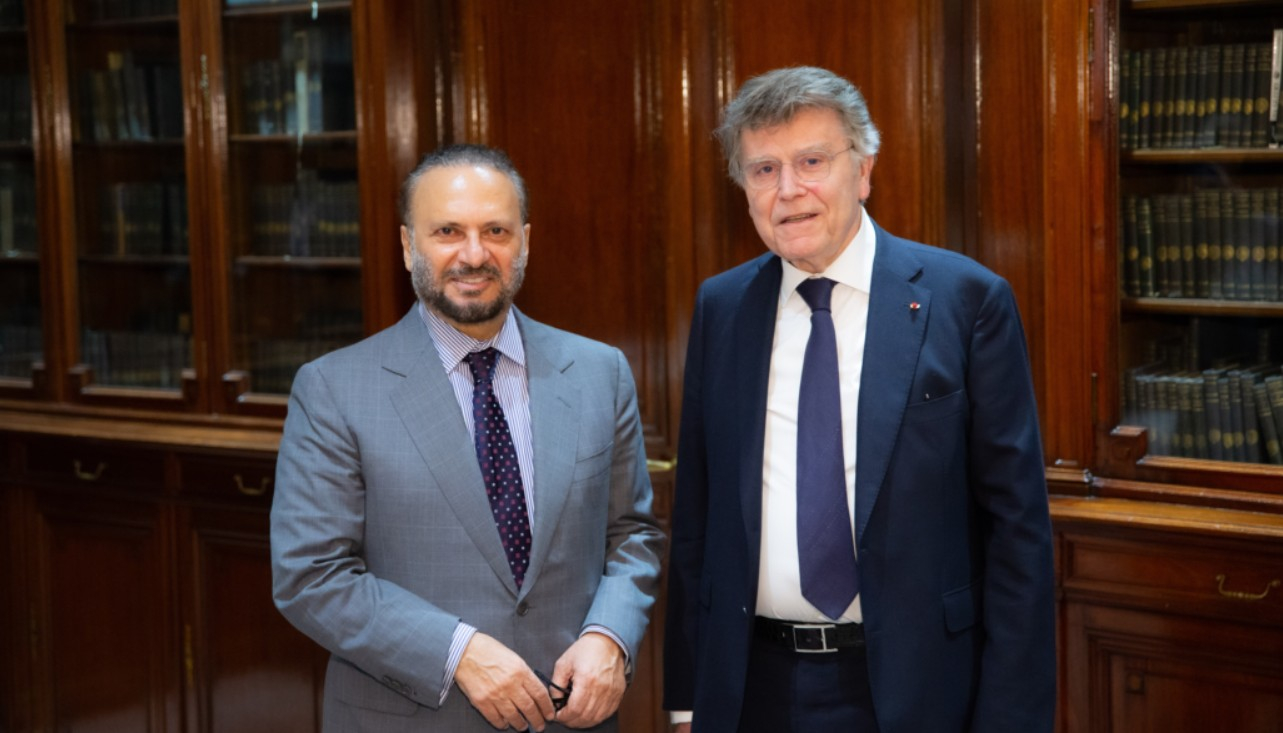
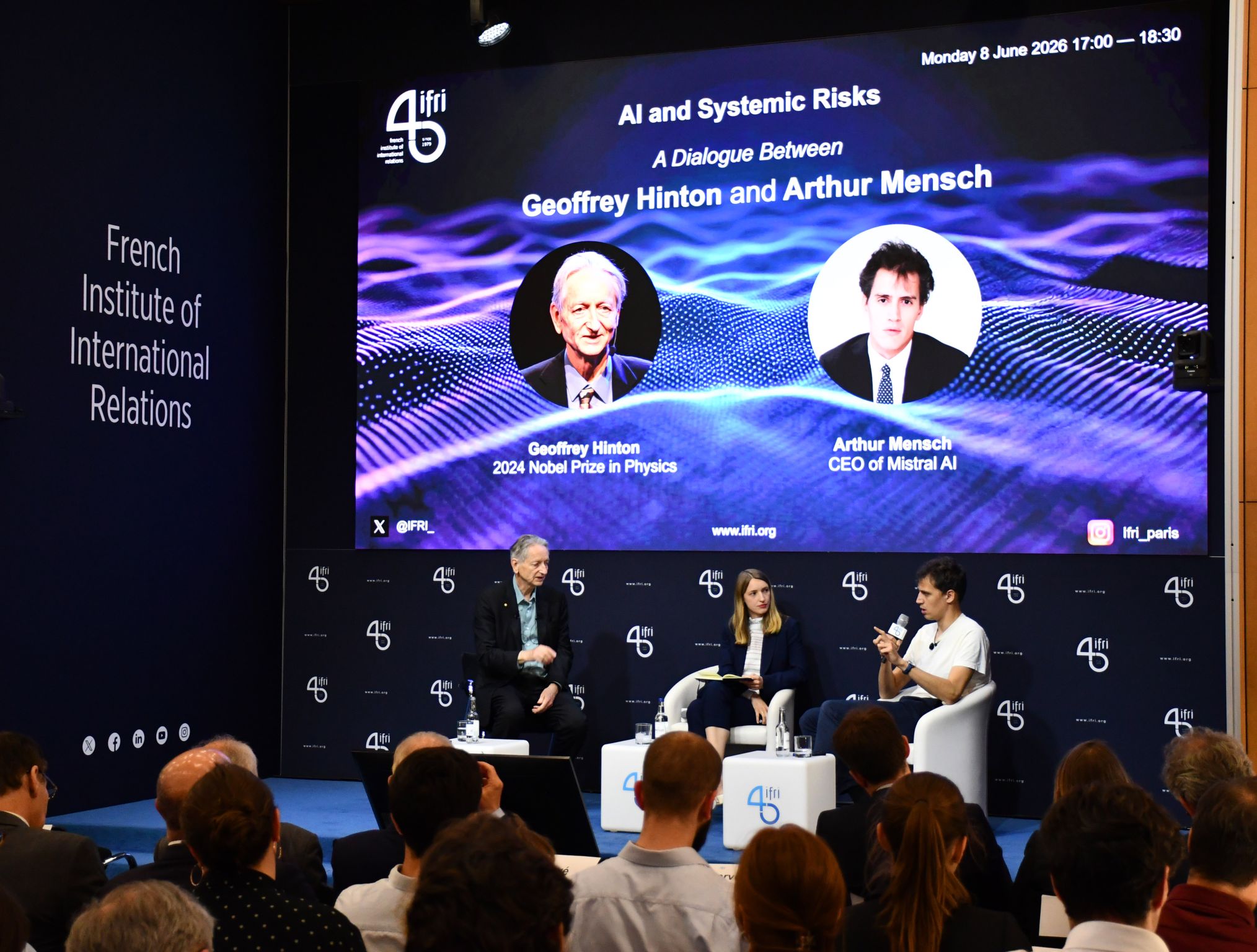
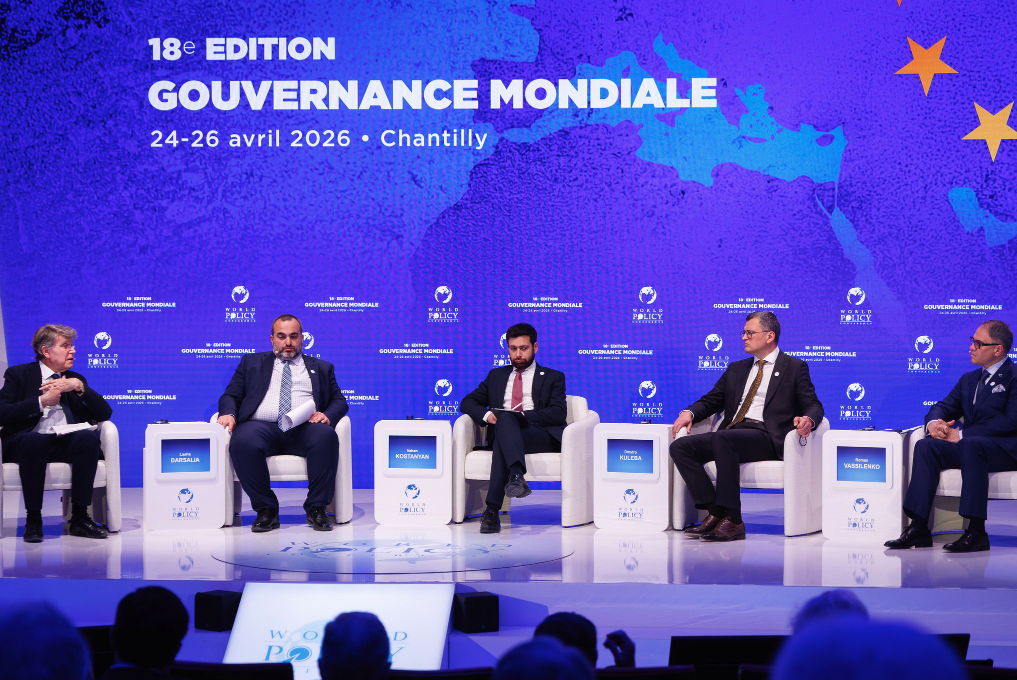
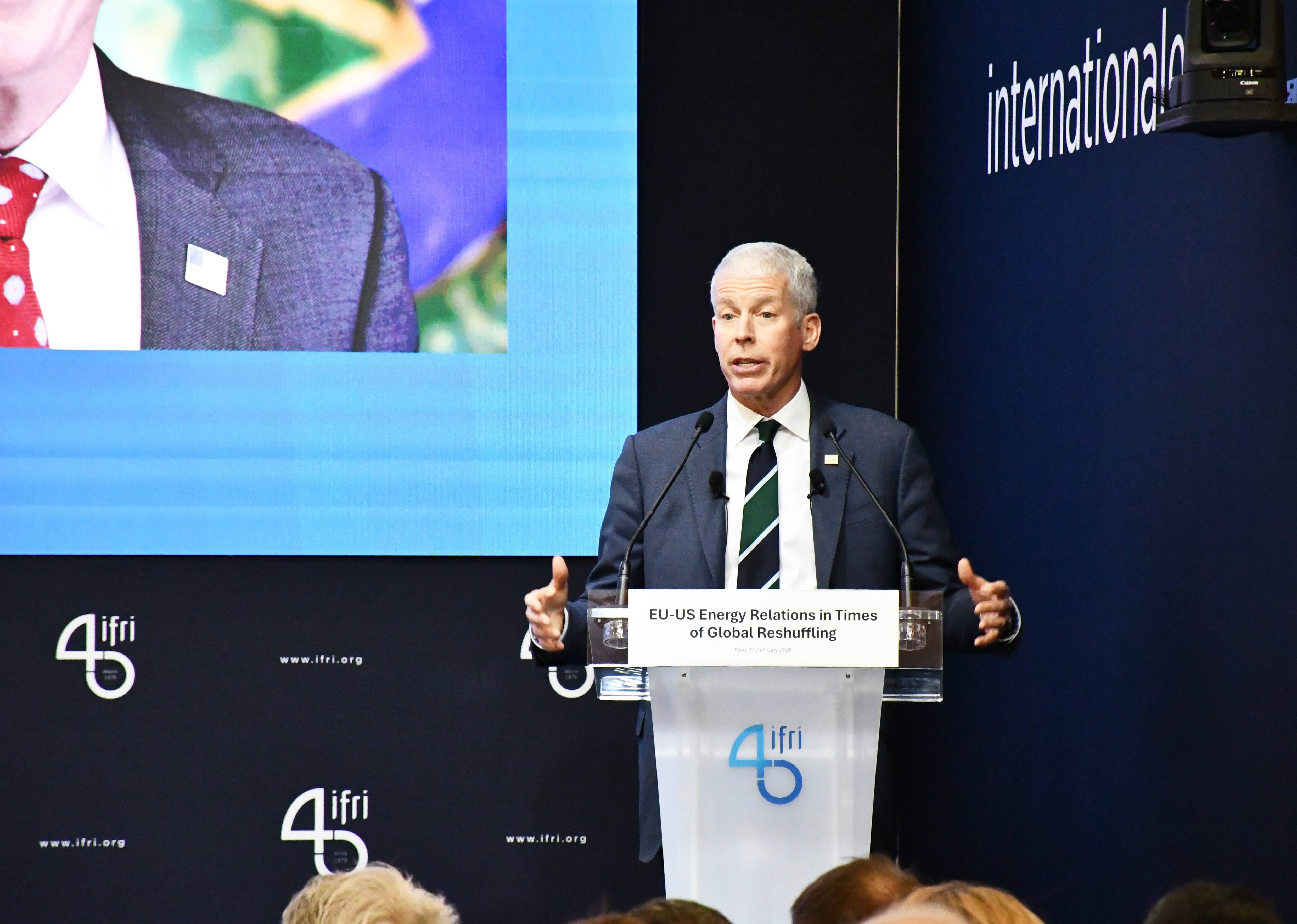
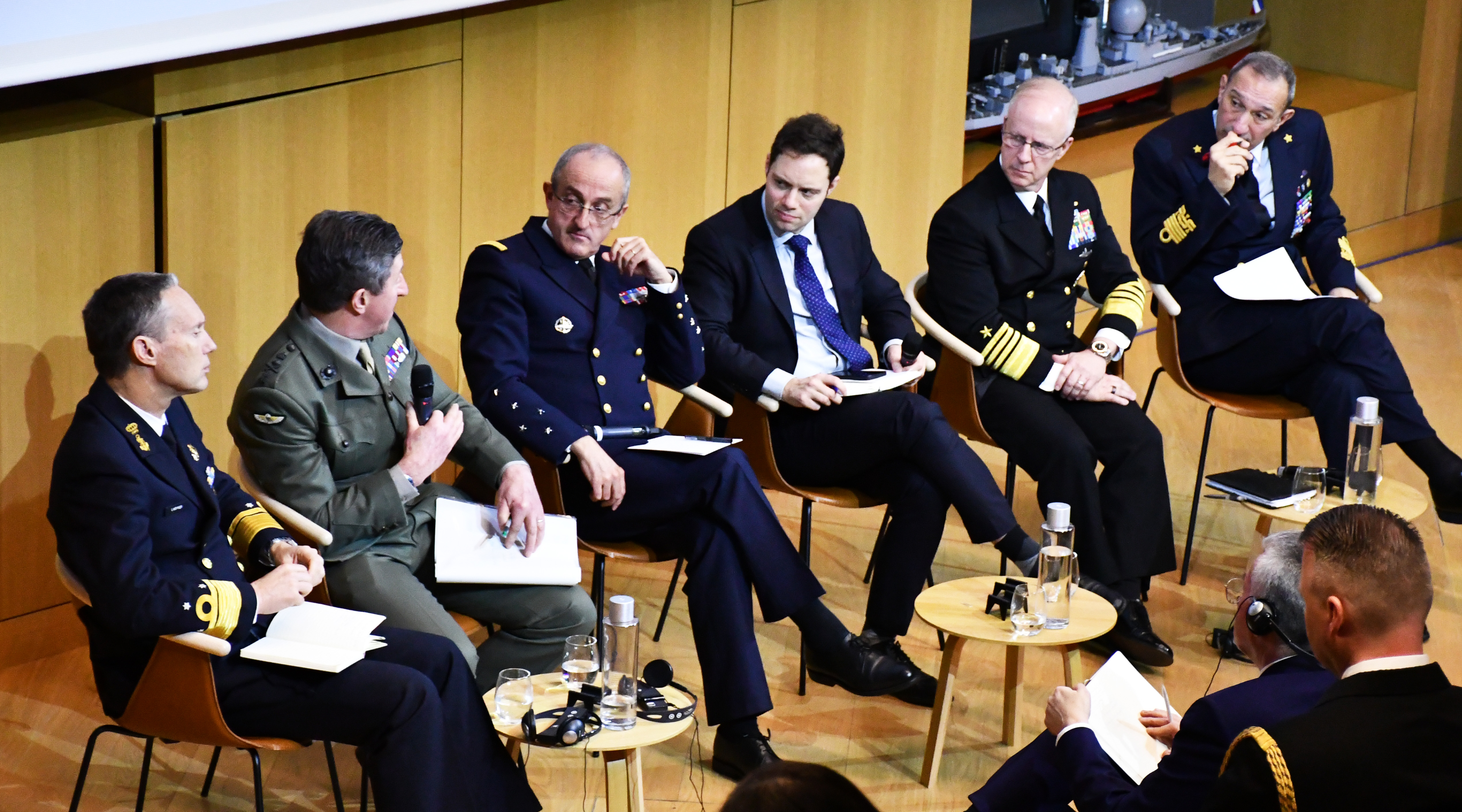
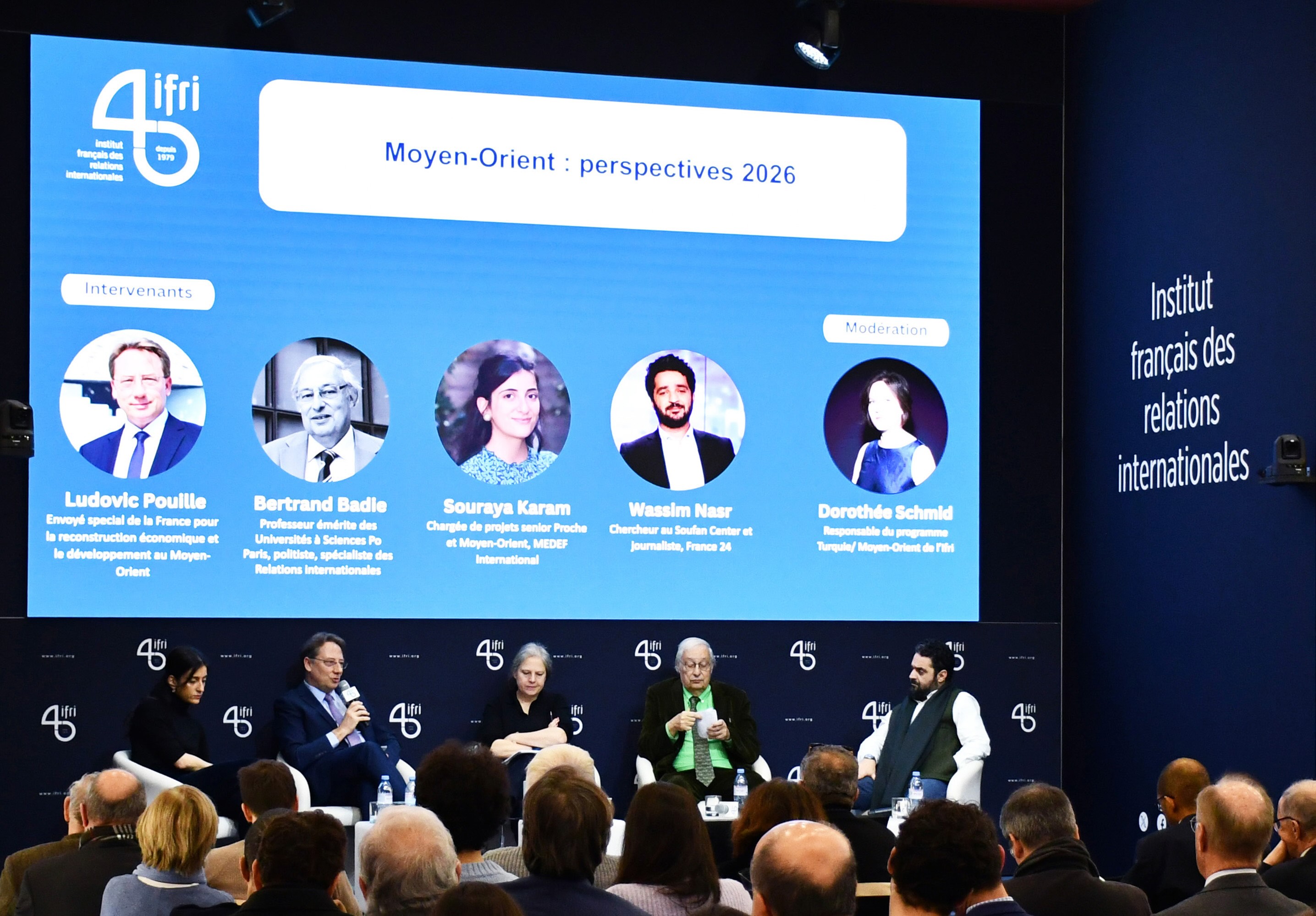
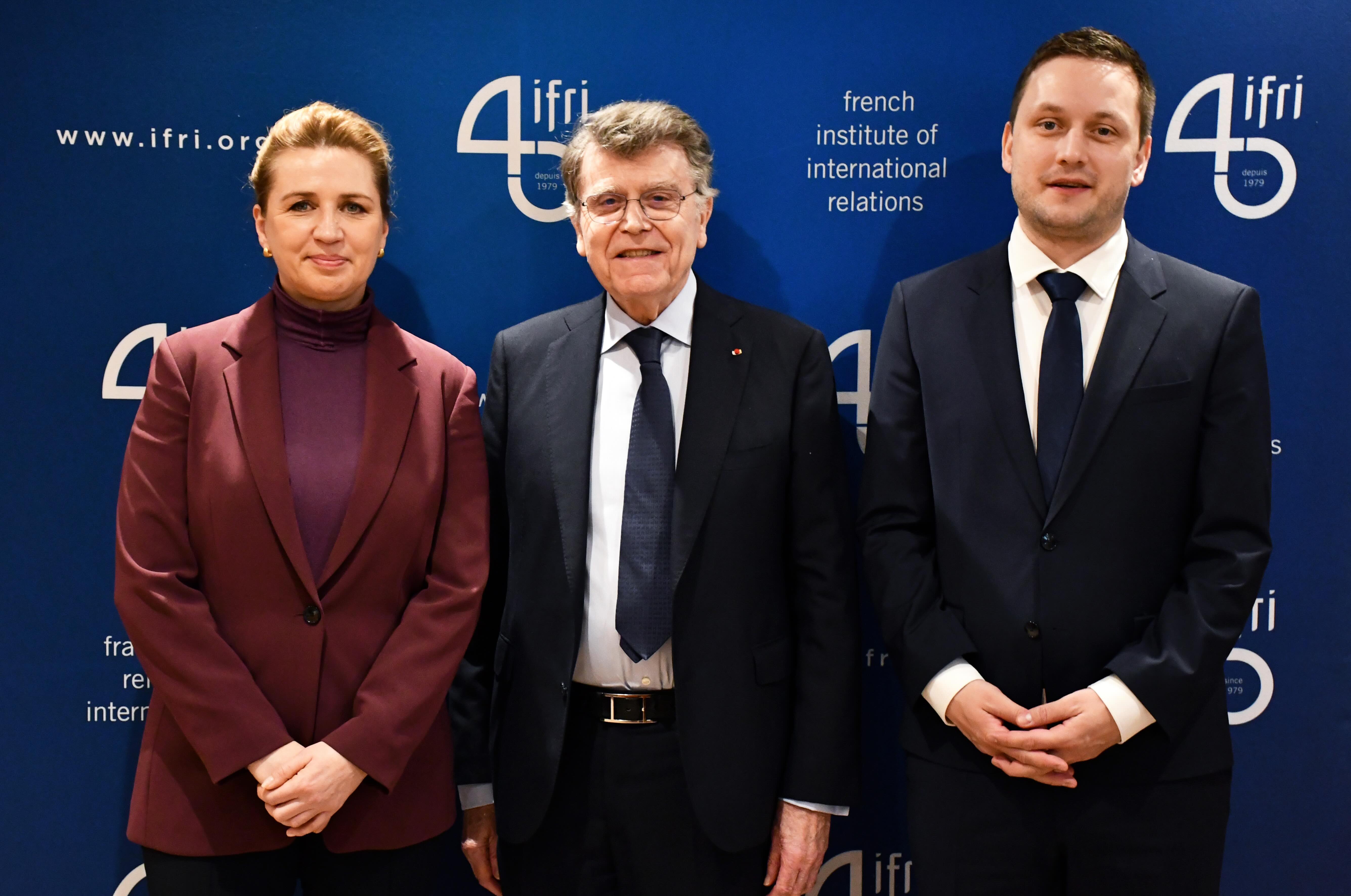
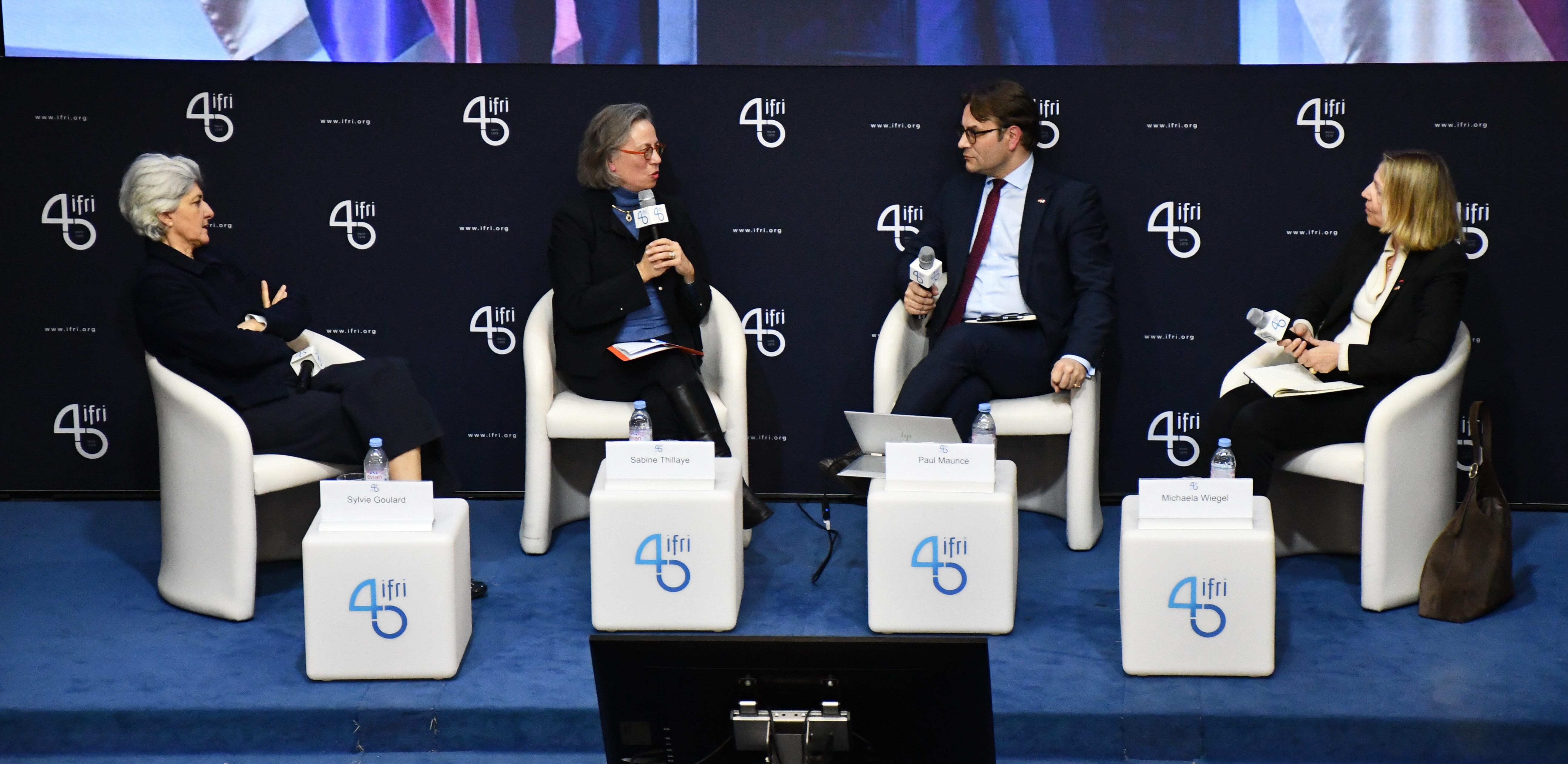
Ifri, a foundation recognized as being of public utility, relies largely on private donors – companies and individuals – to guarantee its sustainability and intellectual independence. Through their funding, donors help maintain the Institute's position among the world's leading think tanks. By benefiting from an internationally recognized network and expertise, donors refine their understanding of geopolitical risk and its consequences on global politics and the economy. In 2026, Ifri partners with over 90 French and international companies and organizations.