


Titre
Events
Filter results
Pourquoi le Japon souffre-t-il plus de la crise que les autres pays ?
Dinner-debate with Christine Lagarde, Minister for the Economy, Finance and Employment
Family Reunion, Regularisation, Co-Development: Is the "European Pact on Immigration and Asylum" still useful?
The heuristic value of the notion of model of integration for international comparative studies
Anglo-French dialogue - "Co-Development: What Objectives? What Principles?"
Anglo-French dialogue - "What is the cost of the non-regularisation of undocumented migrants?"
What is the French model of integration?
Beyond Models of Integration: France, the Netherlands and the Crisis of their National Models
Latest retrospectives
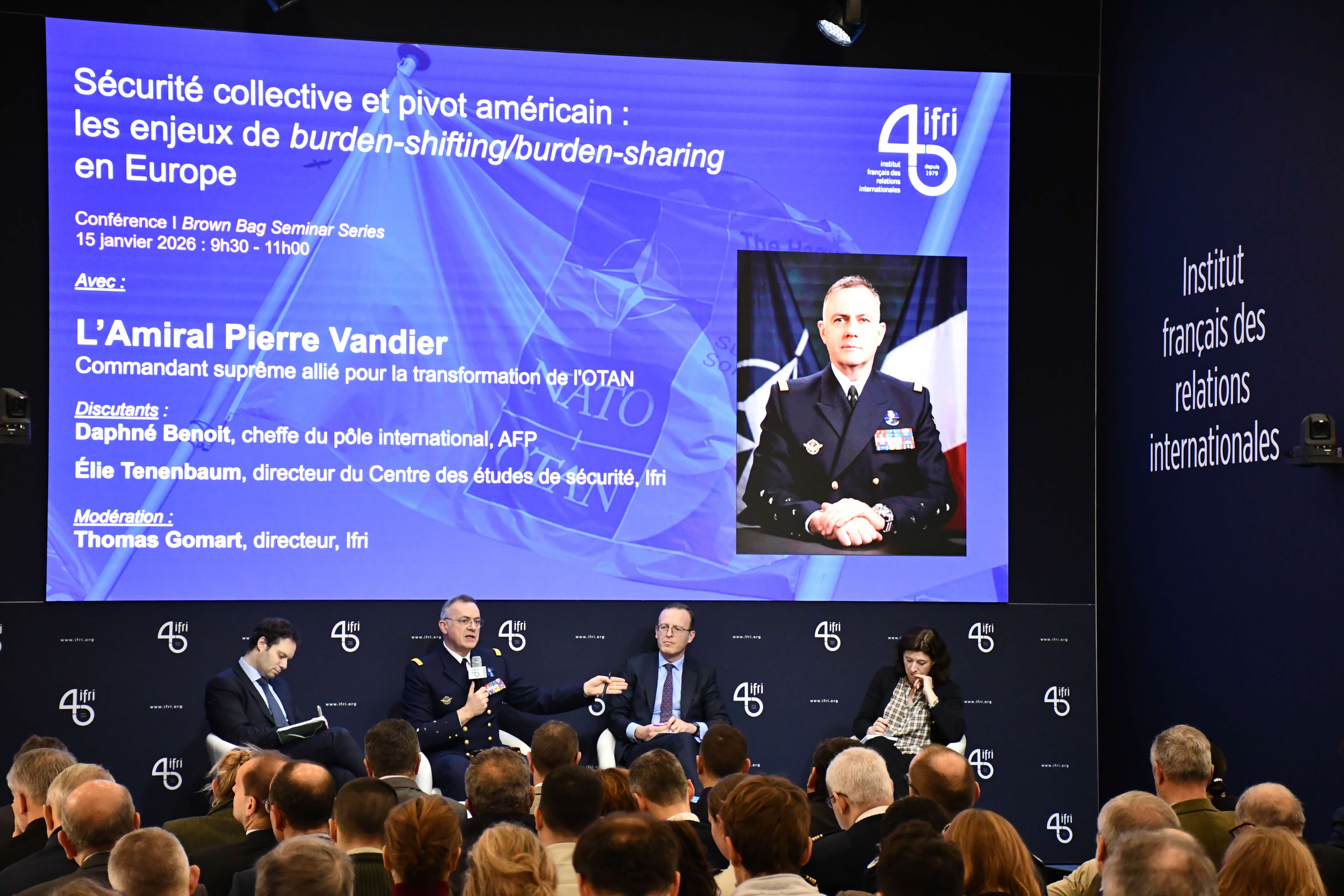
The United States and Europe Adrift: Transatlantic Security in the Trump Era
Against an international backdrop marked by the war in Ukraine, Russia’s emergence as a lasting threat to Europe, and an uncertain U.S. commitment to the Old Continent, questions about the future of the transatlantic relationship are mounting.
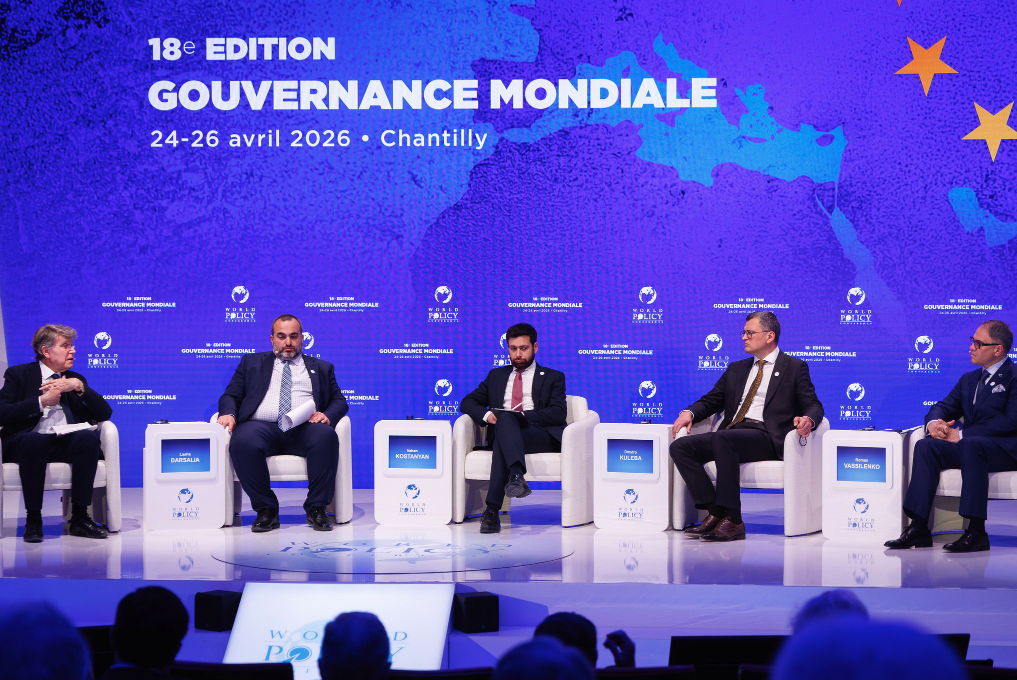
18th Edition of the World Policy Conference, Chantilly, France
Between fragmentation and interdependence: rethinking global governance
Created by Thierry de Montbrial, founder and executive chairman of the French Institute of International Relations (Ifri), the World Policy Conference (WPC) will hold its 18th edition from April 24 to 26, 2026, at Domaine Les Fontaines in Gouvieux, Chantilly.
Conference with Espen Barth Eide, Minister of Foreign Affairs of Norway
Since the invasion of Ukraine by Russia in 2022, Norway has become the European Union’s leading supplier of gas. This position could be further strengthened given the ongoing war in the Middle East.
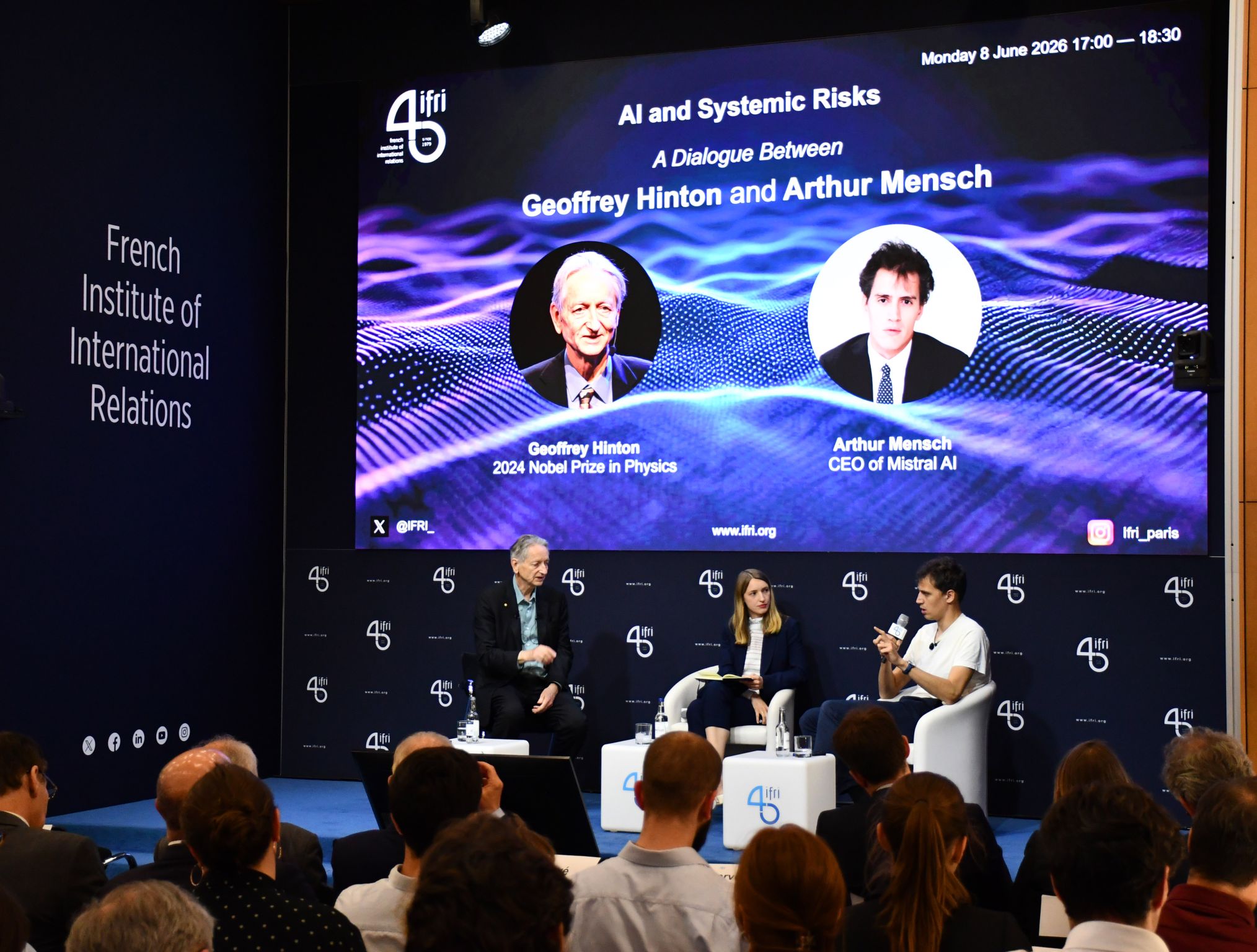
From Signal to Noise, Assessing Nuclear Threats in the Twenty-First Century
The resurgence of crises involving nuclear-armed states, accompanied by increasingly visible military signaling and forceful rhetoric, has renewed concerns about nuclear risk.
The Enlargement of the European Union: A Strategic Choice? France, the Western Balkans and the EU in an Uncertain Geopolitical Context
Russia’s war against Ukraine has brought the enlargement of the European Union back to the centre of European strategic debates. In this context, the Western Balkans have regained heightened visibility in discussions on the continent’s security, at a time when the international environment is marked by a growing number of destabilising factors.
China’s New Five-Year Plan: Accelerated Electrification and Global Clean Tech Export Expansion?
China's energy and clean tech sector developments are continuing to decisively impact the global energy system on the one hand, and to steer the country's economy towards rapid electrification on the other hand.
From Ambition to Action: Exploring Technological Partnerships with India
The 16th EU-India Summit, held on January 27th in New Delhi with European leaders António Costa, Ursula von der Leyen, and Prime Minister Narendra Modi, marks a significant milestone in deepening EU-India relations. At the same time, official bilateral visits from EU member states are on the rise, including that of the French President, who visited India in February to participate in the Artificial Intelligence Summit. As India asserts its technological ambitions and seeks to reduce its dependence on China, Europe is stepping up its efforts to diversify its strategic partnerships.
EV Supply Chains for Japan and Europe: Strengthening Economic Security
Economic security aims to ensure the resilience of supply chains for key industries: the case of electric vehicle production in Japan and Europe will be discussed.
Conference with Chris Wright, Secretary, U.S. Department of Energy
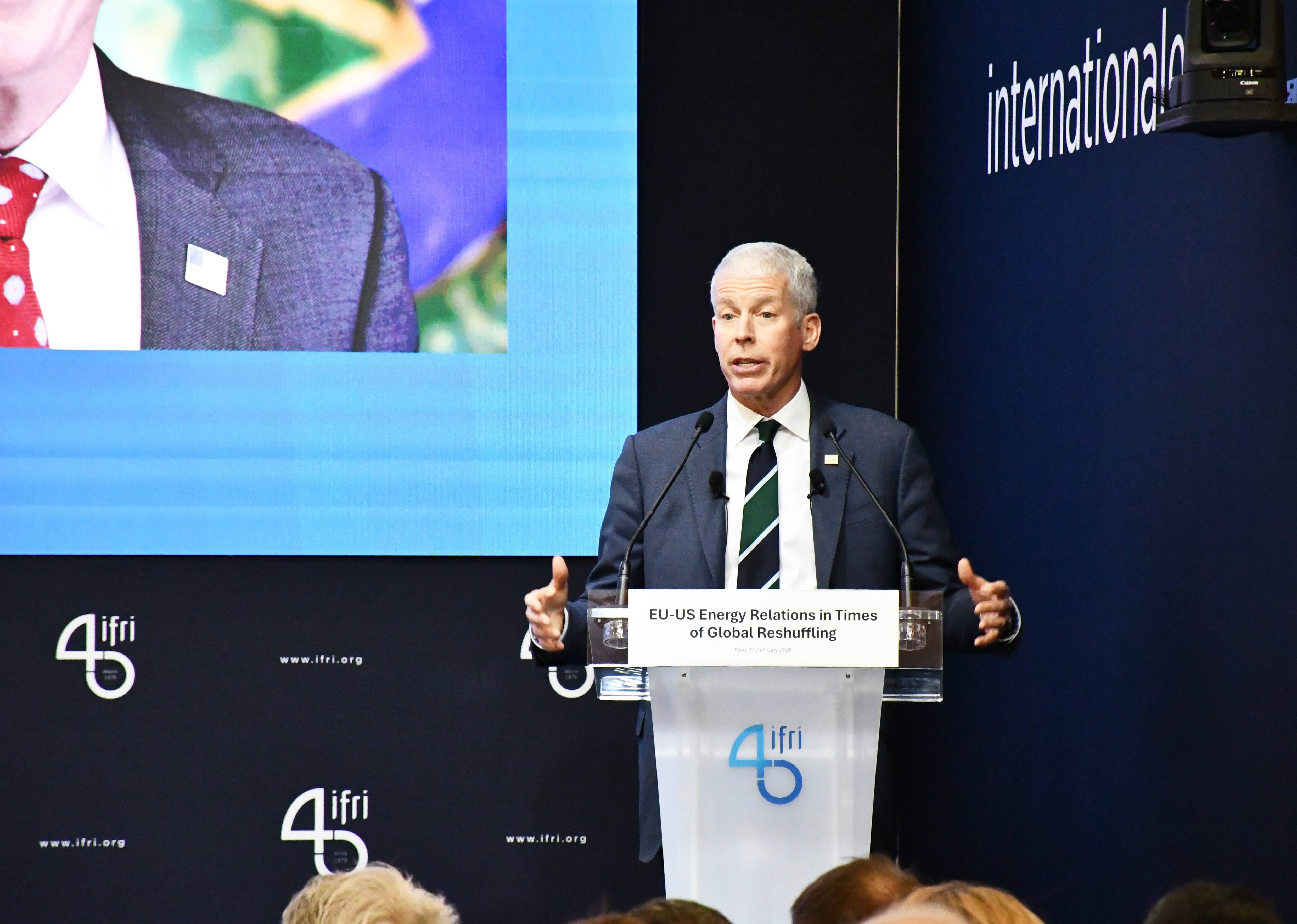
EU-US Energy Relations in Times of Global Reshuffling
The United States aims for global energy dominance and leading in the global IA race, using all available and competitive energy resources, notably natural gas and nuclear.
Is Fusion Coming Faster and Cheaper than Expected?
ITER was for long time the embodiment of fusion as an international, long standing R&D cooperation objective to seek a new way to produce safe, low carbon and abundant low carbon electricity. Yet over past years, fusion start ups, several governments and investors have decided to push fusion R&D and deployment to complement ITER. Major efforts are ongoing notably in the United States, China, Germany, Italy. Most attention has been drawn to the Commonwealth Fusion System, its new technology approach, billions in capital raised, and its ongoing construction of a demonstration fusion machine near Boston and the selection of their first 400MW fusion power plant site in Virginia.
This conference will discuss latest technology developments to generate more energy than consumed and stabilize the fusion process, deployment prospects and policy implications, not least amidst France's G7 presidency.
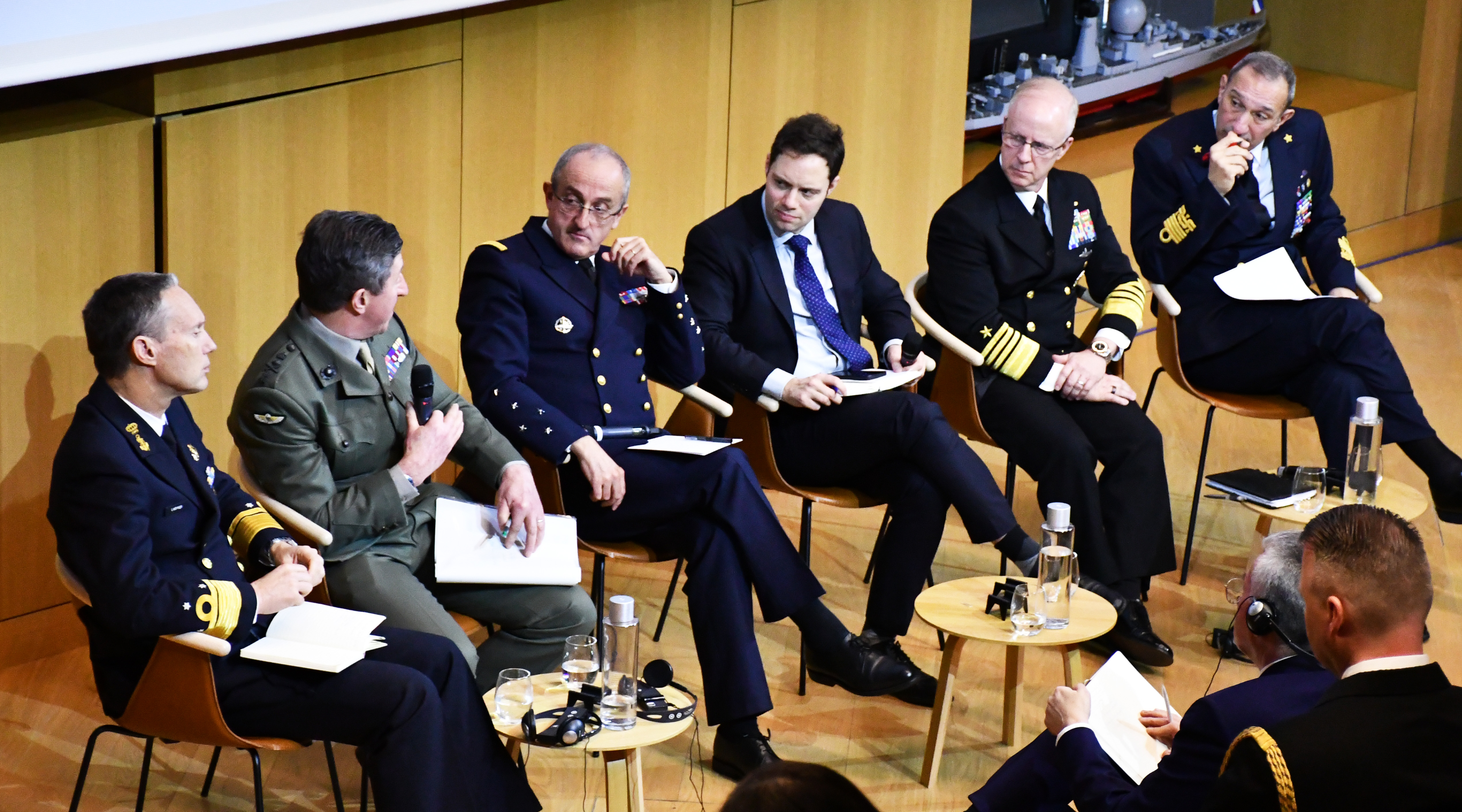
Paris Naval Conference 2026: Naval Rearmament and Operations in Contested Waters
This fourth edition of the Paris Naval Conference (CNP), bringing together high-level military, industrial, and academic speakers, will address the challenges associated with general naval rearmament and naval operations in increasingly contested environments.
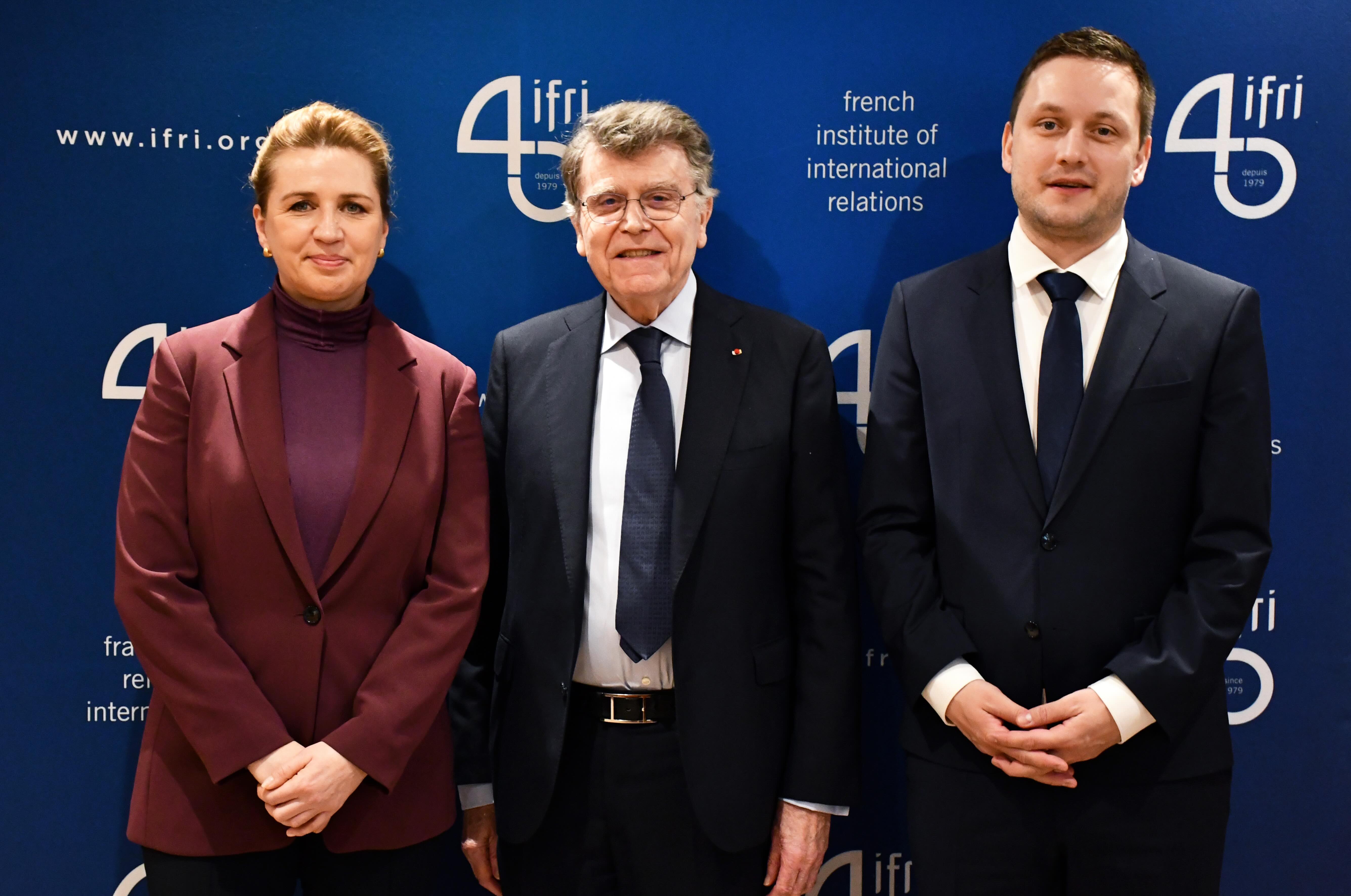
Meeting with Mette Frederiksen, Prime Minister of Denmark, and Jens Frederik Nielsen, Prime Minister of Greenland
On January 28, 2026, Ifri hosted a debate with the Prime Minister of Denmark, Mette Frederiksen, and the Prime Minister of Greenland, Jens Frederik Nielsen. The debate was chaired by Thierry de Montbrial, Executive President of Ifri and a member of the Academy of Moral and Political Sciences.
Paris–Berlin in 2026: What Role for the Franco-German Partnership in a World in Crisis?
The Franco-German Day on January 22nd provides an opportunity to reflect on the capabilities and limitations of the Franco-German engine: is it still able to drive Europe forward, or does it need to recalibrate and rethink its ambitions profoundly?
The New Nuclear Instabilities on the Korean Peninsula
From the growing size and diversification of the North Korean nuclear arsenal, and an open rhetoric in favor of nuclear proliferation in the South because of the loss of credibility of U.S. extended deterrence, the Peninsula is facing raising nuclear tensions.
Georgia's Authoritarian Turn and Its Foreign Policy Implications
The Georgian state is currently undergoing a critical phase of democratic decline, marked by the domination of the Georgian Dream party and an authoritarian drift that is disrupting its political institutions.
German and French Africa Policies in a Multipolar World
The world order is undergoing a profound and accelerating reconfiguration. In this multipolar context, actors such as China, Turkey, Russia, India, and Gulf region countries like the United Arab Emirates or Saudi Arabia, are increasingly asserting themselves as essential strategic partners for the continent. Simultaneously, European states are also seeking to redefine their roles on the continent.
European Strategic Autonomy or New Dependence? Russian Gas, Transatlantic Pressures, and the Green Deal
European energy policy sits at the fault line of geopolitical conflict, climate obligations, and transatlantic bargaining. While Hungary, Slovakia and others remain heavily reliant on Russian gas, the EU has sought to harden its stance through sanctions -most recently with Ursula von der Leyen’s announcement of a ban on Russian LNG imports in the 19th package.
France-Germany, The Engine Under Pressure
Annual Conference of The Study Committe on Franco-German Relations (Cerfa) ─ Faced with a profoundly disrupted strategic and economic environment, Franco-German cooperation is more than ever the central pillar of Europe's future. The war in Ukraine, energy and technological dependence, and uncertainty about the strength of the transatlantic ties require urgent deepening of European sovereignty, both in terms of defence and economic and industrial competitiveness.
Navigating the Taiwan Strait Tensions: Perspectives from Japan, the Philippines, and France
As tensions continue to rise in the Taiwan Strait and discussions grow about hybrid frictions potentially escalating into a kinetic conflict in the coming years, neighboring countries are bracing for impact. Japan and the Philippines would be on the front lines if a crisis were to erupt in the Taiwan Strait.
Europe’s Southern Courtyard and Southeastern Neighborhood: The Greek Perspective (...and what Europe could learn from great European art)
Greece stands at the crossroads of Europe’s southern flank, the Balkans, and the Eastern Mediterranean, a pivotal position for regional security and stability.
Following October 7, 2023: the Eastern Mediterranean under tension
This seminar, co-organized by Ifri, CAPS, and the GCSP, brought together a wide range of international experts to analyze political, security, and economic transformations in the Eastern Mediterranean, two years after October 7.
Strategic Autonomy and Asia amid Rising Geoeconomic Competition
Amid growing strategic and geopolitical uncertainty, Europe is grappling with the notion of its strategic autonomy. For Europe’s partners in Asia, the concept is also becoming increasingly salient as the world enters an era of structural transformation.
The Future of Space Cooperation: Challenges and Opportunities in the Trump II Era
The policy orientations of the Trump II administration profoundly challenge the foundations of international cooperation in space science and exploration. This shift reflects a broader trend of strategic disengagement and weakening of multilateral mechanisms in the space domain.
The Evolution of the U.S. Strategic Posture under Trump's Second Term
The United States’ strategic posture is currently marked by significant uncertainty and contradictory signals.
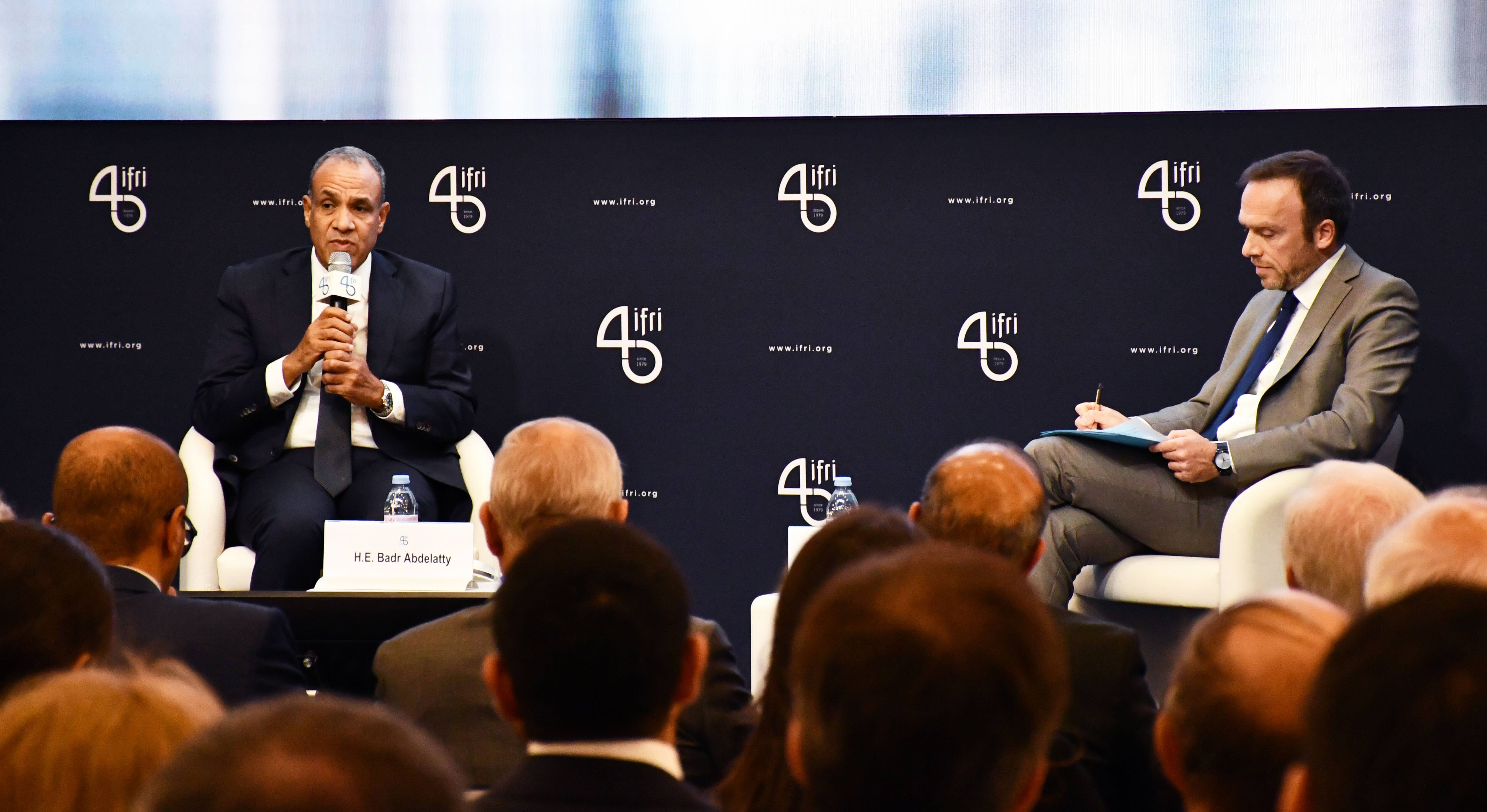
Conference with Badr Abdelatty, Minister of Foreign Affairs of Egypt
Egypt, with a population of over 115 million, is a key state in the Arab world. Its geographical position places it at the heart of regional tensions, which have been particularly heightened since October 7, 2023. Sharing a border with the Gaza Strip, it has been involved in providing humanitarian aid and in negotiating a ceasefire.
The Skills Front in the Global Geoeconomics Battle – Implications for the EU’s Clean Industrial Deal
In the global race for mastering and deploying clean energy technologies, the available and well-trained workforce is a crucial success factor, with China already a green skills superpower: 90% of its energy jobs growth are in the clean energy sector and the country accounts for about 80% of global employment in the batteries sector.
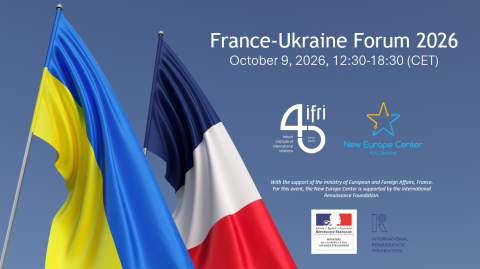
France-Ukraine Forum 2025
Three years after the start of Russia's full-scale war against Ukraine, the France-Ukraine 2025 Forum will welcome politicians, experts, academics, and civil society representatives from both countries to discuss three main topics: Ukraine's current military strategy and strategic perspectives; the country's resilience and recovery; Ukraine's European and transatlantic perspectives, including the EU accession process and its aspirations to join NATO.
Cracking the dilemma of international carbon credits in the EU 2040 target: can EU’s climate action turn geopolitical without losing domestic integrity?
With COP30 just around the corner, and as the EU is debating its 2035 NDC and 2040 targets, EU faces a key strategic dilemma of whether international carbon credits should be included in its 2040 emissions reduction target and if so, under which conditions?
Armenia at the Heart of the Changing Regional and Global Geopolitical Context
At the crossroads of regional dynamics in the South Caucasus and global geopolitical tensions, Armenia faces a necessary strategic repositioning.
War in Ukraine, continuation or end?
After more than three years, the war in Ukraine knows neither victor nor vanquished. However, the balance of power is gradually being reversed in the triple context of Russia’s resilience, Donald Trump’s arrival in the White House, and the consequent weakening of transatlantic ties.
Europe in turbulence: navigating a new world order without the United States?
The foundations of the post-1945 international order, long anchored by U.S. leadership, are shifting. Amid intensifying geopolitical rivalry, democratic backsliding, and strategic fatigue in Washington, the question arises: what if the United States no longer plays its pivotal role in international security? Simultaneously, the Global South is asserting new political and economic agency, complicating the old binaries of West vs. Rest. For Europe, this landscape is both a challenge and an inflection point.
Assessing the Balance of Power between Europe and Russia
The evolving U.S. strategic posture and the intensification of the war in Ukraine are reshaping the security landscape in Europe. This context calls for a clear assessment of the balance of power between Europe and Russia.
The Resurgence of Risk in Turkey
Turkey has entered a new phase of turbulence. The arrest of Istanbul’s mayor, Ekrem İmamoğlu, on March 19, 2025, triggered a broad protest movement, which the main opposition party, the CHP, is attempting to organize. In parallel, the government continues its peace process with the PKK — a development that could profoundly reshape the country’s political landscape. These events, which underscore the fragility of Turkey’s current political balance, are expected to have far-reaching consequences for domestic governance, economic stability, social cohesion, and, by extension, the country’s foreign policy decisions.
Russia, Iran, China, North Korea: The Nuclear Dimension of the Axis of Upheaval
In an international context marked by the resurgence of power rivalries, cooperation between Iran, China, Russia and North Korea is attracting increasing attention.
U.S. Politics: Why Are Democrats Unable to Come Up with a Project?
As President Trump's approval rating stagnates in the polls and with 18 months remaining before the November 2026 midterm elections, why is the Democratic Party unable to offer a credible and compelling alternative to middle-class American voters? On what issues and around which figures could the radical left and the moderate left find common ground by then?
Energy market trajectories amidst global turmoil
2025 is already characterized by the accelerated erosion of the West and global fragmentation on energy and climate policies, security, trade and governance. Ten years after the Paris Agreement, greenhouse gas emissions continue to rise and the United States is once more preparing to exit the global climate governance, while coal has again passed another consumption record in 2024. Yet annual clean sector investments are finally nearing the 2 trillion $ mark, notably driven by energy security and industrial policies.
Debate series "What matters to Germany" The return of the "grand coalition" - What German leadership in an uncertain world?
The new German government, a "grand coalition" likely led by Friedrich Merz, will have to navigate a complex international environment, marked notably by a disruption of transatlantic relations. The Trump administration's attacks on traditional U.S. allies, the rapprochement between Washington and Moscow, as well as the uncertainties surrounding the future of NATO, are shaking the paradigms of German foreign policy.
Doing Politics in African Cities: Actors, Causes and Forms of Urban Social Mobilization
From Maputo to Nairobi and from Lagos to Dakar: recently, African cities have been the theatre of mobilizations by groups of young protesters.
Post-war Europe: How to Redefine a Security Architecture Within a New Transatlantic Framework?
A new European security architecture has to be built. The question is: will this happen with or without Europe? The US President, Donald Trump, who returned to the White House a little more than two months ago, and the President of the Russian Federation, Vladimir Putin, have initiated talks to put an end to the war in Ukraine, with the possibility of Ukraine ceding territory to Russia being raised.
How far are the US going to take into account Ukraine’s interests in potential future peace talks? What does the Trump 2 administration mean for the global rules-based world order? To what extent will the US claim to be a regulatory power and uphold multilateralism?
The Challenges of Franco-German Relations in the Current Geopolitical Context
Discussion with Dr. Johann Wadephul, member of the Bundestag and Vice-Chairman of the CDU/CSU Group in the Bundestag for Foreign Affairs, Defense, the Inter-Parliamentary Conference on the Common Foreign and Security Policy (CFSP) and the Common Security and Defense Policy (CSDP), Council of Europe.
Titre événement en image
Ifri in Pictures
Support independent French research
Ifri, a foundation recognized as being of public utility, relies largely on private donors – companies and individuals – to guarantee its sustainability and intellectual independence. Through their funding, donors help maintain the Institute's position among the world's leading think tanks. By benefiting from an internationally recognized network and expertise, donors refine their understanding of geopolitical risk and its consequences on global politics and the economy. In 2026, Ifri partners with over 90 French and international companies and organizations.