

The Crucial Challenge of Cyberthreats

In this special issue of Foreign Policy devoted to the proceedings of the conference organized by Ifri on April 10, 2019, in the Grand Amphitheater of the Sorbonne, on the occasion of its fortieth anniversary, discover the debate moderated by Marc Hecker between Thomas Gomart and Jean-Louis Gergorin.
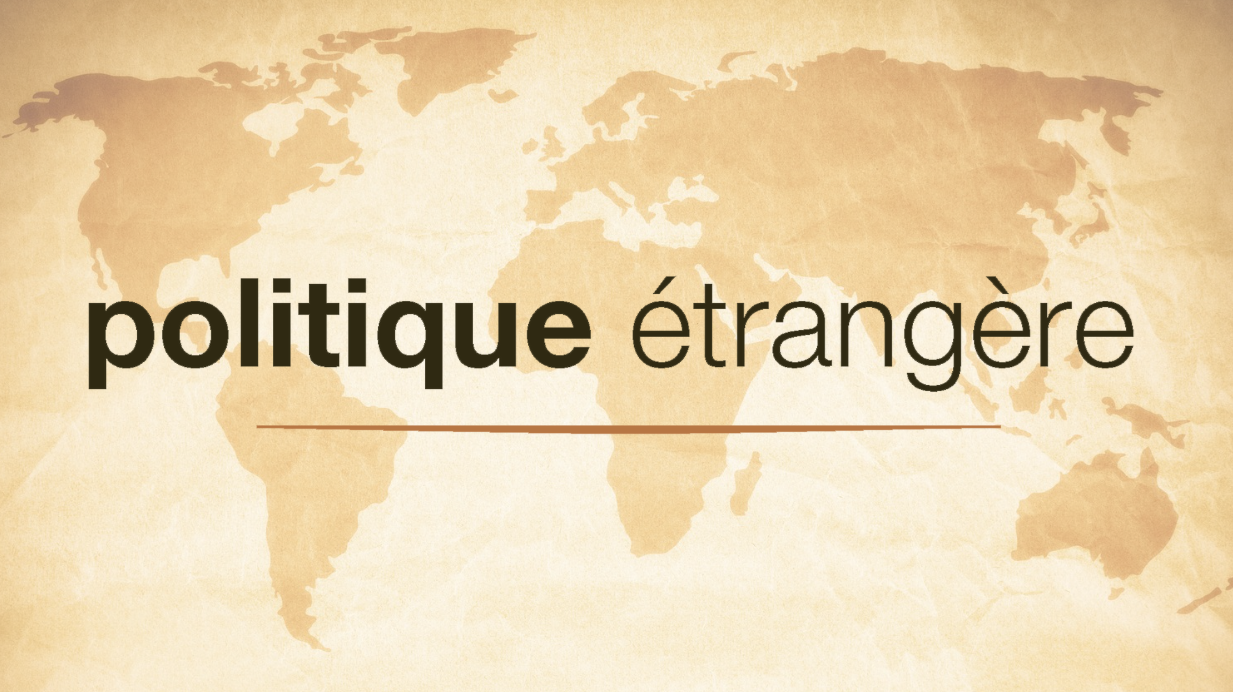
Jean-Louis Gergorin
We are currently witnessing a strategic revolution that I would call a merger between Sun Tzu and Clausewitz, two of the greatest strategic thinkers, with the first one being the most famous in the West. Clausewitz said that war is the continuation of politics by other means, since war is an expression of violence in order to achieve the objectives of control, influence, etc. Sun Tzu simply wrote, 2,500 years ago: “The supreme art of war is to subdue the enemy without fighting”. This is consistent with what Professor Mahbubani said: the Chinese strategy is to win, to prevail by avoiding war. The Chinese have remained loyal to Sun Tzu.
Cyberwar is the fusion of two lines of thought, because it makes it possible to achieve the objectives of control and influence that Clausewitz described, in an attempt to continue politics through non-violent methods – in any event at the start, since, for example, if you cause an air disaster by blocking navigation systems, it becomes very violent. In any event, cyberwar for the most part can be non-violent, and achieve exactly the same control objectives as politics and war, and much more effectively.
What is cyberwar?
Another important thing is to know what we are talking about when we talk about “cyberwar” – and I know that this is not straightforward. Cyberwar is the offensive use of all digital options for control purposes, and this can be done in two major ways. The first is hacking for espionage, sabotage or intimidation purposes – and is currently the most common form.
“Cyberbullying”
We don't talk about “cyberbullying” a lot, but it's definitely important. I will give you three recent examples in chronological order. In May 2018, German cybersecurity officials reported a series of hacks in the energy and electrical systems, attempts that were seemingly foiled. There was no official attribution – that is the policy of BSI, the German cybersecurity agency – but the head of the State Office of the Protection of the Constitution accused Russia, and that has not been denied or confirmed. Second example: the United States' Department of Homeland Security published a well-substantiated report in July 2018 where it revealed that more than four hundred US electrical facilities – distribution and generation – had been subject to penetration without sabotage. The Americans also emphasized that their enemies could have committed sabotage, that they did not, but had shown that they could do it and could return. I am convinced that those who did this – the Americans have clearly attributed the operation to Russian military intelligence, the GRU – wanted to show that, in this period of tension and sanctions, they could act at the center of the US system. […]
Jean-Louis Gergorin, former Director of the Ministry of Foreign Affairs’ Policy Planning Staff (CAP) is co-author of Cyber: La guerre permanente, Paris, Cerf, 2018.
Thomas Gomart is Director of Ifri.
Marc Hecker is Ifri’s Director of Publications.

Available in:
Themes and regions
Share
Download the full analysis
This page contains only a summary of our work. If you would like to have access to all the information from our research on the subject, you can download the full version in PDF format.
The Crucial Challenge of Cyberthreats

Author(s)
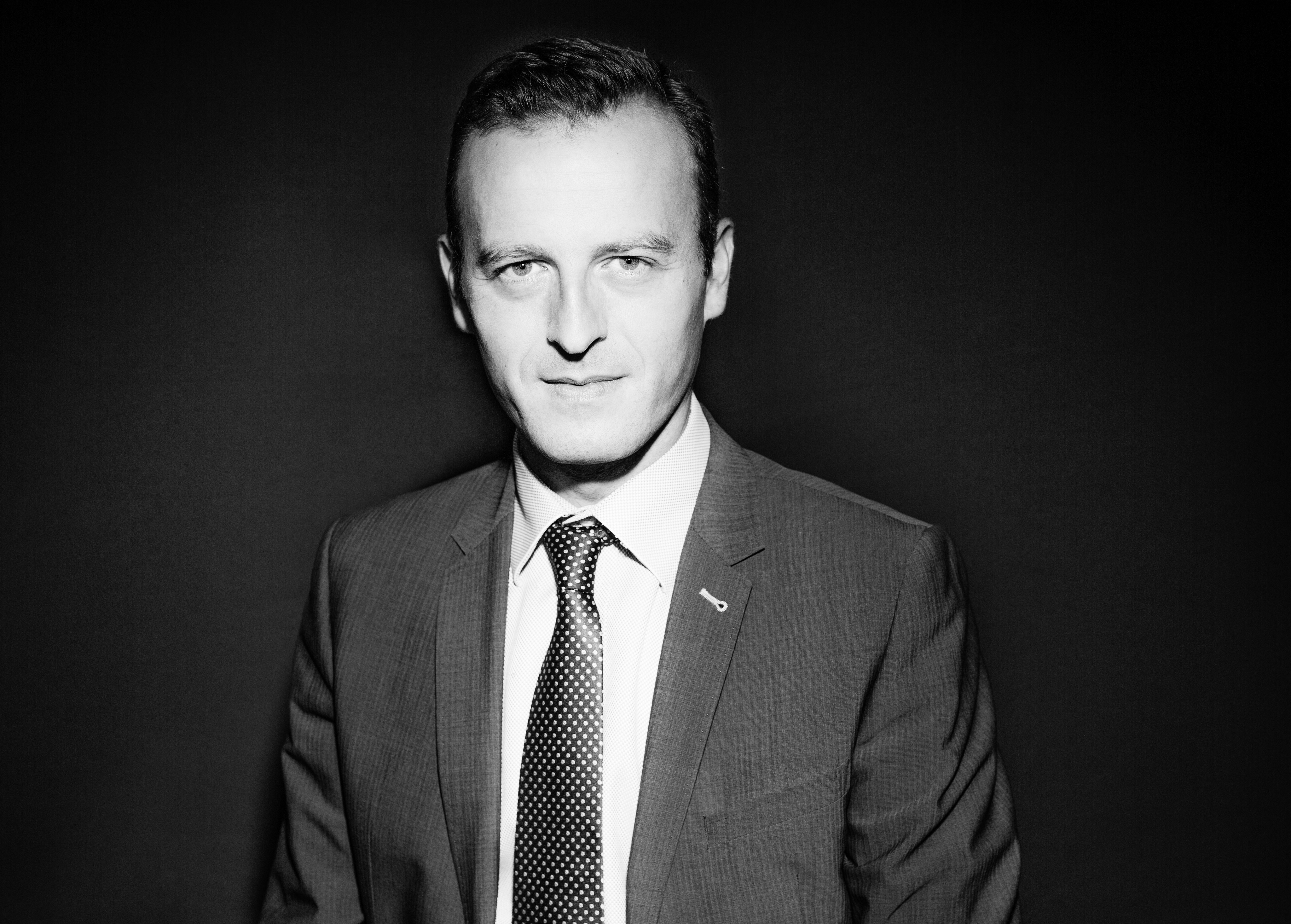
Marc HECKER
Executive Director of Ifri, Editor-in-Chief of Politique étrangère, and Research Fellow at the Security Studies Center, Ifri
Thomas GOMART
Director of Ifri
Find out more
Discover all our analyses
Foreword
In this special issue of Foreign Policy devoted to the proceedings of the conference organized by Ifri on April 10, 2019, in the Grand Amphitheater of the Sorbonne, on the occasion of its fortieth anniversary, read the foreword by Thierry de Montbrial, founder and president of Ifri.
Conclusions
In this special issue of Politique étrangère devoted to the proceedings of the conference organized by Ifri on April 10, 2019, at the Grand Amphitheater of the Sorbonne, on the occasion of its 40th anniversary, read the speech by Jean-Yves Le Drian, French Minister of Europe and Foreign Affairs.
New Global Challenges and European Security
In this special issue of Politique étrangère devoted to the proceedings of the conference organized by Ifri on April 10, 2019, in the Grand Amphitheater of the Sorbonne, on the occasion of its fortieth anniversary, discover the debate moderated by Nicole Gnesotto between Julian King, Jean-Marie Guéhenno, Wolfgang Ischinger, Nathalie Tocci, Hubert Védrine.
Industry Response to New Protectionism
In this special issue of Politique étrangère devoted to the proceedings of the conference organized by Ifri on April 10, 2019, in the Grand Amphitheater of the Sorbonne, on the occasion of its fortieth anniversary, discover the debate moderated by Thierry de Montbrial between Jean-Paul Agon and Patrick Pouyané.