






Infrastructures
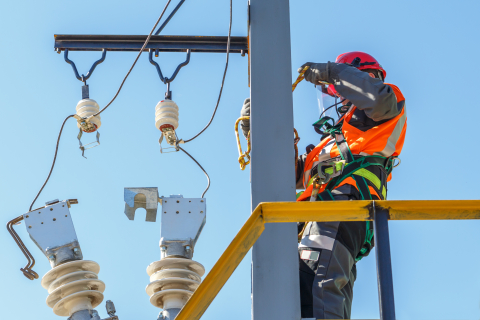
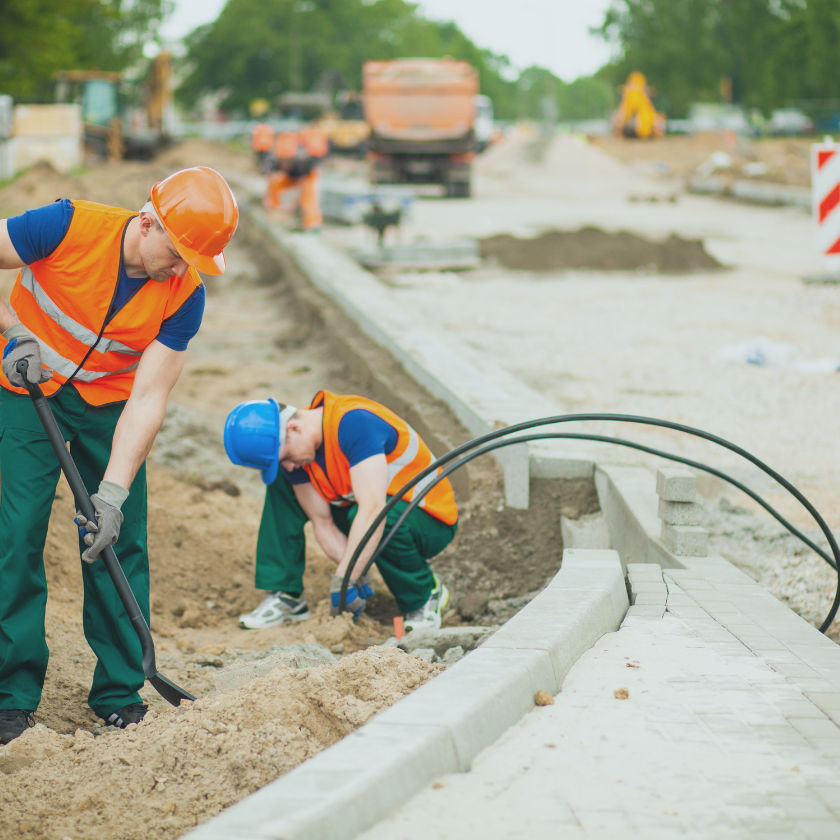
Infrastructure plays a key role in today's international relations: globalization would not have been possible without ports, railroads, roads and airports.
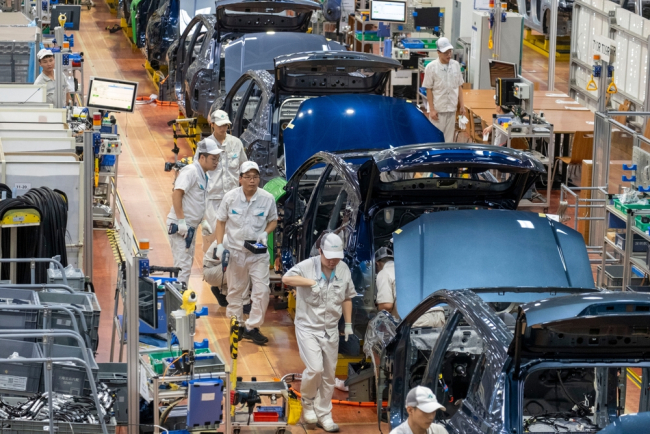
Rethinking Global Imbalances
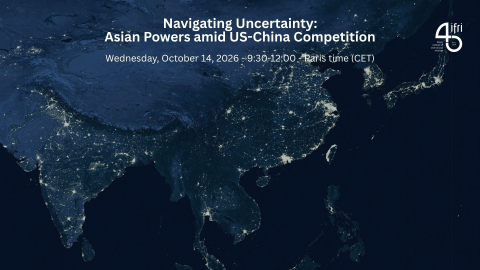
Today’s global imbalances, starting with China's massive trade surplus, are not simply the result of poor macroeconomic coordination. Rather, they reflect long-term strategic thinking and a departure from the bias toward openness on which the postwar trade order was built.

The Transfer Paradox. Rethinking Global Imbalances
Global imbalances have come back to the top of the policy agenda. Many analyses and reports have been produced over recent months. The standard prescription involves better coordination of macroeconomic policies, with three familiar recommendations: higher consumption in China, higher investment in Europe, and fiscal consolidation in the United States.
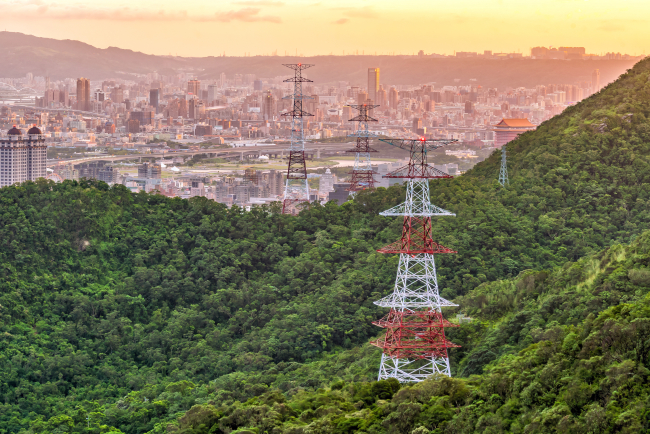
Crisis in the Strait of Hormuz. A Stress Test for Taiwan with Global Implications
The large-scale military operation carried out by the United States (US) and Israel against Iran triggered an Iranian retaliation that resulted in the partial destruction of natural gas liquefaction infrastructure and severe disruption of maritime traffic in the Strait of Hormuz. The economies of East Asia—South Korea, Japan, and Taiwan in particular—are highly exposed to this crisis due to their reliance on liquefied natural gas (LNG) imports for electricity generation.

Global imbalances, industrial policies, and the challenge of surging Chinese trade surpluses
The analysis of global imbalances faces a paradox: while the analytical focus has for decades been on the sustainability of current account deficits, out of concerns about their financial consequences, international political tensions stem mainly from enduring trade surpluses and their industrial impacts. Beyond President Trump’s outbursts, fears about the consequences of China’s trade surpluses are increasingly widespread.
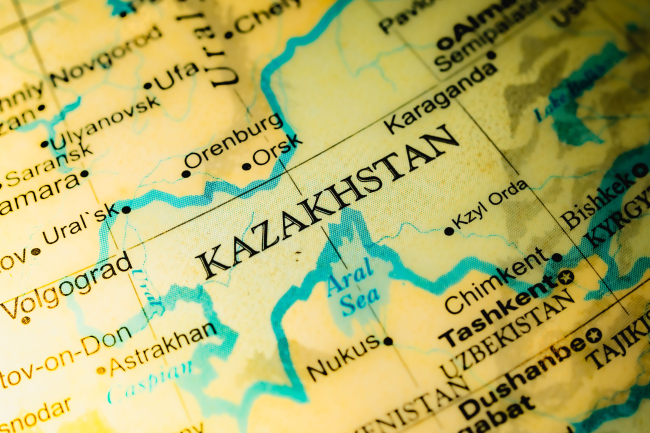
Kazakhstan After the Double Shock of 2022: Political, Economic and Military Consequences
The year 2022 represented a dual shock for Kazakhstan. In January, the country faced its most severe political crisis since independence, followed in February by Russia’s full-scale invasion of Ukraine, which cast uncertainty over the borders of post-Soviet states. These consecutive crises profoundly shaped Kazakhstan’s domestic and foreign policy.
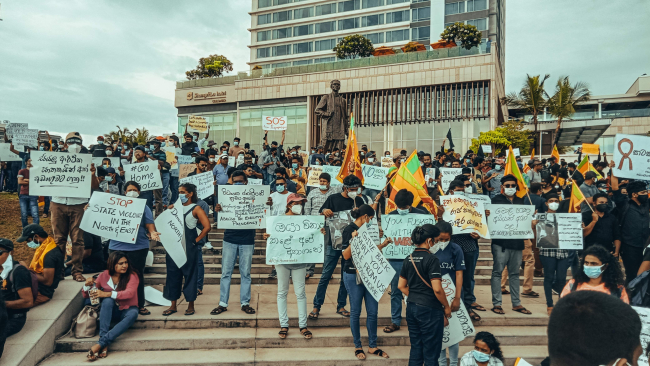
Sri Lanka’s NPP Government. From System Change to Structural Compliance
In September 2024, a relative outsider to Sri Lanka’s two-party-dominated political system, Anura Kumara Dissanayake, won the presidential elections. The anti-establishment, populist movement he represented, the National People’s Power (NPP), went on to receive an overwhelming mandate in the November 2024 general elections, winning 159 seats in a 225-member parliament.

The Global Battle for Control of the Seas Continues to Rage in the 21st Century
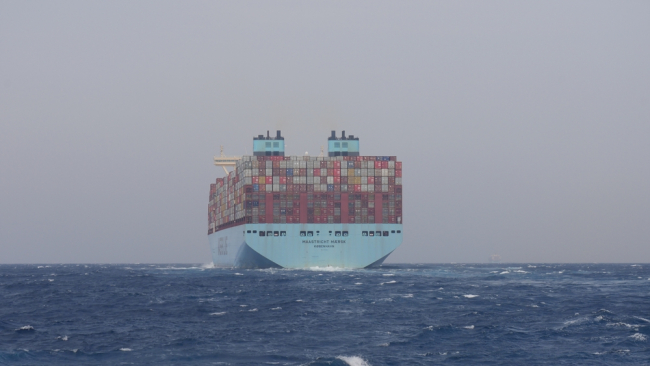
Just as the Greek cities in the Mediterranean did over two thousand years ago, today the United States and China are seeking to control the sea lanes. Europe is watching the ships go by. On July 6, off the coast of Yemen, not far from Djibouti and the Bab al-Mandab Strait, the Greek and Liberian bulk carrier Magic Seas, loaded with fertilizer and steel, sank after being attacked by drone boats and rocket launchers. The next day, the Eternity C, hit by missile fire, sank, killing some of the crew.
The Revenue Sources Sustaining Sudan’s Civil War. Lessons for the year 2023
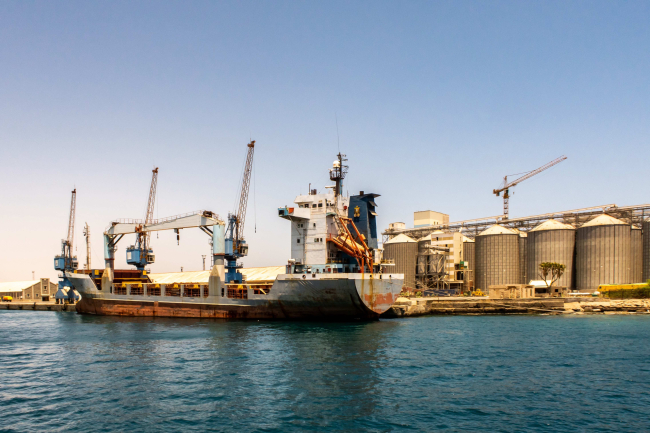
Wars require money and resources, and often, most conflicts involve controlling sources of income and supply lines or denying them to enemies. This has been the case in Sudan’s past conflicts and is again as the civil war—between the Sudan Armed Forces (SAF), commanded by General Abdelfattah al-Burhan, and the paramilitary Rapid Support Forces (RSF), commanded by General Mohammed Hamdan Daglo “Hemedti” —has sunk into a protracted conflict.
The China-led AIIB, a geopolitical tool?
The establishment of the Asian Infrastructure Investment Bank (AIIB) in 2016, on a Chinese initiative, constituted an attempt to bridge the gap in infrastructure financing in Asia. However, it was also perceived in the West as a potential vehicle for China’s geostrategic agendas, fueling the suspicion that the institution might compete rather than align with existing multilateral development banks (MDBs) and impose its own standards.
Understanding Intermediate Cities in Nigeria: The Cases of Ibadan and Abeokuta
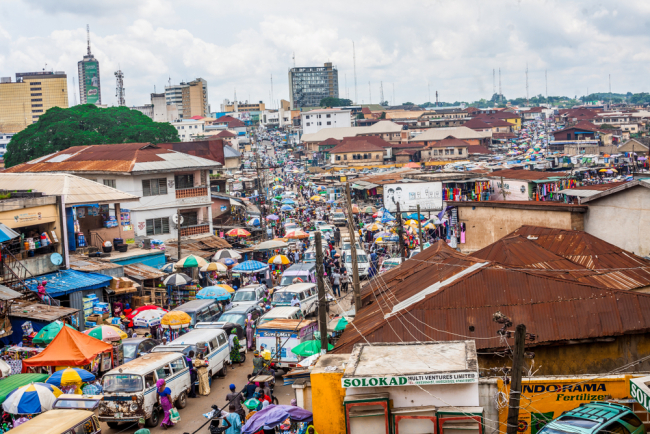
Nigeria is known for its rapid demographic and urban growth.
Global Gateway: Towards a European External Climate Security Strategy?
Transport, energy, water and telecommunications infrastructures are vital for economic development. These infrastructures are also fundamental for the achievement of the 2030 Sustainable Development Goals (SDGs), which have suffered a setback notably due to the Covid-19 pandemic, wars, and weak economic performance. Based on the Global Infrastructure Outlook, the world needs 97 trillion dollars ($) in infrastructure investments (energy, water, airports, ports, rail, road, and telecommunications) over 2016-2040, and based on the current investment trends ($79 trillion over the given period), the cumulative global infrastructure investment gap amounts to $18 trillion.
Decarbonizing European Cities: How to Speed Up and Build Synergies?
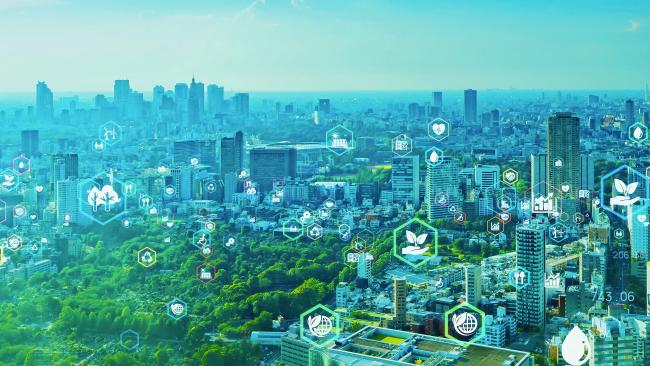
Cities are on the front line for enabling governments to meet their commitments under the Paris Agreement. Although cities occupy only 2% of the earth’s surface, they are home to between 50 and 60% of the world’s population (70% by 2050 according to the United Nations), account for two-thirds of the world’s energy consumption and emit 80% of CO2. As an example, the CO2 emissions of the city of Berlin are equal to those of Croatia, Jordan or the Dominican Republic. New York’s total annual CO2 emissions are roughly equivalent to those of Bangladesh. Yet their central role not only for adaptation, but also mitigation, has been recognized lately.
Can Europe do Without a Geologistical Strategy to Face China?
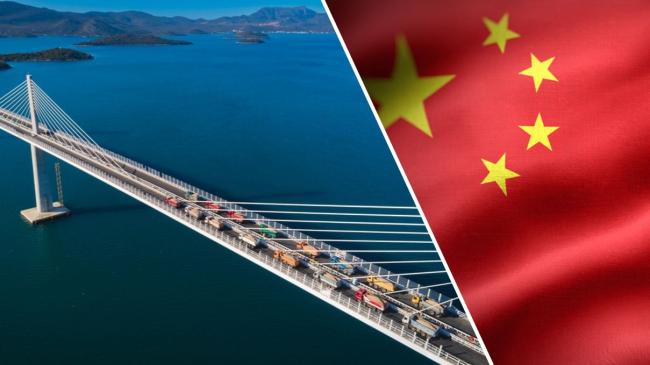
During the economic and financial crisis in 2008, during which the West was severely weakened, the ties between the Western Balkans and China were particularly close. For these countries, turning to China meant to secure new destination markets for their exports and to guarantee new investments.
The Politics of New Cities: Diversification of Actors and Recentralization of State Power in the Case of Diamniadio
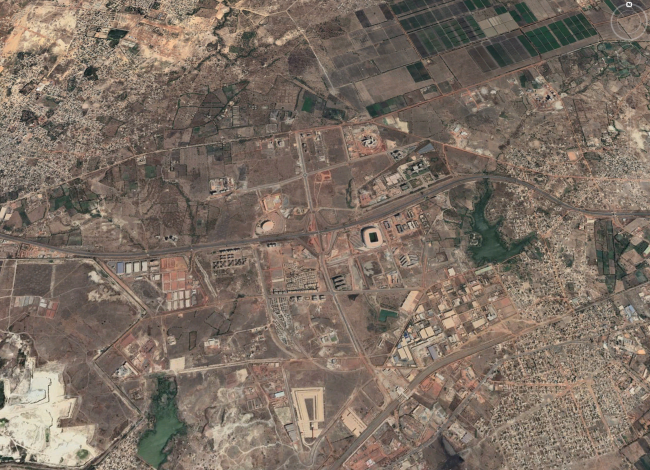
The construction of new cities on the African continent is in vogue. From multifunctional urban hubs to eco-districts, the images that accompany the announcement of these projects promote an African urban future based on modernity and technology.
The Pacific caught in the World Wide Web? Geopolitics of submarine cables in Oceania
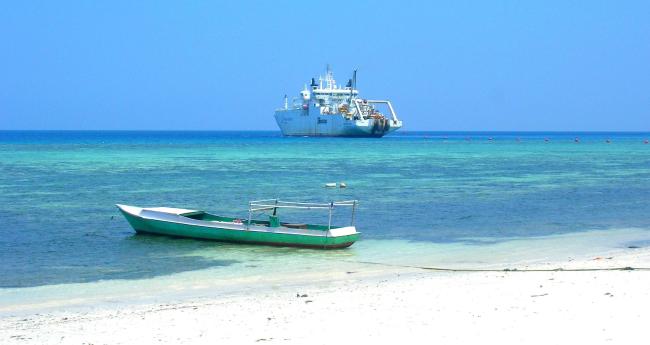
This article provides a review of the digital connectivity of the Pacific Islands nations (Polynesia, Melanesia, and Micronesia) and the main challenges and prospects arising from it, at a time when the submarine cable market is undergoing profound change and a growing politicization of this technology on the international scene.

France and China link up in global infrastructure projects
Paris and Beijing have agreed to build infrastructure projects in Africa, South East Asia and Eastern Europe. But will this help shine light on China’s opaque foreign investments? Or just give the appearance of doing so?

Convince and Coerce: U.S. Interference in Technology Exchanges Between its Allies and China
The tough-on-China policy adopted by the Trump and Biden administrations has – and will increasingly have – important consequences for Washington’s allies, both on their infrastructure choices (5G, submarine cables...) and on their technological exchanges with China.

Governing Cities in Africa. A Panorama of Challenges and Perspectives
By 2050, about 60% of the population of Sub-Saharan Africa will live in urban areas. The governance of the rapid growth of capital and intermediary cities in Africa is one of the priorities of the international development agenda.
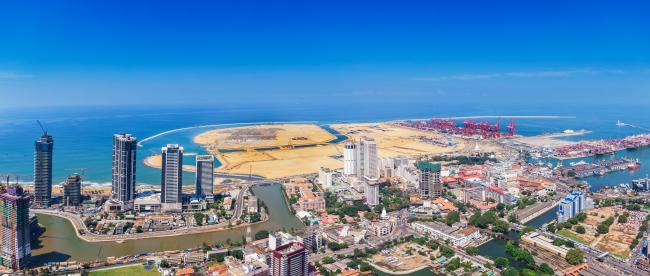
Japan’s Infrastructure Investment in the Indian Ocean: Checking China, Securing the Sea Lanes
In the 2010s, Japan gradually increased economic connections with the Indian Ocean region (IOR) through trade, foreign direct investment, and official development assistance (ODA).
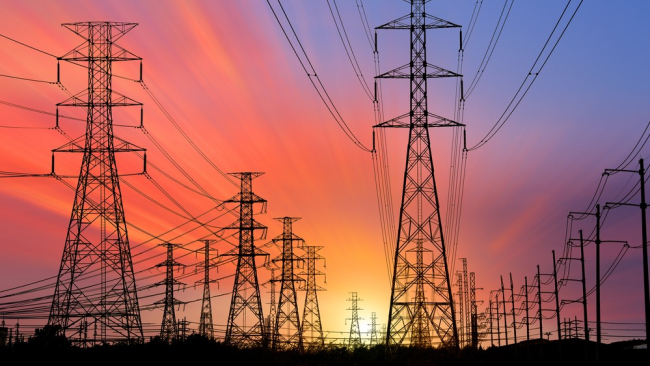
Is the TEN-E Regulation Fit for a Decarbonized Future? A Battle to Shape the European Energy Transition
The European Union’s energy infrastructure policy has become obsolete with the adoption of both the Green Deal and the 2050 climate neutrality target. The ongoing review of the regulation on Trans-European Energy Networks (TEN-E) should lead to an-depth discussion on Europe’s energy transition strategy.
The Transfer Paradox. Rethinking Global Imbalances
Global imbalances have come back to the top of the policy agenda. Many analyses and reports have been produced over recent months. The standard prescription involves better coordination of macroeconomic policies, with three familiar recommendations: higher consumption in China, higher investment in Europe, and fiscal consolidation in the United States.
Crisis in the Strait of Hormuz. A Stress Test for Taiwan with Global Implications
The large-scale military operation carried out by the United States (US) and Israel against Iran triggered an Iranian retaliation that resulted in the partial destruction of natural gas liquefaction infrastructure and severe disruption of maritime traffic in the Strait of Hormuz. The economies of East Asia—South Korea, Japan, and Taiwan in particular—are highly exposed to this crisis due to their reliance on liquefied natural gas (LNG) imports for electricity generation.
Global imbalances, industrial policies, and the challenge of surging Chinese trade surpluses
The analysis of global imbalances faces a paradox: while the analytical focus has for decades been on the sustainability of current account deficits, out of concerns about their financial consequences, international political tensions stem mainly from enduring trade surpluses and their industrial impacts. Beyond President Trump’s outbursts, fears about the consequences of China’s trade surpluses are increasingly widespread.
Kazakhstan After the Double Shock of 2022: Political, Economic and Military Consequences
The year 2022 represented a dual shock for Kazakhstan. In January, the country faced its most severe political crisis since independence, followed in February by Russia’s full-scale invasion of Ukraine, which cast uncertainty over the borders of post-Soviet states. These consecutive crises profoundly shaped Kazakhstan’s domestic and foreign policy.
Sri Lanka’s NPP Government. From System Change to Structural Compliance
In September 2024, a relative outsider to Sri Lanka’s two-party-dominated political system, Anura Kumara Dissanayake, won the presidential elections. The anti-establishment, populist movement he represented, the National People’s Power (NPP), went on to receive an overwhelming mandate in the November 2024 general elections, winning 159 seats in a 225-member parliament.
The Revenue Sources Sustaining Sudan’s Civil War. Lessons for the year 2023
Wars require money and resources, and often, most conflicts involve controlling sources of income and supply lines or denying them to enemies. This has been the case in Sudan’s past conflicts and is again as the civil war—between the Sudan Armed Forces (SAF), commanded by General Abdelfattah al-Burhan, and the paramilitary Rapid Support Forces (RSF), commanded by General Mohammed Hamdan Daglo “Hemedti” —has sunk into a protracted conflict.
The China-led AIIB, a geopolitical tool?
The establishment of the Asian Infrastructure Investment Bank (AIIB) in 2016, on a Chinese initiative, constituted an attempt to bridge the gap in infrastructure financing in Asia. However, it was also perceived in the West as a potential vehicle for China’s geostrategic agendas, fueling the suspicion that the institution might compete rather than align with existing multilateral development banks (MDBs) and impose its own standards.
Understanding Intermediate Cities in Nigeria: The Cases of Ibadan and Abeokuta
Nigeria is known for its rapid demographic and urban growth.
Decarbonizing European Cities: How to Speed Up and Build Synergies?
Cities are on the front line for enabling governments to meet their commitments under the Paris Agreement. Although cities occupy only 2% of the earth’s surface, they are home to between 50 and 60% of the world’s population (70% by 2050 according to the United Nations), account for two-thirds of the world’s energy consumption and emit 80% of CO2. As an example, the CO2 emissions of the city of Berlin are equal to those of Croatia, Jordan or the Dominican Republic. New York’s total annual CO2 emissions are roughly equivalent to those of Bangladesh. Yet their central role not only for adaptation, but also mitigation, has been recognized lately.
Is the TEN-E Regulation Fit for a Decarbonized Future? A Battle to Shape the European Energy Transition
The European Union’s energy infrastructure policy has become obsolete with the adoption of both the Green Deal and the 2050 climate neutrality target. The ongoing review of the regulation on Trans-European Energy Networks (TEN-E) should lead to an-depth discussion on Europe’s energy transition strategy.
Rethinking Global Imbalances
Today’s global imbalances, starting with China's massive trade surplus, are not simply the result of poor macroeconomic coordination. Rather, they reflect long-term strategic thinking and a departure from the bias toward openness on which the postwar trade order was built.
The Global Battle for Control of the Seas Continues to Rage in the 21st Century
Just as the Greek cities in the Mediterranean did over two thousand years ago, today the United States and China are seeking to control the sea lanes. Europe is watching the ships go by. On July 6, off the coast of Yemen, not far from Djibouti and the Bab al-Mandab Strait, the Greek and Liberian bulk carrier Magic Seas, loaded with fertilizer and steel, sank after being attacked by drone boats and rocket launchers. The next day, the Eternity C, hit by missile fire, sank, killing some of the crew.
France and China link up in global infrastructure projects
Paris and Beijing have agreed to build infrastructure projects in Africa, South East Asia and Eastern Europe. But will this help shine light on China’s opaque foreign investments? Or just give the appearance of doing so?

World’s Rich Nations Jostle to Lead Globalization Clubhouse
The race to fill a role at the heart of world economic policy making is turning into a new battleground for the future of globalization.
Ifri, a foundation recognized as being of public utility, relies largely on private donors – companies and individuals – to guarantee its sustainability and intellectual independence. Through their funding, donors help maintain the Institute's position among the world's leading think tanks. By benefiting from an internationally recognized network and expertise, donors refine their understanding of geopolitical risk and its consequences on global politics and the economy. In 2026, Ifri partners with over 90 French and international companies and organizations.


To analyze the impact of power rivalries and tensions on globalization, this initiative combines economic and political expertise. In the face of growing geopolitical risk, the goal is to decipher the dynamics of reconfiguration: protectionist pressures, sanctions, restrictions, industrial policies, and economic security concerns are redefining the rules of international trade. These tensions are also transforming international financial relations by undermining the foundations of trust and reshaping the global monetary system. They raise questions about the role of several key players: sovereign wealth funds, central banks, digital platforms, multilateral institutions, and financial infrastructure operators. In a context of profound disruption, simply refining existing approaches is no longer sufficient. The initiative is designed as a flexible model, drawing on diverse expertise to offer both broad overviews and targeted analyses. It also provides a platform for stakeholders and experts from various backgrounds to debate these issues freely.