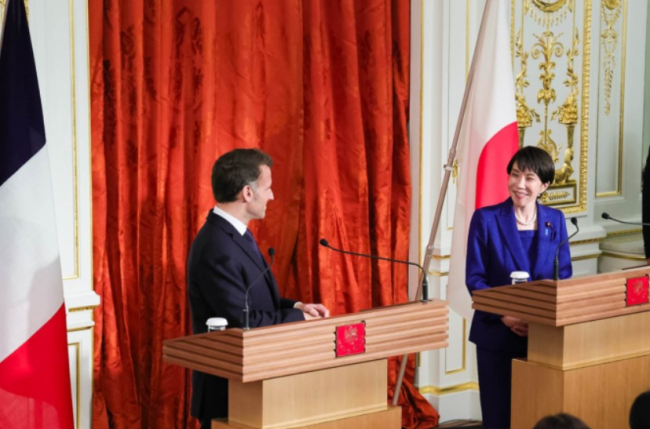
Emmanuel Macron in Japan and South Korea: A Historic Opportunity for Euro-Asian Rapprochement
President Emmanuel Macron is touring Japan and South Korea at a time when the interests of these three countries have never been more aligned, and more broadly between Europe and East Asian democracies.
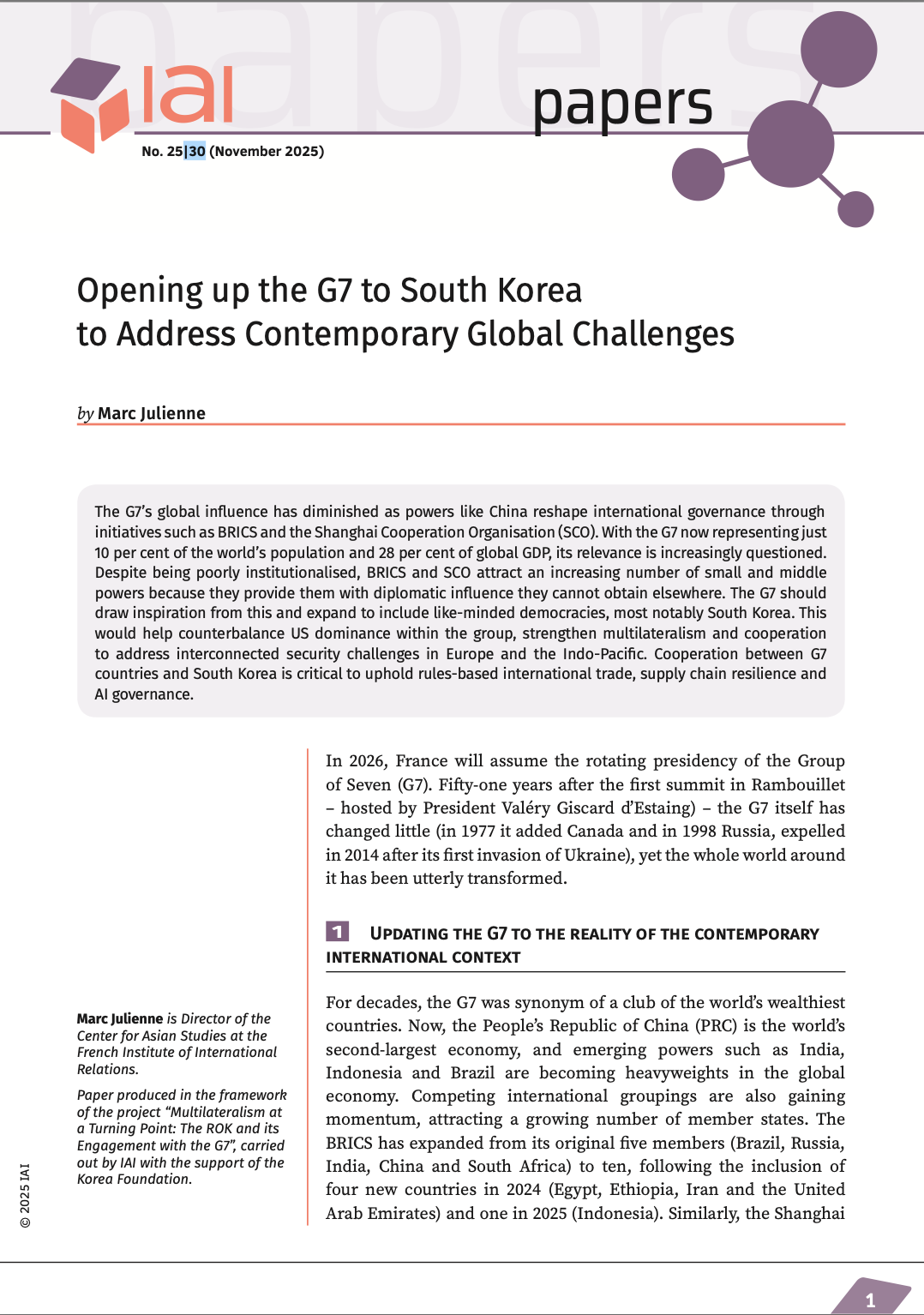
Opening up the G7 to South Korea to Address Contemporary Global Challenges
The G7’s global influence has diminished as powers like China reshape international governance through initiatives such as BRICS and the Shanghai Cooperation Organisation (SCO). With the G7 now representing just 10 per cent of the world’s population and 28 per cent of global GDP, its relevance is increasingly questioned.
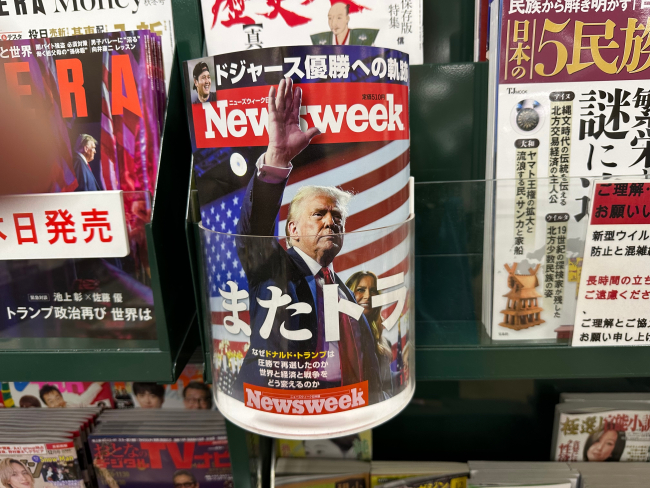
The Indo-Pacific and Trump II. In Uncle Sam’s brutal embrace
In this collective analysis, the research team of the Center for Asian Studies presents a synthetic and non-exhaustive assessment of the relations taking shape between the United States under the Trump II administration and some of the main players in the Indo-Pacific.
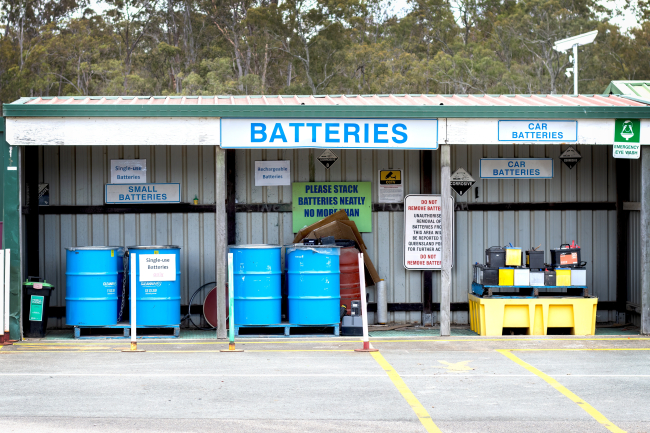
Europe’s Black Mass Evasion: From Black Box to Strategic Recycling
EV batteries recycling is a building block for boosting the European Union (EU)’s strategic autonomy in the field of critical raw minerals (CRM) value chains. Yet, recent evolutions in the European EV value chain, marked by cancellations or postponements of projects, are raising the alarm on the prospects of the battery recycling industry in Europe.
European Union–Republic of Korea Cooperation on Economic Security: Opportunities, Limits and Challenges
This piece is a revised version of a paper presented at the conference on “New Convergences in EU-ROK Economic Security Relations”, organised in Rome on 30 January 2024 by the Istituto Affari Internazionali (IAI).
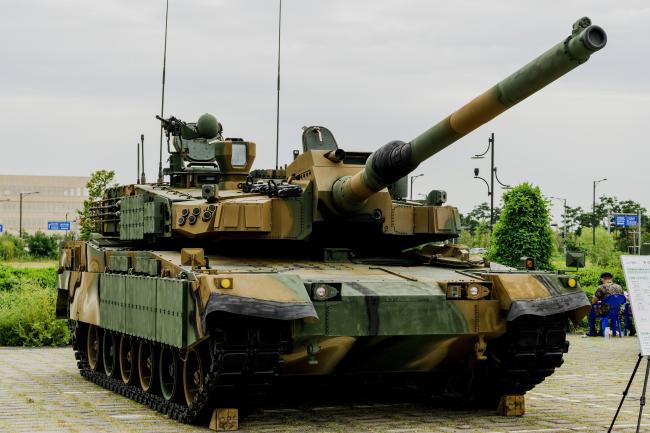
South Korea’s Emergence as a Defense Industrial Powerhouse
In recent years, South Korea’s ascent in the global arms market has been remarkable. This surge, particularly amid a shifting geopolitical landscape and the ongoing Ukraine-Russia War, has captured the attention of security watchers worldwide.
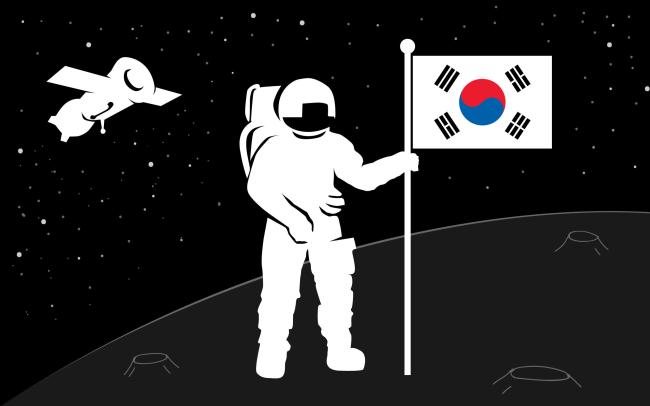
Evolution and Dynamics of the Space Industry in South Korea
The advent of the 21st century has witnessed the rise of the space industry as a pivotal arena of technological innovation, economic opportunity, and geopolitical significance. Amidst this global landscape, South Korea has emerged as an increasingly influential player in space exploration and technology.
Korea Looks to the Pacific: A First Cut with the 1st Korea-PIC Summit
The Technology Policies of Digital Middle Powers
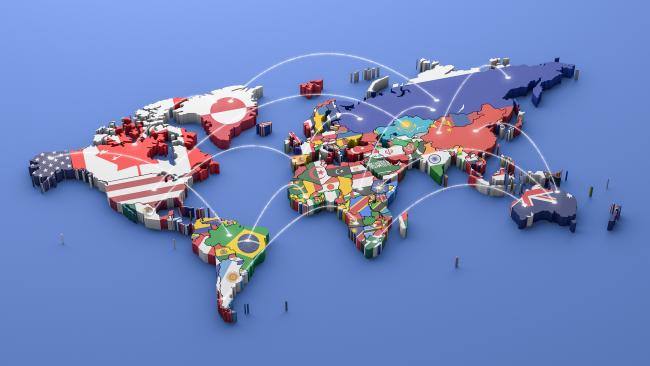
Digital technology is an element of power in the international system as well as an area for competition among countries. The study provides a qualitative comparison of the technology policies of nine of the digital middle powers: Brazil, India, Israel, Japan, Kenya, Nigeria, Russia, South Korea, and the United Kingdom. It seeks to reflect the diversity of national technology policies, as well as to identify those countries’ convergences and divergences with Europe, the United States and China.
South Korea and IPEF: Rationale, Objectives and the Implications for Partners and Neighbors
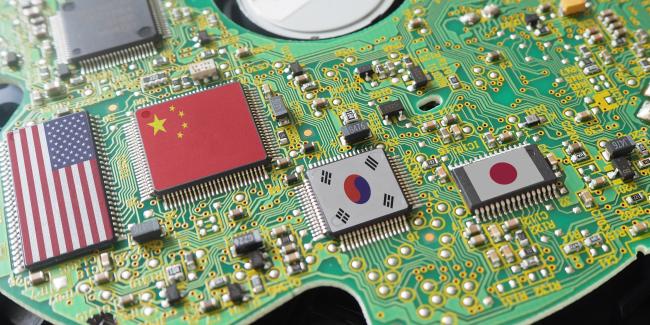
As a key manufacturer of high-end technology components critical to the sustainability of the Fourth Industrial Revolution, South Korea is essential in any effort to rebuild a resilient global supply chain but also to the promotion of a clean economy. South Korea can thus contribute to two of the pillars of IPEF (Indo-Pacific Economic Framework), specially to pillars II and III (supply-chain resilience and a clean economy).
La paix par la force. La modernisation de la défense sud-coréenne sous la présidence Moon Jae-in
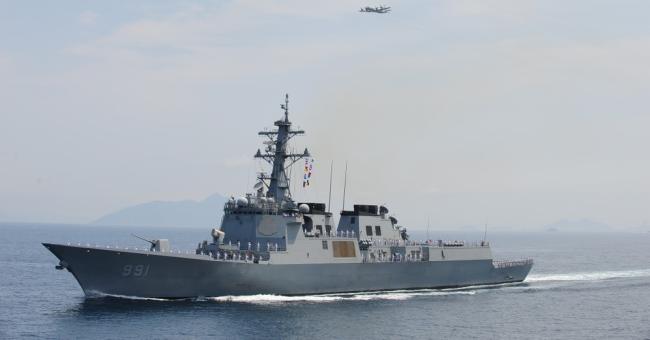
South Korea's defense modernization plan, Defense Reform 2.0, represents a significant effort in terms of military capabilities since 2018. The outgoing president, Moon Jae-in, has placed particular emphasis on high-tech acquisition as well as transforming the Korean defense industrial and technological base into a major domestic and international supplier.

Korea-EU Direct Investment Links: The Neglected Facet of a Tight Partnership
Despite their difference in size, Korea and the EU have developed over time a strong and deep relation through direct investment flows. Germany dominates the relationship, but there remains ample room for the other EU member-states to further develop their relations with Korea.

South Korea and France’s Indo-Pacific Strategies: Potential Partnership and Challenges
Despite some constraints on their Indo-Pacific strategies, South Korea and France could consider bilateral dialogues for partnership in the Indo-Pacific, leading to a high level of confidence and strategic convergence in security.
Trade
Françoise Nicolas contributed the chapter on trade, providing more insights into the opportunities and challenges South Korea and the EU need to address to revive the rules-based multilateral trading system.
East Asia Confronted with China
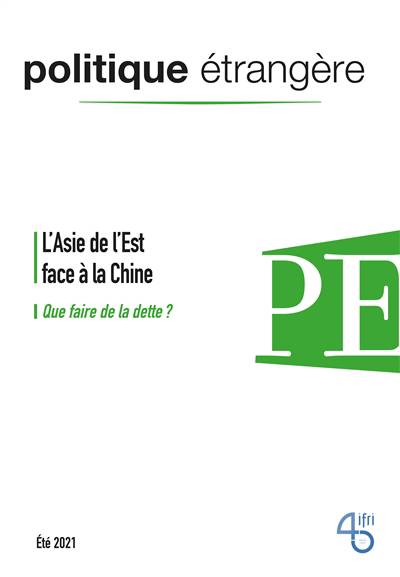
China is now an undeniable heavyweight on the international scene, wielding a remarkable range of political strategies. Studying its position in the surrounding area of Southeast Asia in relation to Japan, Korea, Taiwan, and the Association of Southeast Asian Nations (ASEAN) countries, as well as Australia, gives us an understanding of both the strength and the limits of such a diverse range of actions.
The Economic Pillar of Korea’s New Southern Policy: Building on Existing Assets
Diversification is a key tenet of South Korea’s New Southern Policy (NSP). In the economic sphere, however, the need for diversification is apparently less pressing as, unlike what is observed in the diplomatic and security domains, Korea’s economic partnerships are less unbalanced and are not (or not as clearly) polarized on the big Four (China, Japan, the United States, and Russia).
“New Southern Policy”, Korea’s Newfound Ambition in Search of Strategic Autonomy
The New Southern Policy (NSP), the signature foreign policy initiative by President Moon Jae-in of the Republic of Korea (ROK) that was officially launched in November 2017, has opened a new chapter in Seoul’s relations with the Association of Southeast Asian Nations (ASEAN) as well as India.
Korea’s New Southern Policy : An Economist’s Perspective
In this interview, Choong-Ryeol Lee, professor at Korea University looks at the objectives of Korea's New Southern Policy, its economic impact, and Korea's economic cooperation with India.
What is Korea getting at through its New Southern Policy ?
In this interview, Wongi Choe, head of Center for ASEAN–India Studies at the Korea National Diplomatic Academy (KNDA) looks at the rationale for and the content of Korea's New Southern Policy.
A New Player in the Indo-Pacific? South Korea’s New Southern Policy
A webinar by the Center for Asian Studies on South Korea's New Southern Policy examined the motivations, objectives, and means of, as well as possible challenges to, this policy, through an analysis of economic and trade cooperation on the one hand (Prosperity) and diplomatic and security cooperation on the other (People and Peace).
Emmanuel Macron in Japan and South Korea: A Historic Opportunity for Euro-Asian Rapprochement
President Emmanuel Macron is touring Japan and South Korea at a time when the interests of these three countries have never been more aligned, and more broadly between Europe and East Asian democracies.
Opening up the G7 to South Korea to Address Contemporary Global Challenges
The G7’s global influence has diminished as powers like China reshape international governance through initiatives such as BRICS and the Shanghai Cooperation Organisation (SCO). With the G7 now representing just 10 per cent of the world’s population and 28 per cent of global GDP, its relevance is increasingly questioned.
The Indo-Pacific and Trump II. In Uncle Sam’s brutal embrace
In this collective analysis, the research team of the Center for Asian Studies presents a synthetic and non-exhaustive assessment of the relations taking shape between the United States under the Trump II administration and some of the main players in the Indo-Pacific.
Europe’s Black Mass Evasion: From Black Box to Strategic Recycling
EV batteries recycling is a building block for boosting the European Union (EU)’s strategic autonomy in the field of critical raw minerals (CRM) value chains. Yet, recent evolutions in the European EV value chain, marked by cancellations or postponements of projects, are raising the alarm on the prospects of the battery recycling industry in Europe.
European Union–Republic of Korea Cooperation on Economic Security: Opportunities, Limits and Challenges
This piece is a revised version of a paper presented at the conference on “New Convergences in EU-ROK Economic Security Relations”, organised in Rome on 30 January 2024 by the Istituto Affari Internazionali (IAI).
South Korea’s Emergence as a Defense Industrial Powerhouse
In recent years, South Korea’s ascent in the global arms market has been remarkable. This surge, particularly amid a shifting geopolitical landscape and the ongoing Ukraine-Russia War, has captured the attention of security watchers worldwide.
Korea Looks to the Pacific: A First Cut with the 1st Korea-PIC Summit
The Technology Policies of Digital Middle Powers
Digital technology is an element of power in the international system as well as an area for competition among countries. The study provides a qualitative comparison of the technology policies of nine of the digital middle powers: Brazil, India, Israel, Japan, Kenya, Nigeria, Russia, South Korea, and the United Kingdom. It seeks to reflect the diversity of national technology policies, as well as to identify those countries’ convergences and divergences with Europe, the United States and China.
South Korea and IPEF: Rationale, Objectives and the Implications for Partners and Neighbors
As a key manufacturer of high-end technology components critical to the sustainability of the Fourth Industrial Revolution, South Korea is essential in any effort to rebuild a resilient global supply chain but also to the promotion of a clean economy. South Korea can thus contribute to two of the pillars of IPEF (Indo-Pacific Economic Framework), specially to pillars II and III (supply-chain resilience and a clean economy).
Korea-EU Direct Investment Links: The Neglected Facet of a Tight Partnership
Despite their difference in size, Korea and the EU have developed over time a strong and deep relation through direct investment flows. Germany dominates the relationship, but there remains ample room for the other EU member-states to further develop their relations with Korea.
South Korea and France’s Indo-Pacific Strategies: Potential Partnership and Challenges
Despite some constraints on their Indo-Pacific strategies, South Korea and France could consider bilateral dialogues for partnership in the Indo-Pacific, leading to a high level of confidence and strategic convergence in security.
The Economic Pillar of Korea’s New Southern Policy: Building on Existing Assets
Diversification is a key tenet of South Korea’s New Southern Policy (NSP). In the economic sphere, however, the need for diversification is apparently less pressing as, unlike what is observed in the diplomatic and security domains, Korea’s economic partnerships are less unbalanced and are not (or not as clearly) polarized on the big Four (China, Japan, the United States, and Russia).
“New Southern Policy”, Korea’s Newfound Ambition in Search of Strategic Autonomy
The New Southern Policy (NSP), the signature foreign policy initiative by President Moon Jae-in of the Republic of Korea (ROK) that was officially launched in November 2017, has opened a new chapter in Seoul’s relations with the Association of Southeast Asian Nations (ASEAN) as well as India.
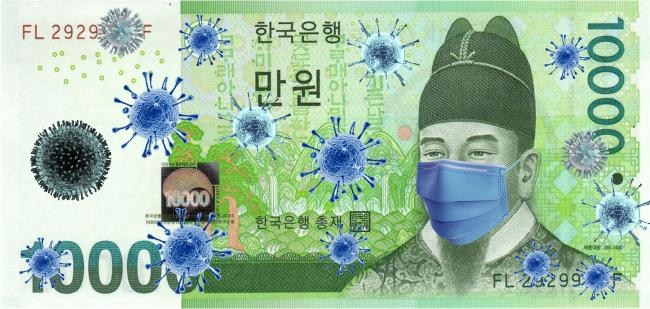
A Democratic tour de force: How the Korean State Successfully Limited the Spread of COVID-19
While the COVID-19 pandemic is still greatly affecting most of the world, the Republic of Korea has managed to stall the spread of the disease.
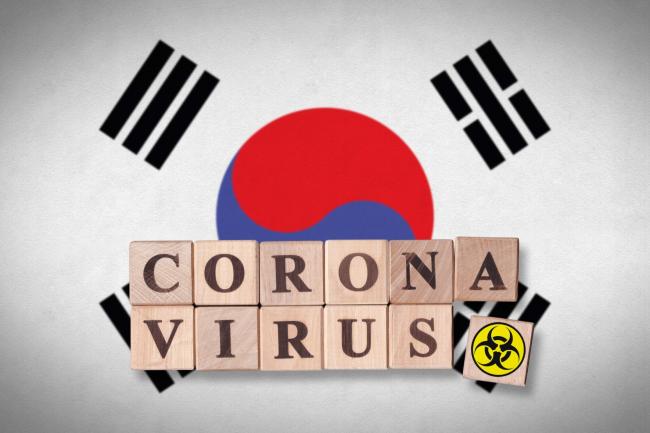
Korean Democracy in Times of Coronavirus
The Covid-19 pandemic has laid bare a series of troublesome truths, both about healthcare infrastructures in Western nations and the state of their democracies.
The quarantine they prescribed, albeit after periods of irresoluteness, drew embarrassing parallels to measures taken by China just a few weeks earlier. Social life has come to a near standstill without citizens being given a chance to deliberate, as procedures were discussed for the most part in closed-door meetings between the executive branch and appointed experts: the White House Coronavirus Task Force in the United States, the Scientific Council of France, etc. The general public has been hardly more involved in the West than in China.
In contrast, South Korea has thus far been the only significantly affected country to contain the spread of Covid-19 without shutting itself down or compromising even temporarily democratic institutions.

South Korea’s Hydrogen Strategy and Industrial Perspectives
South Korea is a hydrogen (H2) frontrunner. The world’s first commercial fuel cell electric vehicle (FCEV) was launched by the South Korean car manufacturer Hyundai (Tucson i×35) in 2013.
POSCO Energy, South Korea’s largest private energy producer, completed the world’s largest fuel cell manufacturing plant in 2015. When President Moon took office in 2018, the new government identified H2 as a new growth engine, and pledged to turn the country into a H2 economy.
Japan’s Trade Policy in the Midst of Uncertainty
The multilateral trading system under the World Trade Organization (WTO) has been of the utmost importance for Japan’s trade policy.
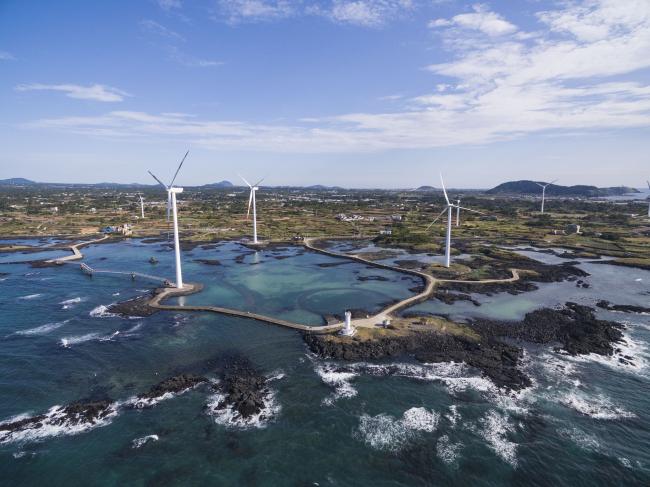
South Korea's New Electricity Plan. Cosmetic Changes or a Breakthrough for the Climate?
Shortly after his inauguration in May 2017, the President of South Korea, Moon Jae-In, announced a major policy shift away from nuclear and coal power, and toward renewables and gas. This would have meant a complete U-turn from previous policies, considering that nuclear and coal produced 40% and 30% respectively of Korea’s total electricity in 2016.
Corée du Sud, la septième armée du monde ?
As Democratic Republic of Korea’s (DPRK) continuous development of non-conventional weapons and challenges of the international community reaches a new level, Republic of Korea (ROK) appears more than ever as the frontline state on which most of North-East Asia security depends.
China’s rise: the view from South Korea
Monitoring China-South Korea relations is key for the EU, as both countries have been designated strategic partners. Moreover, the Union has important economic ties to both, and signed a free trade agreement (FTA) with the Republic of Korea (ROK) in 2011.
What is Korea getting at through its New Southern Policy ?
In this interview, Wongi Choe, head of Center for ASEAN–India Studies at the Korea National Diplomatic Academy (KNDA) looks at the rationale for and the content of Korea's New Southern Policy.
Korea’s New Southern Policy : An Economist’s Perspective
In this interview, Choong-Ryeol Lee, professor at Korea University looks at the objectives of Korea's New Southern Policy, its economic impact, and Korea's economic cooperation with India.
Cooperation Despite Frictions in Northeast Asia
Despite the political tensions that oppose Japan, China and South Korea, recent months have seen a certain rapprochement between Tokyo, Seoul and Beijing. The first trilateral summit in three years was held in November 2015.
Cooperation Despite Frictions in Northeast Asia
Cooperation Despite Frictions in Northeast Asia
Ifri, a foundation recognized as being of public utility, relies largely on private donors – companies and individuals – to guarantee its sustainability and intellectual independence. Through their funding, donors help maintain the Institute's position among the world's leading think tanks. By benefiting from an internationally recognized network and expertise, donors refine their understanding of geopolitical risk and its consequences on global politics and the economy. In 2026, Ifri partners with over 90 French and international companies and organizations.