






Practical information
Themes and regions
Related centers and programs
This is a private event.
Learn more about our corporate support packages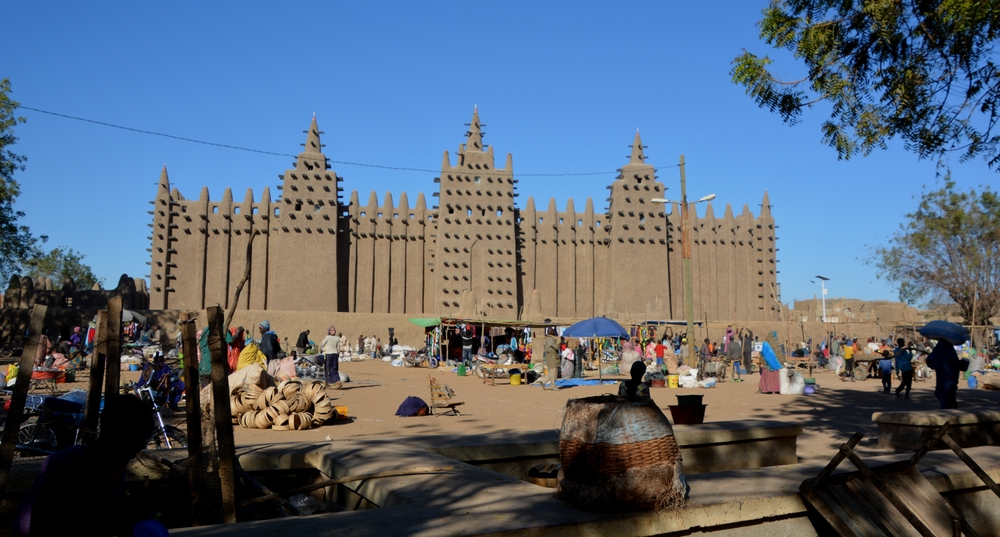
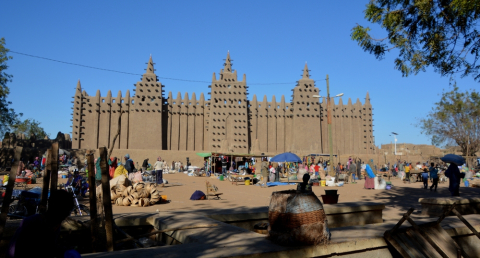
The world order is undergoing a profound and accelerating reconfiguration. In this multipolar context, actors such as China, Turkey, Russia, India, and Gulf region countries like the United Arab Emirates or Saudi Arabia, are increasingly asserting themselves as essential strategic partners for the continent. Simultaneously, European states are also seeking to redefine their roles on the continent.
Co-organized for the eighth time by Ifri, the Friedrich Ebert Stiftung (FES), and the German Institute of Development and Sustainability (IDOS), this conference brings together specialists from the fields of research, diplomacy, and politics to discuss the contributions of Germany and France to a European strategy for Africa.
This conference seeks to analyze the recomposition of the world order and the new foreign policies resulting from it, focusing on the identities and strategies of different actors as well as the opportunities that Africa can seize in this context of increased international competition and new modes of cooperation. It will also be a matter of identifying which forms of partnership can truly associate African actors and ensure that natural resources and foreign investments concretely and equitably benefit populations. Discussions will revolve around three round tables dedicated to the major issues of Euro-African cooperation: development aid, strategic minerals, and peace and security.
8:45 AM | Welcome and Opening Words
Paul Maurice, Secretary General, Study Committee on Franco-German Relations (Cerfa), Ifri
Iris Nothofer, Desk Officer Peace and Security, Friedrich-Ebert-Stiftung (FES)
Benedikt Erforth, Senior Researcher, Department of Inter- and Transnational Cooperation, German Institute of Development and Sustainability (IDOS)
9:00 AM | Panel 1: The End of Official Development Assistance?
Birgit Pickel, Director General Africa to the German Ministry for Economic Cooperation and Development
Hervé Berville, Member of National Defence and Armed Forces Committee, Member of the Assemblée nationale
Zainab Usman, Economist, Former Director of the Africa Program, Carnegie Endowment for International Peace
María del Pilar Garrido Gonzalo, Director for Development Cooperation, OECD
Chair: Stephan Klingebiel, Head of Department of International- and Transnational Cooperation, IDOS
11:00 AM | Panel 2: The European Union and Critical Minerals – What Role for Africa?
Benjamin Katz, Manager, Minerals and Extractive Sector, OECD
Martina Matarazzo, Coordinator, International and EU Advocacy, Resource Matters
Thomas Mélonio, Executive Director for Innovation, Strategy and Research, Agence française de Développement
Max-Emanuel Hatzold, Deputy Head of Programme, Regional Resource Governance in West Africa (REGO), GIZ
Chair: Manuela Matthess, Desk Officer for Energy and Climate Justice, FES
14:00 PM | Panel 3: Crises and Mediations in the Horn of Africa – What Approaches for Regional Peace and Security?
S.E. Bertrand Cochery, Ambassador, Special Envoy for Sudan and the Horn of Africa, French Ministry for Europe and Foreign Affairs
Vincent Darracq, Regional Director Sudan/Sahel, Promediation
Samira Gaid, Regional Security Analyst, Balqiis Insights
S.E. Heiko Nitzschke, Special Envoy for the Horn of Africa, German Ministry for Foreign Affairs
Chair: Alain Antil, Director of the Sub-Saharan Africa Center, Ifri
15:30 PM | Closing session
Alain Antil, Director of the Sub-Saharan Africa Center, Ifri
Conference in French and German with simultaneous translation.
Our partners

Speakers

Our team
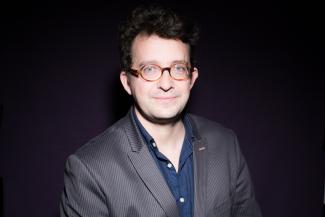
Alain ANTIL
Researcher and Head of the Sub-Saharan Africa Center, Ifri
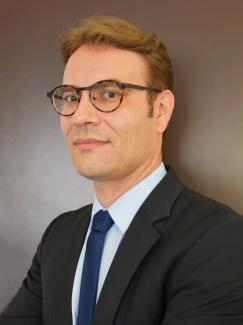
Paul MAURICE
Secretary General of the Study Committee on Franco-German Relations (Cerfa), Ifri
Related Subjects
Other events
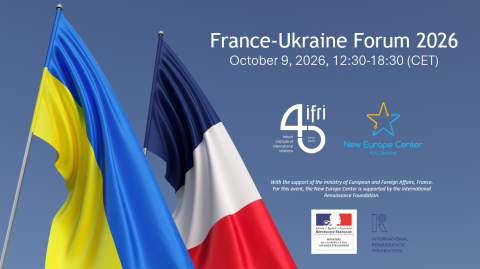
France-Ukraine Forum 2026
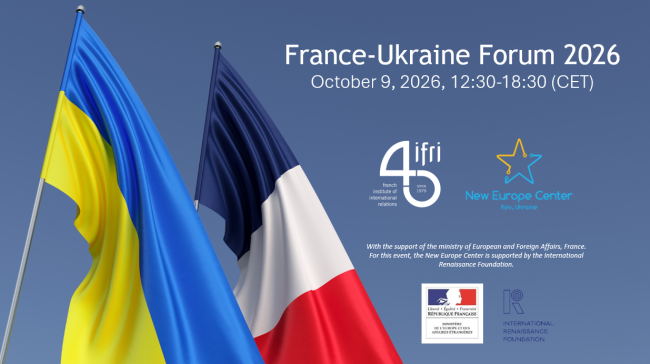
More than four and a half years after the start of the full-scale war launched by Russia against Ukraine, the 2026 France-Ukraine Forum will bring together policymakers, experts, academics, and civil society representatives from both countries to discuss three main topics: the formats and conditions for a lasting diplomatic settlement; Ukraine’s Euro-Atlantic integration, encompassing both the EU accession process and closer ties with NATO; and the societal transformations of postwar Ukraine, as well as its prospects for reconstruction.
The EU in a World of Economic Warfare: Trade, Geopolitics, and the Battle for Economic Sovereignty
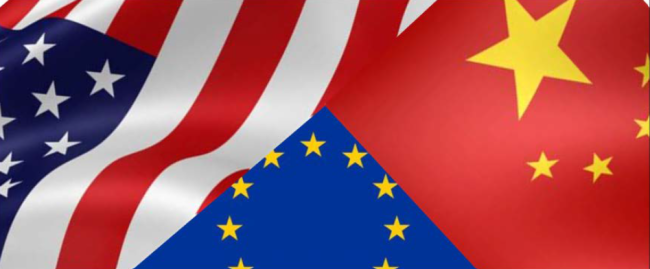
The international trading system has become a primary theatre of geopolitical competition. Tariffs, sanctions, and technology controls have replaced dialogue as the default instruments of economic relations.
The Road to 27 Electrification Action Plans: Planning and Investing in Europe’s Electric Future
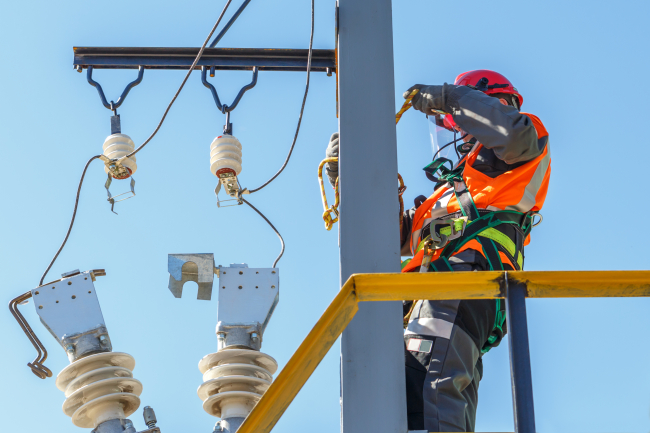
The European Commission’s Electrification Action Plan places the continent on an electric path to structurally reduce dependence on fossil fuel imports and boost the energy transition in industry, transport and buildings.