




France-Germany: Overcoming Differences to Strengthen European Sovereignty
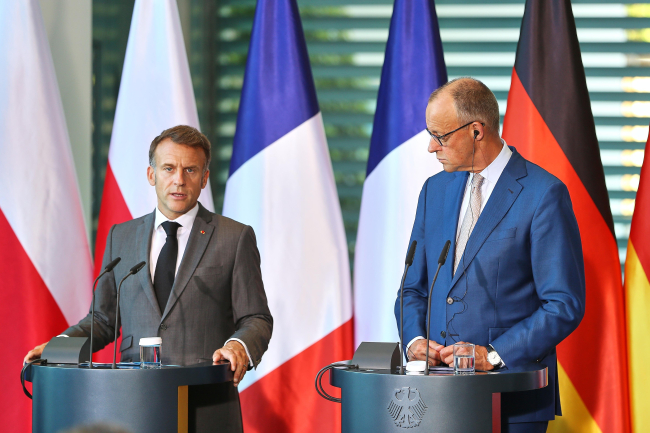
The Franco-German “reset” launched with Friedrich Merz’s appointment as Chancellor in May 2025 and given concrete form at the Franco-German Council of Ministers (FGCM) in Toulon in August 2025 was intended to address the structural challenges affecting the bilateral relationship. Yet it is clear that these ambitions have only been partially translated into concrete action. Since the beginning of 2026, Franco-German relations have entered a phase in which short-term challenges have combined with deeper divergences over priorities, policy approaches, and strategic culture.
How does France’s nuclear deterrent contribute to the defense of Europe?
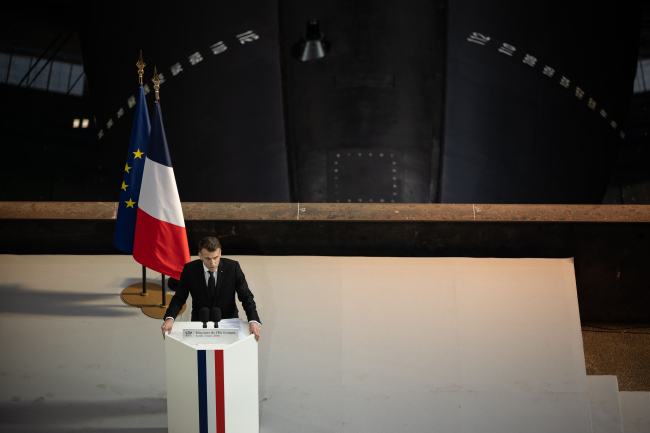
France’s nuclear deterrent, serving first and foremost to defend France’s vital interests, also contributes to the defense of Europe. This contribution has been recognized within the North Atlantic Alliance since 1974, but remains little known. In a speech closely followed by France’s European partners and its adversaries alike, President Emmanuel Macron announced a new concept for French nuclear deterrence: “forward deterrence” (dissuasion avancée). This article aims to explain the origins of this concept, outline its main pillars, and describe the partnerships that are sought. It then discusses the relationship with the U.S. doctrine of “extended deterrence”, and finally offers some ethical considerations.

Mind the Deterrence Gap: Assessing Europe’s Nuclear Options
Europe must urgently confront a new nuclear reality. In recent years, Russia’s nuclear-backed revisionism has reintroduced nuclear coercion and the threat of nuclear escalation to the continent, underscoring the importance of credible nuclear deterrence. At the same time, Europe’s traditional reliance on US extended nuclear deterrence appears politically more fragile than at any point since the Cold War. Together, these developments require Europeans to think about their nuclear options.
Russia's Nuclear Deterrence Put to the Test by the War in Ukraine
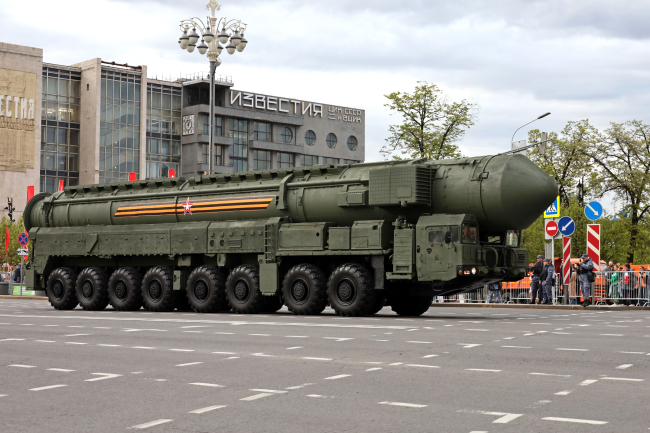
From the outset of its “special military operation” (SVO) against Ukraine on February 24, 2022, Russia, which possesses one of the world’s largest nuclear arsenals, has adopted aggressive deterrence measures and a resolutely menacing rhetorical stance.

"There's a difference between what our allies expect and what France is prepared to offer," said Héloïse Fayet, head of the deterrence and proliferation program at the French Institute for International Relations.

quoted by Noémie Bisserbe for The Wall Street Journal
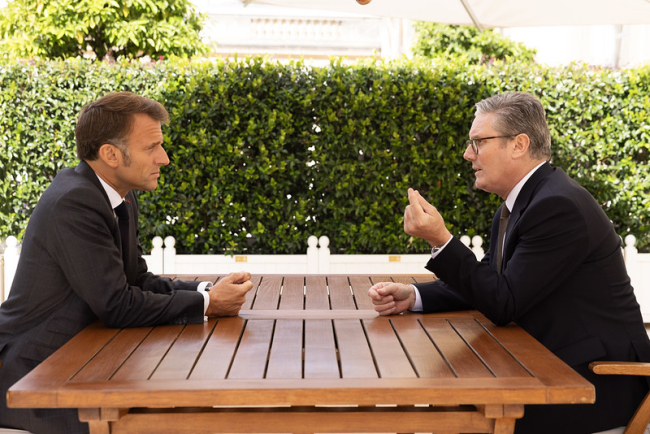
How should Britain and France cooperate to realise the Northwood Declaration?
During his state visit to the United Kingdom (UK) last week, Emmanuel Macron, President of France, signed a joint declaration with Sir Keir Starmer, Prime Minister, on nuclear cooperation between Britain and France. The Northwood Declaration highlights that while both countries’ nuclear arsenals remain sovereign, cooperation on nuclear deterrence can ‘contribute significantly’ to the security of the North Atlantic Treaty Organisation (NATO) and the Euro-Atlantic region.
From Cuba to Ukraine: Strategic Signaling and Nuclear Deterrence
Strategic signaling—the range of signs and maneuvers intended, in peace time, to lend credibility to any threat to use nuclear weapons—is back.
The New Geopolitics of Energy
Following the dramatic floods in Valencia, and as COP29 opens in Baku, climate change is forcing us to closely reexamine the pace—and the stumbling blocks—of the energy transition.
Ditching U.S. Nuclear Protection in Europe: Will It Trigger a Nuclear Arms Race?
What if France takes over the U.S. role in providing nuclear deterrence for Europe? What happens to U.S. nuclear weapons stationed on the European continent? Could France’s increased nuclear security role lead to proliferation and a new arms race? Join us as we delve into European nuclear security, the Iranian nuclear program, and the roles of Russia and China in supporting Iran.

Europe is Quietly Debating a Nuclear Future Without the US
America has protected Europe with is nuclear umbrella for more than 70 years. In the era of Vladimir Putin and Donald Trump, the continent is quietly debating a different nuclear future.
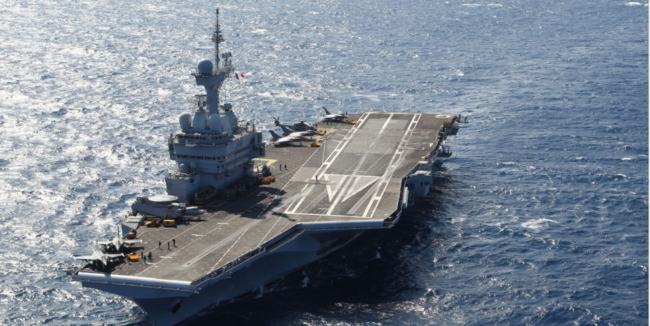
The Future of Europe’s Strategic Deterrence is (also) at Sea
A cursory look at both France and the UK suggests that the future of European nuclear deterrence is at sea.
The Future of Nuclear Proliferation after the War in Ukraine
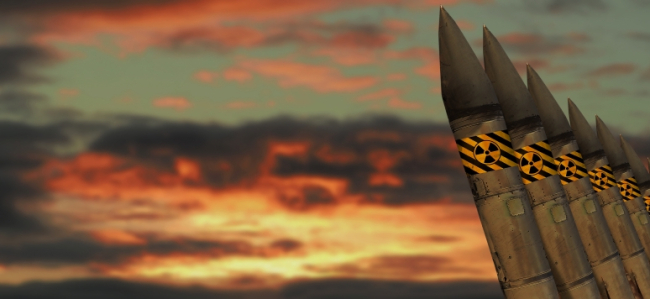
In the context of deep changes to the international security environment, especially the war in Ukraine, the risks of nuclear proliferation seem quite high, especially in the Middle East and East Asia.
French thinking on AI integration and interaction with nuclear command and control, force structure, and decision-making
This paper analyses the French literature on France’s perception of military AI, especially its consequences on strategic systems and competition, and nuclear deterrence.
The Wind Rose’s Directions: Russia’s Strategic Deterrence during the First Year of the War in Ukraine
Strategic Signaling: A Lever for France in the Competition Between Powers?
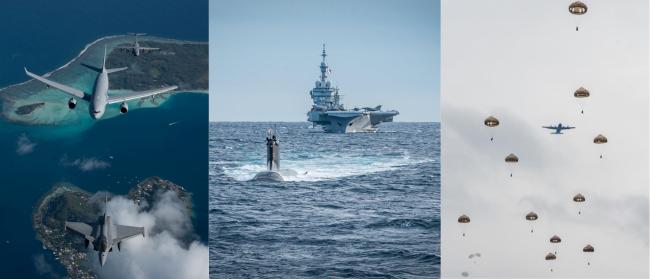
From the joint and combined Orion 2023 exercice to the deployment of Leclerc tanks in Romania, through the qualification fire of new missiles, the French armed forces conduct many manoeuvres and activities that are now described as falling under the "strategic signaling".
Chinese Nuclear Force Modernization and Doctrinal Change
Dating back to the first test in 1964, the Chinese nuclear force modernization process is motivated by other nuclear powers’ modernization across the years, mostly from the United States and the Soviet Union, but also by domestic factors such as economic debates and tensions in the scientific community.
First Nuclear Lessons from the War in Ukraine
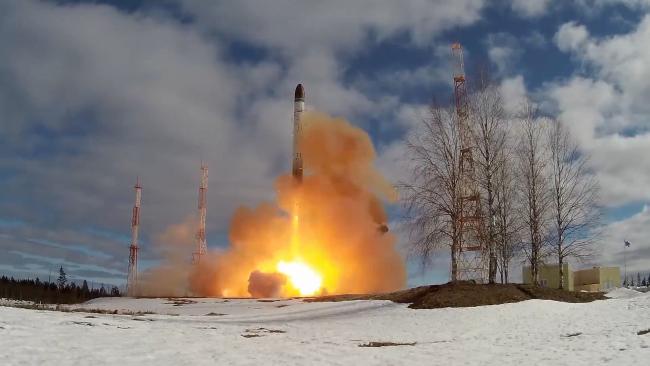
The invasion of Ukraine by Russian forces on February 24th displays undeniable nuclear attributes. The purpose of this text is to analyze the initial lessons of this conflict, with regard to the balance of forces between nuclear powers.

An Engine Replacement Could Kill Europe’s Huge F-35 Plans
If the decision to replace the engine for the F-35A is implemented, countries flying F-35s will find themselves forced into unforeseen and overly complicated supply chains.
France to spell out nuclear plan
A researcher said that ‘the balance is shifting, including in countries such as Germany’ on the role of nuclear weapons in Europe’s strategic ambitions.
France, the EU’s sole nuclear power since Britain’s exit from the bloc, was to unveil how it intends to use its atomic arsenal as a deterrent. French President Emmanuel Macron, in an address to military officers graduating in Paris yesterday, was expected to recommit to upgrading France’s capacity, at a time when NATO allies, who would ordinarily look to the US in a nuclear standoff, worry about Washington’s retreat from the multilateral stage.

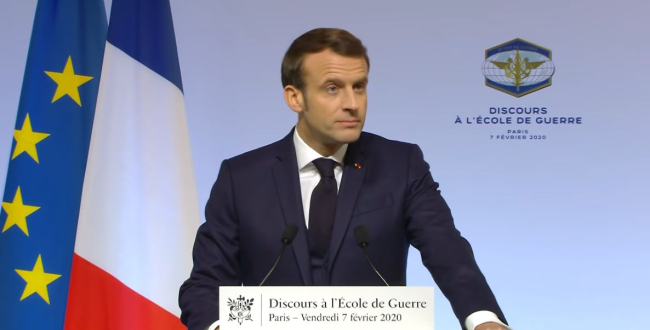
France to spell out post-Brexit nuclear weapons strategy
France, the European Union's sole nuclear power since Britain's exit from the bloc, will unveil Friday how it intends to use its atomic arsenal as a deterrent in an increasingly unstable world.
France-Germany: Overcoming Differences to Strengthen European Sovereignty
The Franco-German “reset” launched with Friedrich Merz’s appointment as Chancellor in May 2025 and given concrete form at the Franco-German Council of Ministers (FGCM) in Toulon in August 2025 was intended to address the structural challenges affecting the bilateral relationship. Yet it is clear that these ambitions have only been partially translated into concrete action. Since the beginning of 2026, Franco-German relations have entered a phase in which short-term challenges have combined with deeper divergences over priorities, policy approaches, and strategic culture.
How does France’s nuclear deterrent contribute to the defense of Europe?
France’s nuclear deterrent, serving first and foremost to defend France’s vital interests, also contributes to the defense of Europe. This contribution has been recognized within the North Atlantic Alliance since 1974, but remains little known. In a speech closely followed by France’s European partners and its adversaries alike, President Emmanuel Macron announced a new concept for French nuclear deterrence: “forward deterrence” (dissuasion avancée). This article aims to explain the origins of this concept, outline its main pillars, and describe the partnerships that are sought. It then discusses the relationship with the U.S. doctrine of “extended deterrence”, and finally offers some ethical considerations.
Mind the Deterrence Gap: Assessing Europe’s Nuclear Options
Europe must urgently confront a new nuclear reality. In recent years, Russia’s nuclear-backed revisionism has reintroduced nuclear coercion and the threat of nuclear escalation to the continent, underscoring the importance of credible nuclear deterrence. At the same time, Europe’s traditional reliance on US extended nuclear deterrence appears politically more fragile than at any point since the Cold War. Together, these developments require Europeans to think about their nuclear options.
Russia's Nuclear Deterrence Put to the Test by the War in Ukraine
From the outset of its “special military operation” (SVO) against Ukraine on February 24, 2022, Russia, which possesses one of the world’s largest nuclear arsenals, has adopted aggressive deterrence measures and a resolutely menacing rhetorical stance.
How should Britain and France cooperate to realise the Northwood Declaration?
During his state visit to the United Kingdom (UK) last week, Emmanuel Macron, President of France, signed a joint declaration with Sir Keir Starmer, Prime Minister, on nuclear cooperation between Britain and France. The Northwood Declaration highlights that while both countries’ nuclear arsenals remain sovereign, cooperation on nuclear deterrence can ‘contribute significantly’ to the security of the North Atlantic Treaty Organisation (NATO) and the Euro-Atlantic region.
From Cuba to Ukraine: Strategic Signaling and Nuclear Deterrence
Strategic signaling—the range of signs and maneuvers intended, in peace time, to lend credibility to any threat to use nuclear weapons—is back.
The Future of Europe’s Strategic Deterrence is (also) at Sea
A cursory look at both France and the UK suggests that the future of European nuclear deterrence is at sea.
The Future of Nuclear Proliferation after the War in Ukraine
In the context of deep changes to the international security environment, especially the war in Ukraine, the risks of nuclear proliferation seem quite high, especially in the Middle East and East Asia.
French thinking on AI integration and interaction with nuclear command and control, force structure, and decision-making
This paper analyses the French literature on France’s perception of military AI, especially its consequences on strategic systems and competition, and nuclear deterrence.
The Wind Rose’s Directions: Russia’s Strategic Deterrence during the First Year of the War in Ukraine
Strategic Signaling: A Lever for France in the Competition Between Powers?
From the joint and combined Orion 2023 exercice to the deployment of Leclerc tanks in Romania, through the qualification fire of new missiles, the French armed forces conduct many manoeuvres and activities that are now described as falling under the "strategic signaling".
Chinese Nuclear Force Modernization and Doctrinal Change
Dating back to the first test in 1964, the Chinese nuclear force modernization process is motivated by other nuclear powers’ modernization across the years, mostly from the United States and the Soviet Union, but also by domestic factors such as economic debates and tensions in the scientific community.
The Franco-German Tandem: Bridging the Gap on Nuclear Issues
The Franco-German couple has long been characterized by divergent trajectories on nuclear matters, and antagonist historical decisions still frame the current relationship.
Europe is Quietly Debating a Nuclear Future Without the US
America has protected Europe with is nuclear umbrella for more than 70 years. In the era of Vladimir Putin and Donald Trump, the continent is quietly debating a different nuclear future.
An Engine Replacement Could Kill Europe’s Huge F-35 Plans
If the decision to replace the engine for the F-35A is implemented, countries flying F-35s will find themselves forced into unforeseen and overly complicated supply chains.
France to spell out post-Brexit nuclear weapons strategy
France, the European Union's sole nuclear power since Britain's exit from the bloc, will unveil Friday how it intends to use its atomic arsenal as a deterrent in an increasingly unstable world.
Ditching U.S. Nuclear Protection in Europe: Will It Trigger a Nuclear Arms Race?
What if France takes over the U.S. role in providing nuclear deterrence for Europe? What happens to U.S. nuclear weapons stationed on the European continent? Could France’s increased nuclear security role lead to proliferation and a new arms race? Join us as we delve into European nuclear security, the Iranian nuclear program, and the roles of Russia and China in supporting Iran.
Ifri, a foundation recognized as being of public utility, relies largely on private donors – companies and individuals – to guarantee its sustainability and intellectual independence. Through their funding, donors help maintain the Institute's position among the world's leading think tanks. By benefiting from an internationally recognized network and expertise, donors refine their understanding of geopolitical risk and its consequences on global politics and the economy. In 2026, Ifri partners with over 90 French and international companies and organizations.


"There's a difference between what our allies expect and what France is prepared to offer," said Héloïse Fayet, head of the deterrence and proliferation program at the French Institute for International Relations.
quoted by Noémie Bisserbe for The Wall Street Journal