'Russia holds a decisive edge in terms of manpower, firepower and mobilization capacity'
Three researchers at the French Institute of International Relations, Dimitri Minic, Tatiana Kastouéva-Jean and Paul Maurice, are urging Europe to intensify its power dynamic with Moscow. The French Institute of International Relations (IFRI) published a report on Tuesday, November 4, that highlights Europe's vulnerabilities in the event of a high-intensity conflict with Russia.
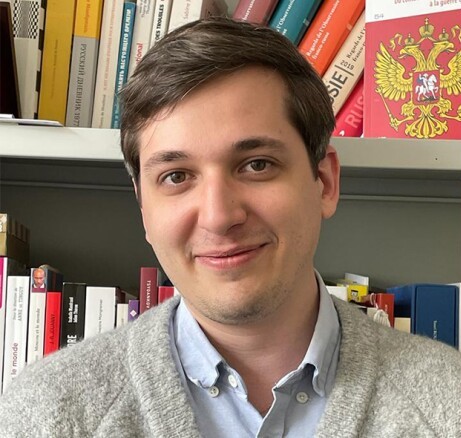
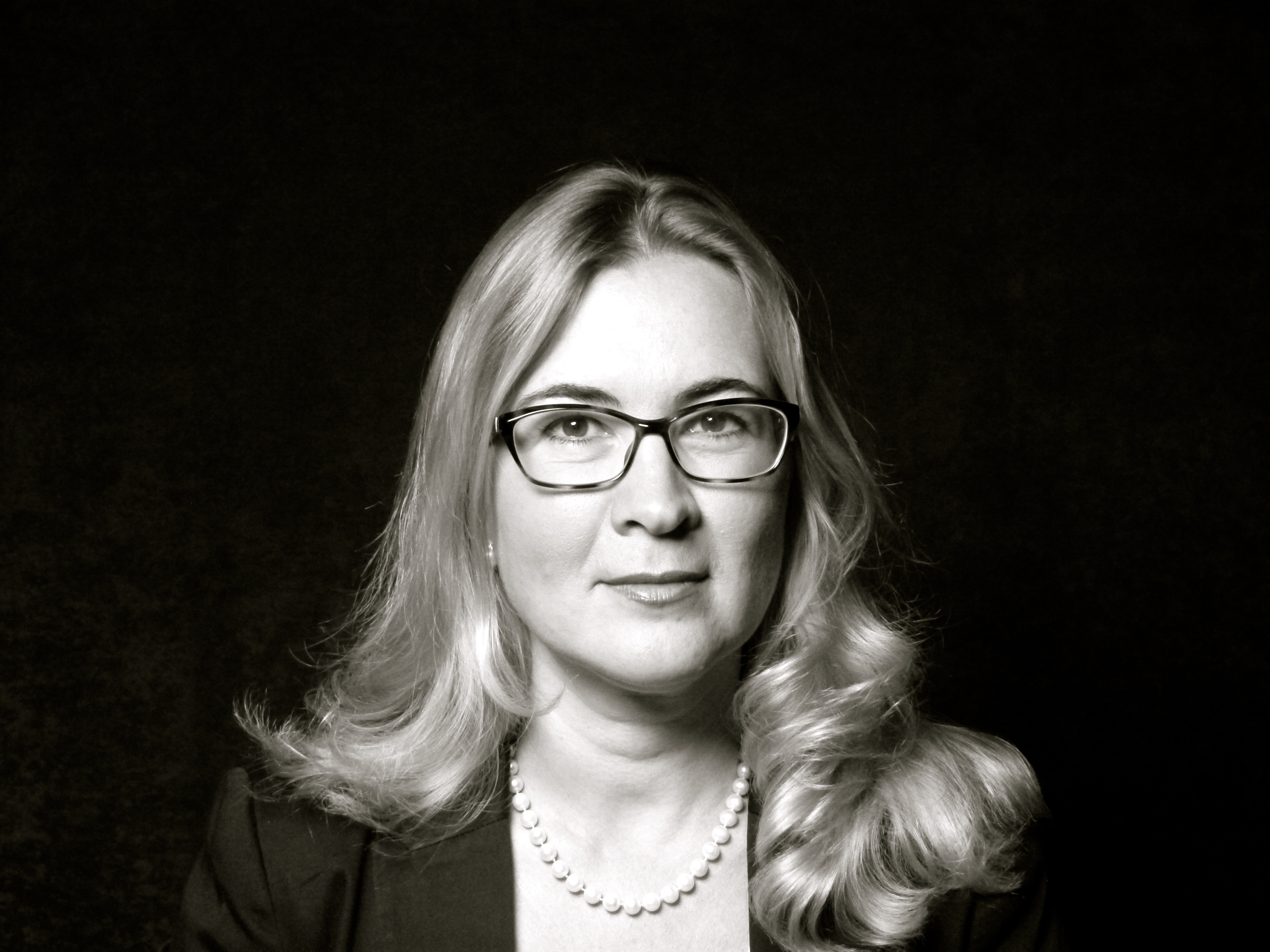
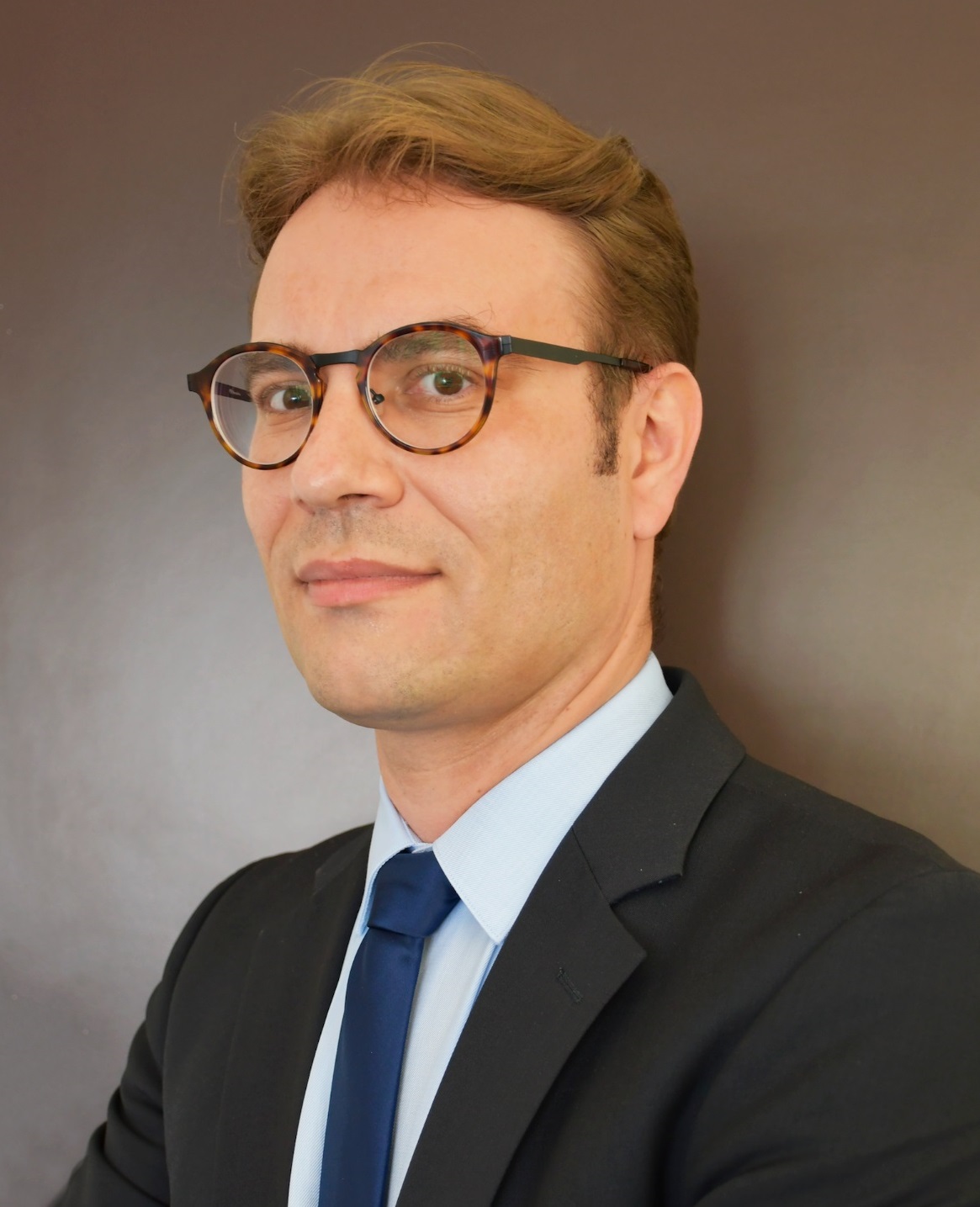
The document was compiled with the help of an advisory committee of nine heads of European think tanks. In an interview, three researchers from the institute – Dimitri Minic, a historian; Tatiana Kastouéva-Jean, an expert on Russian domestic and foreign policy; and Paul Maurice, a contemporary history specialist – emphasize the insufficient efforts of the European defense industry.
Does Europe have the means for a direct conflict with Russia?
Dimitri Minic: Russia has the "advantage" of being an autocracy, able to make its society endure a high-intensity conflict and the resulting human and material losses. Its strength lies in land and air operations, with ground forces that outnumber those of Europe. Even though Europe has a qualitative advantage in training, command and combined-arms tactics, Russia holds a decisive edge in terms of manpower, firepower and mobilization capacity.
Moscow, which mobilized part of its economy as early as 2022, managed to increase production of cruise missiles and ballistic missiles, such as the Iskander and Kh-101, which have been essential in deep strikes in Ukraine, particularly targeting key energy and railway infrastructure.
However, Russia has struggled to manufacture armored vehicles from scratch and is nearing the end of its stockpiles dating back to the Soviet era. Therefore, Europe must rely on its military superiority in the air, on the seas and in space and shift the battleground accordingly.
On the European side, where do things stand three years after the invasion of Ukraine?
Paul Maurice: In three and a half years, the European defense industry has not done what it should have. There has been a lack of preparation for war, but more than denial, it is important to talk about the major difficulties in implementing policies, partly due to the structure of the 27-member European Union.
Europeans have developed more agile formats to be more effective, such as the "E5" [an informal group made up of Germany, France, Italy, Poland and the United Kingdom] or the "Baltes + Weimar" format [the Weimar Triangle brings together Germany, France and Poland]. But overall, US political involvement within the North Atlantic Treaty Organization (NATO) remains central for countries on the European continent. It is a form of psychological dependence for Europe.
You write that "support for Ukraine and solidarity among allies are Europe's bulwarks against Russia." What would happen if one of these pillars were to weaken?
D. M.: If Ukrainian resistance and/or NATO cohesion were to weaken, the risk of an open armed confrontation between Russia and Europe, on any scale, would increase. Vladimir Putin is seeking to isolate Kyiv from the West, particularly from the United States. Donald Trump is being used by the Kremlin to try to divide Europe. During this standoff, Europe must maintain the strongest possible transatlantic relationship while staying true to its values. Should Russia prevail in Ukraine tomorrow, it could redeploy troops to another front and attempt a show of force.
The Baltic States are NATO's Achilles' heel, as they are located between Belarus, the Kaliningrad exclave and the rest of the Russian border. The number of alliance troops in Lithuania, Estonia and Latvia is small. They are a deterrent force, not designed to withstand a large-scale invasion. It should also be noted that European military mobility is limited by heterogeneous or inadequate infrastructure and differing standards.
Is a Russian military victory in Ukraine likely?
D. M.: Vladimir Putin has been emboldened by ambiguities in Washington and hesitations in Europe. What could alter the Kremlin's course is the realization that it cannot advance any further without incurring economic, social and political sacrifices that would endanger its autocracy. In order to confront Moscow with this dilemma, Europe must provide Ukraine with constant and substantial aid and continue to maintain a favorable power dynamic with Russia. The Kremlin leader is determined. He did not wage this war simply to reclaim four territories and increase Russia's gross domestic product: His objectives are the vassalization of Ukraine and a revision of Europe's security architecture.
Tatiana Kastouéva-Jean: There will never be a peace agreement with Vladimir Putin. At best, we should expect a frozen situation – neither war nor peace. He has made this conflict the central focus of his successive terms as Russia's leader, convinced that the longevity of his rule and his place in history depend on it.
Your study looks ahead to 2030. What scenarios will have emerged by then?
D. M.: The current geopolitical context leads us to consider the pessimistic scenario of a Russian war beyond Ukraine, with minimal American support if Europe fails to continue supporting Ukraine and, above all, if it does not build credible conventional military deterrence.
However, we should be more concerned about an intensification of indirect Russian confrontation than a massive armed attack against Europe or a reckless use of nuclear weapons. In countries bordering Russia, such a scenario could result in another "special military operation" [the official term used by Moscow for its invasion of Ukraine].
What do you mean by indirect confrontation?
D. M.: For 30 years, Russian military elites have theorized bypassing direct armed conflict, which is no longer seen as central to achieving political objectives. This includes non-military actions, such as psychological and informational operations, as well as indirect military activities, such as sabotage, assassination and the use of private military companies, to achieve their goals.
If these measures fail, they are intended to pave the way for a final, brief but decisive military operation. In this respect, the war that followed the initial failure of the "special military operation" was not anticipated by Moscow. Russia underestimated both Ukraine and the West, which it sees as cowardly and decadent.
If not securing peace, Donald Trump threatens to help Ukraine strike Russian territory.
D. M.: Although unlikely, the delivery of Tomahawk missiles would represent a significant escalation for the Kremlin. One should not rule out Russia's potential conventional response against an eastern NATO country. Is the American president considering this possibility and preparing for it?
Why is Putin willing to take such risks in order to continue the war?
D. M.: Russian rhetoric reflects old imperial obsessions. The goal is to maintain strong influence over former Soviet and Tsarist territories. Russians believe they have the right to rule in Eastern Europe and to influence the fate of the entire continent. One should recall Boris Yeltsin's words to Bill Clinton in 1999: "Bill, give us Europe. Americans have no business in Europe."
Russia sees itself as a great world power. This illusion comes at a heavy cost. It is often said that the war in Ukraine began in 2014; in reality, it began in 2004, as soon as Kyiv chose a Western and democratic future. The Kremlin sees in Ukraine's potential success a failure for itself, and, above all, an existential danger to its autocracy.
[...]
>> Read the full interview on the Le Monde website.
Titre
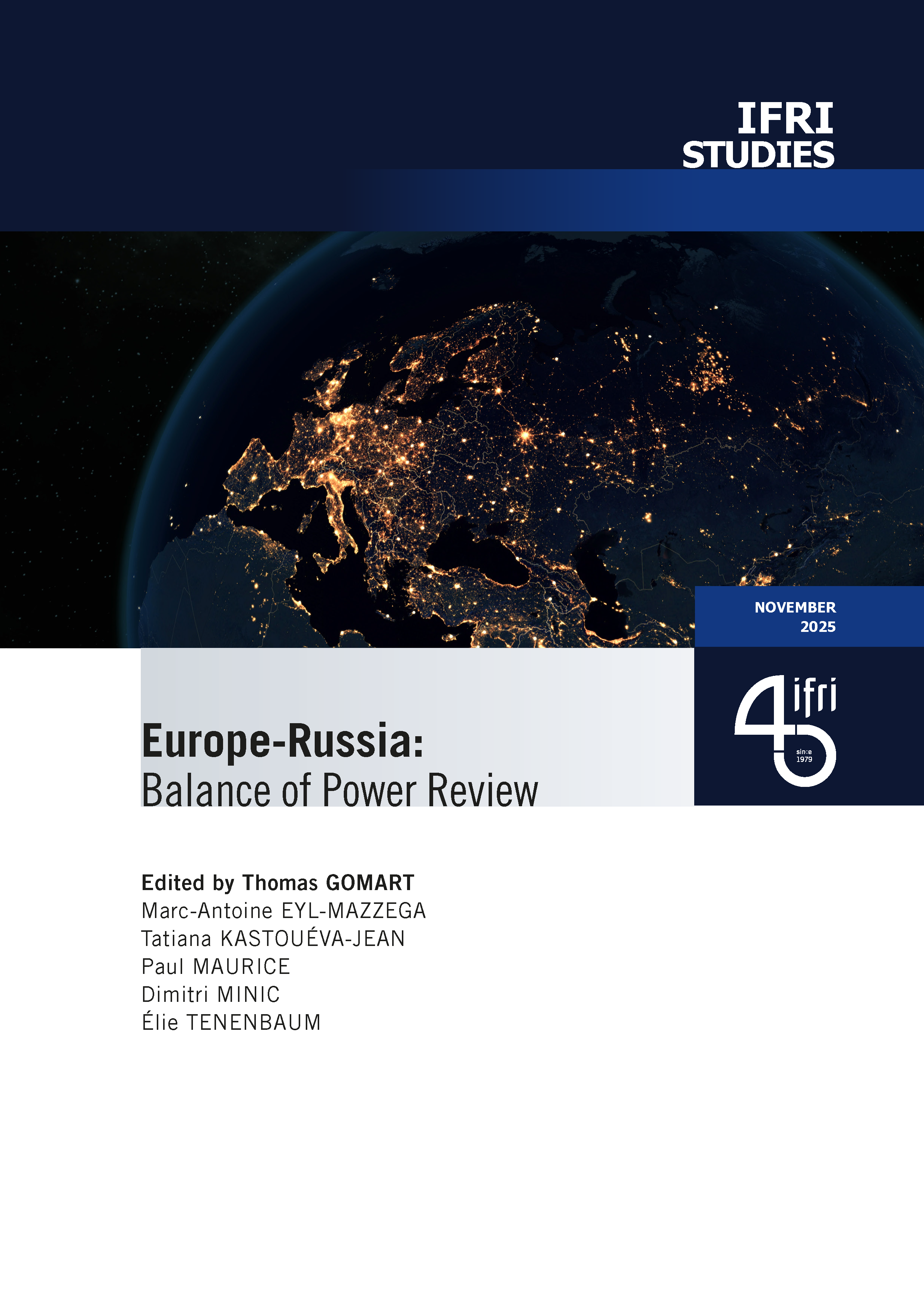
Read the new Ifri Study « Europe-Russia: Balance of Power Review »

Media:

Reporter(s):
Format
Share
Authors
Dimitri MINIC
Research Fellow, Scientific Director of the Observatory on Russia, Eastern Europe, the Caucasus, and Central Asia, Ifri's Russia/Eurasia Center
Tatiana KASTOUÉVA-JEAN
Director of the Russia/Eurasia Center, Ifri
Paul MAURICE
Secretary General of the Study Committee on Franco-German Relations (Cerfa), Ifri