



A Democratic tour de force: How the Korean State Successfully Limited the Spread of COVID-19
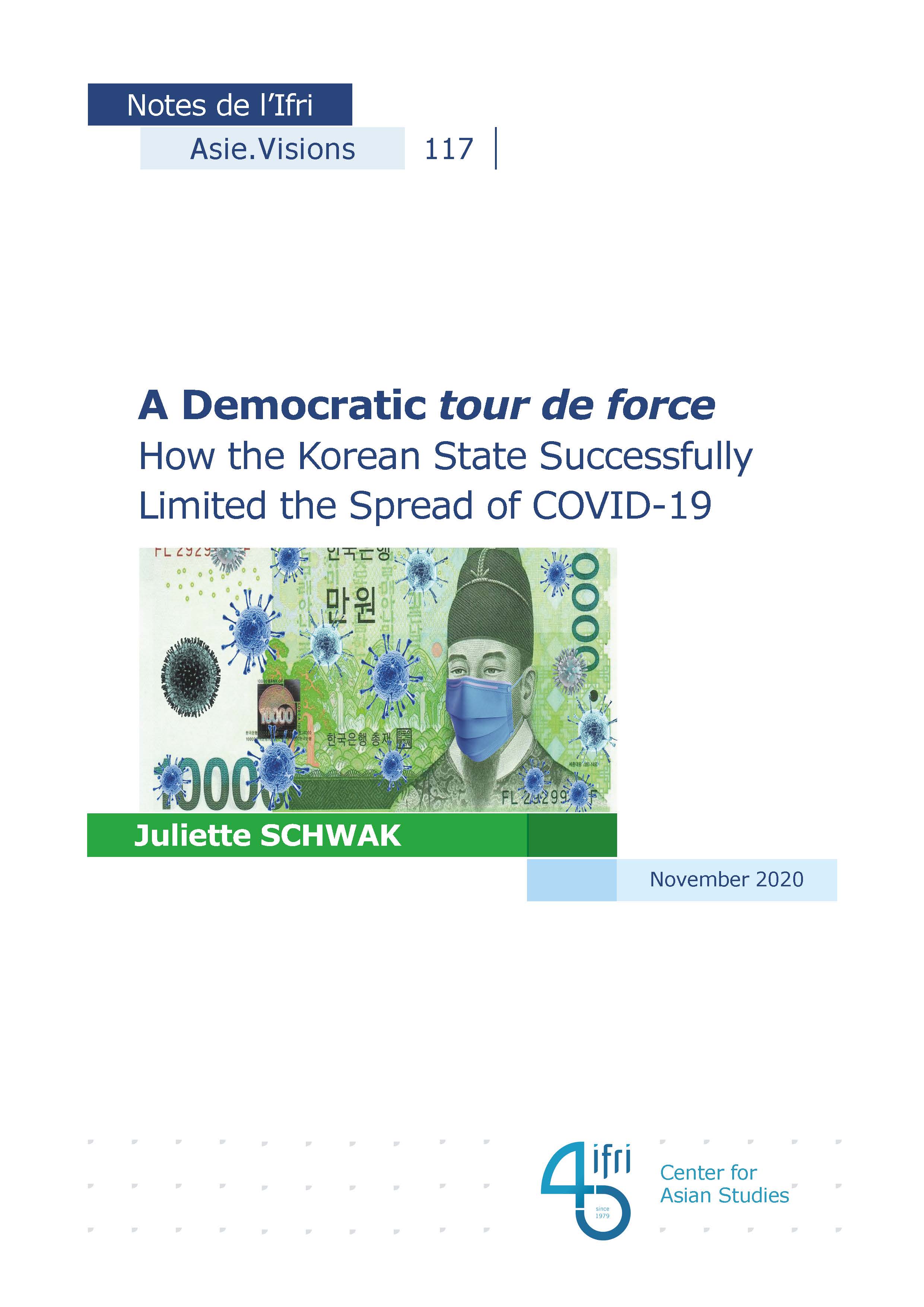
While the COVID-19 pandemic is still greatly affecting most of the world, the Republic of Korea has managed to stall the spread of the disease.
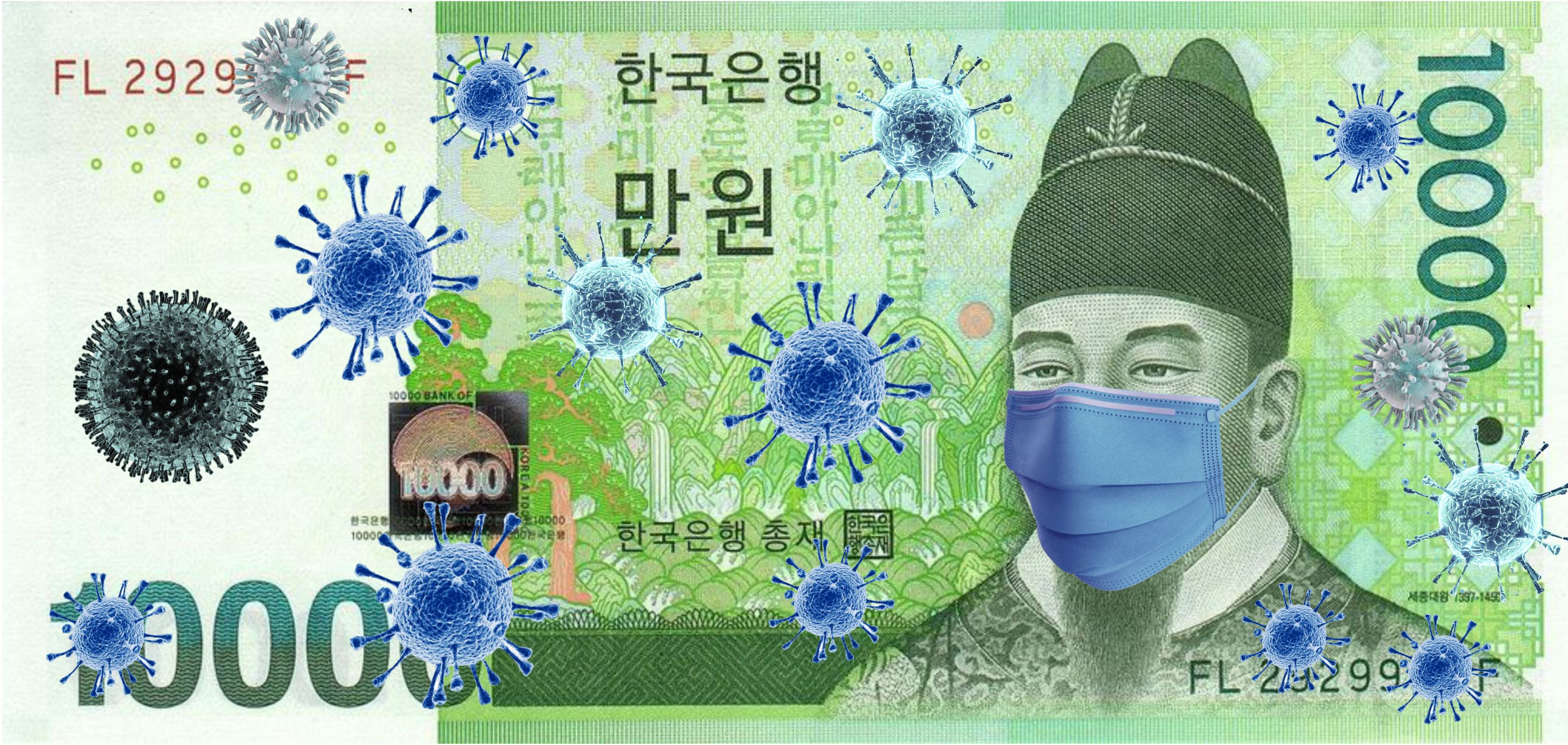
No nationwide or even local lockdown was imposed; citizens largely complied with government guidance on social distancing and there have been no COVID-related protests in the country. The response of the Korean government and of Korean society to the COVID-19 crisis has generated much interest among foreign observers, who wonder how the Korean government was able to limit the spread of the disease while maintaining economic activity and without generating distrust among the population.
The paper argues that a multiplicity of factors have enabled the Korean government to limit the spread of the disease without antagonizing the population but most importantly that it was Korea’s democratic control of technology that was effective in curbing the contagion curve, rather than technology per se. The Korean government has used information technologies and surveillance mechanisms to track COVID-19 cases through applications and tracing maps. But a transparent and legally limited use of surveillance technologies has proven decisive in the management of the pandemic.
However, several challenges still await Korea after COVID-19, even while it now exports its COVID response as a ‘K model’. These include the current second wave and imported cases, as well as domestic debates surrounding the government’s Keynesian response to the economic repercussions of the pandemic.
This page contains only a summary of our work. If you would like to have access to all the information from our research on the subject, you can download the full version in PDF format.
A Democratic tour de force: How the Korean State Successfully Limited the Spread of COVID-19

Center for Asian Studies
Asia is a nerve center for multiple global economic, political and security challenges. The Center for Asian Studies provides documented expertise and a platform for discussion on Asian issues to accompany decision makers and explain and contextualize developments in the region for the sake of a larger public dialogue.
The Center's research is organized along two major axes: relations between Asia's major powers and the rest of the world; and internal economic and social dynamics of Asian countries. The Center's research focuses primarily on China, Japan, India, Taiwan and the Indo-Pacific, but also covers Southeast Asia, the Korean peninsula and the Pacific Islands.
The Centre for Asian Studies maintains close institutional links with counterpart research institutes in Europe and Asia, and its researchers regularly carry out fieldwork in the region.
The Center organizes closed-door roundtables, expert-level seminars and a number of public events, including an Annual Conference, that welcome experts from Asia, Europe and the United States. The work of Center’s researchers, as well as that of their partners, is regularly published in the Center’s electronic journal Asie.Visions.

France’s View: From Diplomacy to Public-Private Action
France has emerged as the EU’s IMEC forerunner, combining port infrastructure, diplomatic alliances and public-private cooperation. With Marseille Fos at its core, the country brings a strategic hub for logistics, energy and digital connectivity to the corridor.
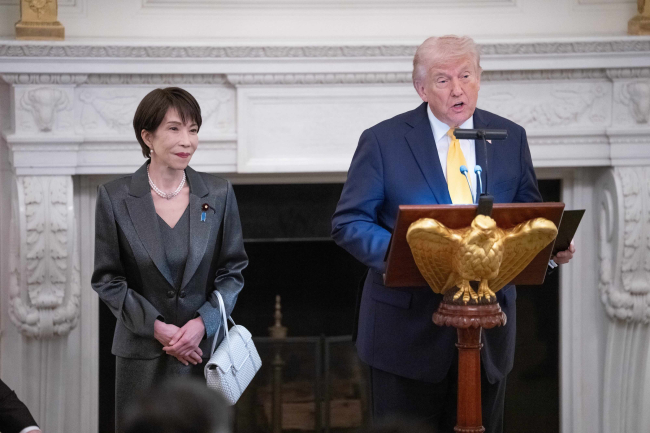
Trump II, the Crisis of the Rules-Based Order and Europe’s Indo-Pacific Strategy
This article examines the implications of Trump II for Europe’s engagement in the Indo-Pacific. The piece contends that Trump II is accelerating the erosion of the rules-based order and undermining the relevance of the Free and Open Indo-Pacific (FOIP) concept, while forcing Europe to refocus on its own continental security amid US retrenchment. Paradoxically, these very constraints create conditions for a more autonomous, pragmatic, and explicitly interest-driven European engagement in the Indo-Pacific, rather than outright withdrawal.
China and Trade in Critical Raw Materials (CRMs)
Critical raw materials (CRMs) have become central features of a new dynamic in global power politics, with China now wielding considerable leverage. Amid rising regional and global uncertainty, resource security is back in the spotlight as a key determinant of sovereignty and national security for Europe, its allies and its partners. The very survival of key, even vital industries, from automotive to aerospace to health to energy to defense, is at stake.
Japan’s Energy Policy after Hormuz. Security, Competitiveness, and Decarbonization
The 2026 Hormuz crisis has strengthened rather than weakened the rationale for Japan’s decarbonization strategy, contrary to what might have been expected. Rather than energy policy supplanting climate policy, the two should actually be viewed as inseparable.