Governance and Societies
States remain essential pillars of the international system, even if they are not the only players. Governance is a local, national and international issue.
Related Subjects

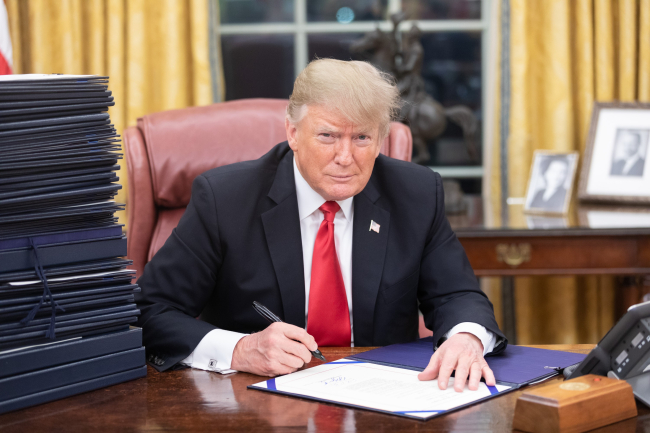
Trump II vs. Digital Governance: A Crusade in the United States and Europe
Since taking office, the Trump II administration has waged a systematic deregulation campaign targeting the tech sector in both the United States and Europe. How can Europe maintain dialogue while preserving its governance framework?
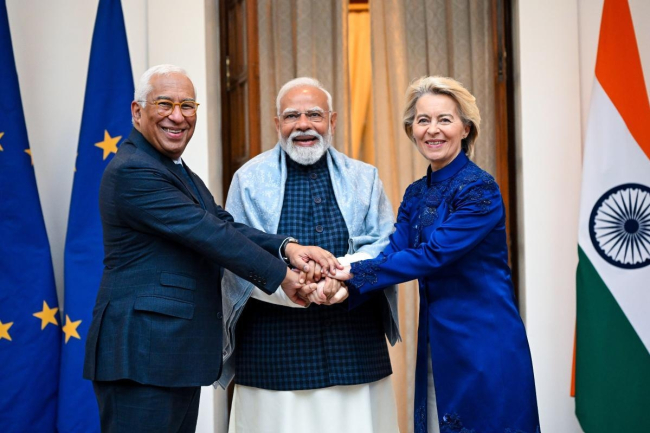
European Union-India: Lasting Rapprochement or Partnership of Convenience?
The partnership between the European Union (EU) and India has long been limited to economic exchanges. Its political dimension has gradually developed, culminating in its elevation to the status of a “strategic partnership” in 2004. However, the failure of negotiations for a free-trade agreement in 2013 slowed this momentum. Since the early 2020s, in an uncertain geopolitical context, bilateral rapprochement has gained new momentum.
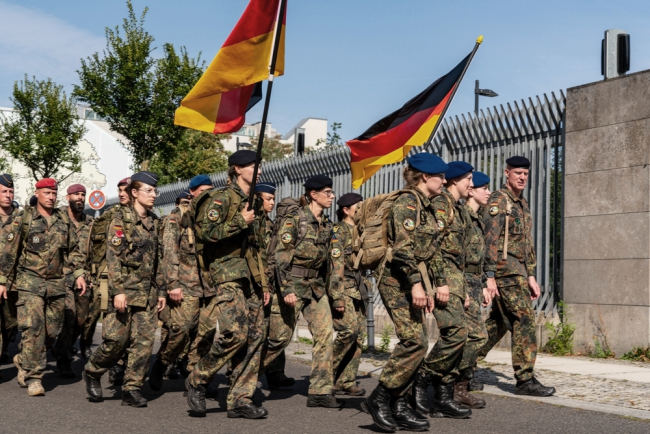
Bundeswehr: From Zeitenwende (historic turning point) to Epochenbruch (epochal shift)
The Zeitenwende (historic turning point) announced by Olaf Scholz on February 27, 2022, is shifting into high gear. Financially supported by the March 2025 reform of Germany’s “debt break” and backed by a broad political and societal consensus to strengthen and modernize the Bundeswehr, Germany's military capabilities are set to rapidly increase over the coming years. Expected to assume a central role in the defense of the European continent in the context of changing transatlantic relations, Berlin’s military-political position on the continent is being radically transformed.
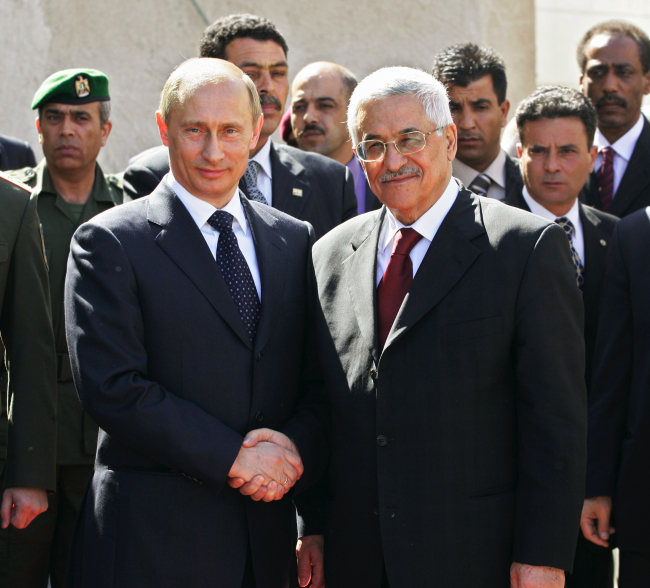
Russia, the Palestinians and Gaza: Adjustments after October 7th
The Soviet Union (USSR), and subsequently the Russian Federation as its internationally recognized legal successor, has consistently sought to play a visible role in efforts to resolve the Israeli-Palestinian conflict.
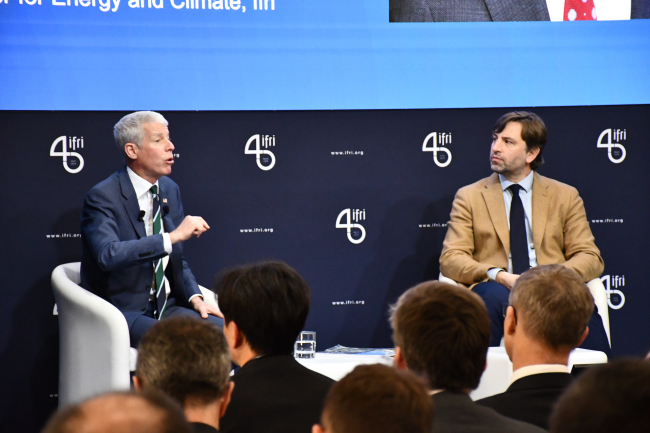
Replay - Conference with Chris Wright, Secretary, U.S. Department of Energy
Welcomed at the French Institute of International Relations (Ifri), Chris Wright outlined his vision of American energy policy built around two core axes: the human reality of energy access, and a data-driven approach. For the Secretary, energy is the foundation of prosperity, health, and longer life expectancy on a global scale. His doctrine rests on an ambition of American "energy dominance" — not merely independence, but the capacity to produce at scale in order to lower domestic costs, reindustrialize the country, and support U.S. allies.
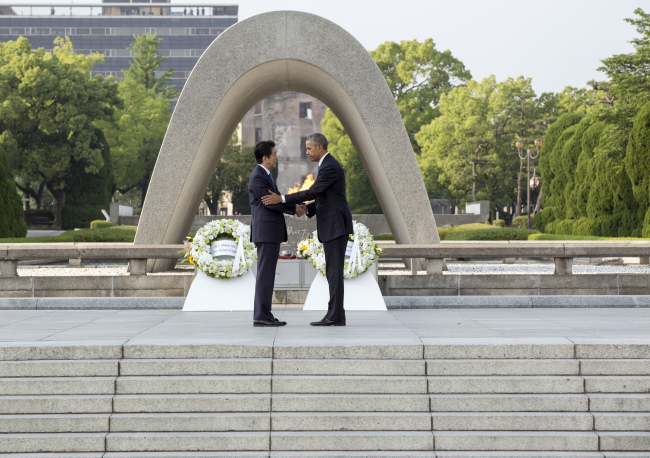
Japan’s Takaichi Landslide: A New Face of Power
Prime Minister Sanae Takaichi has turned her exceptional popularity into a historic political victory. The snap elections of February 8 delivered an overwhelming majority for the Liberal Democratic Party (LDP), driven by strong support from young voters, drawn to her iconoclastic and dynamic image, and from conservative voters reassured by her vision of national assertiveness. This popularity lays the foundation for an ambitious strategy on both the domestic and international fronts.

Canada’s Recognition of a Palestinian State: What Consequences on its Foreign Policy Toward Palestine?
On September 21, 2025, Canada became the 148th of 157 countries to recognize Palestine as a state. It did this with the United Kingdom (UK) and Australia, defying the United States (US) and Israeli opposition.
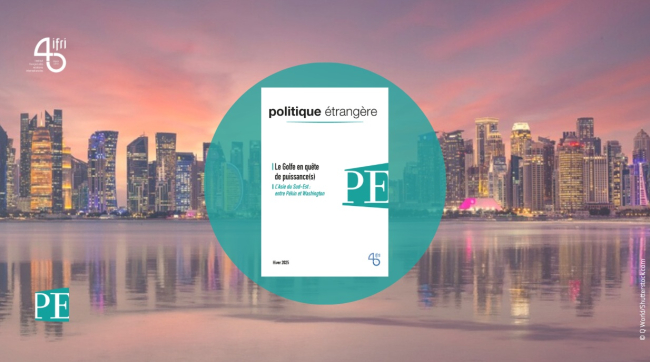
The New Diplomatic Weight of Gulf Countries
The political and economic weight of the Gulf monarchies has increased considerably. These countries have diversified their economies and become logistic hubs, attracting large numbers of investors. They have also managed to extend their power beyond their borders. However, the wider regional fallout of the war begun by Hamas on October 7, 2023 has cast doubt on the Gulf’s stability, especially as it seems that the American security umbrella can no longer be taken for granted
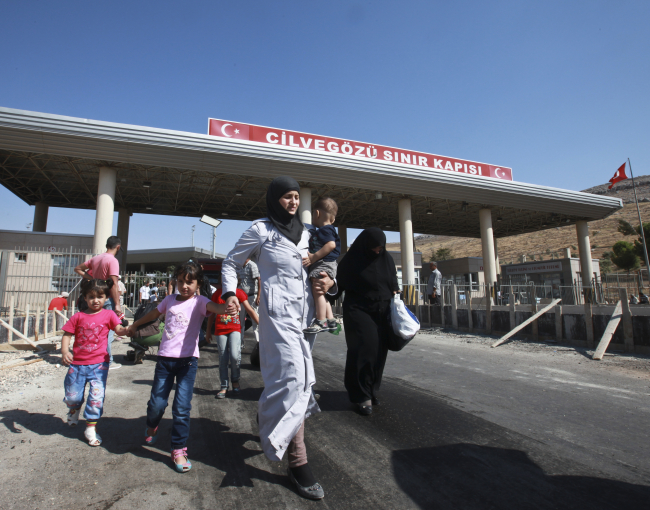
How to Jumpstart Economic Recovery in Syria? The role of syrian entrepreneurs in Turkey
This report examines the potential role of Syrian-partnered companies operating in Türkiye in supporting economic recovery and reconstruction efforts in Syria. Based on data collected through field research and surveys conducted by the Economic Policy Research Foundation of Türkiye (TEPAV), the report provides an overview of the business characteristics, sectoral distribution, and cross-border economic activities of Syrian entrepreneurs. The report explores how this business activity could contribute to restoring supply chains, stimulating local production, and generating employment.
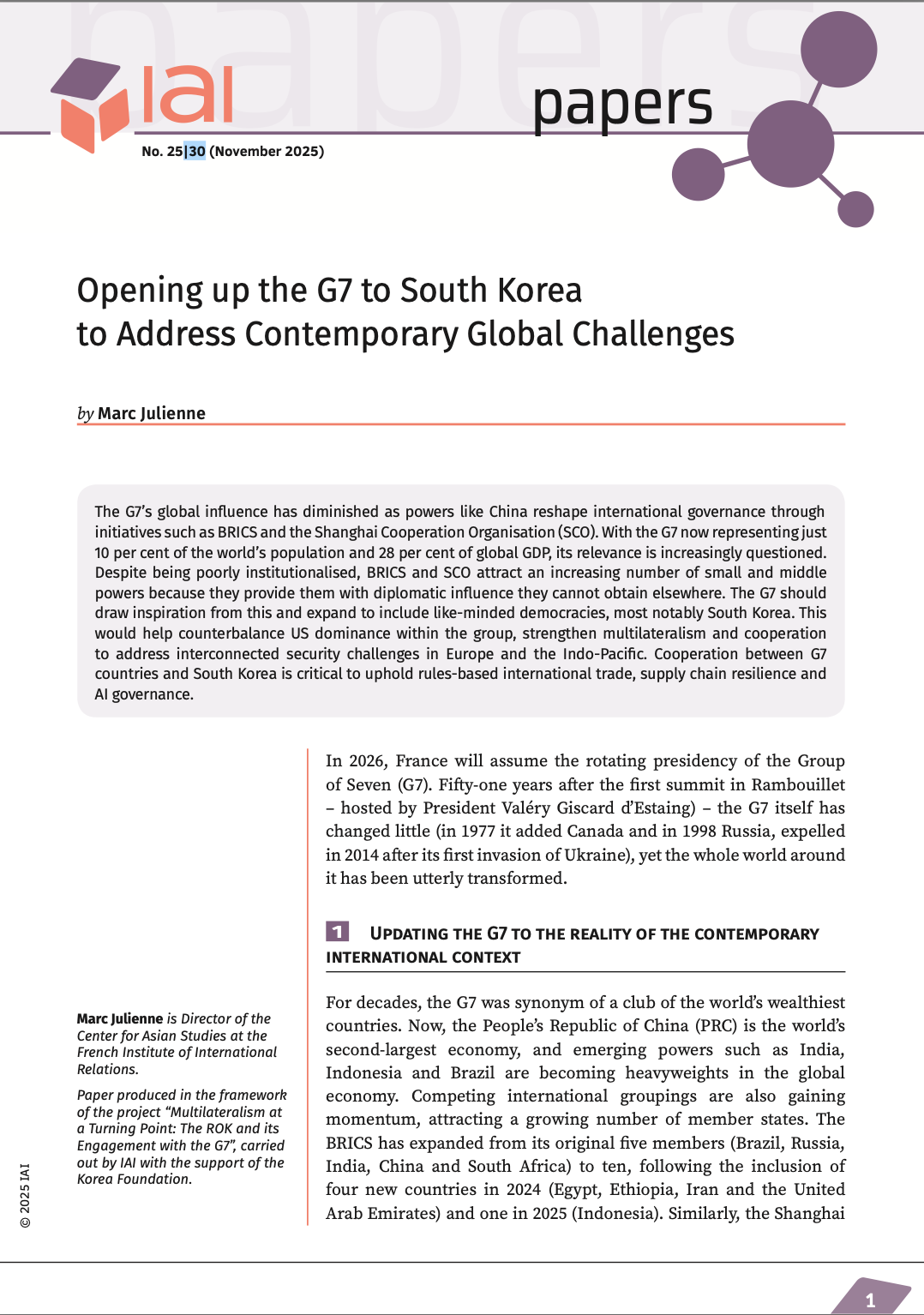
Opening up the G7 to South Korea to Address Contemporary Global Challenges
The G7’s global influence has diminished as powers like China reshape international governance through initiatives such as BRICS and the Shanghai Cooperation Organisation (SCO). With the G7 now representing just 10 per cent of the world’s population and 28 per cent of global GDP, its relevance is increasingly questioned.

China Plays Up Image of Reliable Partner as Foreign Monarchs Visit "The visit gives China a chance not only to reaffirm its closeness with the (Thai) Kingdom, but also to signal its continued regional relevance at a time when U.S. influence is visibly receding. It comes just two weeks after Trump's brief stop at the ASEAN Summit, where his visit's only visible outcome was his role in overseeing the signing of the short-lived peace declaration between Thailand and Cambodia. By contrast, China announced the deepening of its free-trade agreement with ASEAN" - Juliette Loesch.

quoted by Liz Lee in Reuters
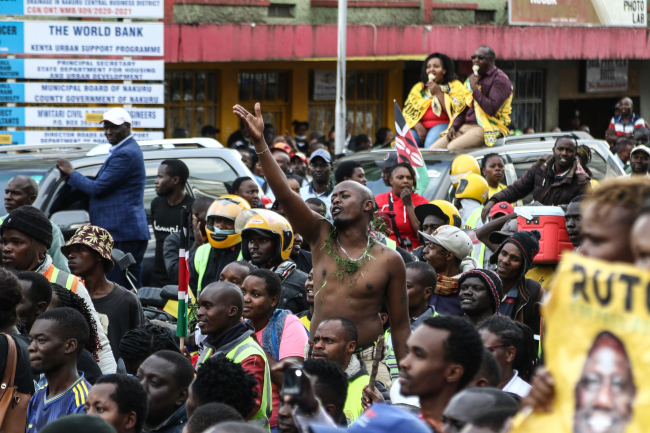
Claiming "The People": Youth Booms, Ailing Authoritarians and "Populist" Politics in Kenya, Uganda, and Tanzania
This study analyses the emergence of so-called “populist” political tendencies in three East African countries: Kenya, Uganda and Tanzania. It builds its analysis on a wider discussion of the term “populism”, its use and applicability in (eastern) African settings before going on to examine the drivers of three cases of populism: William Ruto’s 2022 election victory in Kenya and the “Hustler Nation”; Bobi Wine’s opposition to Yoweri Museveni in Uganda; and John Magufuli highly personal style of government in Tanzania.
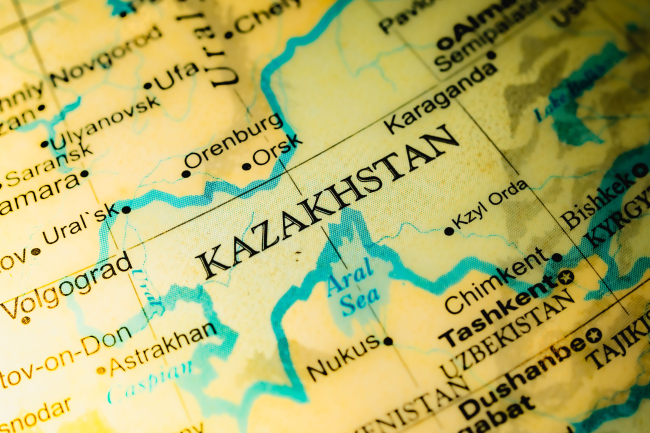
Kazakhstan After the Double Shock of 2022: Political, Economic and Military Consequences
The year 2022 represented a dual shock for Kazakhstan. In January, the country faced its most severe political crisis since independence, followed in February by Russia’s full-scale invasion of Ukraine, which cast uncertainty over the borders of post-Soviet states. These consecutive crises profoundly shaped Kazakhstan’s domestic and foreign policy.
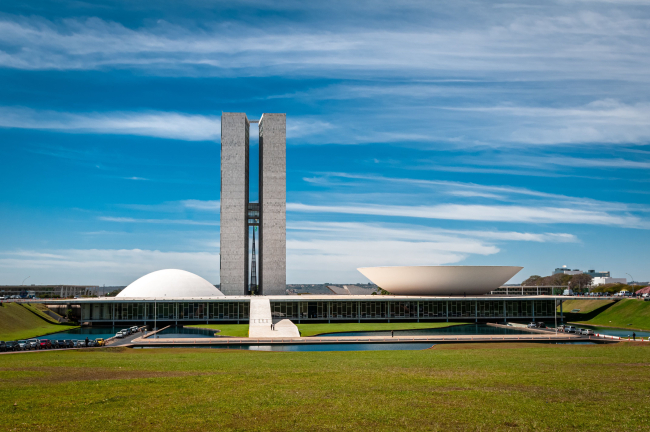
Brazil One Year Away from the October 2026 General Elections
Brazil’s general elections will be held on October 4, 2026, to elect the president, vice-president, members of the National Congress, governors, deputy governors and state legislative assemblies. For the presidential and gubernatorial elections, a second round will be held on October 25 if no candidate obtains a majority of the votes in the first round.
COP30: An Inflection Point for Climate Action and Governance
The 30th Conference of the Parties (COP30), opening in Belém, Brazil, on November 10th 2025, convenes at a perilous moment.

Expanding SPDMM as a pivotal institution in the Pacific – A French perspective
The South Pacific Defence Ministers’ Meeting (SPDMM) is the only forum that brings together defense ministers from the wider South Pacific — including Chile, which is hosting it for the first time. This heterogeneous group of countries with varying resources, capacities, and interests — Australia, Chile, Fiji, France, New Zealand, Papua New Guinea (PNG), and Tonga — are united by their shared determination to strengthen cooperation on maritime security and humanitarian assistance and disaster relief (HADR) activities.
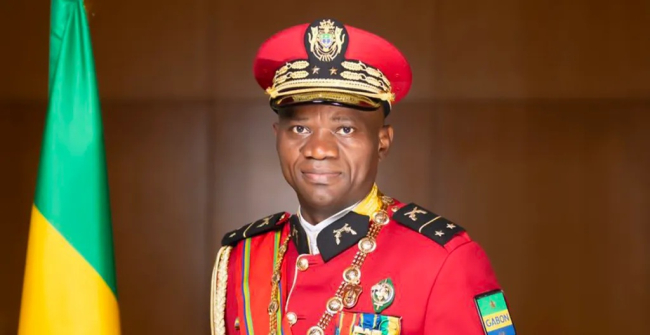
Gabon: Has an — Almost — Exemplary Transition Produced a New Political Model?
In two rounds of voting, on September 27 and October 11, 2025, the citizens of Gabon elected the members of both their local councils and the new national assembly. This marked almost the final stage of political transition, little more than two years after the coup d’état that had overthrown the more than five decades old dynastic regime of the Bongos — Omar, the father, who died in office in 2009, and then his son Ali, who is now in exile.
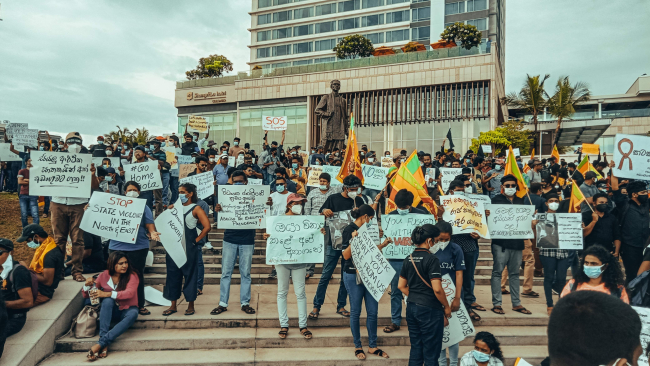
Sri Lanka’s NPP Government. From System Change to Structural Compliance
In September 2024, a relative outsider to Sri Lanka’s two-party-dominated political system, Anura Kumara Dissanayake, won the presidential elections. The anti-establishment, populist movement he represented, the National People’s Power (NPP), went on to receive an overwhelming mandate in the November 2024 general elections, winning 159 seats in a 225-member parliament.
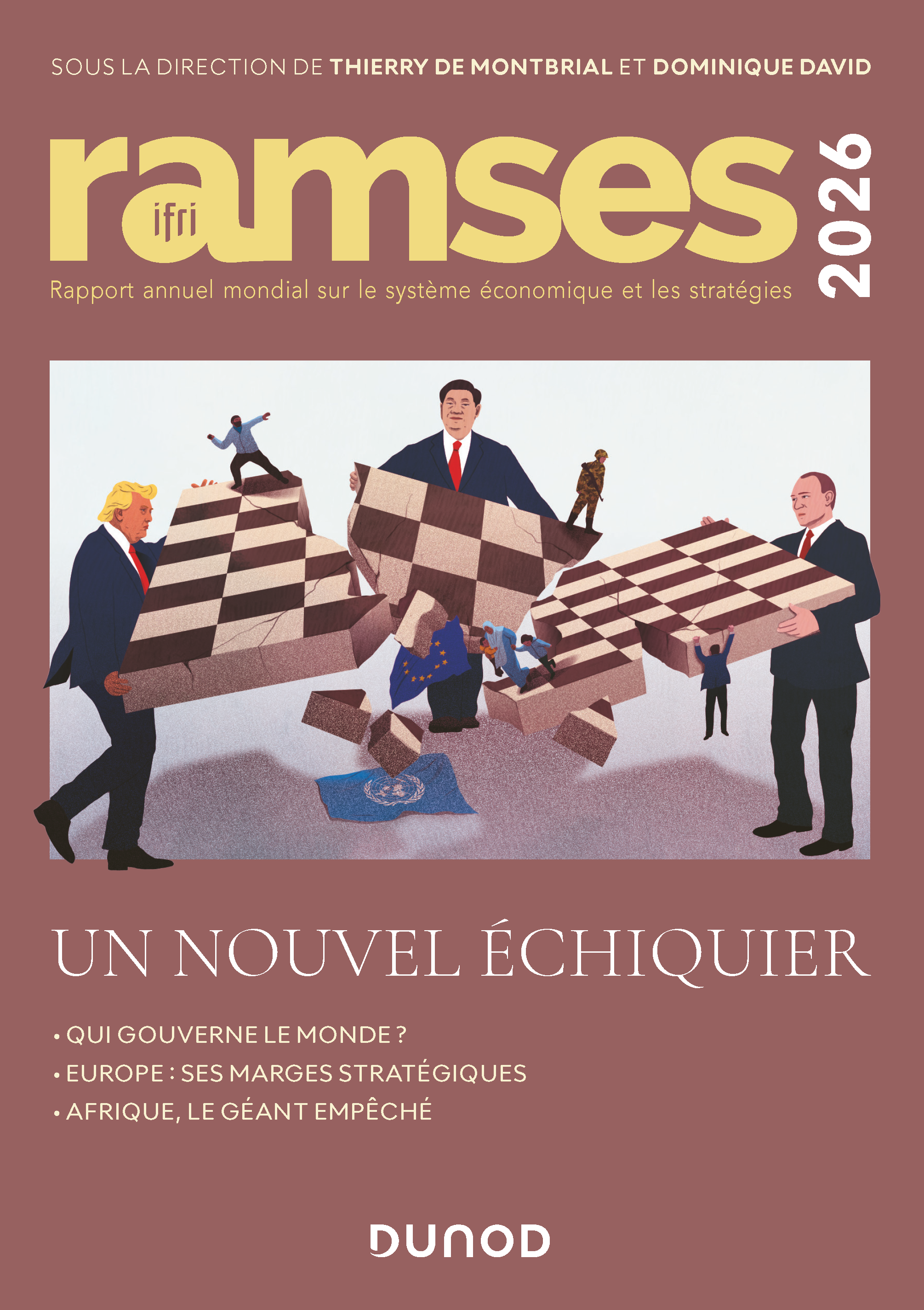
Ramses 2026. A New Chessboard
A world chessboard chopped up by the vertigo of power...
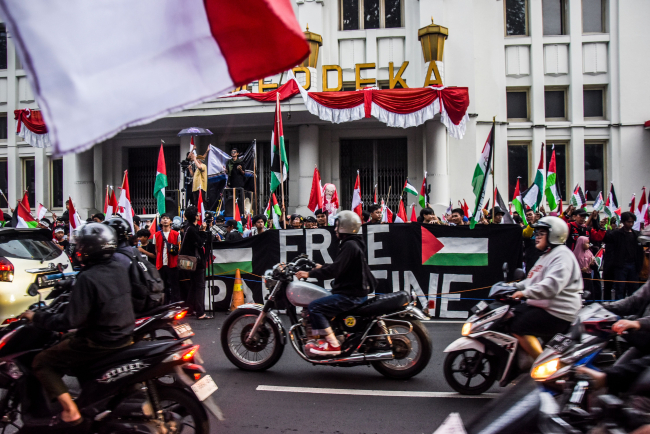
Indonesia and the Palestinian Cause
During his inaugural presidential speech on October 20, 2024, Indonesia’s incumbent president, Prabowo Subianto, iterated certain principles central to the philosophical foundation of the Indonesian nation. He noted Indonesia’s longstanding foreign policy of non-alignment or “bebas dan aktif” (free and active) and its aversion to military pacts.
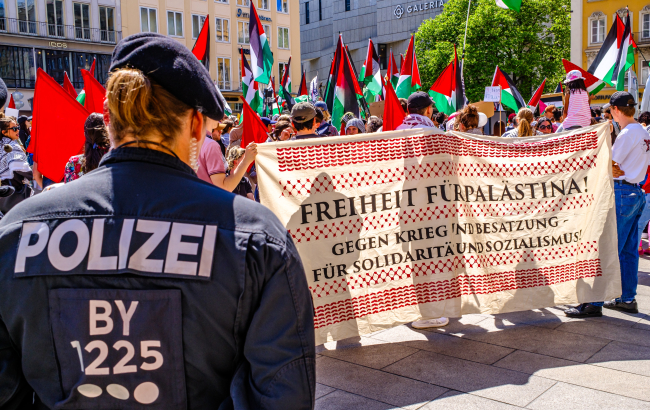
Overwhelmed: Germany’s Israel Policy after October 7th
Few countries have been as profoundly affected by the attacks of October 7th and the subsequent Gaza war as Germany. This is not merely a political controversy. It reflects a deeper structural problem: German-Israel policy has long rested on two guiding principles—a particular historical responsibility toward Israel derived from the Holocaust, and a firm commitment to universalist norms, above all international law and human rights.

What Do Companies Fear? The New Geography of Geopolitical Risk
Geopolitical risk has established itself, within the space of a few years, as a central variable in corporate strategy.
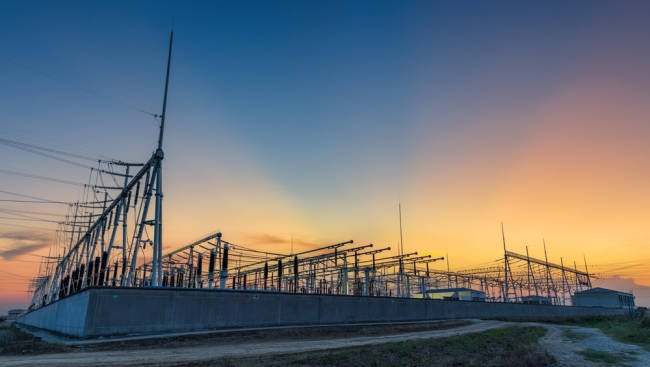
Europe’s Power Grid Challenge: A Make-or-Break for Accelerating Electrification
In April 2023, The Economist published an article pointing to the vast amounts of electricity infrastructure needed to reach energy transition goals.
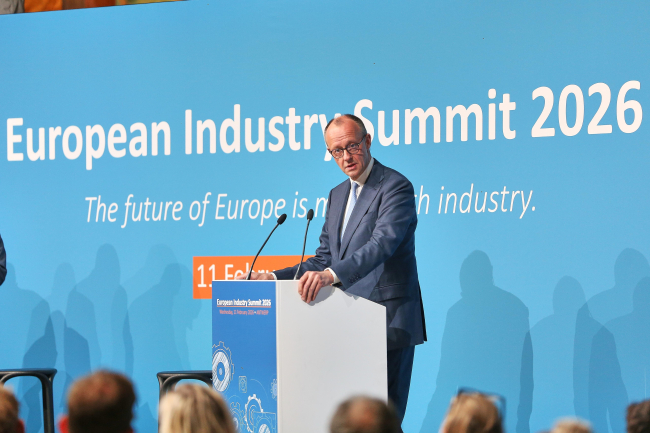
Reviving the German Economy: Balancing Economic, Social, and Defense Priorities
Germany is facing fundamental challenges to its economic and social model and is seeking a new course. The German post-war model was hugely successful, leading to economic strength and prosperity over many decades, but now it is steadily faltering. The previously latent fear of deindustrialization is becoming more concrete, particularly due to the weakening of a key sector: the automotive industry.
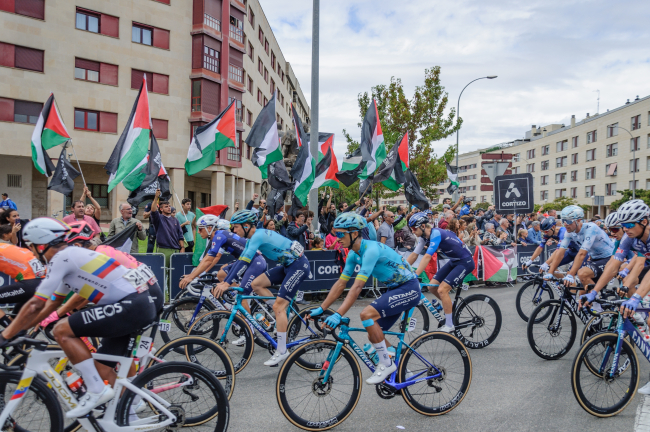
Escalation within Continuity: Spain’s Foreign Policy towards Israel and Palestine after October 7th
Over the past two years, Spain has emerged as one of the most vocal countries in supporting the Palestinian cause. While Madrid initially aligned with the prevailing European position, recognizing Israel’s right to self-defense after the 7 October attacks, it soon distinguished itself from most European Union (EU) Member States by questioning and later condemning Israel’s conduct of war in Gaza.
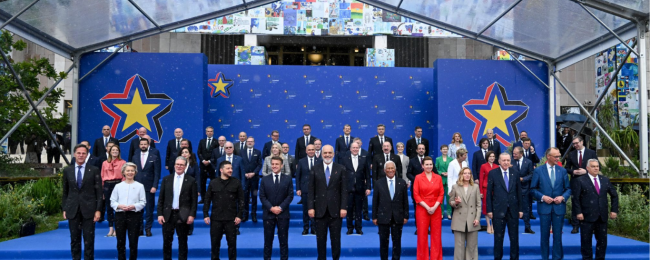
The Geopolitical Maturation of the European Political Community
After Albania and Denmark in 2025, it will be Armenia’s turn to host the next summit of the European Political Community (EPC). As Yerevan gets ready to welcome the leaders of more than 40 European countries, the location of the summit in the heart of the South Caucasus draws attention to the geopolitical significance of the format, launched in Prague in 2022.

Australia’s Recognition of Palestine: A Case of Supporting the Status Quo over Accountability
Hamas’s terrorist attacks against Israel on October 7, 2023, killed over a thousand Israelis, altering irrevocably the way the Palestinian/Israeli conflict is viewed internationally. Australia’s government professed profound shock and disgust at Hamas’s attacks, together with its unwavering diplomatic and political support for Israel. But as Israel’s response became more concerned with exacting revenge and as the pretext to fulfill long-held ideological dreams of a Greater Israel, support from Australia became more muted and conditional. This culminated in Australia joining Britain, France, and Canada in formally recognizing a Palestinian state at the United Nations General Assembly meeting in September 2025.
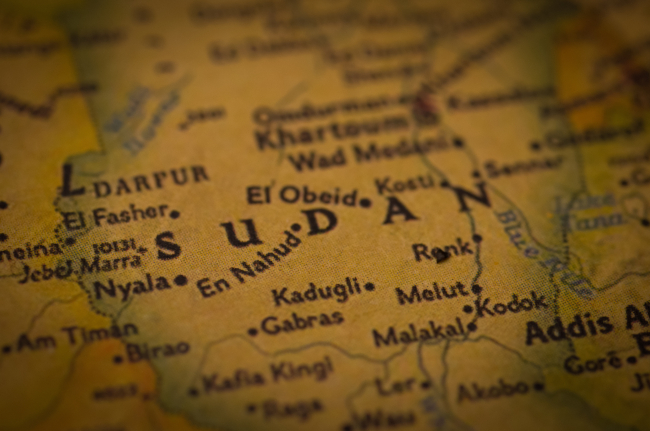
Sudan Wartime Online Propaganda
In the Sudan conflict, the propaganda battle between the Sudan Armed Forces (SAF) and the Rapid Support Forces (RSF) on mainstream and social media makes it hard to distinguish real, false, and manipulated information. Furthermore, the lack of field press coverage allows fake and misleading news to spread more easily. Although the SAF and RSF work hard to shape the war narrative by building large supporter networks and using various methods such as disinformation and censorship, it is clear they no longer fully control the flow of information. Social media analysis shows that Sudanese politicians, military figures, influencers, and followers weave a tangled web of exchanges filled with rivalries, lies, and propaganda.
Trump II vs. Digital Governance: A Crusade in the United States and Europe
Since taking office, the Trump II administration has waged a systematic deregulation campaign targeting the tech sector in both the United States and Europe. How can Europe maintain dialogue while preserving its governance framework?
European Union-India: Lasting Rapprochement or Partnership of Convenience?
The partnership between the European Union (EU) and India has long been limited to economic exchanges. Its political dimension has gradually developed, culminating in its elevation to the status of a “strategic partnership” in 2004. However, the failure of negotiations for a free-trade agreement in 2013 slowed this momentum. Since the early 2020s, in an uncertain geopolitical context, bilateral rapprochement has gained new momentum.

Calais Migrant Crisis: Refugees Risk Their Lives To Leaves France For UK
The distance between Dover, England, and Calais, France, is only 30 miles. For migrants and refugees trying to cross from France to Britain through a tunnel underneath the English Channel, however, that short distance represents a dangerous journey and a risk of deportation, grave injury and even death.
Ifri, a foundation recognized as being of public utility, relies largely on private donors – companies and individuals – to guarantee its sustainability and intellectual independence. Through their funding, donors help maintain the Institute's position among the world's leading think tanks. By benefiting from an internationally recognized network and expertise, donors refine their understanding of geopolitical risk and its consequences on global politics and the economy. In 2026, Ifri partners with over 90 French and international companies and organizations.