

Asia and Indo-Pacific
Asia and the Indo-Pacific are often presented as the heart of international relations in the 21st century.
Related Subjects


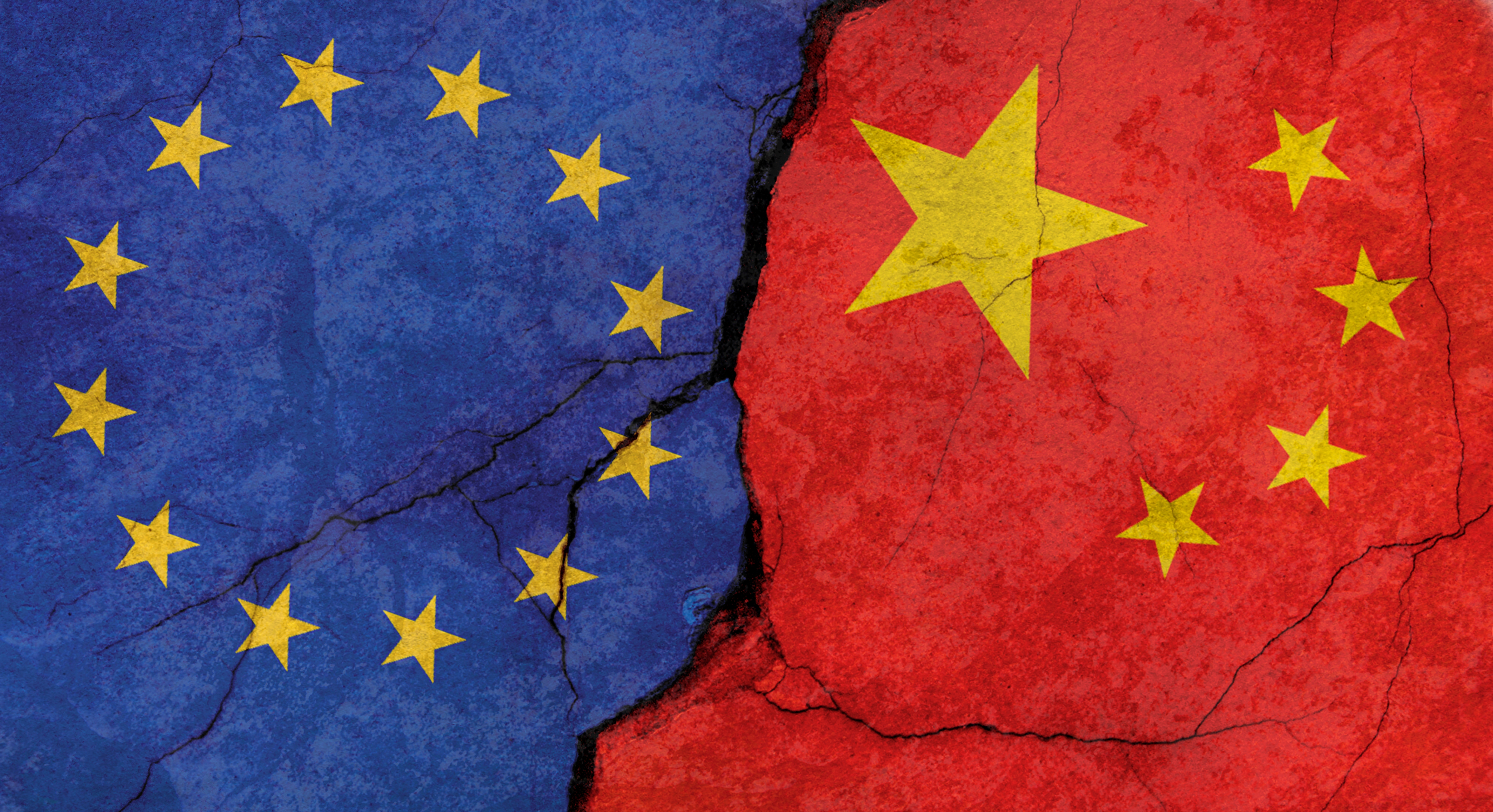
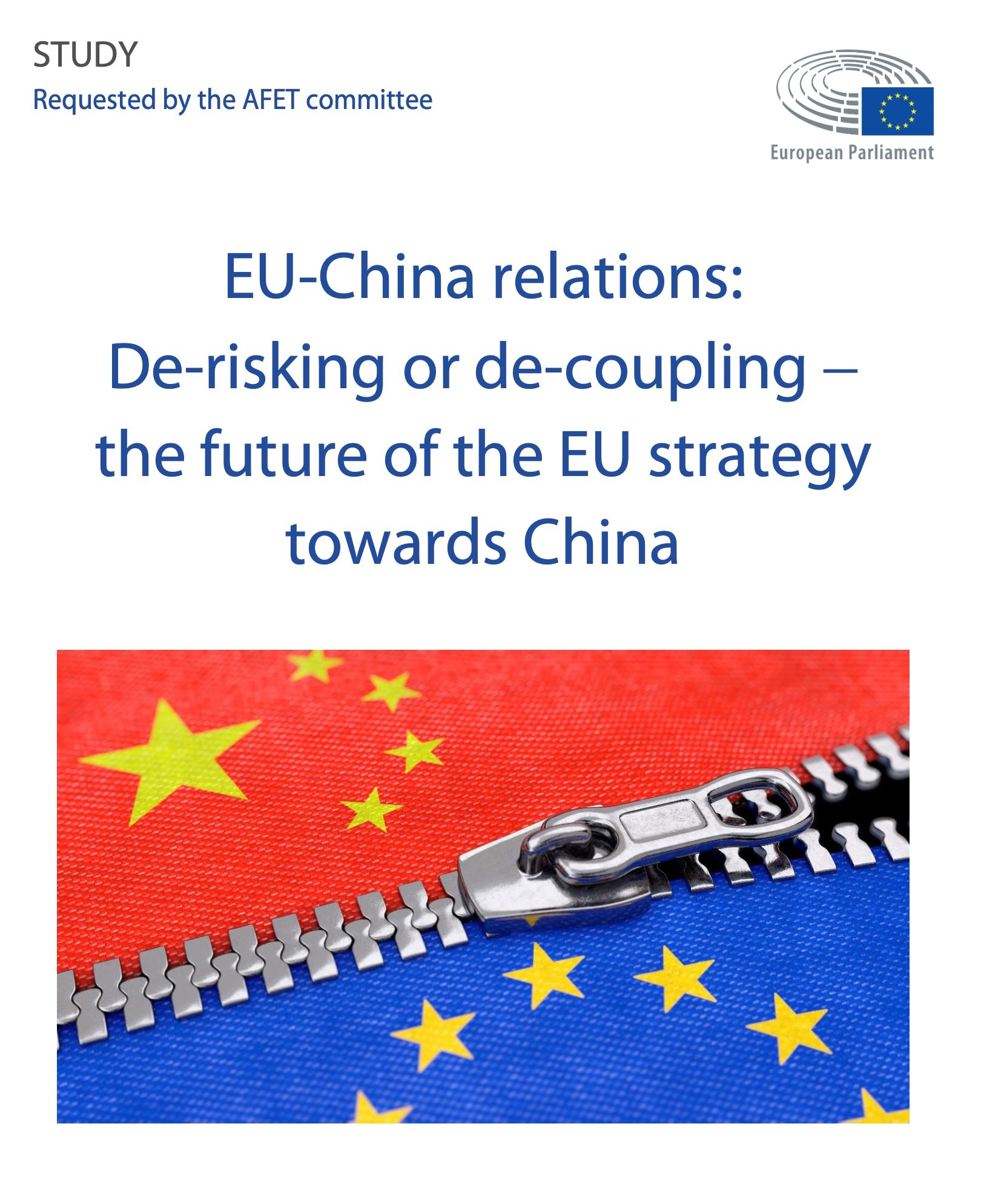
EU-China relations: De-risking or de-coupling − the future of the EU strategy towards China



As China’s Pacific influence grows, Japan eyes deeper ties with island nations amid their domestic woes
Japan has supported the region by setting up hospitals, building roads and bridges, and assisting in climate change mitigation and disaster relief. Tokyo’s renewed focus on Pacific nations comes amid regional concern over Fukushima waste water discharge and as Chinese influence grows.

Italy's BRI withdrawal shines light on ties ahead of EU-China summit
PM Meloni makes move after calculating that membership failed to yield benefits.Italy's decision to pull out of China's Belt and Road Initiative has placed a spotlight on the relationship between the two countries and comes at an awkward time for Beijing, a day ahead of a summit it is holding with Europe.
Italy's Belt and Road blues highlight hopes for rival India-Europe corridor
Ship-to-shore cranes tower high above choppy waters and colorful containers on the Ligurian coast of northern Italy. Sailors coming in to dock are greeted with a smorgasbord of transportation industry names and logos, from Denmark's Maersk to Taiwan's Evergreen. Harder to spot is COSCO, the jewel of China's maritime business, which owns a 40% stake in the cutting-edge Vado Port System at Vado Ligure.

Macron is not giving up France's role as a Pacific player
President offers 'alternative' for states squeezed between U.S. and China
Macron's Taiwan comments expose muddled China policy
French President Emmanuel Macron's call for Europe to steer clear of a Taiwan conflict -- rooted in France's pride and deep-seated resistance to following America's lead -- has raised questions about where he and Paris really stand on China.

France's Macron is sending China the wrong signals
More realistic posture would strengthen Paris' role in Indo-Pacific region

Does Macron's stance on Taiwan weaken G7 deterrence against China?
One of Prime Minister Fumio Kishida’s top goals for next month’s Group of Seven summit in Hiroshima is to create a united front on issues like China and Ukraine. But finding a unified approach to dealing with Beijing’s assertiveness might have just become harder.

France’s Macron Renews Call for a Sovereign Europe Less Reliant on Foreign Powers
French president’s remarks follow criticism over his warning that Europe should steer clear of U.S.-China tensions over Taiwan
Europe is ‘counting on China’ to end Russia’s war in Ukraine, leaders tell Xi Jinping in Beijing
European Commission chief Ursula von der Leyen and French President Emmanuel Macron deliver united message to Chinese president during visit ; but as French leader signed over 20 business deals on China trip, EU chief took sterner line with Xi on economic grievances, human rights and Taiwan
In China, Macron appeals to Xi to help end Ukraine conflict
French President Emmanuel Macron called on Chinese President Xi Jinping to help convince Russia to hold negotiations toward ending the war in Ukraine as the two leaders met in Beijing on Thursday.
Support independent French research
Ifri, a foundation recognized as being of public utility, relies largely on private donors – companies and individuals – to guarantee its sustainability and intellectual independence. Through their funding, donors help maintain the Institute's position among the world's leading think tanks. By benefiting from an internationally recognized network and expertise, donors refine their understanding of geopolitical risk and its consequences on global politics and the economy. In 2026, Ifri partners with over 90 French and international companies and organizations.

Related centers and programs
European Think-tank Network on China (ETNC)
The European Think-tank Network on China (ETNC) is a gathering of China experts from a selection of European research institutes. It is devoted to the policy-oriented study of Chinese foreign policy and relations between China and European countries as well as China and the EU. It facilitates regular exchanges among participating researchers with a view to deepening the understanding within the European policy and research community and the broader public of how Europe, as a complex set of actors, relates with China and how China’s development and evolving global role is likely to impact the future of Europe. The network’s discussions and analyses take a decidedly ‘bottom-up’ approach, accounting for the various aspects of bilateral relations between European countries and China, and the points of convergence and divergence among EU member states in order to examine EU-China relations in a realistic and comprehensive way. The views presented in ETNC reports are the sole responsibility of the signed authors and do not in any way represent the views of all members of the ETNC, its participating institutions, nor the institutions with which the authors are affiliated.
Center for Asian Studies
Asia is a nerve center for multiple global economic, political and security challenges. The Center for Asian Studies provides documented expertise and a platform for discussion on Asian issues to accompany decision makers and explain and contextualize developments in the region for the sake of a larger public dialogue.
The Center's research is organized along two major axes: relations between Asia's major powers and the rest of the world; and internal economic and social dynamics of Asian countries. The Center's research focuses primarily on China, Japan, India, Taiwan and the Indo-Pacific, but also covers Southeast Asia, the Korean peninsula and the Pacific Islands.
The Centre for Asian Studies maintains close institutional links with counterpart research institutes in Europe and Asia, and its researchers regularly carry out fieldwork in the region.
The Center organizes closed-door roundtables, expert-level seminars and a number of public events, including an Annual Conference, that welcome experts from Asia, Europe and the United States. The work of Center’s researchers, as well as that of their partners, is regularly published in the Center’s electronic journal Asie.Visions.