





Asia and Indo-Pacific
Asia and the Indo-Pacific are often presented as the heart of international relations in the 21st century.
Related Subjects


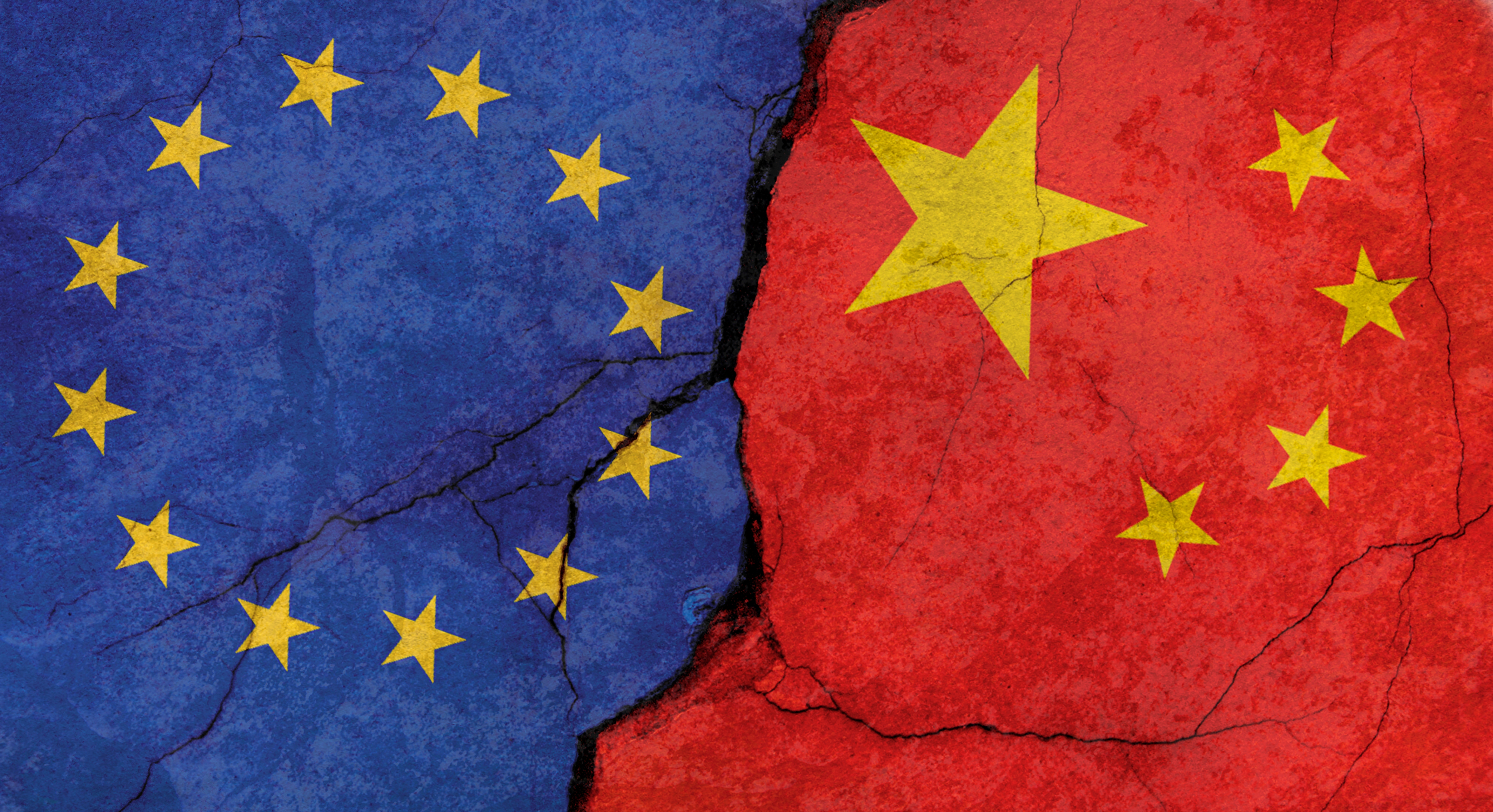
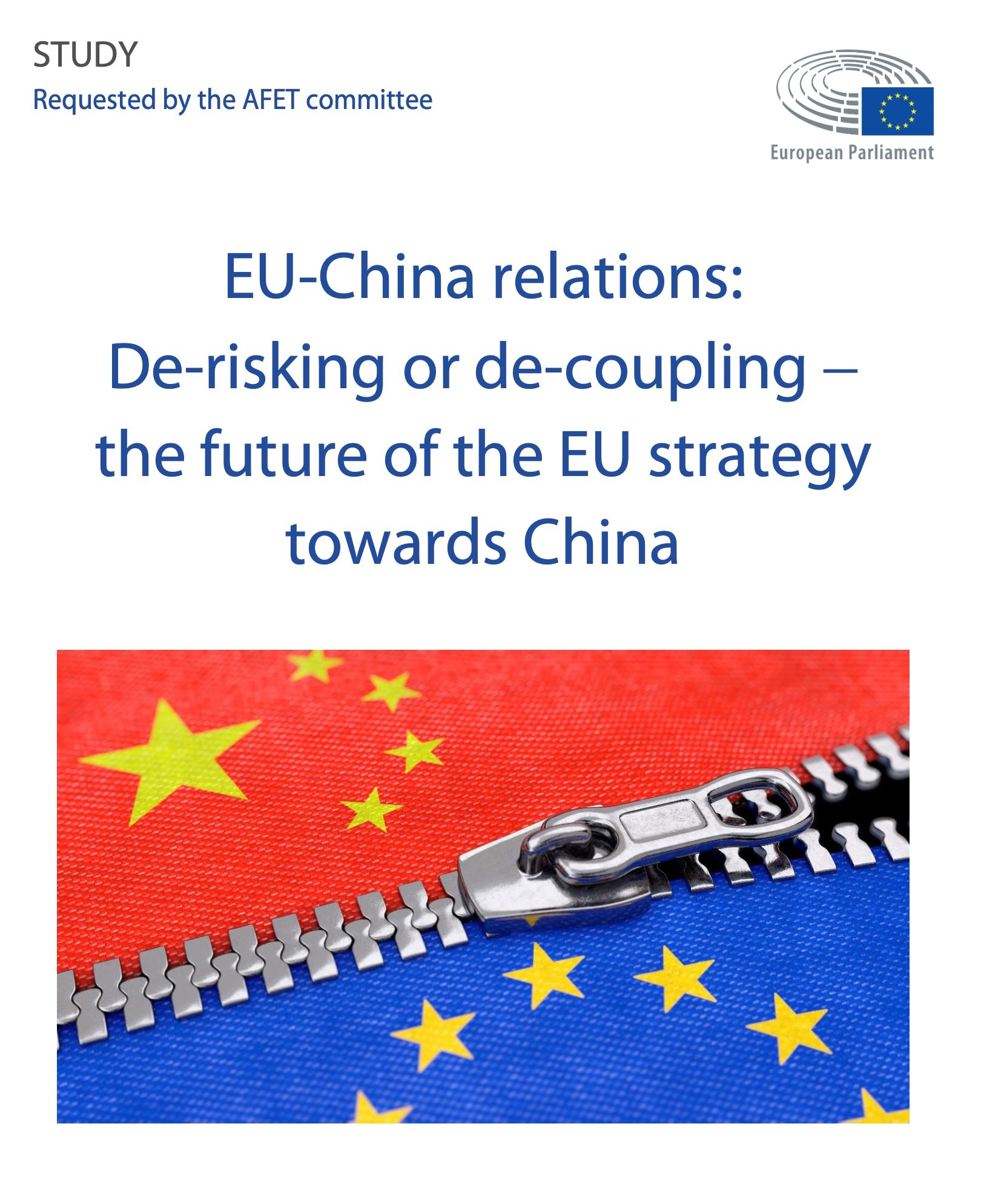
EU-China relations: De-risking or de-coupling − the future of the EU strategy towards China


The new Mao? China to lift term limits for President Xi Jinping
Does China now have a president for life? China's leader Xi Jinping could stay in power indefinitely following the ruling Communist Party's proposal to scrap term limits.
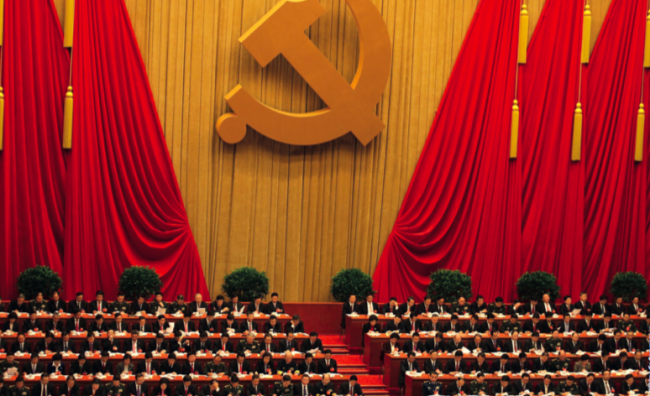
CPC's 19th National Congress: A Foreign Policy Perspective
As the 19th National Congress is now over, questions about foreign policy implications of China’s leadership reshuffle are raised.
Alice Ekman deciphers the 19th National Congress of the Communist Party of China in foreign policy terms.
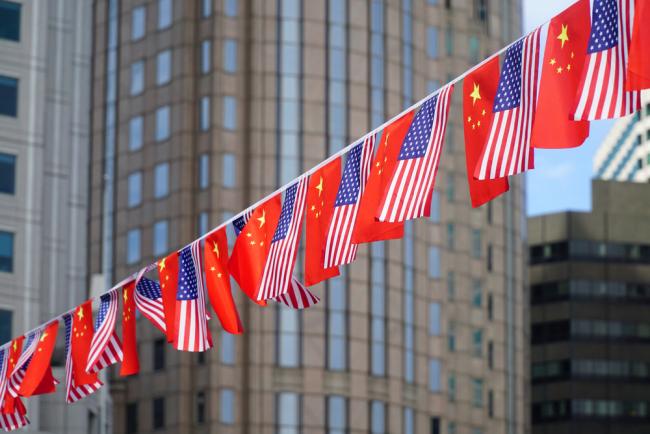
U.S. Visions of China: From Henry Kissinger to Donald Trump
Chinese power continues to grow both militarily and economically: its disputed territorial gains in the South China Sea are complemented by its extensive investment initiative in the New Silk Roads through the Eurasian continent.
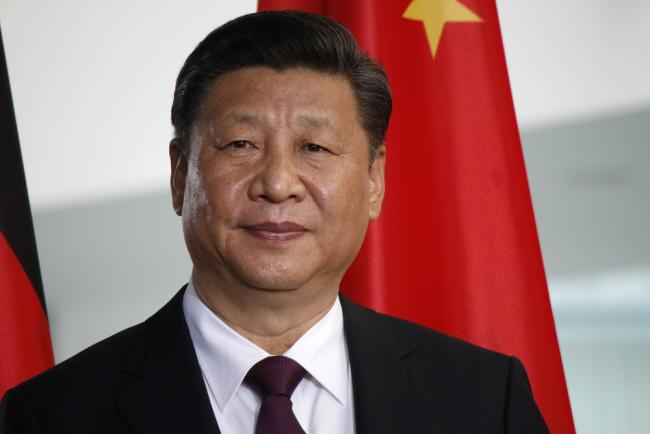
China and the “Definition Gap”: Shaping Global Governance in Words
Increasingly, China’s diplomacy is using key words commonly used by liberal democracies, but the meaning differs greatly. This evolution is changing the terms of the debate without changing a single term.
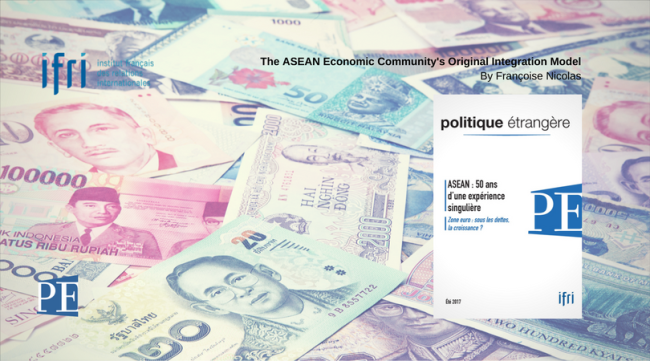
The ASEAN Economic Community’s Original Integration Model
When it was created 50 years ago, ASEAN's (Association of Southeast Asian Nations) economic ambitions were rather modest. However, up until 1992 it progressively integrated the economies of its member states.
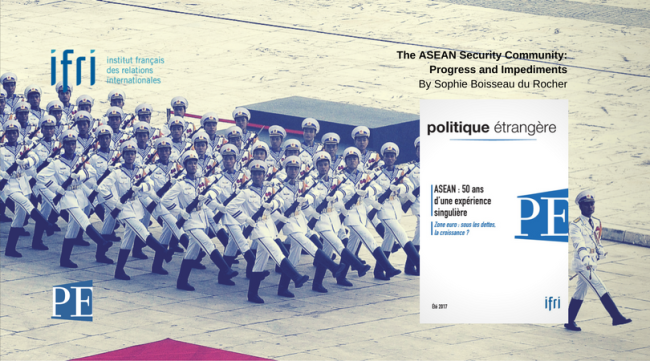
The ASEAN Security Community: Progress and Impediments
The Association of Southeast Asian Nations (ASEAN) strives to deal with security problems in an inclusive and flexible way. In 2003 it established a Security Community which has since expanded through several institutions and partnerships.

Menace islamiste, loi martiale, ... que se passe-t-il aux Philippines?
Philippines' President wants to limit islamist groups' capacity after several attacks in the South of the country.
North Korea's Nuclear Posture: an Evolving Challenge for U.S. Deterrence
A more capable, nuclear-armed, North Korea will pose very substantial challenges to the U.S. deterrence posture.
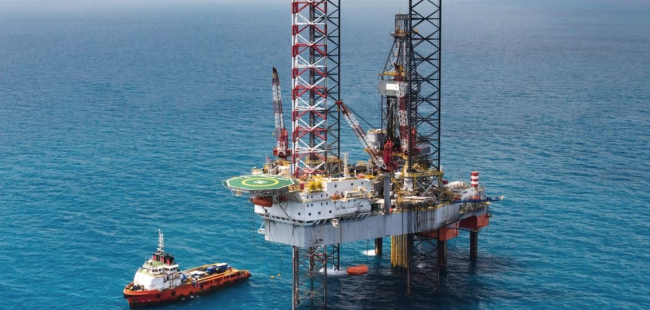
Energy in Southeast Asia: from Networks to Markets Integration
Southeast Asia is one of the world's most dynamic regions and experiences strong economic and energy demand growth rates. In this context, the Association of Southeast Asian Nations (ASEAN) is seeking to interconnect the electric grids and gas networks of the countries through two initiatives, the Asean Power Grid and the Trans-Asean Gas Pipeline, in order to pool resources and optimize energy markets integration in the region.
Najib Razak’s Malaysia: A solid economy on a foundation of political tension
Najib Razak began his term as Prime Minister of Malaysia in 2009 amidst a severe global economic crisis, concern over spiraling public debt and fears the country would fall into the ominous “middle income trap”.

Taiwan after the elections: what next?
On 16 January, the independence-leaning Democratic Progressive Party (DPP) won a double victory over the ruling party, the Kuomintang (KMT). DPP candidate Tsai Ing-wen was elected president with 56% of the vote, and for the first time the party won a majority in the Legislative Yuan – Taiwan’s parliament – with 68 of the 113 seats.

The ASEAN Community: The Reality of a Vision
On December 31, 2015, ASEAN launched its long-anticipated Community with relatively little fanfare. This low-profile attitude surprised many observers: announced as a milestone and the signal of the member-states determination to bring regional cooperation “to a higher plane,” the launch was indeed modest, even imperceptible.
On the Campaign Trail in Taiwan
Taiwan remains a hyperactive democracy, where political rallies and gatherings of various types are being organized in all directions as the elections draw near. This photo essay shows photos mainly taken during political rallies in Taipei in December 2015, two to three weeks before the presidential and legislative elections on January 16, 2016.
Going Tactical: Pakistan’s Nuclear Posture and Implications for Stability
For decades, the Asian security environment has been characterized by multiple strategic rivalries with cascading effects.

(Dis)integrating Asia? - Interview with Euan Graham
Euan Graham, Senior Fellow in the Maritime Security Programme at Rajaratnam School of International Studies (RSIS), explained Australia's position vis-à-vis regional economic integration in Asia.
How Asia is transforming geopolitical situation and it is most affecting Taiwan today? Interview with Francis Yi-hua Kan
Francis Yi-hua Kan is an Associate Research Fellow at the Institute of International Relations, National Chengchi University.
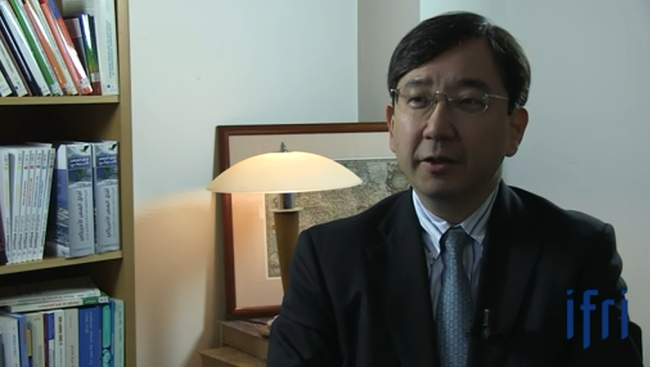
(Dis)integrating Asia? Interview with Toshiro Iijima
Toshiro Iijima, Deputy Director-General of the Japan Institute of International Affairs (JIIA), expressed his views on the following questions:
- How is the geopolitical transformation of Asie most affecting Japan?
- What is Japan's vision on shaping regional frameworks?
- Which regional entities should be the primary drivers in shaping regional frameworks?
Click here to read the program of the conference.

How is the geopolitical transformation of asia most affecting the United States? Interview with Christopher Johnso
Christopher Johnson, Senior Advisor and Freeman Chair in China Studies, Center for Strategic and International Studies (CSIS), and Managing Director for China, Bower Group Asia, expressed his views on the following questions:
Australia: A New Strategy for a Medium-Size Power
New configurations in Asia suggest to Canberra, as a middle-size power, that it should employ its external strategy as a means to bolster its security and regional stability.
Ifri, a foundation recognized as being of public utility, relies largely on private donors – companies and individuals – to guarantee its sustainability and intellectual independence. Through their funding, donors help maintain the Institute's position among the world's leading think tanks. By benefiting from an internationally recognized network and expertise, donors refine their understanding of geopolitical risk and its consequences on global politics and the economy. In 2026, Ifri partners with over 90 French and international companies and organizations.

The European Think-tank Network on China (ETNC) is a gathering of China experts from a selection of European research institutes. It is devoted to the policy-oriented study of Chinese foreign policy and relations between China and European countries as well as China and the EU. It facilitates regular exchanges among participating researchers with a view to deepening the understanding within the European policy and research community and the broader public of how Europe, as a complex set of actors, relates with China and how China’s development and evolving global role is likely to impact the future of Europe. The network’s discussions and analyses take a decidedly ‘bottom-up’ approach, accounting for the various aspects of bilateral relations between European countries and China, and the points of convergence and divergence among EU member states in order to examine EU-China relations in a realistic and comprehensive way. The views presented in ETNC reports are the sole responsibility of the signed authors and do not in any way represent the views of all members of the ETNC, its participating institutions, nor the institutions with which the authors are affiliated.
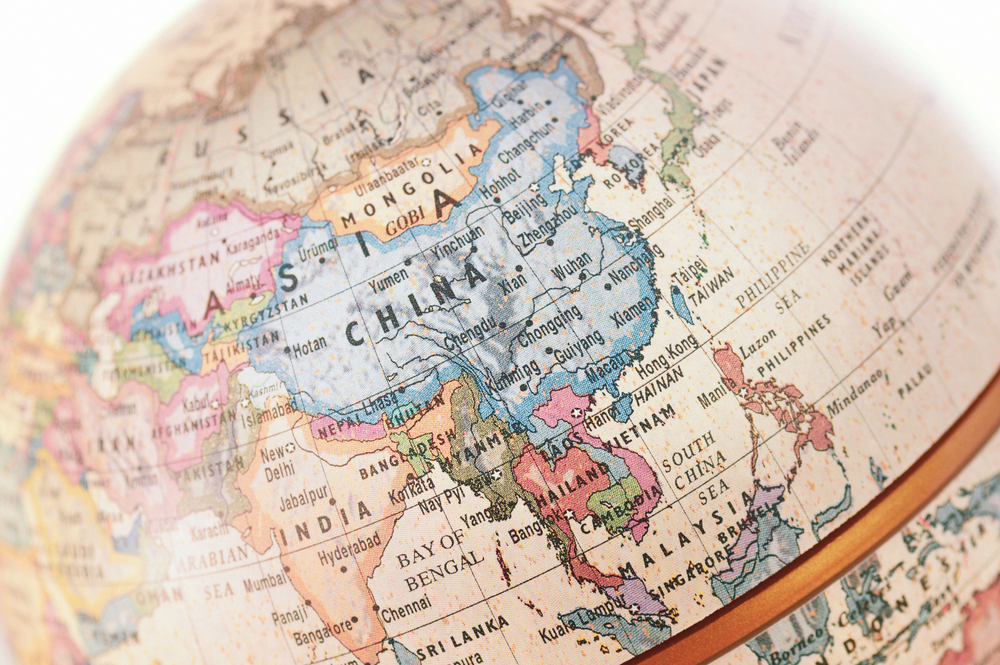
Asia is a nerve center for multiple global economic, political and security challenges. The Center for Asian Studies provides documented expertise and a platform for discussion on Asian issues to accompany decision makers and explain and contextualize developments in the region for the sake of a larger public dialogue.
The Center's research is organized along two major axes: relations between Asia's major powers and the rest of the world; and internal economic and social dynamics of Asian countries. The Center's research focuses primarily on China, Japan, India, Taiwan and the Indo-Pacific, but also covers Southeast Asia, the Korean peninsula and the Pacific Islands.
The Centre for Asian Studies maintains close institutional links with counterpart research institutes in Europe and Asia, and its researchers regularly carry out fieldwork in the region.
The Center organizes closed-door roundtables, expert-level seminars and a number of public events, including an Annual Conference, that welcome experts from Asia, Europe and the United States. The work of Center’s researchers, as well as that of their partners, is regularly published in the Center’s electronic journal Asie.Visions.