




Europe
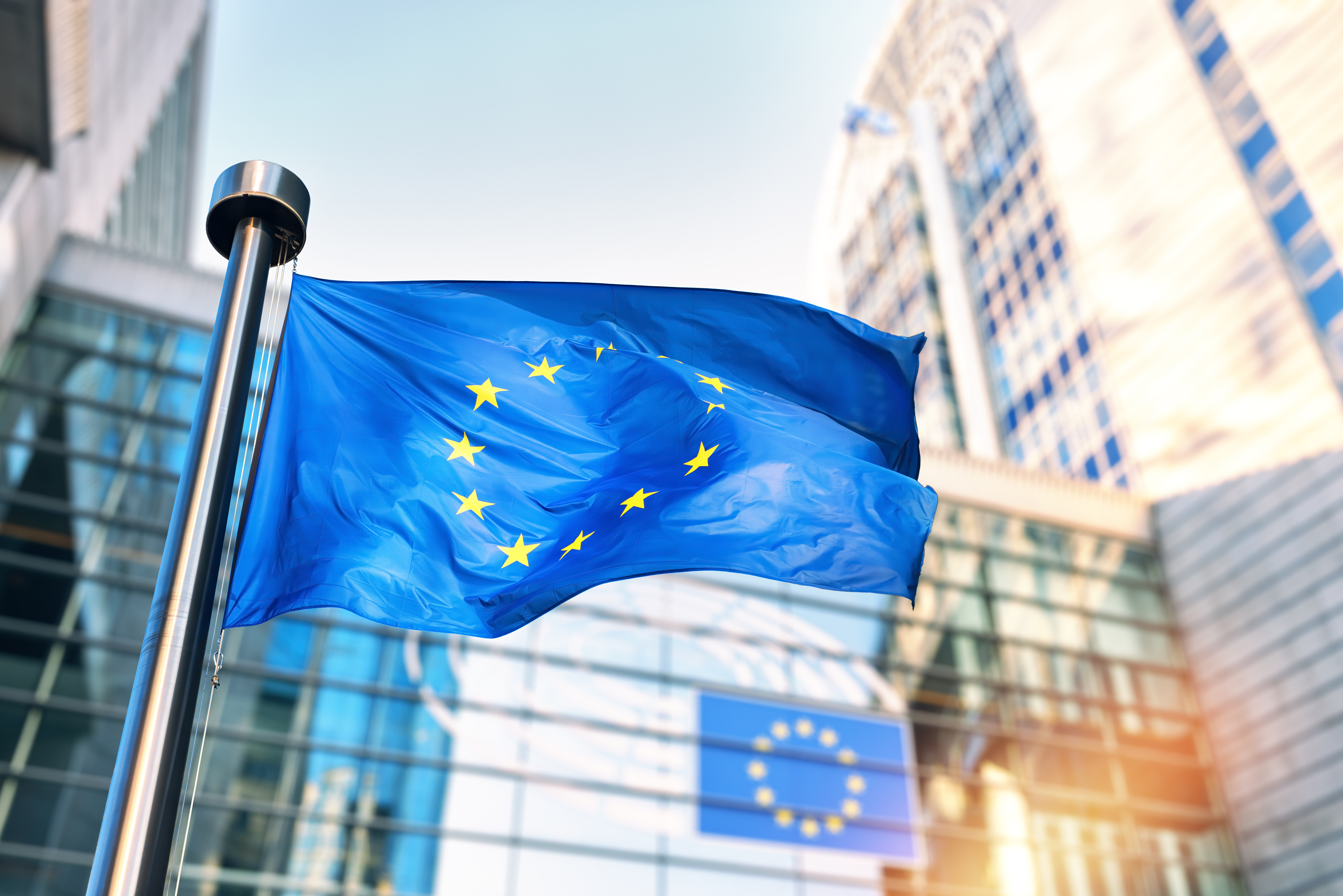
Europe is described here in a geographical sense. It is not limited to the European Union, and includes, for example, the United Kingdom and the Balkans. It remains central to international relations.
Related Subjects
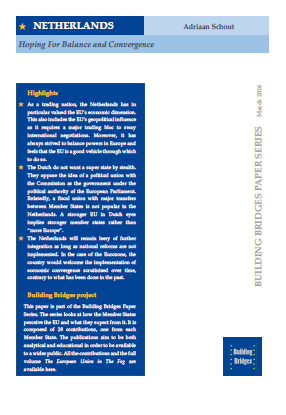
Netherlands: Hoping For Balance and Convergence
As a trading nation, the Netherlands has in particular valued the EU’s economic dimension. This also includes the EU’s geopolitical influence as it requires a major trading bloc to sway international negotiations. Moreover, it has always strived to balance powers in Europe and feels that the EU is a good vehicle through which to do so.
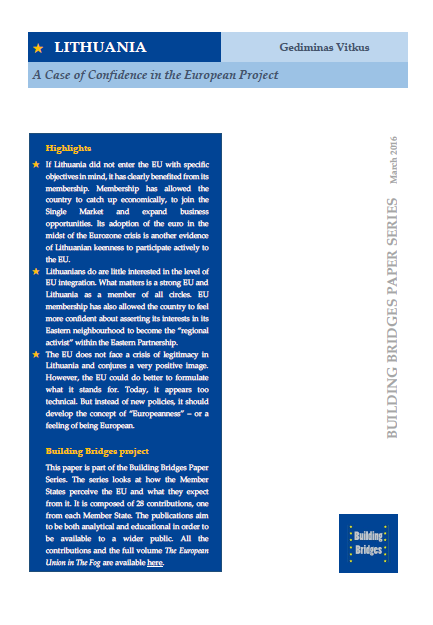
Lithuania: A Case of Confidence in the European Project
If Lithuania did not enter the EU with specific objectives in mind, it has clearly benefited from its membership. Membership has allowed the country to catch up economically, to join the Single Market and expand business opportunities. Its adoption of the euro in the midst of the Eurozone crisis is another evidence of Lithuanian keenness to participate actively to the EU.
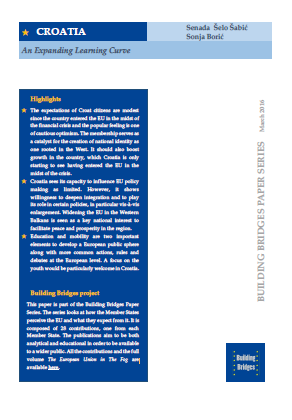
Croatia: An Expanding Learning Curve
The expectations of Croat citizens are modest since the country entered the EU in the midst of the financial crisis and the popular feeling is one of cautious optimism. The membership serves as a catalyst for the creation of national identity as one rooted in the West. It should also boost growth in the country, which Croatia is only starting to see having entered the EU in the midst of the crisis.

Slovakia: Country of Many Paradoxes
Slovakia might be perceived as a “latecomer” in preparing for EU accession only in the 1990s, but it caught up rapidly. Among its chief objectives was for Slovakians to achieve higher living standards and gain an external system of checks and balances, which would improve the country’s democratic processes and public administration.
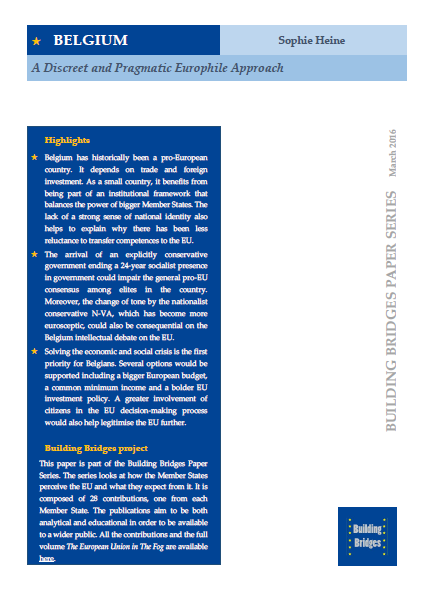
Belgium: A Discreet and Pragmatic Europhile Approach
Belgium has historically been a pro-European country. It depends on trade and foreign investment. As a small country, it benefits from being part of an institutional framework that balances the power of bigger Member States. The lack of a strong sense of national identity also helps to explain why there has been less reluctance to transfer competences to the EU.
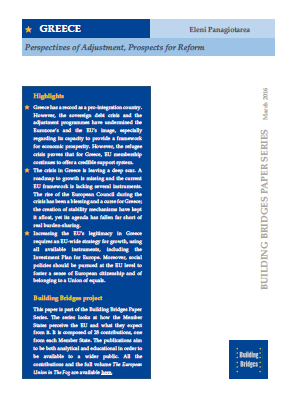
Greece: Perspectives of Adjustment, Prospects for Reform
Greece has a record as a pro-integration country. Yet, the sovereign debt crisis and the adjustment programmes have sapped the Eurozone’s and the EU’s image, especially regarding its capacity to provide a framework for economic prosperity. Still, the refugee crisis proves that EU membership continues to offer a credible support system within which it can expect economic aid, organisational backing and the protection of its borders.

Why Brexit is unpatriotic
“The United States, China, and maybe the European Union, if Great Britain stays within it” will lead tomorrow’s world; in fact, continued EU membership is the only way for the United Kingdom to secure “a future worthy of her past." This sentiment could have come straight out of an old French discourse on the pursuit of grandeur through European integration. In fact, it came from former British Labour Prime Minister Gordon Brown.
After UK: Who's next curbing social benefits?
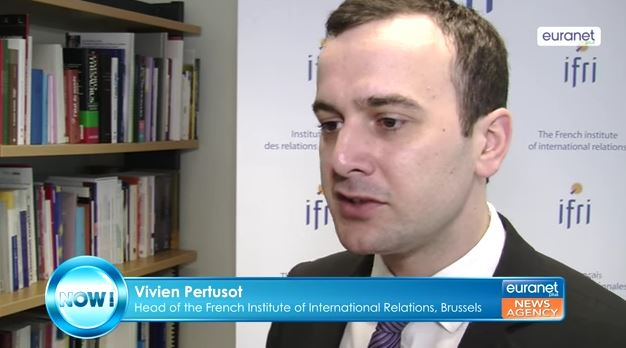
Vivien Pertusot appears in a news report by Euranet Plus looking at the section on social benefits from the deal found between the United Kingdom and the European Union.
Building Bridges Conversation Series - France & UK
This new episode of the Building Bridges Conversation Series is part of the "Building Bridges" project, which aims to foster debate on the future of the European Union and offer top quality analyses on how each member state perceives the EU. In this video, Vivien Pertusot, coordinator of the project, discusses with Dominique David from Ifri (France) and Anand Menon from King's College (UK).
Rushing to a deal on the UK could be ill-thought-out for the EU
France and Britain seeking eurozone agreement ahead of EU 'Brexit' summit
Vivien Pertusot analyses the difficulties between the United Kingdom and France over the draft deal on the "Brexit" negotiations ahead of the European Council.
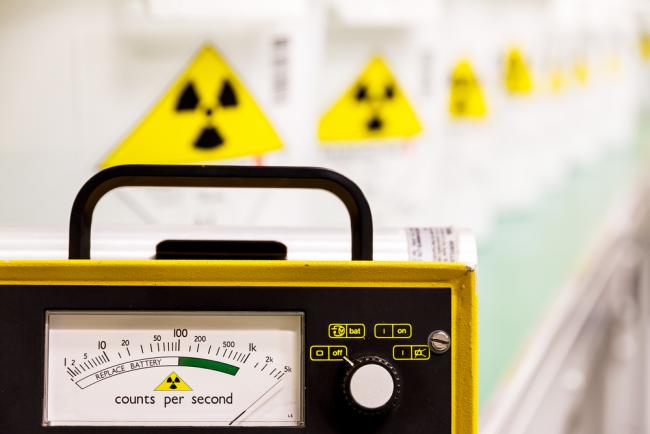
The Challenges of Maintaining Nuclear Cultures : US and UK perspectives
After the world entered the nuclear age, civilian and military organizations have witnessed the slow emergence of nuclear cultures, defined as the set of values and knowledge, shared among the national security community, about the relative importance of nuclear weapons in the country’s defense posture, the distinctive features of nuclear weapons in terms of security, safety and operational requirements, and the workings of deterrence.
Building Bridges Conversation Series - Ireland & the Netherlands
This new episode of the Building Bridges Conversation Series is part of the "Building Bridges" project, which aims to foster debate on the future of the European Union and offer top quality analyses on how each member state perceives the EU. In this video, Vivien Pertusot, coordinator of the project, discusses with Marie Cross from the Institute of International and European Affairs (Ireland) and Adriaan Schout from Clingendael (the Netherlands).
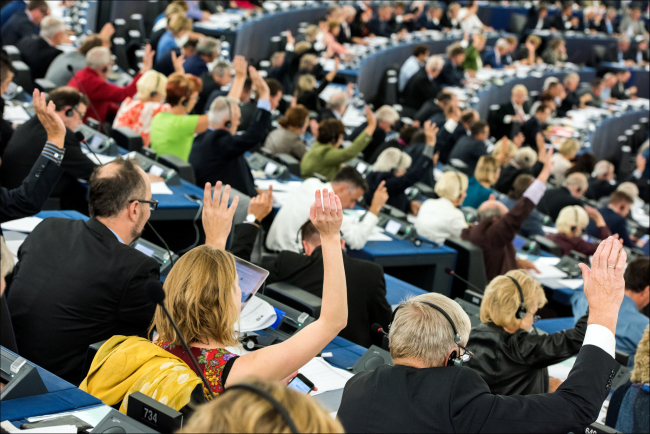
Visions of EU Reform - Written evidence to the House of Lords
Vivien Pertusot provided written evidence to the inquiry of the EU Select Committee of the UK's House of Lords on "Visions of EU Reform". This inquiry is organised in the context of the UK Government's renegotiation and future referendum on the EU.
Great-Britain Whistle-Stop Tour of the EU
The consultations on Cameron’s demands were run with the EU members by the head of the European Council, Donald Tusk from Poland. Tusk wrote down what was said and sent a letter to London and other European capitals. The letter was quite peculiar, admits Vivient Pertusot, the head of the French Institute of International Relations (IFRI) in Brussels.
Building Bridges Conversation Series - Luxembourg & Spain
This new episode of the Building Bridges Conversation Series is part of the "Building Bridges" project, which aims to foster debate on the future of the European Union and offer top quality analyses on how each member state perceives the EU. In this video, Vivien Pertusot, coordinator of the project, discusses with Guido Lessing from the Centre d’études et de recherches européennes (Luxembourg) and Charles Powell from Real Instituto Elcano (Spain).
China vs. USA: After South China Sea, the Arctic as a Second Act
The focus on the power confrontation between China and the U.S. has for a while been directed towards the South China Sea, but a focus should be given to the Arctic region, where the second act is already ongoing.
Exploring the strengths and weaknesses of European innovation capacity within the Strategic Energy Technologies (SET) Plan
The purpose of this policy report is to explore the strengths and weaknesses of European innovation capacity within the Strategic Energy Technologies (SET) Plan Integrated Roadmap.

Semi-Mutual Defense: Europe’s Patchwork Response to Paris Attacks
The offer of active military support to France in Syria or in the Sahel by several European member states is likely to overshadow the absence of meaningful commitment from others. On balance, the picture will not be too disheartening for supporters of the EU: its foreign and security policy apparatus will not come out damaged, but only because it has not been properly tested.
Building Bridges Conversation Series - Bulgaria & Denmark
This new episode of the Building Bridges Conversation Series is part of the "Building Bridges" project, which aims to foster debate on the future of the European Union and offer top quality analyses on how each member state perceives the EU. In this video, Vivien Pertusot, coordinator of the project, discusses with Maja Kluger Rasmussen from Think Europa (Denmark) and Antoinette Primatarova from the Centre for Liberal Strategies (Bulgaria).
Ifri, a foundation recognized as being of public utility, relies largely on private donors – companies and individuals – to guarantee its sustainability and intellectual independence. Through their funding, donors help maintain the Institute's position among the world's leading think tanks. By benefiting from an internationally recognized network and expertise, donors refine their understanding of geopolitical risk and its consequences on global politics and the economy. In 2026, Ifri partners with over 90 French and international companies and organizations.

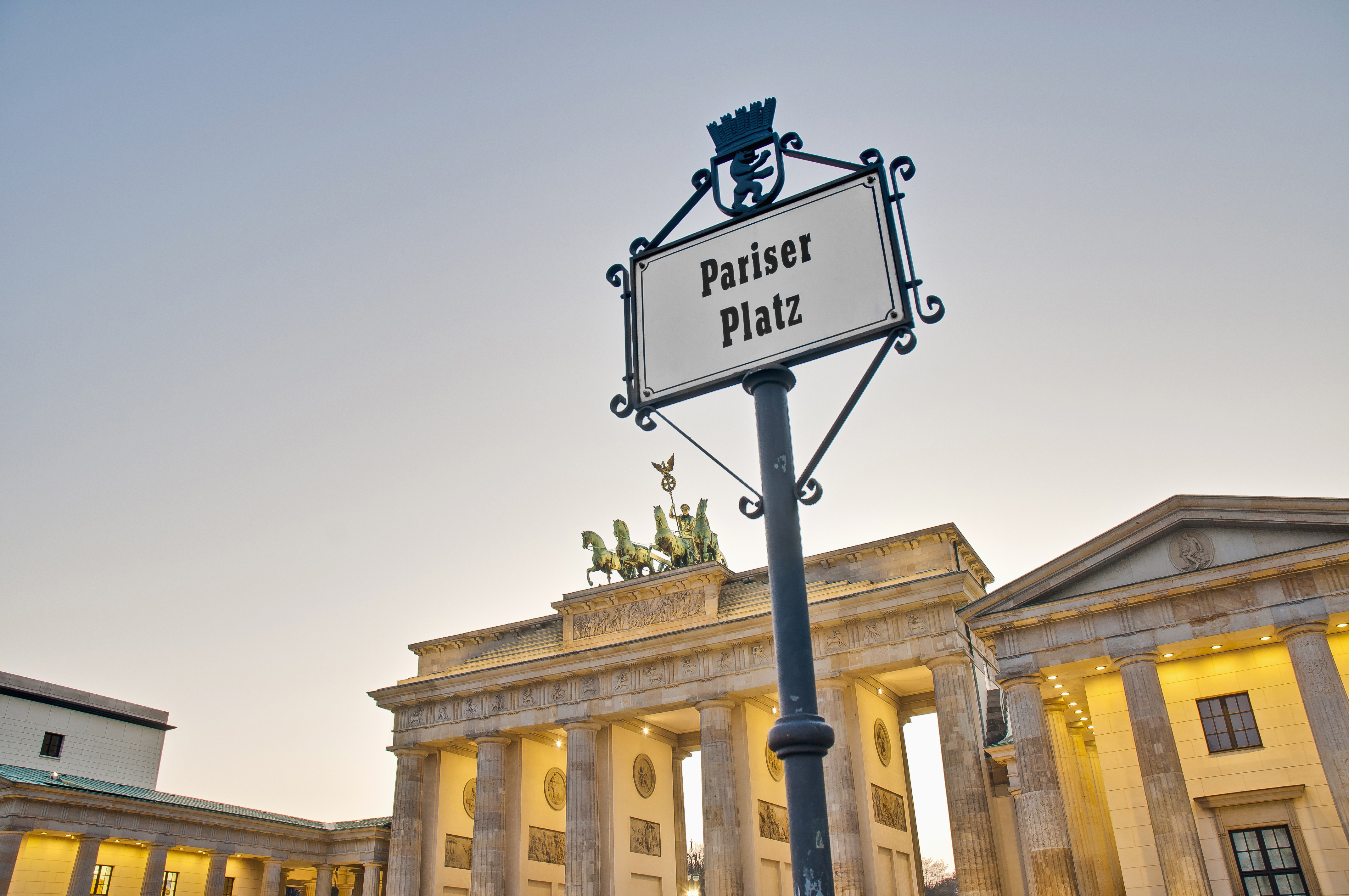
The Study Committee on Franco-German Relations (Cerfa) was created in 1954 by an inter-governmental agreement between the Federal Republic of Germany and France, in order to raise awareness of Germany in France and analyze Franco-German relations, including in their European and international dimensions. In its conferences and seminars, which bring together experts, political leaders, senior decision-makers and representatives of civil society from both countries, Cerfa develops the Franco-German debate and stimulates political proposals. It regularly publishes studies through two collections: Cerfa notes and studies as well as Franco-German visions.
Cerfa maintains close relations with the network of German foundations and think tanks. In addition to its research and debate activities, Cerfa promotes the emergence of a new Franco-German generation through original cooperation programs. This is how in 2021-2022, Cerfa led a program on multilateralism with the Konrad Adenauer Foundation in Paris. This program is aimed at young professionals from both countries interested in the issues of multilateralism in the context of their activities. It covered a wide range of themes relating to multilateralism, such as international trade, health, human rights and migration, non-proliferation and disarmament. Previously, Cerfa had participated in the Franco-German future dialogue, co-led with the DGAP from 2007 to 2020, and supported by the Robert Bosch Foundation and the Daniel Vernet group (formerly the Franco-German Reflection Group) which was founded in 2014 upon the initiative of the Genshagen Foundation.
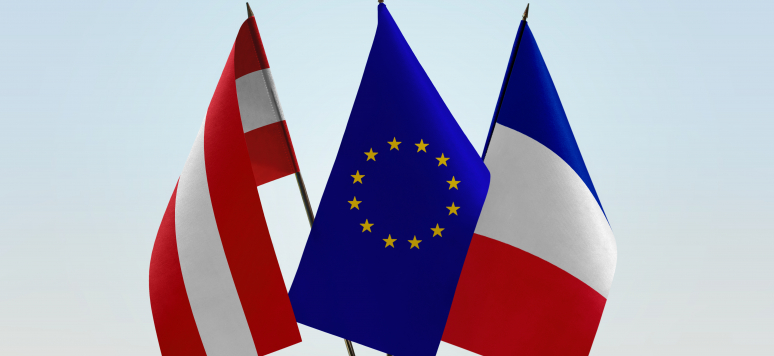
The Austro-French Centre for Rapprochement in Europe (ÖFZ/CFA) is a Franco-Austrian intergovernmental organization, initiated in 1976 by Prime Minister Jacques Chirac and Federal Chancellor Bruno Kreisky, in order to develop economic relations between Western and Eastern Europe, contributing to the creation of a Europe of peace.
After the fall of the Berlin Wall, the ÖFZ/CFA refocused its action on the problems following the enlargement of the European Union, and integrated the following countries in its field of activities : Hungary, Poland, Czech Republic, Slovak Republic, Slovenia, the Baltic countries, Romania and Bulgaria. ÖFZ/CFA's vocation, as a space for reflection and exchange, is in fact reinforced by the need to support the new member countries of the Union in their integration process. Since 2004, the ÖFZ/CFA has also turned towards the Union's new neighbors, in particular towards the countries of the Western Balkans, which perceive their future from a European perspective.
The ÖFZ/CFA strives to place all of its exchanges in a global perspective concerning the future of our continent. Today it centers its activities around three directions: the Franco-Austrian bilateral dialogue, the future of the European Union, the future recomposition of the continent.
Reports of all events organized by the ÖFZ/CFA are available on its website (http://oefz.at). The ÖFZ/CFA's budget is provided by the French and Austrian foreign ministries. Depending on the themes addressed, the ÖFZ/CFA calls on European public and private institutions to help finance its meetings. The CFA's orientations benefit from the recommendations of an Orientation Council, approved by a Board of Directors, which elects from among its members a president and a secretary general.