





Turkey
Analysis of Turkey's internal and external dynamics as a regional power, with a focus on diplomatic, economic and political issues linked to Recep Tayyip Erdoğan's third term in office.
Related Subjects
Ifri, a foundation recognized as being of public utility, relies largely on private donors – companies and individuals – to guarantee its sustainability and intellectual independence. Through their funding, donors help maintain the Institute's position among the world's leading think tanks. By benefiting from an internationally recognized network and expertise, donors refine their understanding of geopolitical risk and its consequences on global politics and the economy. In 2026, Ifri partners with over 90 French and international companies and organizations.

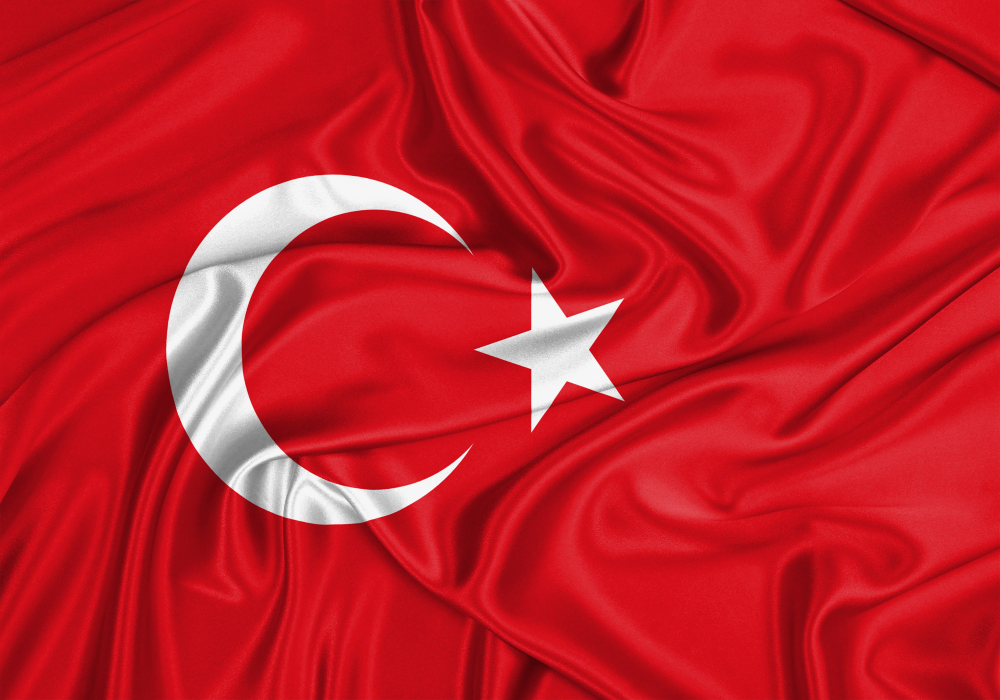
The Turkey 2050 Program develops a forward-looking analysis of the country to anticipate its dynamics over the next 30 years. The reflection is structured around three key themes:
• Domestic politics, to assess the stability of the AKP regime and the prospects for political change;
• The economy, to understand Turkey's capacity for recovery, the evolution of its production model, and its regional integration prospects;
• Foreign policy, to monitor the rise of Turkey's diplomacy and military capabilities, and to map the country's new spheres of influence.
This research, funded by companies and institutions active in Turkey, is based on field missions that aim to shed light on the blind spots and lesser-known areas of the Turkish landscape. Program partners benefit from personalized monitoring of relevant indicators to inform their decision-making, supported by monthly strategic briefings, sectoral reports, and access to a network of Turkish and French experts. The exchanges surrounding the program ultimately seek to define the concept of "Turkish risk" in a broad sense, in order to adapt our working methods accordingly.
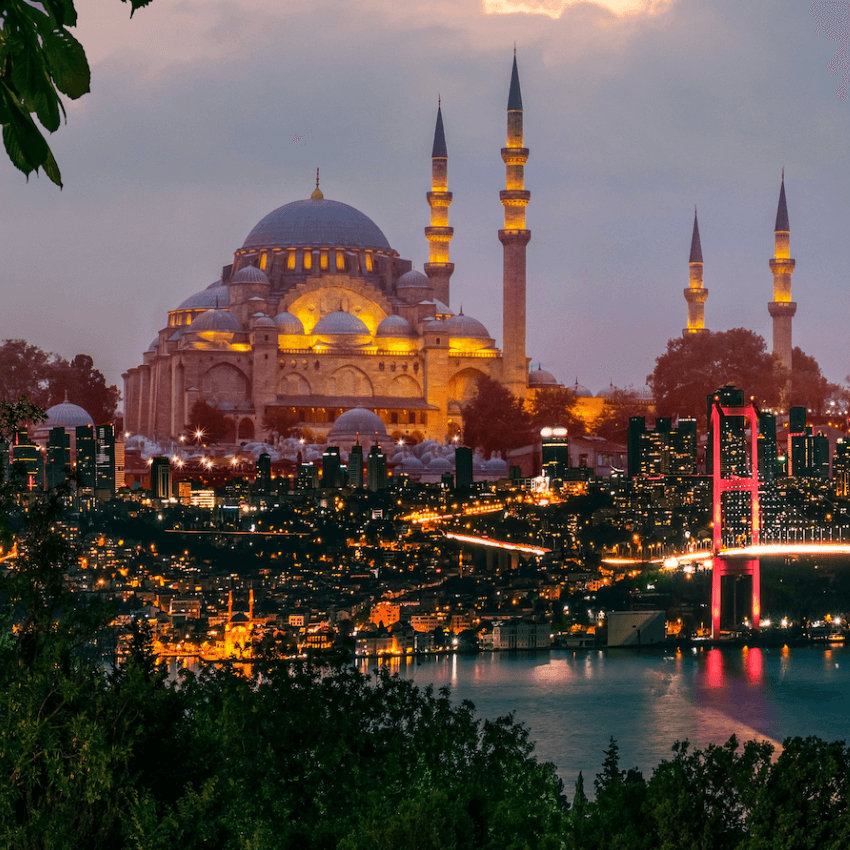
Ifri's Turkey/Middle East Program aims to provide expertise on the trends and developments in politics, societies and economies across the region.
The programme has the following objectives:
- Proposing a new approach towards the MENA region through an analysis of local, regional, and international dynamics with the potential to guide and influence new policies.
- Highlighting the role of foreign powers which have traditionally been present in the region and analyzing the new role taken on by emerging countries ;
- Anticipating new directions and outlooks in each country.
- Interpreting risks and potentials and putting forward new templates for analysis.
The programme has built a dense network of researchers and experts who provide expertise on the MENA region and working together on a range of crosscutting themes.