


Sub-Saharan Africa
Sub-Saharan Africa is not monolithic. While crises in the Sahel have attracted a great deal of attention, other regions also need to be monitored, and not just through the prism of security.
Related Subjects
Claiming "The People": Youth Booms, Ailing Authoritarians and "Populist" Politics in Kenya, Uganda, and Tanzania
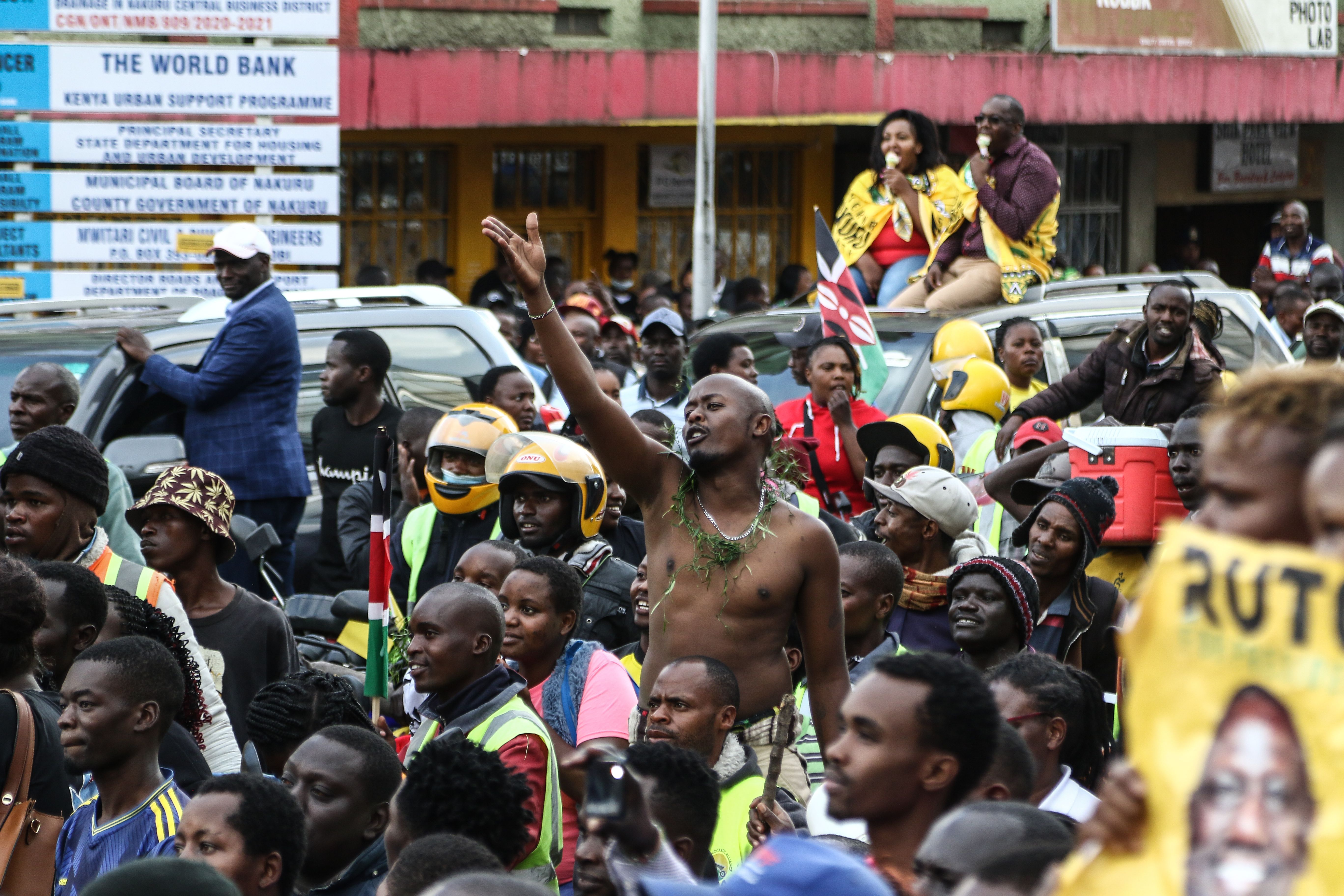
This study analyses the emergence of so-called “populist” political tendencies in three East African countries: Kenya, Uganda and Tanzania. It builds its analysis on a wider discussion of the term “populism”, its use and applicability in (eastern) African settings before going on to examine the drivers of three cases of populism: William Ruto’s 2022 election victory in Kenya and the “Hustler Nation”; Bobi Wine’s opposition to Yoweri Museveni in Uganda; and John Magufuli highly personal style of government in Tanzania.
Africa and the 20th Century: Dispossession, Rebirth, Uncertainty
“Although mining is a long-term business, very few companies do prospective studies”
As global demand for critical minerals accelerates, Central Africa finds itself once again at the heart of an extractive race—this time driven by the energy transition. Thierry Vircoulon, Associate Research Fellow at Ifri's Sub-Saharan Africa Center, and Coordinator of its Observatory of Central and Southern Africa, shares a sharp and sobering perspective. Speaking ahead of the ESSEC Institute for Geopolitics & Business webinar “Securing Critical Minerals” (2 July), he explores the paradoxes of resource governance, the rise of China, and why “clean energy” still runs on dirty politics. A must-read for those navigating the fault lines of global supply chains.
Doing Politics in African Cities Actors, Causes and Forms of Urban Social Mobilization
From Maputo to Nairobi and from Lagos to Dakar: recently, African cities have been the theatre of mobilizations by groups of young protesters.
Replay of Ifri's webinar held on April 17, 2025.

France starts 2025 with fresh controversy, questions over Africa
France starts 2025 with a further drawdown of its military presence in its former African colonies, and fresh tensions ignited this week with controversial remarks by French President Emmanuel Macron.

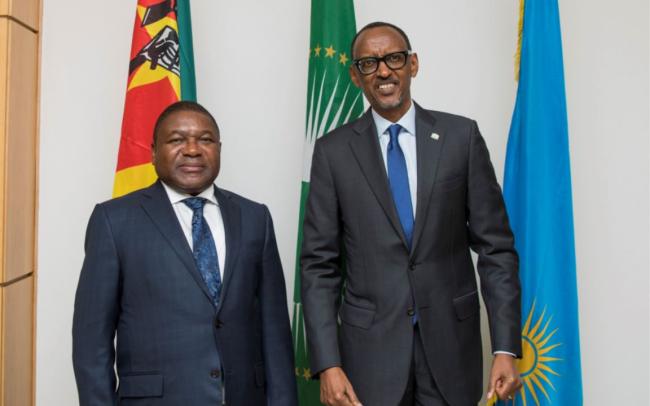
After the success of its army in Mozambique, Rwanda expects economic rewards
Companies affiliated with the powerful Crystal Ventures holding company, the financial arm of Kigali's ruling party, are already present in Mozambique.

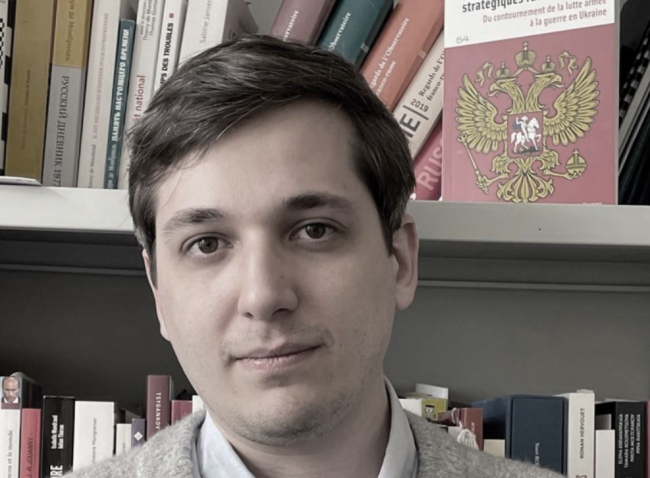
Dimitri Minic: 'The Kremlin's credibility has been shaken'
For this Russian army specialist, at least part of the armed forces rallying behind the founder of the Wagner group, Yevgeny Prigozhin, cannot be ruled out.

Japan PM Kishida’s Africa tour lays groundwork for G7 summit, as China and Russia concerns loom large
While the impact of Kishida’s tour is ‘marginal, it can still send ‘a message of solidarity’ that it intends to take the continent’s concerns seriously. Getting the African countries to take active measures against Russia will be difficult if they are not offered strong incentives in exchange, one analyst notes.
France's Macron Set For Four-nation Tour Of Africa
President Emmanuel Macron kicks off a tour of Central Africa on Wednesday in a diplomatic drive to test out a new "responsible relationship" with the continent as anti-French sentiment runs high in some former colonies

How Rwanda Became Africa’s Policeman
From Benin to Mozambique, President Paul Kagame is flexing his small country’s military muscle—and transforming the continent’s security landscape.
Japan’s Africa aid rivals China in terms of ‘quality over quantity’: analysts
Japan has been investing in the continent for longer than China and applies international standards to its infrastructure financing, analysts said. Its pockets may not be as deep, but its support of good governance and democratic principles makes it a tempting development partner for African states.
Support independent French research
Ifri, a foundation recognized as being of public utility, relies largely on private donors – companies and individuals – to guarantee its sustainability and intellectual independence. Through their funding, donors help maintain the Institute's position among the world's leading think tanks. By benefiting from an internationally recognized network and expertise, donors refine their understanding of geopolitical risk and its consequences on global politics and the economy. In 2025, Ifri supports more than 80 French and foreign companies and organizations.
Related centers and programs
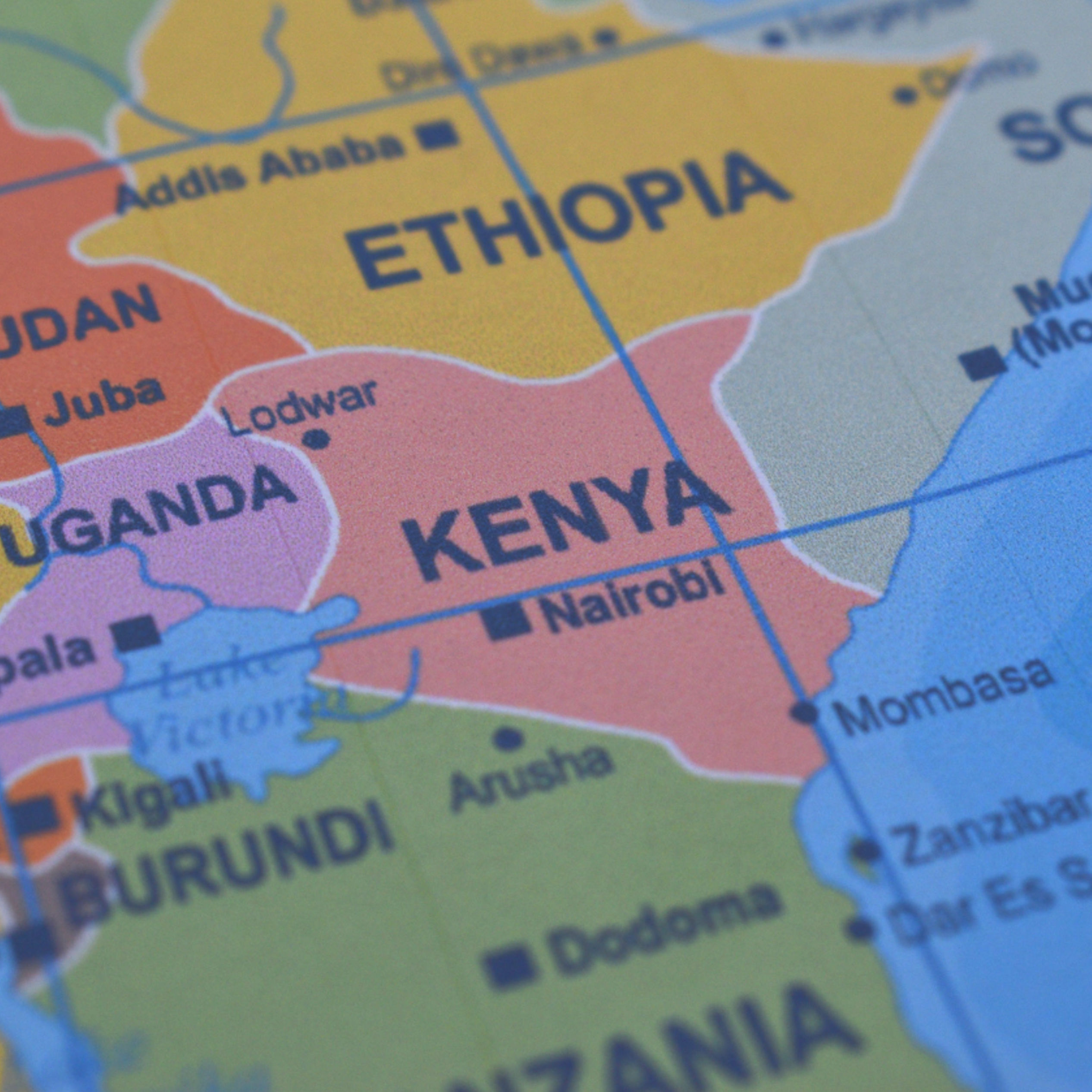
East and Central Africa Observatory
The East and Central Africa Observatory is a 3-year research project (2023-2025) that Ifri is carrying out jointly with the French Institute of Research in Africa (IFRA) in Nairobi for the French Ministry of Defense, and more specifically its International Relations and Strategy Division (DGRIS). This observatory focuses on the main political, security and geopolitical developments taking place in the geographical areas covered by itself. This is achieved through the regular production of research notes, in English or French and the organization of an annual seminar around a key theme. For our research notes and conferences, we call on internationally acknowledged experts in the topics covered. This Observatory began in 2016, under the title of Observatory of Central and Southern Africa within Ifri's Sub-Saharan Africa Center. 55 notes were drafted between 2016 and 2020.
Sub-Saharan Africa Center
Founded in 2007, Ifri's Sub-Saharan Africa center produces an in-depth analysis of the African continent and its security, geopolitical, political and socio-economic dynamics (in particular the phenomenon of urbanization). The Center aims to be both, through various publications and conferences, a space for disseminating analyzes intended for the media and the public but also a decision-making tool for political and economic actors with regard to the continent.
The center produces analyses for various organizations such as the Ministry of the Armed Forces, the Ministry of Europe and Foreign Affairs, the Organization for Economic Cooperation and Development (OECD), the French Development Agency (AFD) and even for various private supports. Its researchers are regularly interviewed by parliamentary committees.
The organization of events of various formats complements the production of analyzes by bringing the different spheres of the public space (academic, political, media, economic and civil society) to meet and exchange analytical tools and visions of the continent. The Sub-Saharan Africa Center regularly welcomes political leaders from different sub-Saharan African countries.